
Understanding Zoning Laws for Tiny Houses on the Great Plains
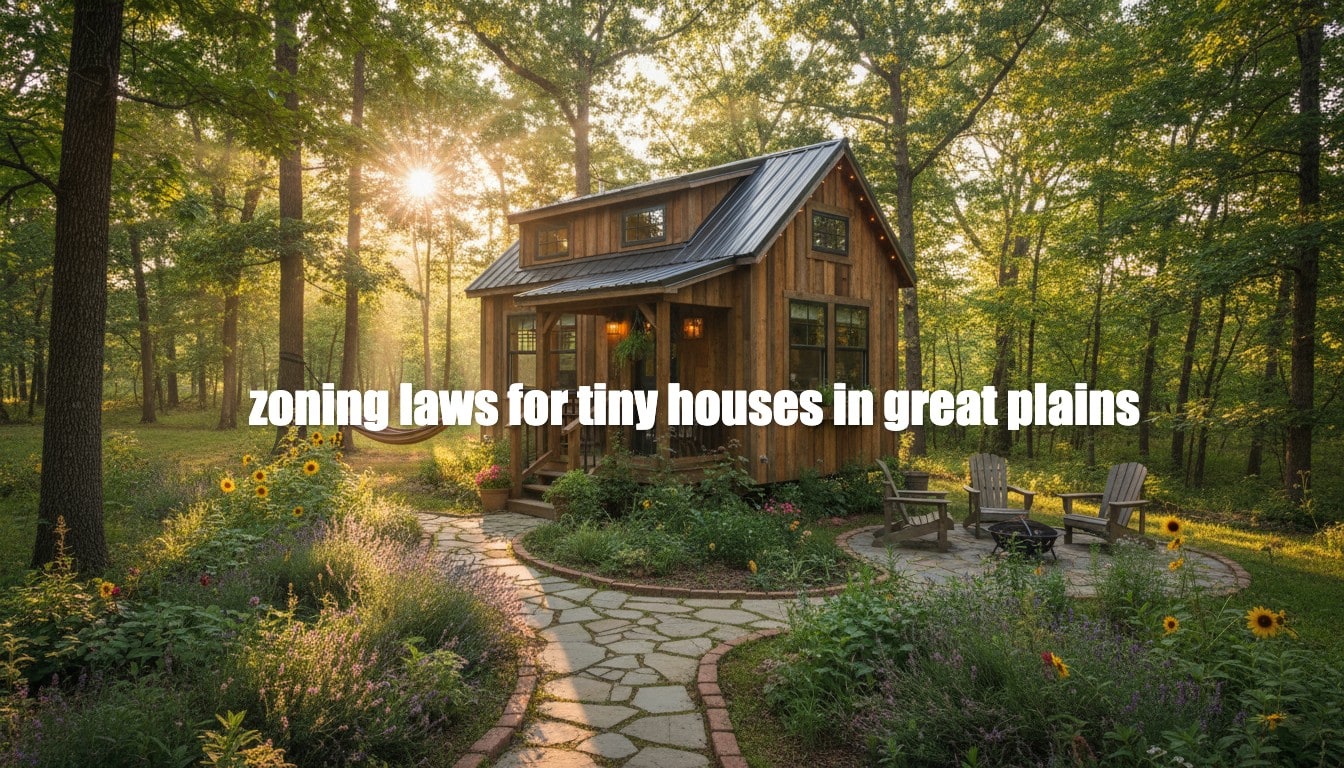
When we talk about tiny houses, we’re referring to dwellings typically under 400 square feet that have captured the imagination of many Americans seeking simpler, more affordable, and sustainable living options. Across the Great Plains region, from North Dakota down to Texas, the tiny house movement continues to gain momentum as more people embrace minimalist lifestyles and seek housing alternatives amid rising costs.
However, before we can embark on our tiny house journey in the Great Plains, we must navigate the complex landscape of zoning laws and building codes. These regulations vary dramatically not just between states like Kansas, Nebraska, and Oklahoma, but even between counties and municipalities within the same state.
At Great Lakes Tiny Homes, we understand the challenges of navigating these varying regulations. Our experience with tiny home enthusiasts has shown that understanding local zoning laws is the critical first step before investing time and resources into a tiny house project.
Types of Tiny Houses and How They’re Classified
Before we dive into specific state regulations, it’s important to understand how different types of tiny houses are classified, as this directly impacts which zoning laws apply:
1. Tiny Houses on Wheels (THOWs)
These mobile tiny houses are often classified as recreational vehicles (RVs) or mobile homes throughout the Great Plains:
- Advantages: In states like Kansas and Nebraska, THOWs classified as RVs may avoid some of the stricter building codes that apply to permanent structures.
- Limitations: Most Great Plains municipalities don’t permit full-time living in RVs in residential areas. In North Dakota and South Dakota, THOWs are typically only allowed in designated RV parks or campgrounds.
For those interested in this option, we recommend checking out Tiny House Builders in Kansas who specialize in mobile tiny homes built to withstand the region’s extreme weather conditions.
2. Permanent Tiny Houses
Tiny houses built on permanent foundations are generally subject to residential building codes and zoning ordinances:
- Building Codes: Most Great Plains states follow some version of the International Residential Code (IRC), which traditionally has minimum square footage requirements.
- Zoning Challenges: Many municipalities across Nebraska, Kansas, and Oklahoma have minimum square footage requirements ranging from 600-1,000 square feet for permanent dwellings in residential zones.
We’ve seen successful permanent tiny house projects in places like Nebraska where homeowners worked closely with local planning departments to meet modified requirements.
3. Accessory Dwelling Units (ADUs)
ADUs are secondary housing units on the same property as a main dwelling:
- Growing Acceptance: Cities like Omaha, Nebraska and Wichita, Kansas have recently updated their ordinances to be more ADU-friendly.
- Restrictions: Even in ADU-friendly areas, we typically see requirements regarding maximum size, height, setbacks from property lines, and owner-occupancy of the main dwelling.
For homeowners in Oklahoma counties that allow tiny houses, ADUs often represent the path of least resistance for legal tiny house placement.
Tiny House Zoning in Northern Great Plains States
The northern Great Plains states of North Dakota, South Dakota, and Nebraska each present unique regulatory environments for tiny house enthusiasts:
North Dakota
North Dakota has been relatively slow to embrace tiny house-specific regulations:
- State-level regulations: North Dakota follows the 2018 IRC but has not adopted Appendix Q, which provides building code standards specifically for tiny houses.
- Tiny house-friendly areas: We’ve found that rural counties like McKenzie and Williams have fewer restrictions.
- Minimum square footage: Most municipalities require between 700-900 square feet for permanent dwellings.
Those interested in Best Tiny Home Communities in North Dakota will find options primarily in the western part of the state where zoning is less restrictive.
South Dakota
South Dakota offers a mixed landscape for tiny house development:
- Tiny house-friendly areas: The Black Hills region, particularly around Rapid City, has shown more flexibility. Pennington County has allowed some tiny house developments.
- Minimum square footage: Requirements typically range from 600-800 square feet in most municipalities.
- ADU regulations: Sioux Falls updated its ADU ordinance in 2021, allowing for detached units on lots of at least 7,000 square feet.
For those looking at Tiny House Builders in South Dakota, we recommend focusing on companies familiar with local code requirements.
Nebraska
Nebraska has seen growing interest in tiny houses, particularly in rural areas:
- Tiny house-friendly areas: Lancaster County (outside of Lincoln city limits) and rural Dawes County have been more accommodating to tiny houses.
- Minimum square footage: Requirements range widely from 500-900 square feet depending on the municipality.
- Recent changes: The city of Lincoln is considering zoning amendments that would create specific provisions for tiny houses in certain residential zones.
We’ve seen growing interest in what counties in Nebraska allow tiny houses, particularly from young professionals and retirees looking to downsize.
Tiny House Zoning in Central Great Plains States
The central Great Plains states of Kansas and Oklahoma present some of the most diverse regulatory environments for tiny houses in the region:
Kansas
Kansas has emerged as one of the more progressive Great Plains states regarding tiny house regulations:
- State-level regulations: Kansas adopted the 2018 IRC including Appendix Q, which specifically addresses tiny houses.
- Tiny house-friendly areas: Wichita has implemented specific tiny house regulations, and Douglas County (Lawrence area) has shown flexibility for rural tiny house developments.
- Minimum square footage: With the adoption of Appendix Q, some jurisdictions now allow homes as small as 400 square feet.
For those interested in Best Tiny Home Communities in Kansas, we recommend exploring options around Lawrence and Wichita where several communities have successfully navigated zoning challenges.
Oklahoma
Oklahoma presents a mixed landscape for tiny house development:
- Tiny house-friendly areas: Tulsa County has been relatively accommodating, and the city of Oklahoma City has begun discussions about tiny house-specific zoning.
- Minimum square footage: Requirements typically range from 600-900 square feet in most municipalities.
- Unique considerations: Oklahoma’s tornado-prone climate creates additional structural requirements for tiny houses.
We’ve seen growing interest in Tiny Houses For Sale in Oklahoma, particularly in rural areas where zoning restrictions are often less stringent.
Tiny House Zoning in Southern Great Plains States
The southern Great Plains states of Texas and portions of New Mexico that extend into the Great Plains present unique opportunities and challenges:
Texas
Texas offers perhaps the most diverse regulatory landscape for tiny houses in the Great Plains region:
- Tiny house-friendly areas: Spur, Texas has declared itself “America’s first tiny house friendly town.” The Austin area, particularly Bastrop County, has also been relatively accommodating.
- Minimum square footage: Requirements vary dramatically across the state, from no minimum in some rural areas to 800-1,000 square feet in many suburban municipalities.
- Unique considerations: The Texas panhandle region, which is part of the Great Plains, often has fewer restrictions than the more populated areas of the state.
For those looking at Tiny House Builders in Texas, we recommend focusing on companies familiar with the specific requirements of your intended location.
Eastern New Mexico (Great Plains Region)
The eastern portion of New Mexico that extends into the Great Plains presents its own regulatory environment:
- Tiny house-friendly areas: Rural counties like Curry and Roosevelt have fewer restrictions.
- Minimum square footage: Requirements typically range from 600-800 square feet in most municipalities.
- Unique considerations: The arid climate creates both challenges (need for efficient cooling systems) and opportunities (potential for off-grid solar power) for tiny house designs.
We’ve found that what counties in New Mexico allow tiny houses is a common question, particularly for those looking at the eastern part of the state where land is more affordable.
Tiny House Communities on the Great Plains
Across the Great Plains, we’re seeing the emergence of dedicated tiny house communities that have successfully navigated zoning challenges:
Simply Home Community (Lawrence, Kansas)
This community in Douglas County represents one of the more successful tiny house developments in the region:
- Zoning solution: Established as a planned unit development (PUD) with special approvals from the county.
- Community structure: Mix of owned and rented lots with shared common spaces and gardens.
- Price range: Lots from $30,000-$50,000 with homes typically costing $60,000-$100,000.
For those interested in Kansas tiny house living, we recommend exploring Best Tiny Home Communities in Kansas for more options like this one.
Tiny Towne (Spur, Texas)
As America’s first officially tiny house-friendly town, Spur offers unique opportunities:
- Zoning solution: The town modified its zoning ordinances specifically to accommodate tiny houses, requiring only that they be on foundations and connected to utilities.
- Community structure: Individual lots throughout town rather than a concentrated development.
- Price range: Lots available for as little as $5,000-$10,000 with homes typically costing $50,000-$90,000.
Those looking for Tiny Houses For Sale in Texas will find Spur offers some of the most straightforward paths to legal tiny house living.
Little River Escape (Eastern Oklahoma)
This community near the Arkansas border offers a rural tiny house experience:
- Zoning solution: Established as an RV park that allows permanent placement of tiny houses on wheels.
- Community structure: Leased lots with shared amenities including river access, hiking trails, and community buildings.
- Price range: Lot leases from $200-$350 monthly with homes typically costing $60,000-$120,000.
For those interested in Oklahoma options, we recommend exploring what counties in Oklahoma allow tiny houses for both community and individual placement options.
How to Navigate Zoning Laws for Your Tiny House
Based on our experience helping tiny house enthusiasts across the Great Plains, we’ve developed a step-by-step approach to navigating the complex zoning landscape:
1. Research Local Zoning Codes
Before purchasing land or a tiny house, we always recommend thorough research:
- Start online: Most counties and municipalities now have their zoning ordinances available online.
- Key terms to search: Look for minimum square footage requirements, accessory dwelling unit regulations, and any mentions of tiny houses specifically.
- Zoning maps: Identify which zones might be most accommodating (often rural residential or agricultural zones have fewer restrictions).
For specific information by state, resources like what counties in Kansas allow tiny houses can be invaluable starting points.
2. Questions to Ask Local Planning Departments
Once you’ve done initial research, we recommend direct contact with officials:
- Specific questions: “What is the minimum dwelling size in Zone X?” “Does your jurisdiction recognize tiny houses as permanent dwellings?” “Have you adopted Appendix Q of the IRC?”
- Documentation: Request written confirmation of any verbal guidance you receive.
- Ask about precedent: “Has anyone successfully built a tiny house in this jurisdiction before?”
We’ve found that planning departments in cities like Lincoln, Nebraska often have staff specifically knowledgeable about alternative housing options.
3. Understanding Building Codes vs. Zoning Ordinances
These distinct regulatory frameworks both impact tiny house projects:
- Zoning ordinances: Determine where you can place your tiny house and how the land can be used.
- Building codes: Establish construction standards, including minimum room sizes, ceiling heights, stairway dimensions, and emergency egress requirements.
In our experience, many Great Plains jurisdictions are more flexible with building codes than with zoning ordinances, particularly for rural properties.
4. Options for Seeking Variances or Special Permits
When existing regulations don’t accommodate your plans:
- Variance application: A formal request to deviate from specific zoning requirements, typically requiring a public hearing.
- Conditional use permit: Allows a use not typically permitted in a zone under certain conditions.
- Planned unit development: A special zoning designation that allows for more flexible development standards.
We’ve seen successful variance applications in communities across Oklahoma, particularly when applicants demonstrate thoughtful design and community compatibility.
Future Trends in Great Plains Tiny House Zoning
As we look to the future of tiny house zoning across the Great Plains, several important trends are emerging:
1. States Considering Tiny House-Friendly Legislation
Several Great Plains states are exploring statewide approaches:
- Nebraska: A legislative study committee is currently examining tiny house regulations with recommendations expected in 2023.
- Kansas: Building on its adoption of IRC Appendix Q, the state is considering additional guidance for municipalities on tiny house zoning.
- Oklahoma: Legislators have introduced bills that would establish minimum standards for tiny houses while preventing municipalities from imposing excessive square footage requirements.
These efforts reflect growing recognition of tiny houses as part of the solution to housing challenges in states like Texas and throughout the region.
2. Impact of Housing Shortages on Zoning Flexibility
Economic realities are driving regulatory changes:
- Affordable housing crisis: Many Great Plains communities are recognizing tiny houses as a partial solution to housing affordability challenges.
- Rural revitalization: Towns like Spur, Texas have embraced tiny houses as a way to attract new residents to declining rural areas.
- Workforce housing: In areas with economic growth but housing shortages, employers are advocating for tiny house-friendly zoning to house workers.
We’re seeing this trend particularly in communities near Rapid City, South Dakota where housing demand exceeds supply.
3. Growing Acceptance of ADUs
Accessory Dwelling Units represent a major pathway for tiny house integration:
- Urban areas: Cities like Omaha, Wichita, and Oklahoma City have all updated their ADU ordinances in the past three years.
- Aging in place: The recognition of ADUs as solutions for multigenerational living and aging in place is driving policy changes.
- Rental income: In college towns across the Great Plains, ADUs are increasingly viewed as appropriate housing solutions that can provide homeowners with additional income.
This trend is particularly strong in communities like Lawrence, Kansas where housing demand from students drives interest in ADUs.
Conclusion: Making Your Tiny House Dream a Reality on the Great Plains
As we’ve explored throughout this guide, navigating zoning laws for tiny houses across the Great Plains presents both challenges and opportunities. While the regulatory landscape can seem daunting at first, we’re encouraged by the growing acceptance of tiny houses throughout the region.
The key takeaways from our research include:
- Do thorough research: Understanding the specific regulations in your target location is essential before making any investments.
- Consider all options: From ADUs to rural properties to established tiny house communities, multiple pathways to legal tiny house living exist across the Great Plains.
- Engage with officials early: Building relationships with local planning departments can make the difference between approval and denial.
- Join the movement: Connecting with advocacy groups and other tiny house enthusiasts provides valuable support and information.
We’re particularly encouraged by communities like Spur, Texas and Lawrence, Kansas that have embraced tiny houses, creating models that other Great Plains municipalities can follow. The growing number of Tiny Houses For Sale in Oklahoma and other Great Plains states demonstrates the increasing viability of this housing option.
While zoning challenges remain in many areas, the overall trend is toward greater acceptance. As housing affordability concerns continue and environmental consciousness grows, we expect tiny houses to become an increasingly mainstream housing option across the Great Plains.
Frequently Asked Questions About Tiny House Zoning on the Great Plains
What is the minimum size requirement for a tiny house on the Great Plains?
Minimum size requirements vary significantly across Great Plains jurisdictions:
- Range of requirements: We typically see minimum requirements between 500-1,000 square feet for permanent dwellings, with rural areas generally having lower minimums than suburban or urban areas.
- IRC Appendix Q adoption: Kansas and parts of Texas have adopted the International Residential Code’s Appendix Q, which specifically addresses tiny houses and allows for homes as small as 400 square feet.
- Progressive areas: Some jurisdictions like Spur, Texas and Lawrence, Kansas have reduced minimum requirements to as low as 120-200 square feet for permanent dwellings.
In Nebraska, for example, we’ve seen requirements ranging from no minimum in some rural counties to 900 square feet in suburban areas around Omaha.
Is it easier to get approval for a tiny house on wheels or on a foundation?
The answer depends on your specific location and intended use:
Tiny Houses on Wheels (THOWs):
- Advantages: In many Great Plains jurisdictions, THOWs can be registered as RVs, avoiding some building code requirements.
- Challenges: Most municipalities don’t permit full-time living in RVs in residential areas. THOWs are typically only allowed in designated RV parks or campgrounds.
Foundation-Based Tiny Houses:
- Advantages: More likely to be approved as permanent dwellings, particularly when meeting local building codes.
- Challenges: Subject to stricter building codes and minimum square footage requirements.
In our experience working with clients in places like Oklahoma, foundation-based tiny houses generally offer a more straightforward path to legal permanent residence.
Can I place a tiny house as an ADU on my property on the Great Plains?
ADU regulations vary significantly across Great Plains jurisdictions:
- Urban areas: Cities like Wichita, Kansas; Oklahoma City, Oklahoma; and Lincoln, Nebraska have updated their ADU ordinances in recent years.
- Common requirements: Typical ADU regulations include:
- The property must have a primary dwelling
- Lot size minimums (often 5,000-7,000 square feet)
- Setback requirements from property lines (typically 5-10 feet)
- Owner-occupancy rules requiring the owner to live in either the primary dwelling or the ADU
- Progressive areas: Lawrence, Kansas and Austin, Texas have some of the most flexible ADU regulations in the region.
For those interested in ADU options, we recommend exploring resources like what counties in Kansas allow tiny houses as ADUs.
Which Great Plains states are most tiny house-friendly?
Based on our research and experience, we rank the Great Plains states from most to least tiny house-friendly:
- Texas: Particularly the western and panhandle regions. Spur, Texas has explicitly welcomed tiny houses, and many rural counties have minimal restrictions.
- Kansas: The adoption of IRC Appendix Q at the state level and progressive policies in cities like Wichita and Lawrence make Kansas one of the more accommodating states.
- Oklahoma: While state-level guidance is limited, many rural counties have minimal restrictions, and cities like Tulsa and Oklahoma City are increasingly open to tiny houses.
- Nebraska: A mixed landscape with some progressive areas (particularly around Lincoln) but also many jurisdictions with traditional minimum size requirements.
- South Dakota: The western portion of the state (Black Hills region) is more tiny house-friendly than the eastern portion.
- North Dakota: Generally the most restrictive Great Plains state for tiny houses, with few specific accommodations in zoning codes.
For those considering tiny home communities in Texas, the state offers perhaps the most options and greatest regulatory flexibility in the Great Plains region.