
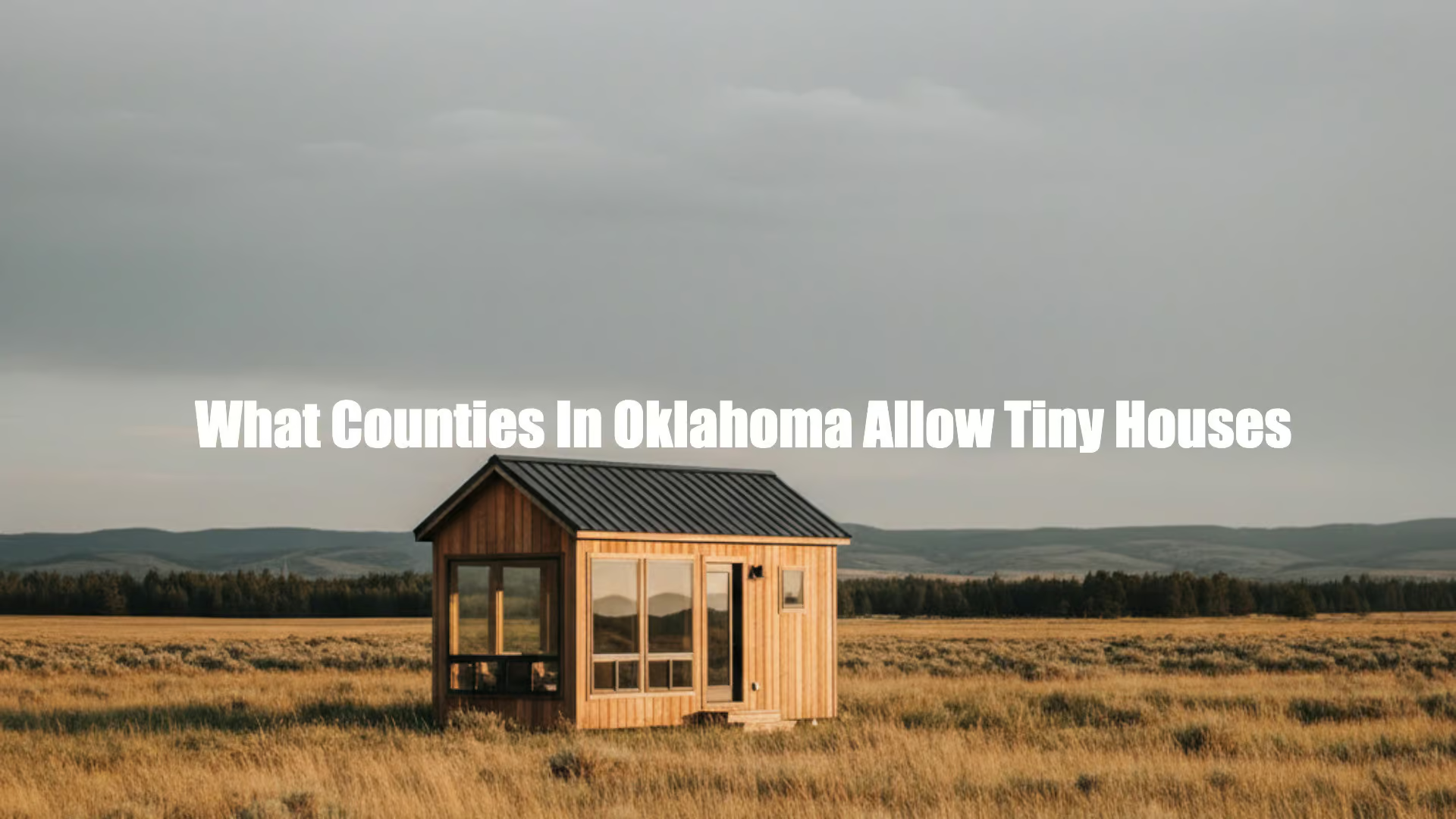
Oklahoma allows tiny houses under local zoning regulations and building codes that vary by county and municipality. Foundation-built tiny homes require permits and utility connections, while Tiny Houses on Wheels are classified as RVs with placement restrictions in most areas.
Oklahoma has emerged as an increasingly friendly state for tiny house enthusiasts, though regulations vary significantly between counties and municipalities since there is no statewide policy governing tiny homes.
Whether you’re considering a site-built tiny home on a permanent foundation or exploring mobile options, understanding Oklahoma’s diverse regulatory landscape is crucial for compliance and successful tiny house living. The state’s approach allows local jurisdictions to set their own rules, creating opportunities for those seeking alternative living arrangements while maintaining local control over development standards.
Great Lakes Tiny Homes is a full-service manufacturer of modular, park model, and tiny homes, delivering turnkey builds to all 48 lower U.S. states. We offer options with or without wheels, with or without RVIA certification, and our models with RVIA certification are often called Park Models. Book a call with our experts to discuss your Oklahoma tiny house project.
Disclaimer: This article is for informational purposes only and does not constitute legal advice. Laws, regulations, and zoning rules vary by location and may change over time. Always consult your local zoning office or a qualified land use/zoning attorney before making decisions based on this information.
Oklahoma Tiny House Regulations Overview
Oklahoma does not have statewide regulations governing tiny homes, so each county and municipality sets its own rules regarding what is allowed. Most jurisdictions follow the International Building Code (IBC) or International Residential Code (IRC) with local modifications for tiny house construction and placement.
In Oklahoma, tiny house regulations typically require minimum square footage requirements that vary by jurisdiction, with some counties allowing homes as small as 400 square feet while others require 600-1,000 square feet minimums. Foundation requirements, utility connections, and zoning compliance vary significantly between counties, making local research essential before planning your tiny house project.
Most Oklahoma counties classify tiny homes into three categories: permanent structures on foundations, temporary structures, and transitional structures. Each category has different requirements for permits, inspections, and long-term placement. A permit is usually required to build or place a tiny home throughout the state.
Disclaimer: Building codes and zoning regulations are subject to change. Always verify current requirements with local building departments before beginning construction or placement of a tiny home.
Foundation-Built Tiny Homes
Site-built tiny houses in Oklahoma must be constructed on permanent foundations and comply with local building codes. These structures require connection to approved water, sewer, and electrical systems in most jurisdictions. Foundation-built tiny homes are treated as permanent dwellings and must meet all applicable building codes for safety and habitability, including minimum square footage requirements that vary by county.
Tiny Houses on Wheels (THOWs)
Tiny houses on wheels in Oklahoma are typically classified as recreational vehicles (RVs) or mobile homes depending on construction standards and certification. THOWs with RVIA certification can often be placed in RV parks and campgrounds, while non-certified units face more placement restrictions. These units are generally not permitted for permanent residence on most residential lots but may be allowed in designated RV communities or as temporary housing with proper permits.
Manufactured Tiny Homes
Pre-manufactured tiny homes built off-site in Oklahoma must comply with state manufactured housing standards if intended for permanent placement. Units built to HUD code standards are regulated differently than site-built homes and may have different placement options. RVIA-certified park models offer another pathway for manufactured tiny homes with specific placement allowances in recreational settings.
County and City Regulations Table
| County/City | Min Sq Ft | Zoning Type | Key Requirements | Source | Verified |
| Oklahoma County | 600 sq ft min | Residential | Permanent foundation, utility connections, building permit required | Oklahoma County Planning | 2024 |
| Tulsa County | 400 sq ft min | Residential/ADU | Zoning compliance, building permit, foundation requirements | Tulsa County Planning | 2024 |
| Cleveland County | 500 sq ft min | Agricultural/Rural | Special use permit may be required, agricultural exemptions available | Cleveland County Zoning | 2024 |
| Canadian County | 600 sq ft min | Residential | Building permit, permanent foundation, utility hookups | Canadian County Building | 2024 |
| Rogers County | 400 sq ft min | Rural Residential | Zoning approval, building permit, septic system required | Rogers County Planning | 2024 |
Disclaimer: Regulations change frequently. Contact local planning and zoning departments directly for the most current requirements and application processes.
Major Oklahoma Cities
Oklahoma City (Oklahoma County)
Oklahoma City has recently adopted new regulations allowing accessory dwelling units (ADUs) in certain areas, which can include tiny homes that meet size and safety requirements. The city requires building permits for all tiny home construction and compliance with local zoning ordinances. Oklahoma City’s “backyard dwellings” ordinance establishes specific regulations for accessory structures in designated areas.
For specific questions about tiny house projects in Oklahoma City, contact the Planning Department at (405) 297-2536. Those interested in tiny homes should verify current zoning requirements and ADU regulations before purchasing property or beginning construction.
Tulsa (Tulsa County)
Tulsa follows local building codes for tiny house construction and has shown openness to alternative housing solutions through its zoning code updates. The city allows various housing types including mobile homes in designated areas and has provisions for accessory structures that may accommodate tiny homes.
Tulsa’s Development Services Department oversees permitting and inspection processes for tiny homes. Contact them at (918) 596-7877 for current regulations and permit requirements. The city’s evolving housing policies make it a potentially favorable location for tiny house development.
Norman (Cleveland County)
Norman has recently updated its ordinances to allow tiny homes as accessory dwelling units on residential properties, making it one of the more progressive Oklahoma cities for tiny house placement. The city requires compliance with building codes and zoning regulations but has created pathways for alternative housing options.
Norman’s Planning and Community Development Department can be reached at (405) 366-5424 for specific project guidance. The city’s clear regulatory framework and recent policy updates make it an attractive option for tiny house enthusiasts.
Broken Arrow (Tulsa County)
Broken Arrow follows Tulsa County regulations for tiny house construction and has provisions for various housing types within its zoning code. The city requires building permits and zoning compliance for all tiny home projects.
Contact Broken Arrow’s Community Development Department for current tiny house requirements and permit applications. The city’s suburban setting and proximity to Tulsa make it popular among those seeking alternative housing options.
Lawton (Comanche County)
Lawton allows tiny houses under local building codes and has provisions for manufactured housing that may accommodate certain types of tiny homes. The city’s proximity to Fort Sill makes it attractive for military families considering downsized living options.
Contact Lawton’s Building Safety Department for specific tiny house requirements and permit applications. The city’s affordable housing initiatives create opportunities for alternative housing solutions.
What Counties in Oklahoma Allow Tiny Houses?
Several Oklahoma counties have established regulations that accommodate tiny houses, though requirements vary significantly. The most tiny house-friendly counties include:
Le Flore County
Le Flore County in eastern Oklahoma has relatively relaxed building codes and lower minimum square footage requirements, making it attractive for tiny house placement. The county allows homes as small as 400 square feet in many areas and has fewer restrictions on alternative housing types.
Rural areas of Le Flore County often have more flexibility for tiny house placement, especially on larger lots with adequate septic and water systems. Contact the county building department for specific requirements and permit processes.
Osage County
As Oklahoma’s largest county, Osage County offers a unique blend of natural beauty and tiny house-friendly regulations. With relaxed building codes in rural areas and lower population density, the county provides opportunities for tiny house placement with fewer restrictions than urban areas.
Many areas of Osage County allow smaller homes and have provisions for alternative housing types. The county’s rural character and lower cost of land make it attractive for tiny house enthusiasts seeking affordable placement options.
Permanent Structure Rules
Counties allowing permanent tiny house structures typically require:
- Minimum square footage ranging from 400-1,000 square feet depending on jurisdiction
- Permanent foundation meeting local building codes
- Connection to approved water, sewer, and electrical systems
- Building permits and inspections throughout construction
- Compliance with setback requirements and lot coverage limits
Temporary Structure Rules
Some counties allow tiny houses as temporary structures with specific limitations:
- Time limits ranging from 6 months to 2 years
- Temporary utility connections or off-grid systems
- Special use permits or conditional use permits required
- Restrictions on permanent occupancy
- Requirements for eventual removal or conversion to permanent status
Transitional Structure Rules
Transitional tiny house regulations provide pathways for temporary placement while permanent housing is constructed:
- Allowed during construction of primary residence
- Time-limited permits typically 1-2 years
- Must meet basic safety and sanitation requirements
- May require bond or guarantee for removal
- Often restricted to rural or agricultural zones
Where Can You Build a Tiny House in Oklahoma?
Oklahoma offers several options for tiny house placement, depending on the type of structure and local regulations:
Heartwood Commons Community
Located in rural Oklahoma, Heartwood Commons is a planned tiny house community that provides pre-approved zoning and shared amenities for residents. The community handles regulatory compliance and offers a supportive environment for tiny house living with shared facilities and community gardens.
Pivot Community
Pivot Community offers tiny house placement options with established infrastructure and community support. The development provides utilities, roads, and amenities designed specifically for tiny homes while maintaining compliance with local regulations.
Permit and Inspection Requirements
Most Oklahoma jurisdictions require proper permitting and inspection processes for tiny house construction. Typical requirements include:
- Completed building permit application with construction drawings
- Zoning compliance verification from local planning department
- Site plans showing setbacks, utilities, and drainage
- Structural engineering plans if required by local code
- Utility connection plans for water, sewer, and electrical systems
Inspection schedules typically include foundation, framing, electrical, plumbing, and final occupancy inspections. Working with experienced tiny house builders familiar with Oklahoma regulations can help ensure compliance with all requirements.
Disclaimer: Permit requirements and fees vary by jurisdiction. Contact your local building department for specific application procedures and current fee schedules.
Transportation and Movement Regulations
Oklahoma regulates the movement of tiny houses on wheels through the Department of Transportation, with requirements similar to other oversized loads:
- Oversize permits required for units exceeding standard vehicle dimensions
- Escort requirements based on dimensions and weight
- Travel restrictions during peak hours and weather conditions
- Route restrictions on certain highways and bridges
Permit fees vary based on dimensions and distance traveled, with annual permits available for frequent movers. Planning transportation routes and obtaining proper permits is essential for legal movement of tiny houses on wheels.
Tiny House Communities in Oklahoma
Oklahoma hosts several established tiny house communities that provide pre-approved zoning and shared amenities. These communities offer an easier path to tiny house living by handling regulatory compliance and providing supportive environments for residents.
Many communities feature shared facilities like community centers, recreational areas, and utility infrastructure designed specifically for tiny homes. Community living provides social connections and shared resources while maintaining the benefits of tiny house living.
Disclaimer: Community rules, fees, and availability change frequently. Contact communities directly for current information about residency requirements and application processes.
Tiny House Prices in Oklahoma
Tiny house prices in Oklahoma vary significantly based on size, foundation type, RVIA certification status, utility hookup requirements, and local code compliance needs. Foundation-built tiny homes typically cost more due to site preparation, utility connections, and permanent construction requirements, while tiny houses on wheels may offer more flexibility but face placement restrictions.
Great Lakes Tiny Homes offers comprehensive tiny house solutions with pricing typically ranging from $100,000 to $150,000 for turnkey delivery. Our full-service approach includes design, manufacturing, transportation, and setup, ensuring compliance with Oklahoma’s diverse regulatory requirements while delivering quality construction and materials.
Our model options are designed to work within Oklahoma’s zoning framework:
- Modular Homes – Foundation-built options that comply with local building code requirements
- A-Frame – Distinctive designs suitable for permanent or recreational use
- Cabin – Traditional styling that fits well in Oklahoma’s rural and suburban settings
- Park Models – RVIA-certified units ideal for RV parks and approved communities
- Tiny House on Wheels – Mobile options for those seeking flexibility within regulatory constraints
Choosing the right model depends on your intended use, local zoning requirements, and long-term housing goals. Foundation-built options provide the most flexibility for permanent residence, while RVIA-certified models offer mobility and placement in RV-friendly locations. Understanding Oklahoma’s diverse county regulations helps inform the best choice for your specific situation and location preferences.
For personalized guidance on model selection and Oklahoma-specific requirements, book a call with our experts who can help navigate the regulatory landscape and recommend the best solution for your tiny house goals.
Financing and Insurance Considerations
Financing options for tiny houses in Oklahoma depend largely on the classification and foundation type. Foundation-built tiny homes that comply with local building codes may qualify for traditional mortgages, while tiny houses on wheels typically require RV loans or personal financing.
Insurance requirements also vary by type, with foundation-built units eligible for homeowner’s insurance and mobile units requiring RV or specialized tiny house coverage. Working with lenders and insurers familiar with tiny house classifications can help secure appropriate coverage and financing terms.
Disclaimer: Financing and insurance options vary by lender and provider. Consult with qualified financial professionals for advice specific to your situation and tiny house type.
Environmental and Sustainability Benefits
Oklahoma’s diverse landscape and natural resources align well with the sustainability benefits of tiny house living. Reduced energy consumption, smaller environmental footprints, and efficient use of resources make tiny houses an attractive option for environmentally conscious residents.
Many Oklahoma tiny house owners incorporate renewable energy systems, rainwater collection, and sustainable building materials to further reduce their environmental impact. The state’s abundant sunshine and wind resources provide excellent opportunities for off-grid and sustainable living approaches.
Future Outlook and Regulatory Trends
Oklahoma continues to evolve its approach to tiny house regulation, with ongoing discussions about expanding housing options and streamlining permit processes. Local jurisdictions are increasingly recognizing tiny houses as viable housing solutions, particularly for addressing affordable housing needs and providing alternative living options.
Recent policy updates in cities like Norman and Oklahoma City demonstrate a trend toward more accommodating regulations and expanded opportunities for tiny house placement. This suggests continued evolution toward more supportive regulations and increased acceptance of alternative housing solutions.
Frequently Asked Questions About Tiny Houses in Oklahoma
Are tiny houses legal in Oklahoma?
Yes, tiny houses are legal in Oklahoma, but regulations vary significantly by county and municipality since there is no statewide policy. Each jurisdiction sets its own rules for minimum square footage, foundation requirements, and zoning compliance.
What is the minimum size requirement for a tiny house in Oklahoma?
Minimum size requirements vary by jurisdiction, ranging from 400 square feet in some counties to 1,000 square feet in others. Rural areas typically have lower minimums than urban areas, and some counties have no minimum size requirements for certain zoning districts.
Do I need a permit to build a tiny house in Oklahoma?
Yes, building permits are typically required for tiny house construction throughout Oklahoma. You’ll need to submit construction drawings, site plans, zoning compliance verification, and utility connection plans to your local building department.
Can I live in a tiny house on wheels permanently in Oklahoma?
Tiny houses on wheels are generally classified as RVs in Oklahoma and face restrictions for permanent residence on most residential lots. They can typically be placed in RV parks, mobile home parks, or approved communities, but not as primary residences in standard residential zones.
What are the foundation requirements for tiny houses in Oklahoma?
Foundation requirements vary by county but typically include permanent foundations meeting local building codes for site-built homes. Some jurisdictions allow pier and beam foundations, while others require full concrete foundations. Mobile tiny homes may use different foundation standards.
Which Oklahoma counties are most tiny house friendly?
Le Flore County, Osage County, Rogers County, and several rural counties have relatively accommodating regulations for tiny houses. These areas often have lower minimum square footage requirements and more flexible zoning for alternative housing types.
Do tiny houses need to be connected to utilities in Oklahoma?
Most Oklahoma jurisdictions require connection to approved water, sewer, and electrical systems for permanent tiny homes. Off-grid systems may be allowed in some rural areas, but you must verify with local authorities before construction.
Can I place a tiny house in my backyard in Oklahoma?
Some Oklahoma cities now allow tiny houses as accessory dwelling units (ADUs) in backyards with proper permits and zoning compliance. Oklahoma City and Norman have recently adopted ADU ordinances that may accommodate tiny homes.
What transportation permits do I need for a tiny house on wheels in Oklahoma?
Oklahoma requires oversize permits for tiny houses on wheels exceeding standard vehicle dimensions. Permit requirements depend on the size and weight of your unit, with fees varying based on dimensions and travel distance.
Are there tiny house communities in Oklahoma?
Yes, Oklahoma has several established tiny house communities including Heartwood Commons and Pivot Community. These communities provide pre-approved zoning, shared amenities, and supportive environments for tiny house residents.
What financing options are available for tiny houses in Oklahoma?
Foundation-built tiny homes that comply with local building codes may qualify for traditional mortgages, while tiny houses on wheels typically require RV loans or personal financing. Insurance requirements vary by type, with different coverage needed for foundation-built versus mobile units.
How to Verify Tiny House Rules in Your County
Important Note: The verification steps in this section provide general guidance for checking county-specific tiny house regulations; always follow up directly with local authorities to ensure accuracy for your location.
Navigating tiny house regulations in Oklahoma requires thorough local research since rules differ across counties. Follow this step-by-step process to verify compliance and avoid potential issues with your project. This approach ensures you understand zoning, size limits, and placement options specific to your area.
- Review the County Zoning Code: Start by visiting your county’s official website or planning department portal. Search for the zoning ordinance or land use code, which outlines permitted structures, including tiny homes. Look for sections on residential zoning districts to see if tiny houses are allowed as primary dwellings or accessory units.
- Check Minimum Dwelling Size Requirements: Within the zoning code, locate minimum square footage rules for habitable structures. Some counties enforce 400-600 sq ft limits under the IRC, but variances may apply for tiny homes. Note any exceptions for efficiency dwellings or modular builds.
- Examine ADU Provisions: If planning a backyard tiny house, review accessory dwelling unit (ADU) regulations. These often allow smaller secondary structures on single-family lots, with requirements for setbacks, utilities, and owner occupancy. Confirm if tiny homes qualify as ADUs in your county.
- Determine Treatment of Tiny Houses on Wheels as RVs: Consult the zoning or building code for RV classifications. THOWs are frequently treated as recreational vehicles, restricting permanent placement to RV parks or temporary use. Check for any allowances for certified park models in residential zones.
- Contact the Local Planning Department: For personalized advice, call or email your county’s planning or zoning office. Provide details about your tiny house plans, such as size, foundation type, and location. They can guide you to the right permits and clarify interpretations of the code. Schedule an in-person consultation if needed for complex projects.
By systematically following these steps, you’ll gain a clear picture of what’s feasible in your county, helping you plan a compliant tiny house lifestyle.
Conclusion
Oklahoma offers diverse opportunities for tiny house enthusiasts, with regulations varying significantly between counties and municipalities. Success in Oklahoma’s tiny house market requires careful research of local zoning requirements, proper permitting, and compliance with county-specific building codes and placement restrictions.
Whether pursuing a foundation-built tiny home for permanent residence or exploring mobile options for flexible living, Oklahoma’s regulatory landscape provides viable pathways for both approaches. The state’s affordable land costs, natural beauty, and growing acceptance of alternative housing make it an attractive destination for those seeking tiny house living.
For expert guidance on navigating Oklahoma’s tiny house regulations and finding the right solution for your needs, book a call with our experts at Great Lakes Tiny Homes. Our experience with Oklahoma’s diverse regulatory landscape and comprehensive service approach can help turn your tiny house dreams into reality while ensuring full compliance with all applicable requirements.