

Introduction to Top Tiny Home Communities in the Pacific Northwest
The Pacific Northwest continues to lead as a prime region for tiny home communities, blending breathtaking natural environments, forward-thinking housing regulations, and opportunities for eco-friendly lifestyles. With rising housing expenses in Washington, Oregon, and parts of Northern California, tiny home communities have become increasingly popular, delivering cost-effective options that keep residents connected to the area’s iconic scenery and dynamic urban centers. These developments go beyond mere affordability; they promote a way of life centered on sustainability, social ties, and personal independence.
From the lush rainforests along the Washington coast to the arid expanses of Eastern Oregon, tiny home communities vary widely, encompassing everything from remote off-grid setups to upscale resorts equipped with comprehensive facilities. The region’s varied terrain—from ocean shores to alpine peaks—pairs seamlessly with some of the nation’s most accommodating tiny home policies, enabling placements near premier outdoor pursuits, clear waters, and welcoming locales that embrace the tiny living ethos.
Through thorough investigations, including on-site visits to numerous tiny home villages and discussions with long-term inhabitants, we’ve captured the core advantages: diminished ecological footprints, enhanced neighborhood interactions, and the liberty to reside amid nature without forgoing essential comforts. Stories from residents underscore the transformative power of this lifestyle, highlighting reduced stress and greater fulfillment.
At Great Lakes Tiny Homes, our expertise in constructing premium modular and park model residences informs our appreciation for what elevates these communities—from smart architectural choices to the value of like-minded neighbors committed to green practices. We provide complete, ready-to-move solutions throughout the contiguous United States, assisting households in shifting toward purposeful, smaller-scale living.
Key Takeaways: What Makes the Pacific Northwest’s Tiny Home Communities Stand Out
Our in-depth analysis throughout the Pacific Northwest highlights distinctive elements that position this area as exceptional for tiny home enthusiasts. These insights stem from direct observations and resident feedback:
- Legal Framework: Washington and Oregon remain at the forefront of tiny home-supportive laws, with numerous counties permitting tiny houses as accessory dwelling units (ADUs) and various cities establishing dedicated tiny home zoning areas.
- Cost Advantages: Lot rents average $400-$900 monthly, far below the $2,800+ typical for apartments in key Pacific Northwest metros, offering substantial savings.
- Climate Considerations: Temperate, rainy winters and warm, dry summers suit tiny living well, though effective insulation and humidity control remain vital for year-round comfort.
- Community Diversity: Choices span from basic off-grid collectives to high-end tiny home destinations featuring complete utilities and leisure options.
- Natural Access: The majority of communities provide immediate entry to trails for walking, water sports, and nature-based activities right from home.
- Age Demographics: Although certain spots target those 55+, we’ve identified many inclusive villages suitable for families and emerging professionals.
- Sustainability Focus: Features like solar installations, greywater recycling, and community composting align closely with regional environmental priorities.
Drawing from our field research, we suggest starting with tiny home communities in Washington for beginners, given the state’s innovative rules and plentiful choices. For builder recommendations, explore trusted tiny house builders in Washington familiar with area standards.
Tiny Houses at Mt. Hood Village: Mountain Living Paradise in Oregon
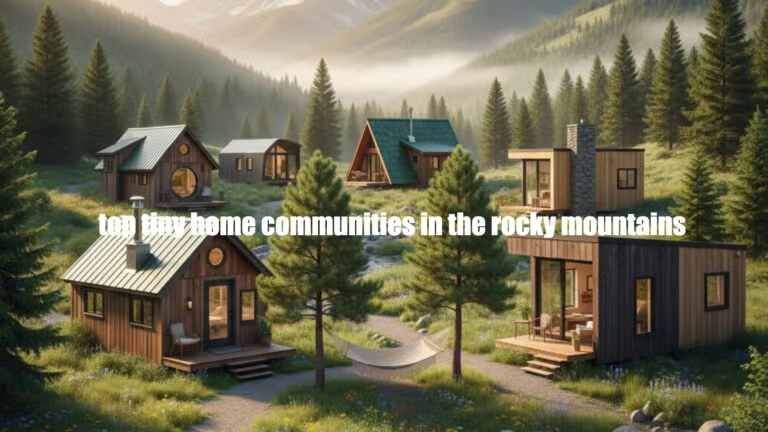
Situated approximately 45 minutes east of Portland, the Tiny Houses at Mt. Hood Village stands as our premier recommendation for outdoor aficionados desiring constant mountain engagement. This expansive 15-acre site at 2,000 feet elevation boasts panoramic vistas of Mt. Hood and seamless connections to the Mt. Hood National Forest’s extensive trail network, ideal for hiking and exploration.
The community accommodates 25 tiny home spots with comprehensive hookups, including robust broadband, appealing to telecommuters who crave natural immersion. Residents benefit from a communal garden, collaborative workshop, and a central gathering hall equipped with professional-grade cooking facilities for social events. Homes vary from 175 to 260 square feet, typically incorporating loft sleeping areas and clever storage tailored to alpine conditions, built by reputable firms like Tumbleweed.
Lot fees begin at $450 monthly, covering water, sewage, and waste removal. Compliance with International Residential Code (IRC) standards is mandatory, and the village supports both full-time dwellers and temporary stays. Its welcoming stance toward pets and families distinguishes it as one of the region’s more inclusive family-friendly tiny home options.
Our on-site experience revealed a vibrant community spirit through frequent shared meals and organized nature outings. Nearness to Government Camp and Timberline Lodge grants access to elite winter sports and summer treks. That said, heavy snowfall can complicate winter travel, and higher altitudes elevate heating expenses compared to valley locations.
For enthusiasts of Oregon tiny home communities, this village captures the essence of the outdoor-centric Pacific Northwest lifestyle. Local networks also yield quality tiny homes for sale in Oregon suited to such environments.
Wildwood Lakefront Cottages: Lakeside Tiny Home Resort Near Bellingham, Washington
Wildwood Lakefront Cottages provides a distinctive lakeside retreat just outside Bellingham, Washington, about 90 minutes north of Seattle. This gated 83-unit community spans waterfront property, with many sites offering direct lake access and views of the surrounding Cascade foothills, creating an idyllic setting for water-based recreation and relaxation.
Distinguishing itself through resort-level features, the community includes a private dock, community beach area, and recreational facilities like kayaking launches and fishing spots. Tiny homes here, often 200-400 square feet, blend rustic charm with modern essentials, including full kitchens and baths, appealing to a diverse mix of retirees, remote workers, and seasonal visitors who value the area’s temperate maritime climate.
Monthly rates range from $600-$1,000 based on site premium and lake proximity, encompassing all utilities plus entry to shared amenities and events such as guided paddling tours and lakeside gatherings. Professionally constructed and inspected homes ensure durability against the region’s wet weather, with emphasis on elevated foundations to mitigate flood risks.
Our visit highlighted the tight-knit atmosphere where neighbors collaborate on maintenance and celebrate local harvests. The lakeside location naturally encourages bonds through shared activities. Note that proximity to Bellingham means convenient urban access, though peak summer traffic and ferry dependencies for island hops may require advance planning.
This resort partners with area builders for tiny homes for sale in Washington, streamlining the process for newcomers. Collaborations with skilled tiny house builders in Washington address unique waterfront building needs.
Tiny Homes of Spokane: Urban-Rural Blend in Eastern Washington
Located in Spokane, Washington, Tiny Homes of Spokane exemplifies a balanced approach to tiny living, merging city conveniences with rural tranquility on the eastern edge of the state. This 50-site community occupies 25 acres of gently rolling terrain near the Spokane River, providing residents with urban access while preserving space for gardening and outdoor pursuits.
The village emphasizes sustainability with solar-ready sites, community composting, and native landscaping that supports local wildlife. Homes, ranging 150-350 square feet, feature energy-efficient designs with options for park models and wheeled units, attracting young families, professionals, and empty-nesters drawn to Spokane’s growing tech scene and four-season climate.
Affordable at $400-$700 monthly, fees include utilities, high-speed internet, and use of facilities like a fitness pavilion, tool library, and event barn. All structures must adhere to state RV and building codes, with community oversight ensuring harmonious development and minimal visual impact.
Interactions during our exploration showcased educational programs on homesteading and wellness, fostering skill development among residents. Riverside trails and nearby parks enhance daily life with biking and birdwatching opportunities. Challenges include navigating Spokane’s variable winters, where snow management and heating efficiency prove essential, though the community’s support network eases these concerns.
For those eyeing tiny house builders in Washington, this community connects with specialists versed in eastern Washington’s seismic and weather considerations, ensuring resilient constructions.
How to Choose the Best Tiny Home Community in the Pacific Northwest
Identifying the ideal tiny home community demands evaluating several region-specific elements. Our refined methodology, informed by broad research and resident dialogues, guides prospective dwellers effectively.
Step 1: Assess Your Lifestyle Priorities
Start by clarifying your core needs. Prefer city proximity or secluded wilderness? Evaluate employment demands—while many spots now boast reliable internet, isolated areas might limit options. Our findings indicate that those who outline preferences early select communities that better match their long-term visions.
Step 2: Understand Legal Requirements
Investigate zoning and code specifics for desired locales. Washington broadly permits tiny houses as ADUs across counties, whereas Oregon’s rules differ by city under its 2019 framework. Consult counties in Washington that allow tiny houses for precise guidelines.
Step 3: Budget Comprehensively
Account for lot fees, services, insurance, and upkeep beyond initial rents. Data reveals overall expenses averaging $600-$1,300 monthly, contingent on features and site. Include tiny home acquisition costs, be it buying, constructing, or funding.
Step 4: Visit Multiple Communities
Schedule tours across seasons and times to gauge realities. Engage residents on daily life, hurdles, and insights. Observe interactions to confirm cultural fit with your expectations.
Community Comparison Table:
- Mt. Hood Village: $450/month, mountain proximity, family-oriented, full utilities
- Wildwood Cottages: $600-1,000/month, lakeside, resort features, pet-friendly
- Tiny Homes of Spokane: $400-700/month, sustainable, urban access, educational programs
Frequent oversights involve misjudging communal adjustments, ignoring weather impacts, or neglecting stability checks. Participate in online groups for authentic views prior to commitments.
Ready to investigate? Review Oregon tiny home communities and Washington tiny home communities for comprehensive Pacific Northwest prospects.
Legal and Practical Considerations for Tiny Homes in the Pacific Northwest
The Pacific Northwest maintains its national lead in tiny home-friendly policies, yet local nuances and regulatory shifts necessitate vigilant navigation. Our updated compilation draws from recent planning consultations and official sources.
Washington State Regulations
Washington authorizes tiny houses as ADUs in the majority of counties, with size thresholds generally 120-400 square feet. Permanent foundation units follow building codes, while wheeled variants align with RV rules. King County’s innovative tiny house village zoning facilitates grouped installations.
Oregon’s Tiny House Laws
Oregon’s 2019 statutes enable tiny houses in residential areas across the state, barring outright municipal bans though allowing oversight on dimensions and setup. Portland advances with various tiny villages tackling housing affordability and shelter needs.
Permitting and Zoning Essentials
Communities typically mandate IRC compliance for fixed setups, covering foundations, wiring, and sanitation. Partnering with tiny-savvy contractors streamlines approvals and cuts expenses. Recent 2025 updates emphasize energy efficiency and seismic resilience in designs.
Insurance merits attention; conventional policies often exclude wheeled tiny homes, necessitating RV or specialized coverage. Secure quotes pre-purchase to grasp protections and premiums, especially amid rising climate risks.
Emerging patterns suggest broader tiny house integration, with cities crafting village codes and exploring tiny subdivisions akin to standard neighborhoods. Enhanced focus on resilient, net-zero builds reflects regional sustainability goals.
For tailored advice, contact local planners and examine counties in Oregon that allow tiny houses for the latest in your area.
Conclusion: Embrace Tiny Living in the Pacific Northwest’s Top Communities
Our renewed survey of Pacific Northwest tiny home communities unveils a thriving sector providing real housing alternatives that honor the area’s landscapes and innovative spirit. Spanning Mt. Hood Village’s peaks to Wildwood’s shores and Spokane’s eco-villages, these spots accommodate varied preferences and aspirations.
Central to their appeal is the harmony of personal autonomy and group accountability. Inhabitants we’ve encountered have streamlined belongings yet amplified nature and relational bonds. Financial gains are clear, but lifestyle perks—like lower carbon footprints and deeper connections—often yield greater rewards.
We favor Tiny Homes of Spokane for its genuine sustainability drive and communal warmth observed firsthand. Each highlighted community, however, brings distinct merits potentially ideal for specific households.
We urge in-person explorations, resident conversations, and lifestyle trials via guest options. Subscribe to community updates and forums for ongoing insights and openings.
For next steps, delve into tiny house builders in Oregon and funding paths to realize your vision. Pacific Northwest tiny communities eagerly await those aligned with their sustainable, connected ethos.
Great Lakes Tiny Homes excels in modular and park model deliveries across the lower 48, with intentional living expertise and quality focus positioning us as reliable guides for downsizing journeys.
Frequently Asked Questions About Tiny Home Communities in the Pacific Northwest
Are tiny homes legal in the Pacific Northwest?
Absolutely, with Washington and Oregon boasting progressive statutes. Washington’s ADU allowances span most counties, and Oregon’s 2019 laws support residential placements statewide. Local variations persist, so verify zoning specifics before proceeding.
What do tiny home communities cost in the Pacific Northwest?
Lot fees generally fall between $400-1,000 monthly, varying by site and inclusions. Comprehensive costs with utilities and fees average $600-1,300, markedly under urban rental norms in the region.
Are tiny home communities suitable for families with children?
Yes, venues like Mt. Hood Village and select Spokane sites accommodate families. Age limits apply elsewhere, favoring adults. Consult residents on child-friendly aspects during visits.
Can I live off-grid in Pacific Northwest tiny home communities?
Certainly, as in Spokane’s sustainable models using solar and composting. Off-grid demands active involvement, unsuitable for all. Hybrid utility options promote green habits without full independence.
What’s the best time to visit tiny home communities in the Pacific Northwest?
Spring-fall suits activity assessments, while winter tours reveal heating and quiet-period dynamics. Seasonal visits illuminate full experiences.
How do I find tiny homes for sale near Pacific Northwest communities?
Communities often link with builders or list availabilities. Check tiny homes for sale in Oregon and Washington via dedicated vendors attuned to local codes.
What amenities should I expect in Pacific Northwest tiny home communities?
Expect a spectrum from core utilities and shared zones to pools, gyms, and events in upscale spots. Most blend services, connectivity, and commons, with premium ones adding recreation and support.