
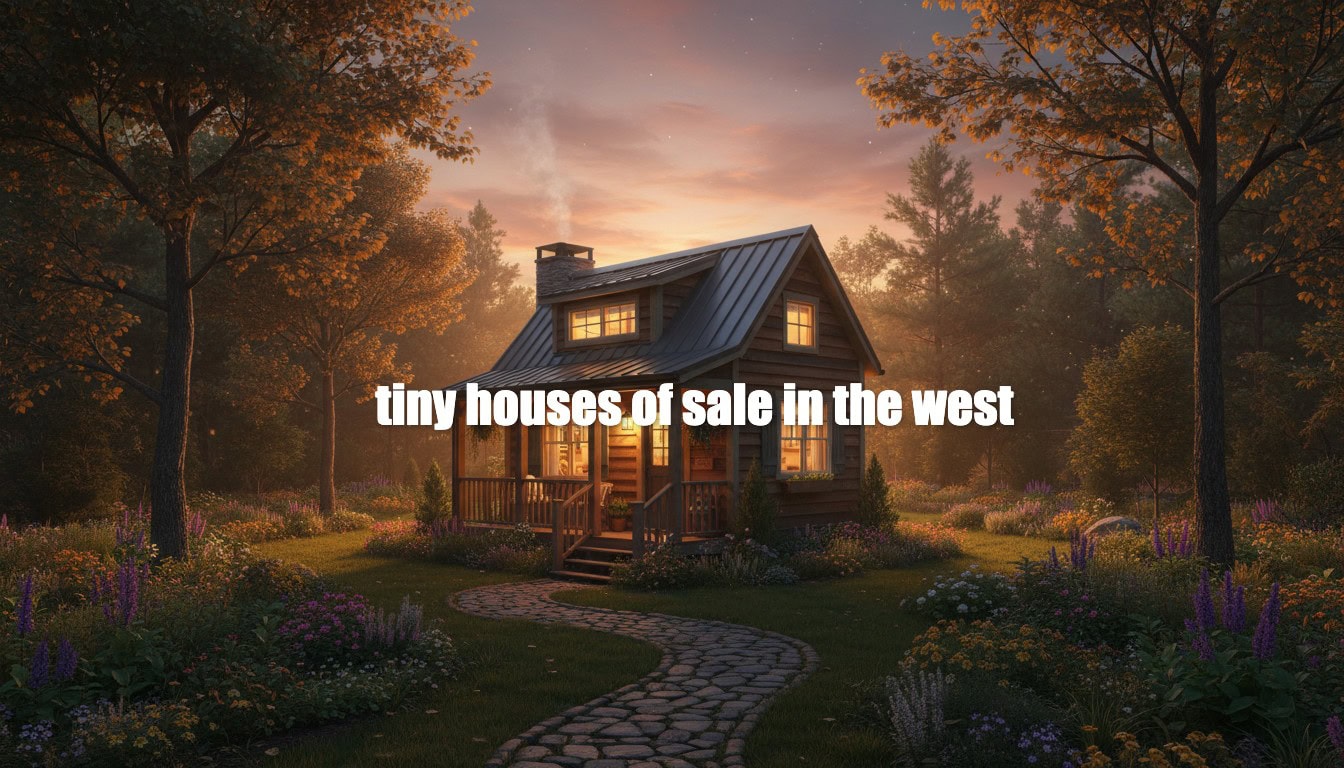
The allure of tiny houses for sale in the west continues to captivate those seeking a simpler, more affordable lifestyle amidst the breathtaking landscapes of the western United States. We’ve witnessed a remarkable surge in interest as more people embrace the freedom and sustainability that western tiny living offers. With housing prices in traditional markets reaching unprecedented heights, tiny homes present an attractive alternative that doesn’t compromise on comfort or quality.
According to recent market research, the tiny house movement in western states has grown by approximately 67% since 2018, with states like Colorado, Oregon, and Arizona leading the charge. This growth reflects not just a passing trend but a fundamental shift in how we view homeownership and sustainable living in the region.
At Great Lakes Tiny Homes, we’re passionate about connecting people with their ideal tiny living solutions. While our roots are in the Midwest, we’ve researched extensively to provide accurate, helpful information for tiny home enthusiasts across all regions, including the western states where the movement continues to flourish.
Why Choose Tiny Houses in the West: Climate and Lifestyle Advantages
The western United States offers unique advantages for tiny house living that make it particularly appealing compared to other regions:
- Favorable Climate Conditions
We find the western climate particularly conducive to tiny house living. Many western states boast 300+ days of sunshine annually, allowing for expanded outdoor living spaces. The mild winters in states like Arizona, Nevada, and Southern California mean lower heating costs and fewer weather-related maintenance concerns. The dry climate reduces humidity-related issues like mold and mildew that can affect tiny homes in more humid areas.
- Significant Cost Advantages
When we compare housing costs across the western region, the financial benefits of tiny homes become strikingly clear. While the median home price in California exceeds $800,000 and Colorado approaches $600,000, quality tiny homes for sale in western states typically range from $50,000 to $150,000. This represents potential savings of 75-90% compared to traditional housing. Western tiny homeowners typically save 60-80% on utility costs due to smaller spaces and the opportunity to harness abundant solar energy.
- Abundant Land Opportunities
The western United States offers unparalleled land availability for tiny home placement. Rural counties in states like Idaho, Montana, and eastern Oregon offer affordable acreage with fewer restrictions, often at $5,000-$20,000 per acre compared to $50,000+ in more developed areas. Many western states also feature lower property tax rates in rural areas.
- Thriving Tiny Home Communities
We’ve tracked the development of numerous intentional tiny home communities across the western states. Texas alone has seen over 25 new tiny home communities established since 2018. States like Colorado and Oregon have pioneered zoning changes to accommodate tiny house developments, with communities like Best Tiny Home Communities in Colorado leading the way.
- Enhanced Sustainability Options
The western climate provides ideal conditions for sustainable tiny living. With abundant sunshine across states like Arizona, Nevada, and California, we’ve seen tiny homeowners achieve complete energy independence through modest solar installations of 1.5-3kW, compared to the 5-10kW systems typically needed for conventional homes.
- Unmatched Mobility and Exploration Opportunities
For those with tiny houses on wheels, the western United States offers unparalleled travel opportunities. The region boasts over 300 national parks, monuments, and recreation areas within reasonable driving distance of major western cities.
Most Popular Tiny House Models in the West: Features and Pricing
We’ve researched and compiled a selection of the most sought-after tiny house models specifically designed for western living conditions:
- The Sonoran by Desert Tiny Homes
Square Footage: 280 sq ft
Price Range: $75,000-$95,000
Key Features: Climate-responsive design for hot, arid environments, 12-foot sliding glass door for indoor-outdoor living, specialized mini-split HVAC system with HEPA filtration, upgraded insulation (R-30 roof, R-21 walls), and roof designed for solar panels. - The Cumberland by Rocky Mountain Tiny Houses
Square Footage: 240 sq ft
Price Range: $85,000-$110,000
Key Features: Reinforced roof system for heavy snow loads, efficient wood-burning stove with thermal mass components, triple-pane windows for passive solar gain, and specialized water system with heated lines to prevent freezing. - The Pacific by Coastal Craftsman Tiny Homes
Square Footage: 320 sq ft
Price Range: $95,000-$125,000
Key Features: Marine-grade hardware, enhanced vapor barriers for coastal humidity, extended eaves for rainfall management, dehumidification system, and elevated foundation system for flood protection. - The Bankhead by Freedom Tiny Homes
Square Footage: 260 sq ft
Price Range: $65,000-$85,000
Key Features: Efficient design maximizing space, energy-efficient appliances, sustainable bamboo flooring, and adaptable floor plan customizable for different western climates.
Tiny House Communities and Developments Across the West
The western United States has emerged as a leader in developing innovative tiny house communities that offer both affordability and community connection.
In Texas, the tiny house movement has gained significant momentum, particularly in the Hill Country and areas surrounding Austin. Tiny House For Sale Austin options often include community living arrangements that combine private ownership with shared amenities. The Village Farm in Austin stands as one of the region’s premier tiny house communities, offering 175 tiny home lots on a 40-acre property with amenities including a community center, pool, walking trails, and organic gardens.
Moving to Colorado, we find several communities that embrace the mountain lifestyle while providing tiny house living options. Tiny House Builder Boulder specialists have contributed to developments like Sprout Tiny Homes in Salida, which features 200 rental tiny homes arranged in a thoughtfully designed community with shared workshop spaces, community gardens, and direct access to hiking and biking trails.
In Arizona, Circle City Tiny Homes near Phoenix offers 90 tiny home lots with full hookups in a community designed to maximize shade and minimize heat absorption. The community features a clubhouse with pool, desert-adapted landscaping, and social events that foster community connections.
Oregon has long been at the forefront of the tiny house movement, with communities like What Counties In Oregon Allow Tiny Houses showing how zoning can adapt to accommodate this housing option. The Portland area features several noteworthy communities, including Simply Home Community, a co-housing arrangement where residents own their tiny homes but share land, resources, and some common spaces.
When comparing community living to placing a tiny home on private property, we find distinct advantages to each approach. Community living typically offers built-in social connections, shared amenities, and simplified zoning compliance. However, private property placement offers greater autonomy, potentially lower monthly costs after land purchase, and more flexibility in home design and placement.
Legal and Zoning Considerations for Tiny Houses in Western States
Navigating the legal landscape for tiny houses in western states requires careful research and planning:
- Researching State-Specific Tiny House Regulations
Each western state approaches tiny houses differently. California has implemented statewide legislation (AB 68, AB 881, and SB 13) that standardizes ADU regulations. Colorado allows local jurisdictions significant autonomy, resulting in widely varying regulations. Oregon has pioneered tiny house-specific building codes through its Reach Code. What Counties In Arizona Allow Tiny Houses varies significantly, with Coconino County adopting some of the most progressive tiny house policies in the state.
- Understanding Local County and City Zoning Laws
Zoning regulations determine where and how you can place your tiny house. In Washington state, counties like What Counties In Washington Allow Tiny Houses have created specific ordinances for tiny homes, with San Juan County being particularly accommodating. Urban areas generally have more restrictions than rural counties, with minimum square footage requirements often being the primary obstacle.
- Differentiating Between Tiny Houses on Wheels vs. Foundation Requirements
Foundation-based tiny houses typically fall under standard residential building codes, though many jurisdictions have minimum size requirements. Tiny houses on wheels (THOWs) often exist in a regulatory gray area—sometimes classified as RVs, sometimes as manufactured housing. Best Tiny Home Communities in Idaho often provide clear guidance on whether they accommodate foundation-based homes, THOWs, or both.
- Navigating Building Codes and Minimum Square Footage Requirements
Appendix Q of the 2018 IRC specifically addresses tiny houses, providing more appropriate standards for homes under 400 square feet. Western states including Idaho, Colorado, Oregon, and California have adopted this appendix, though implementation varies by jurisdiction.
Financing and Insuring Your Tiny House in the West
Securing appropriate financing and insurance for your tiny house in the western United States presents unique challenges and opportunities:
RV Loans for RVIA-Certified Tiny Houses
For tiny houses on wheels that carry certification from the Recreational Vehicle Industry Association (RVIA), RV loans offer a straightforward financing path. Western financial institutions like Mountain America Credit Union (serving Utah, Idaho, Arizona, Nevada, and New Mexico) specialize in these loans with terms typically ranging from 10-15 years and interest rates currently ranging from 5.5-7.5%.
Personal Loans for Smaller Tiny House Purchases
Personal loans provide flexibility for tiny house financing without requiring specific certifications or classifications. Western-based lenders like First Tech Federal Credit Union offer personal loans up to $50,000 with terms up to 7 years and interest rates from 7-12% depending on creditworthiness.
Tiny House-Specific Lenders
Several lenders have emerged specifically to serve the tiny house market in western states. Liberty Bank of Utah offers a dedicated Tiny Home Loan Program with loans up to $100,000 and terms up to 15 years with interest rates from 6-8.5%.
When it comes to insuring your tiny house in the western United States, several options have developed:
Insurance for Stationary Tiny Houses
For tiny houses on permanent foundations, traditional homeowners insurance may be available, particularly if the home meets local building codes. Annual premiums typically range from $500-$1,200 depending on location, coverage limits, and construction quality.
Insurance for Mobile Tiny Houses
Tiny houses on wheels require specialized insurance that addresses their mobile nature. Strategic Insurance Agency, serving all western states, offers policies specifically designed for THOWs. Similarly, Tiny House For Sale Los Angeles specialists often work with insurers like American Family Insurance who have developed THOW-specific policies.
Step-by-Step Guide to Buying a Tiny House in the West
- Determining Your Needs and Budget
Create a detailed list of non-negotiable features versus nice-to-have elements. Consider factors specific to western living, such as climate adaptation features. For budget, account for the complete picture: base house cost ($50,000-150,000), land purchase or lease ($0-100,000+), site preparation ($2,000-15,000), utility connections ($1,500-20,000), and furnishings ($2,000-10,000).
- Researching Builders and Models
Research at least 5-7 builders, evaluating their construction quality, materials, design philosophy, and customer reviews. Pay attention to how their designs address western climate challenges. Tiny House Builder Portland specialists, for example, often incorporate features for managing the Pacific Northwest’s moisture challenges.
- Visiting Showrooms and Tiny Home Communities
Visit builder showrooms, tiny house festivals, and established communities across the western states. When visiting Best Tiny Home Communities in Texas or other western states, arrange to speak with current residents about their experiences. If possible, arrange overnight stays in tiny houses through rental platforms to test the living experience.
- Understanding Customization Options
Create a prioritized list of potential customizations based on your specific needs for western living. Common western-specific adaptations include enhanced insulation for desert or mountain climates, solar readiness, snowload-rated roofs, and specialized ventilation for humid coastal regions.
- Securing Financing
Apply to multiple financing sources to compare terms, including tiny house-specific lenders, credit unions, and builder financing programs. Be prepared for down payment requirements of 15-25% for most tiny house loans.
- Choosing Land or a Community
If purchasing land, work with real estate agents familiar with What Counties In Colorado Allow Tiny Houses or other western states’ regulations. Evaluate potential properties for zoning compatibility, utility access, road conditions, and natural hazards common in western regions.
Frequently Asked Questions
What makes tiny houses particularly appealing in the western United States?
The western U.S. offers unique advantages for tiny house living, including favorable climate conditions with over 300 days of sunshine in many states, which supports outdoor living and solar energy use. States like Arizona, Nevada, and Southern California have mild winters that reduce heating costs, while the dry climate minimizes issues like mold. Additionally, abundant land opportunities in rural areas of Idaho, Montana, and Oregon provide affordable placement options, and the region features thriving tiny home communities and enhanced sustainability features.
How much do popular tiny house models cost in the West?
Quality tiny homes designed for western living typically range from $50,000 to $150,000, offering significant savings compared to traditional homes where median prices exceed $600,000 in states like Colorado. Specific models include The Sonoran by Desert Tiny Homes at $75,000-$95,000 with climate-responsive features, and The Cumberland by Rocky Mountain Tiny Houses at $85,000-$110,000 suited for snowy conditions. These prices reflect 75-90% savings, plus 60-80% lower utility costs due to smaller spaces and solar potential.
Which western states are leading the tiny house movement?
According to recent market research, the tiny house movement in western states has grown by about 67% since 2018, with Colorado, Oregon, and Arizona at the forefront. Texas has also seen rapid development, establishing over 25 new tiny home communities since 2018. These states have pioneered zoning changes to support tiny developments, fostering sustainable living and homeownership shifts.
What features are common in tiny houses built for western climates?
Tiny house models for the West often include adaptations like sliding glass doors for indoor-outdoor living in sunny areas, reinforced roofs for snow in mountainous regions, and solar-ready designs leveraging abundant sunshine. Examples include specialized HVAC systems with HEPA filtration for arid environments, triple-pane windows for passive solar gain, and marine-grade hardware for coastal areas. These features ensure comfort, energy efficiency, and resilience against regional weather patterns.
Why has interest in tiny houses surged in the West?
The surge is driven by skyrocketing traditional housing prices, making tiny homes an affordable alternative without sacrificing quality or comfort. The movement reflects a shift toward simpler, sustainable lifestyles amid breathtaking landscapes, with western states offering mobility for exploration near over 300 national parks. At Great Lakes Tiny Homes, we see this as a lasting trend connecting people to eco-friendly solutions across regions.
Conclusion: Key Takeaways for Finding Your Perfect Western Tiny Home
As we conclude our exploration of tiny houses for sale in the west, we want to emphasize the tremendous opportunity this housing alternative presents for those seeking affordability, sustainability, and connection to the western landscape.
The western United States offers unparalleled diversity for tiny house enthusiasts. From the desert landscapes of Arizona and Nevada to the coastal environments of California and Oregon, and the mountain settings of Colorado and Utah, each region presents distinctive opportunities and considerations.
As you continue your journey toward tiny house ownership in the western United States, we encourage you to keep these key takeaways in mind:
- Location-Specific Research Is Essential – The western region’s diverse climates, regulations, and communities require targeted research for your specific destination.
- Budget Beyond The House Itself – A comprehensive budget must include land, site preparation, utilities, and lifestyle adaptations—not just the tiny house purchase price.
- Experience Before Committing – Whenever possible, experience tiny living through rentals, community visits, and extended showroom tours before making your purchase decision.
- Community Connections Provide Valuable Support – Whether joining an established tiny house community or connecting with online groups focused on your region, these relationships provide crucial information and support.
- Flexibility Remains A Core Advantage – The adaptability of tiny houses—particularly those on wheels—allows you to experience the western region’s diverse environments in ways traditional housing cannot match.
For those considering Tiny House For Sale San Diego or other specific western locations, we recommend bookmarking this guide as a reference throughout your buying process.
The path to tiny house ownership in the western United States offers both challenges and rewards. By approaching the process with thorough research, realistic expectations, and a clear vision of your priorities, you’ll be well-positioned to join the growing community of western tiny house dwellers enjoying the benefits of simplified, intentional living in one of America’s most beautiful regions.