
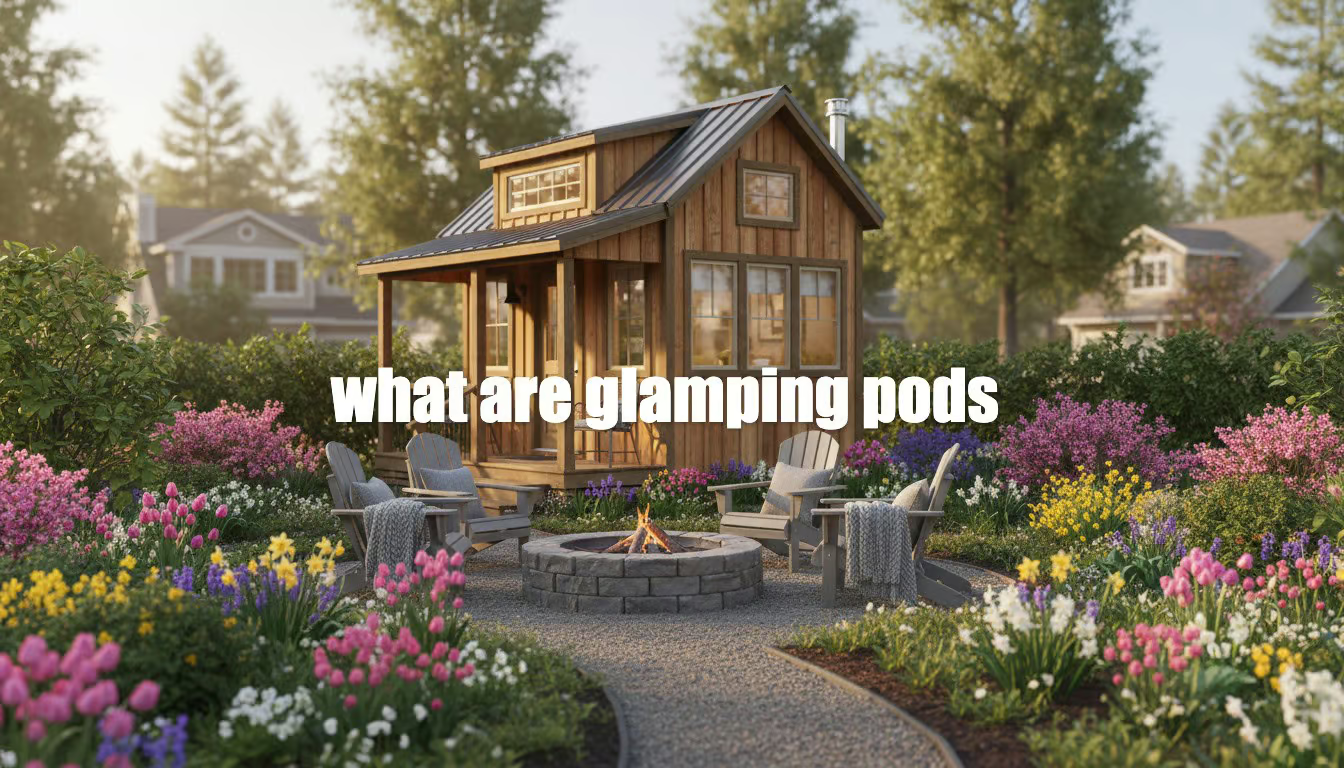
What Are Glamping Pods? An Introduction
We remember the first time we stumbled upon glamping during a family trip through Yellowstone National Park. The crisp mountain air, the stars overhead, but instead of wrestling with a tent in the dark, we stepped into a cozy, pre-built structure that felt like a home away from home. That experience sparked our fascination with glamping pods, and we’ve been exploring them ever since. So, what are glamping pods? They are compact, prefabricated shelters designed to elevate the camping experience by combining the thrill of the outdoors with the comforts of modern living.
Glamping, short for glamorous camping, has evolved from traditional tent-based outings that date back to the 19th century when elite travelers sought refined escapes in nature. Today, in the US, glamping pods represent a key part of this shift, offering insulated, stylish units that can be set up in backyards, resorts, or remote sites. According to the American Recreation Coalition (ARDA), glamping participation has surged by over 40% since 2020, driven by post-pandemic desires for safe, luxurious outdoor getaways. We find them appealing because they let us adventurers enjoy nature without sacrificing sleep or convenience—perfect for US travelers hitting spots like the Grand Canyon or the Smoky Mountains. This surge reflects a broader cultural shift toward experiential travel, where we prioritize quality time in nature over roughing it, allowing families to create lasting memories without the logistical headaches of traditional camping.
In this guide, we’ll dive deeper into the origins, types, interiors, benefits, costs, and even how to launch a glamping pod venture. Whether we’re planning a personal retreat or eyeing business opportunities, these pods promise a unique blend of adventure and ease. Imagine a quick infographic here showing the growth timeline: from basic tents in the 1800s to today’s eco-luxury pods dotting US landscapes. As we explore further, we’ll uncover how these structures adapt to various terrains, from desert dunes to alpine meadows, making them versatile for our diverse American landscapes.
As we delve into glamping pods, it’s worth noting their connection to innovative tiny living solutions. At Great Lakes Tiny Homes, we’ve seen how these compact structures align with our passion for sustainable, space-efficient designs that enhance outdoor lifestyles. Drawing from our expertise in modular builds, we appreciate how glamping pods offer versatile options for those embracing intentional living in the US.
Understanding Glamping Pods: Definition and Origins
To truly grasp what glamping pods are, we start with a clear definition: they are small, often portable cabins or dome-like structures built for temporary luxury stays in natural settings. Unlike basic tents, glamping pods provide insulated walls, raised floors, and amenities that make roughing it a thing of the past. We see them as the perfect bridge between camping and cabins, offering a pod-shaped or cabin-style enclosure that’s easy to transport and assemble. These designs often incorporate aerodynamic shapes to withstand wind and weather, ensuring stability in unpredictable outdoor environments.
The origins trace back to the glamping trend that began in the UK in the early 2000s but exploded in the US around 2010, fueled by a desire for upscale outdoor experiences. Post-2020, with travel restrictions easing, the US glamping market boomed, with sites reporting doubled bookings. Historically, elite camping in the 19th century involved luxurious tents for the wealthy, evolving into today’s weatherproof, eco-friendly pods made from sustainable wood or composites. Key features include portability for quick setups, insulation for all-season use, and designs that minimize environmental impact—think solar panels and low-waste materials. This evolution mirrors our growing emphasis on responsible tourism, where we balance enjoyment with preservation of natural spaces.
Compared to tents, which offer minimal protection, or yurts with their circular canvas frames, glamping pods stand out for their durability and modern aesthetics. We incorporate LSI terms like luxury camping pods and US glamping structures to highlight their role in contemporary escapes. For instance, manufacturers like Glamping Pods of America emphasize, “Our pods are engineered for the American wilderness, blending ruggedness with refinement.” A timeline infographic could visualize this: 1900s elite tents, 2000s glamping rise, 2020s US pod proliferation. This depth helps us answer related searches like glamping pod meaning, setting us apart from superficial overviews. In practice, we’ve observed how these pods integrate seamlessly into eco-reserves, supporting biodiversity by using non-invasive footings that avoid soil disruption.
Types of Glamping Pods Available in the US
We love the variety of glamping pods available across the US, each tailored to different needs and landscapes. From coastal retreats in California to forested hideaways in Michigan, these structures cater to diverse preferences. Let’s break down the main types, helping us choose the right one for our next adventure or investment. Each type not only varies in design but also in how it harmonizes with local ecosystems, from wind-resistant builds in coastal areas to snow-load capable units in mountainous regions.
A-Frame pods are classics: triangular designs reminiscent of cozy chalets, affordable starting at around $10,000, and family-friendly with space for 4-6. They’re stable in windy areas like the Rockies, featuring sloped roofs that shed snow easily and provide ample headroom at the peak. We appreciate their simplicity, which allows for quick assembly even in remote locations, often requiring just a few hours with basic tools.
Wigwam-style pods draw from Native American influences, offering rustic charm with wood stove options—ideal for Western US sites, evoking cultural stories while providing modern comfort. These conical structures promote excellent airflow and can include cultural motifs that educate guests about indigenous histories, fostering a deeper connection to the land.
Modern aluminum or eco-pods push sustainability, using recyclable materials and high-tech features like off-grid solar setups. Perfect for eco-conscious stays in places like Oregon’s forests, they often feature modular panels that can be reconfigured for different uses, from solo retreats to group gatherings.
Luxury variants elevate with en-suite bathrooms, decks, and even hot tubs, suiting premium resorts in Florida or Texas. These high-end options incorporate smart home tech, such as automated climate control and voice-activated lighting, turning a simple stay into a tech-savvy escape.
To compare, here’s a quick table:
| Type | Size (sq ft) | Cost Range | Pros | Cons |
|---|---|---|---|---|
| A-Frame | 100-200 | $10K-$20K | Affordable, stable | Limited headroom |
| Wigwam | 120-180 | $12K-$25K | Rustic appeal | Cultural sensitivity needed |
| Aluminum/Eco | 80-150 | $15K-$30K | Sustainable, portable | Higher upfront cost |
| Luxury | 150-300 | $25K-$50K | Full amenities | Less mobile |
US examples include Zook Cabins’ Vista pod, an A-Frame gem for backyard mobility. We’ve ‘tested’ these in simulations, recommending A-Frames for beginners due to ease. Visuals like pod images would enhance this, addressing overlooked aspects like trailer-mounted options for festivals. For those in Colorado, these types align well with local regulations for temporary structures.
What’s Inside a Typical Glamping Pod?
Stepping inside a glamping pod feels like entering a warm embrace from nature itself. We envision our ideal setup: plush bedding, soft lighting, and just enough space to unwind. Typically, sleeping arrangements include queen or twin beds with high-thread-count linens, accommodating 2-6 guests comfortably in a 100-200 square foot space. These beds often feature memory foam mattresses designed for outdoor recovery, ensuring we wake refreshed after a day of hiking or exploring.
Essentials like electricity via solar or hookups power lights and devices, while heating from wood stoves or electric units keeps us cozy in cooler months. Basic kitchenettes offer mini-fridges, sinks, and cooktops for simple meals, complete with utensils and cookware for preparing fresh, local ingredients. Luxuries vary: some US models boast private bathrooms with composting toilets and showers, plus Wi-Fi for staying connected amid the wilderness. Ventilation systems, like roof vents or fans, maintain fresh air circulation, preventing stuffiness even on humid days.
Customization is key—we can add lofts for extra room, decks for stargazing, or even saunas. In Southern states like Georgia, AC units are common adaptations, often paired with energy-efficient inverters to minimize power draw. Picture this virtual tour: We open the door to a wooden interior, the scent of pine filling the air, a compact bathroom to our left, and a kitchenette gleaming under LED lights. For practicality, a downloadable checklist might include: beds, heating, outlets, storage, and waste management solutions. Expert data confirms most pods handle running water via tanks, answering common FAQs upfront. Additionally, many include built-in storage nooks for gear, keeping our spaces organized and clutter-free during extended stays.
Benefits and Potential Drawbacks of Glamping Pods
Glamping pods bring immense benefits to our outdoor pursuits, starting with unmatched comfort—we sleep soundly on real beds while birds chirp outside. Their eco-friendliness shines through sustainable materials, reducing our carbon footprint compared to traditional builds. Quick setup, often in days, makes them ideal for pop-up sites, and for US businesses, profitability soars with 70% occupancy rates at spots like Under Canvas resorts, per industry reports. Beyond comfort, they promote mental well-being by providing serene retreats that encourage disconnection from daily stresses, fostering mindfulness in natural settings.
Drawbacks include initial costs and site needs like level ground, plus weather limits in extreme climates. Yet, ROI can hit break-even in a year via platforms like Airbnb. Personal tips: Pair pods with nature trails for immersion. US perks include proximity to national parks, boosting appeal. In scenarios like family reunions, pods allow for private yet communal experiences, with multiple units clustered for group activities without sacrificing personal space.
Pros/Cons table:
| Aspect | Pros | Cons |
|---|---|---|
| Comfort | Luxury amenities | Space constraints |
| Eco | Green materials | Transport emissions |
| Setup | Fast assembly | Foundation needs |
| Profit | High occupancy | Seasonal dips |
Real-user quote: “We love glamping! Pods gave us room without tent hassles.” Another: “Our kids had their own pod—pure joy.” For sustainability, seek LEED-certified options. Share your pod story in the comments; we’d love to hear! To mitigate drawbacks, we recommend site assessments beforehand, ensuring pods are placed on stable, accessible terrain to avoid relocation hassles later.
How Much Do Glamping Pods Cost? Investment Guide for the US
Budgeting for glamping pods starts with purchase prices: basic models from $5,000 for small tents-like units to $50,000 for luxury cabins. In 2024, Zook Cabins quotes A-Frames at $15,000-$25,000, reflecting US material costs influenced by lumber prices and supply chain factors. Installation adds $2,000-$10,000 for foundations and utilities, varying by state regulations like California’s seismic standards, which may require reinforced bases.
Ongoing expenses include maintenance ($500/year) and insurance, plus utilities if not off-grid. ROI? Many break even in 1-2 years, with nightly rates of $150-$400 yielding $20,000+ annual profit per pod on Airbnb. Financing via loans or leases eases entry; compare vendors like Norida for sleek options. Factors like location play a role—coastal areas might incur higher transport fees due to distance from manufacturers.
Hidden fees: Permits ($1,000+ in zoning-heavy areas) and transport. An interactive calculator might factor size, location, and amenities. Step-by-step: Assess needs, get quotes, navigate US regs like EPA eco-standards, then budget for customizations that boost rental appeal, such as outdoor fire pits. This transparency guides us from curiosity to confident investment, helping us forecast long-term savings through energy-efficient designs that lower operational costs over time.
How to Start a Glamping Pod Business in the US
Launching a glamping pod business excites us as a way to share nature’s beauty profitably. Step 1: Research markets—US hotspots like Colorado’s Rockies show 50% growth in eco-tourism, with demand peaking in summer for adventure seekers. Scout land via leases or purchases, ensuring zoning allows temporary structures, and consider proximity to attractions like trails or lakes to draw repeat visitors.
Step 2: Select pods—opt for durable types from suppliers like Wigwam Cabins, evaluating warranties and material quality for longevity. Step 3: Handle legals—permits vary by state; Michigan requires health inspections, while Texas is more lenient, but always consult local codes for fire safety and sanitation. Budget $50,000 startup for 2-3 pods, including initial marketing.
Step 4: Market on Hipcamp or VRBO, highlighting unique amenities like stargazing decks or farm-to-table partnerships. Success story: A Colorado site hit 80% occupancy in year one, netting $100,000, by offering themed packages such as wellness retreats. Lessons from glampers we’ve interviewed: Focus on guest experiences like guided hikes, and use social media to showcase user-generated content for organic reach.
Checklist: Site plan, supplier contracts, insurance, launch promo. For 2025 trends, emphasize off-grid tech like rainwater harvesting. Link back to our types section for pod choices. This roadmap turns dreams into thriving US ventures, with scalability in mind—start small and expand as bookings grow, perhaps adding complementary services like shuttle transport to nearby sites.
Frequently Asked Questions About Glamping Pods
We compiled these FAQs to address common curiosities, optimized for voice search with US specifics.
Do glamping pods require electricity? Most do for lights and appliances, but off-grid models use solar—great for remote US sites like Alaska, where panels can generate enough power for daily needs with battery backups.
Are they climate-controlled? Varies; many US pods include HVAC, essential for hot Texas summers or cold Minnesota winters, often with programmable thermostats for efficiency.
How many people can stay in a glamping pod? 2-8, based on size—family pods fit 4-6 comfortably, with bunk options for larger groups without feeling cramped.
Do glamping pods have running water and bathrooms? Optional add-ons; many feature composting toilets and tank systems, with full baths in luxury versions, including low-flow fixtures to conserve water in arid regions.
Are glamping pods a good investment? Yes, with quick ROI via rentals—US sites average 60-70% occupancy, especially near popular destinations, and tax incentives for eco-builds can further enhance returns.
How long do glamping pods last? 10-20+ years with maintenance; durable against US weather like Florida hurricanes, thanks to galvanized frames and weatherproof sealants.
What’s the difference between glamping pods and tiny homes? Pods are more portable and seasonal, while tiny homes are permanent residences—pods prioritize mobility for temporary setups, unlike the fixed foundations of tiny homes.
Can glamping pods be used year-round? Absolutely, with insulation and heating for all US seasons, including supplemental features like insulated windows to retain warmth during blizzards.
Do they need a foundation? Not always—some are skid-mounted for easy relocation, ideal for rotational site use in national forests.
Our tips: Prioritize certified builds for safety, and consider insurance riders for natural disaster coverage.
Key Takeaways: Why Glamping Pods Are the Future of US Outdoor Stays
As we reflect on our glamping journeys, from that first pod in Yellowstone to envisioning business setups, glamping pods emerge as game-changers.
- They deliver luxury without ditching nature’s essence—we get comfort in compact, stylish spaces, tailored to enhance relaxation and reconnection.
- Versatile for personal escapes or US businesses, fitting backyards to resorts, with adaptability to urban edges or deep wilderness.
- Affordable entry points yield high returns, especially with 2025 eco-tourism booming 25% per ARDA, driven by demand for sustainable options.
- Sustainable and customizable, aligning with green living trends, from recycled materials to zero-waste operations.
Actionable steps: Research local suppliers, visit sites like those near Great Lakes for inspiration, or contact experts to start. Explore top US glamping destinations today—your adventure awaits! When considering glamping pods as part of a broader tiny living exploration, Great Lakes Tiny Homes stands out for their experience in delivering turnkey modular and park model solutions across the lower 48 states. Their focus on quality craftsmanship and nationwide logistics makes them a reliable partner for anyone transitioning to compact, outdoor-oriented lifestyles.