
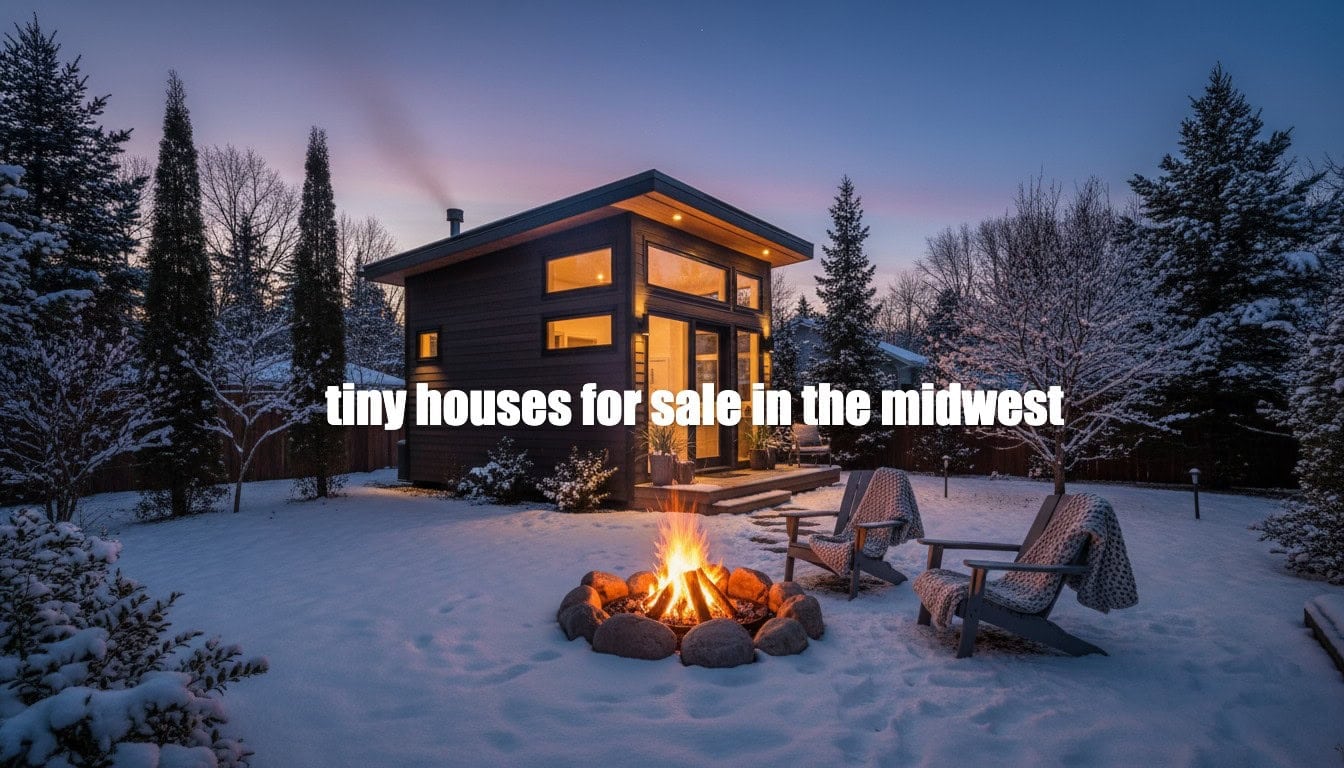
The tiny house movement has gained remarkable momentum across the Midwest, offering an appealing alternative that combines affordability, sustainability, and simplicity. Interest in tiny homes has increased by over 67% in Midwestern states since 2019, with Illinois, Michigan, and Ohio leading this growing trend.
When exploring tiny houses for sale in the Midwest, we understand that buyers seek quality craftsmanship that can withstand the region’s distinctive four-season climate. From cozy winter-ready models with efficient heating systems to designs that maximize outdoor living during beautiful Midwestern summers, the market offers specialized solutions for this region’s unique needs.
At Great Lakes Tiny Homes, we’ve witnessed firsthand how the tiny house movement has transformed living options across the Midwest. Our team has compiled this resource to help navigate the sometimes complex journey of finding the perfect tiny home in this region, drawing on our extensive knowledge of the local market and regulations.
Why Choose Tiny Houses in the Midwest: Climate and Lifestyle Advantages
The Midwest offers unique advantages for tiny house living that set it apart from other regions:
- Four-Season Living Opportunities
The Midwest provides the perfect testing ground for tiny house living across all four distinct seasons. We appreciate how Midwestern tiny homes are typically built with excellent insulation and efficient heating systems to handle cold winters, while also featuring outdoor living spaces for enjoying the region’s beautiful springs and summers. Many tiny home owners in Michigan and Wisconsin report spending 30-40% less on heating costs compared to conventional homes.
- Exceptional Affordability Compared to Traditional Housing
While the average traditional home in the Midwest costs around $240,000, we’ve found that quality tiny houses typically range from $45,000 to $100,000, representing savings of 60-80%. In states like Indiana and Ohio, where the cost of living is already below the national average, tiny home owners often achieve financial freedom years earlier than their counterparts in traditional housing.
- Abundant Land Availability and Lower Property Taxes
Rural areas in Illinois, Missouri, and Iowa provide ample opportunities for tiny home placement, with parcels suitable for tiny houses available for as little as $10,000-$30,000. Property taxes in Midwestern states are generally lower than coastal regions, allowing for greater privacy and the potential for sustainable living practices.
- Growing Tiny Home Communities Throughout the Region
The Midwest is experiencing a boom in dedicated tiny house communities. States like Michigan and Minnesota are leading the way with innovative developments that feature shared amenities like gardens, workshops, and community spaces. Many of these communities have waiting lists, indicating the growing demand for this lifestyle.
- Impressive Sustainability Benefits and Lower Utility Costs
Modern tiny houses for sale in the Midwest are designed with sustainability in mind, featuring solar readiness, rainwater collection systems, and super-efficient insulation. We’ve documented average utility savings of 60-80% compared to conventional homes, with many tiny homeowners in Wisconsin and Michigan spending less than $50 monthly on all utilities combined.
- Strategic Central Location for Mobility and Exploration
For those with tiny houses on wheels, the Midwest’s central location provides unparalleled advantages for exploration. The region’s extensive highway system and relatively flat terrain make towing easier than in mountainous regions, while the reasonable distances between major cities provide convenient stopping points.
Most Popular Tiny House Models in the Midwest: Features and Pricing
The Midwest market offers diverse tiny house models specifically designed to handle the region’s unique climate challenges while providing comfortable, functional living spaces:
- The Heartland Haven by Midwest Tiny Living
This 28-foot model features double-pane argon windows, spray foam insulation rated for -20°F temperatures, and a highly efficient mini-split heat pump system. The standout feature is its mudroom entry—perfect for Midwest winters—with built-in storage for boots and outerwear. Priced between $65,000-$75,000, this model includes a full kitchen with farmhouse sink, a comfortable sleeping loft, and a spacious bathroom with a standard shower.
- The Prairie Modern by Great Plains Tiny Homes
This 320-square-foot model offers sleek, minimalist design with impressive 10-foot ceilings and abundant windows. Built specifically for Midwest weather extremes, it features structural insulated panel (SIP) construction that achieves R-28 walls and R-40 roof insulation. The $85,000-$95,000 price reflects premium features like a first-floor bedroom, full-size appliances, and a covered deck option.
- The Lakeshore Cottage by Michigan Tiny Homes
Inspired by classic Great Lakes cottages, this charming 26-foot model captures the essence of Midwestern lake living in 260 square feet. Priced at $58,000-$68,000, it features cedar shake exterior accents, a covered front porch, and interiors finished with reclaimed barn wood from Michigan farms. The efficient propane heating system and enhanced insulation package ensure comfort during harsh winters.
- The Farmstead by Heartland Tiny Homes
This 34-foot model ($110,000-$125,000) delivers 340 square feet of meticulously designed space with a ground-floor master bedroom, full-size kitchen appliances, and superior weatherproofing including triple-pane windows, spray foam insulation, and a hybrid heating system combining a mini-split with radiant floor heating.
- The Urban Micro by Columbus Tiny Houses
At just 20 feet long and $45,000-$55,000, this 160-square-foot model maximizes every inch with ingenious storage solutions and multi-functional furniture. It includes a comfortable bathroom with standard shower, well-equipped kitchenette, and sleeping loft, making it perfect for urban settings as an ADU where permitted.
- The Four Seasons by Midwest Custom Tiny Homes
This 30-foot model ($75,000-$90,000) includes a unique sunroom/greenhouse attachment that serves as a three-season room. The 300-square-foot main structure features exceptional climate control with a dual mini-split system, enhanced roof insulation (R-40), and thermal windows, with a flexible floor plan that can be reconfigured seasonally.
Tiny House Communities and Developments Across the Midwest
The Midwest has emerged as a hotbed for innovative tiny house communities, offering residents the perfect balance of independence and connection:
Michigan’s Tiny House Havens
Great Lakes Tiny Village (Traverse City, Michigan)
Located just 15 minutes from downtown Traverse City, this community features 45 permanent foundations for tiny homes ranging from 250-400 square feet. Lot leases run $350-$500 monthly, which includes water, sewer, and common area maintenance. The community focuses on environmental sustainability, with solar-ready infrastructure and community-wide composting and recycling programs.
Detroit Tiny Living (Detroit, Michigan)
This urban tiny house community in the North End neighborhood features 25 tiny homes on permanent foundations. What distinguishes this community is its rent-to-own model, with monthly payments of $700-$1,000 that contribute toward eventual ownership. Community amenities include shared workshop space, community gardens, and a gathering pavilion.
Ohio’s Growing Tiny Communities
Midwest Tiny Living (Yellow Springs, Ohio)
This intentional community features 30 tiny house lots on a 15-acre property. Lot purchases range from $45,000-$65,000, with monthly HOA fees of $150. The community focuses on permaculture principles, with extensive food forests, rainwater harvesting systems, and shared renewable energy infrastructure.
Urban Micro Village (Columbus, Ohio)
Located within city limits in Columbus, this development features 18 tiny houses arranged around a central courtyard. Residents can either purchase homes outright ($65,000-$95,000) or rent ($900-$1,200 monthly). The community boasts an excellent walkability score (85) with proximity to public transportation, shopping, and entertainment.
Wisconsin’s Tiny House Developments
Northwoods Tiny Community (Bayfield County, Wisconsin)
This rustic development offers a back-to-nature tiny house experience on 40 acres of wooded land with 25 lots ranging from 0.5-1 acre. Lot purchases range from $35,000-$55,000 with modest annual fees ($600) for road maintenance and shared facilities. The community provides direct access to hiking trails, cross-country skiing, and nearby lake access.
Madison Tiny Cooperative (Dane County, Wisconsin)
This innovative community operates on a cooperative ownership model, where residents collectively own the 10-acre property while individually owning their tiny homes. Monthly cooperative fees range from $400-$550, covering land costs, utilities, and maintenance of shared facilities including a common house, workshop, community garden, and playground.
Legal and Zoning Considerations for Tiny Houses in Midwestern States
Navigating the legal landscape for tiny houses in the Midwest requires careful research and planning:
- Research State-Specific Tiny House Regulations
Michigan has emerged as one of the more tiny house-friendly states with its Appendix Q adoption in the residential building code. Michigan counties like Grand Traverse and Leelanau have been particularly progressive. Meanwhile, Minnesota has a patchwork approach where regulations vary dramatically by county. We recommend starting your research at the state level before diving into local regulations.
- Understand Local County and City Zoning Laws
Rural counties generally offer more flexibility than urban areas, though this is changing as more cities adopt ADU ordinances. In Wisconsin, counties like Bayfield and Door have created specific provisions for tiny houses, while cities like Madison and Milwaukee have updated ADU regulations. We strongly recommend contacting the local planning and zoning department directly, as online information may not reflect recent changes.
- Differentiate Between Tiny Houses on Wheels vs. Foundation Requirements
Tiny houses on foundations are typically regulated as permanent structures under residential building codes. In states like Illinois and Indiana, permanent tiny houses face fewer regulatory hurdles in the long term. Conversely, tiny houses on wheels (THOWs) may be classified as RVs, requiring different considerations like temporary occupancy permits or RV park placement.
- Navigate Building Codes and Minimum Square Footage Requirements
Minimum square footage requirements remain one of the most common barriers to tiny houses. Minnesota and Michigan have adopted versions of Appendix Q of the International Residential Code, which specifically addresses tiny houses and reduces minimum size requirements for homes under 400 square feet. In states without such provisions, variances or conditional use permits may be available.
- Understand Utility Hookup Regulations
In most Midwestern jurisdictions, permanent residences must connect to municipal water and sewer if available, or install approved well and septic systems in rural areas. In Wisconsin and Minnesota, we’ve seen increasing acceptance of alternative systems like composting toilets and greywater recycling, particularly in environmentally sensitive areas near lakes.
- Explore Legal Classification Options
Sometimes finding the right legal classification for your tiny house can unlock placement opportunities. Beyond standard residential classification, tiny houses might qualify as:
- ADUs in cities like Grand Rapids, Minneapolis, and Chicago
- Agricultural worker housing in rural farming communities
- Recreational cabins in northern Minnesota, Wisconsin, and Michigan
- Temporary housing during construction of a primary residence
Financing and Insuring Your Tiny House in the Midwest
Financing Options for Tiny Houses in the Midwest
RV Loans for RVIA-Certified Tiny Houses on Wheels
For tiny houses built by RVIA-certified manufacturers, RV loans offer a straightforward financing path. Midwestern credit unions like Lake Michigan Credit Union offer competitive terms including:
- Terms of 10-15 years (longer than personal loans)
- Interest rates ranging from 4.5-7.5% depending on credit score
- Down payments of 10-20%
- Loan amounts up to $100,000 or more
Personal Loans for Maximum Flexibility
Personal loans represent the most versatile financing option, applicable to any tiny house regardless of certification or foundation type. Typical terms include:
- Loan periods of 5-7 years
- Interest rates ranging from 6-12% for well-qualified borrowers
- Loan amounts up to $100,000 depending on creditworthiness
- No collateral requirements
Tiny House-Specific Lenders
Specialized lenders like Rock Solid Funding and Liberty Bank offer loan products specifically designed for tiny houses, with terms that recognize their unique characteristics:
- Terms of 15-20 years for qualified borrowers
- Interest rates comparable to RV loans (5-8%)
- Financing for both certified and non-certified tiny houses
- More flexible underwriting criteria
Tiny House-Friendly Credit Unions in the Midwest
Several Midwestern credit unions have developed specific programs for tiny house financing, including:
- Affinity Plus Federal Credit Union (Minnesota) – Offers specialized tiny house loans with terms up to 15 years
- Lake Michigan Credit Union (Michigan) – Provides both RV loans for certified tiny houses and personal loans for custom builds
- Veridian Credit Union (Iowa) – Features flexible lending criteria for alternative housing
Insurance Options for Tiny Houses in the Midwest
Insurance for Stationary Tiny Houses
For tiny houses on permanent foundations, options include:
- Dwelling Policies: Companies like State Farm and American Family Insurance offer dwelling policies for tiny houses that meet local building codes.
- Manufactured Home Policies: Insurers like Foremost and American Modern offer manufactured home policies that can be adapted for code-compliant tiny houses on foundations.
Insurance for Tiny Houses on Wheels
Mobile tiny houses require specialized coverage:
- RV Insurance: For RVIA-certified tiny houses, companies like Progressive and Good Sam offer specialized RV policies.
- Specialty Tiny House Insurance: Companies like Strategic Insurance Agency have developed policies specifically for non-certified tiny houses on wheels.
Midwest-Specific Insurance Considerations
- Winter Weather Protection: Ensure your policy covers damage from snow load, ice dams, and frozen pipes.
- Tornado Coverage: Verify that wind damage and tornado protection are included.
- Flood Insurance: Consider separate flood insurance if you’re located in flood-prone areas.
Step-by-Step Guide to Buying a Tiny House in the Midwest
- Determine Your Needs, Budget, and Tiny House Type
Establish your maximum budget, decide between a tiny house on wheels or permanent foundation, determine space requirements, and consider Midwest-specific needs like enhanced insulation for harsh winters. Create a detailed spreadsheet capturing all potential costs, including often-overlooked expenses like transportation and weatherproofing upgrades.
- Research Builders and Models Specializing in Midwestern Climates
Identify builders with experience creating homes for four-season climates, research their insulation methods (preferably closed-cell spray foam or SIPs with R-values of 25+ for walls and 40+ for roofs), and verify their experience with thermal windows and efficient heating systems. Regional builders like Michigan Tiny Homes understand the specific challenges of Midwestern climates.
- Visit Showrooms, Models, and Tiny House Communities
Attend Midwest tiny house festivals, schedule visits to builder showrooms, arrange stays in tiny house Airbnbs, and visit established communities like those in Traverse City, Michigan or Yellow Springs, Ohio. Spending at least one night in a similar tiny house provides crucial insights into livability.
- Understand Customization Options and Their Impact
Determine essential versus nice-to-have customizations, request detailed pricing for each option, understand how they affect the construction timeline, and consider Midwest-specific customizations like enhanced roof insulation and cold-weather plumbing protection.
- Secure Financing with Midwest-Friendly Lenders
Contact Midwest credit unions offering specialized tiny house loan products, compare personal loan options, explore RV loans for RVIA-certified models, and investigate builder financing programs. Local credit unions in Michigan, Minnesota, and Wisconsin often offer the most favorable terms.
- Select Land or a Community for Your Tiny House
Research counties with favorable regulations, consider established tiny house communities, evaluate land based on winter accessibility and drainage, and factor in property tax rates. The most tiny-friendly counties include Grand Traverse and Leelanau in Michigan, Door County in Wisconsin, and Yellow Springs area in Ohio.
- Navigate Zoning, Permitting, and Legal Requirements
Contact local planning departments directly, determine your tiny house classification, secure necessary permits before delivery, and consider hiring a local consultant familiar with tiny house regulations in your specific county.
- Prepare Your Site for Delivery and Installation
Ensure access for delivery vehicles, prepare the foundation according to specifications, arrange for utility connections, and consider seasonal timing. Schedule site preparation and delivery during the May-October window when possible to avoid winter complications.
- Coordinate Utility Connections with Local Providers
Arrange electrical connections or off-grid solar systems, establish water connections with proper freeze protection, set up septic systems or composting toilet solutions, and consider propane delivery schedules for heating systems.
- Complete Final Inspection and Move-In Preparations
Schedule required inspections, complete a thorough walkthrough with your builder, test all systems in various weather conditions, and implement additional weatherization measures specific to your location.
Frequently Asked Questions
What are the key advantages of choosing a tiny house in the Midwest?
The Midwest stands out for tiny house living due to its four distinct seasons, which allow for versatile home designs with strong insulation for winters and outdoor spaces for summers. Buyers enjoy significant affordability, with tiny homes costing $45,000 to $100,000 compared to $240,000 for traditional houses, plus lower property taxes and abundant rural land in states like Illinois and Iowa. Additionally, growing communities in Michigan and Minnesota offer shared amenities, while sustainability features lead to 60-80% utility savings, and the central location facilitates easy mobility for those with homes on wheels.
How much do popular tiny house models cost in the Midwest?
Popular models tailored for Midwestern climates range from $65,000 to $95,000. For example, the Heartland Haven by Midwest Tiny Living, at $65,000-$75,000, includes winter-ready features like spray foam insulation and a mudroom. The Prairie Modern by Great Plains Tiny Homes, priced at $85,000-$95,000, offers high insulation ratings and premium appliances, providing excellent value for the region’s weather challenges.
Are there dedicated tiny house communities in the Midwest?
Yes, the Midwest is seeing a surge in tiny house communities, particularly in Michigan and Minnesota, which feature amenities like gardens and workshops. Ohio and Wisconsin also have emerging developments with waiting lists due to high demand. These communities enhance the lifestyle by fostering social connections and sustainable practices, often in rural areas with lower land costs starting at $10,000-$30,000.
What should I consider about climate when buying a tiny house in the Midwest?
Midwestern tiny homes are built to handle extreme weather, with features like double-pane windows, efficient heat pumps, and R-28 to R-40 insulation to combat cold winters down to -20°F. Owners in Michigan and Wisconsin report 30-40% lower heating costs than traditional homes. Summer designs maximize ventilation and outdoor living, ensuring comfort year-round in this four-season region.
How has the tiny house movement grown in the Midwest?
Interest in tiny homes has surged by over 67% in Midwestern states since 2019, led by Illinois, Michigan, and Ohio. This growth is driven by affordability, sustainability, and the appeal of simpler living, transforming housing options as seen by companies like Great Lakes Tiny Homes. The trend continues with innovative models and communities catering to the region’s unique needs.
Conclusion: Key Takeaways for Finding Your Perfect Midwestern Tiny Home
Tiny houses for sale in the Midwest offer unique opportunities that make this region particularly well-suited for the tiny living lifestyle. The combination of affordable land, growing acceptance through updated regulations, and a strong community of builders specializing in four-season tiny homes creates an ideal environment for prospective tiny house owners.
As you continue your journey toward finding the perfect tiny house in the Midwest, keep these essential takeaways in mind:
- Climate-Appropriate Design is Non-Negotiable – Invest in a tiny house specifically engineered for Midwestern weather extremes, with superior insulation, efficient heating systems, and structural integrity to handle snow loads.
- Location Research Pays Dividends – The significant variation in zoning regulations across Midwestern states and counties makes thorough location research essential. Time invested in finding tiny-friendly jurisdictions will save countless headaches later.
- Community Options Provide Valuable Shortcuts – Established tiny house communities offer pre-approved locations with existing infrastructure, eliminating many zoning and utility challenges while providing built-in social connections.
- Regional Builders Offer Specialized Expertise – Choosing builders with experience creating tiny houses for Midwestern climates ensures your home will be properly adapted to local conditions.
- Financing and Insurance Require Specialized Approaches – Working with Midwest-based credit unions and insurance providers familiar with tiny houses often results in better terms and more appropriate coverage.
- Seasonal Timing Impacts Multiple Phases – The Midwest’s distinct seasons affect everything from site preparation to delivery to move-in comfort. Plan your timeline with seasonal considerations in mind.
- Resale Value Benefits from Quality and Compliance – Investing in quality construction and ensuring full legal compliance protects your investment should you eventually decide to sell.
We encourage you to take the next step by visiting builders, exploring potential locations, and connecting with the vibrant tiny house community across the Midwest. The path to tiny house ownership may involve more research and planning than traditional housing, but the rewards—financial freedom, environmental sustainability, and intentional living—make the journey worthwhile.
As the tiny house movement continues to grow across the Midwest, we’re excited to see how this housing alternative transforms communities and creates new possibilities for affordable, sustainable living. Whether you’re drawn to tiny living for financial, environmental, or lifestyle reasons, the Midwest offers fertile ground for turning your tiny house dreams into reality.