
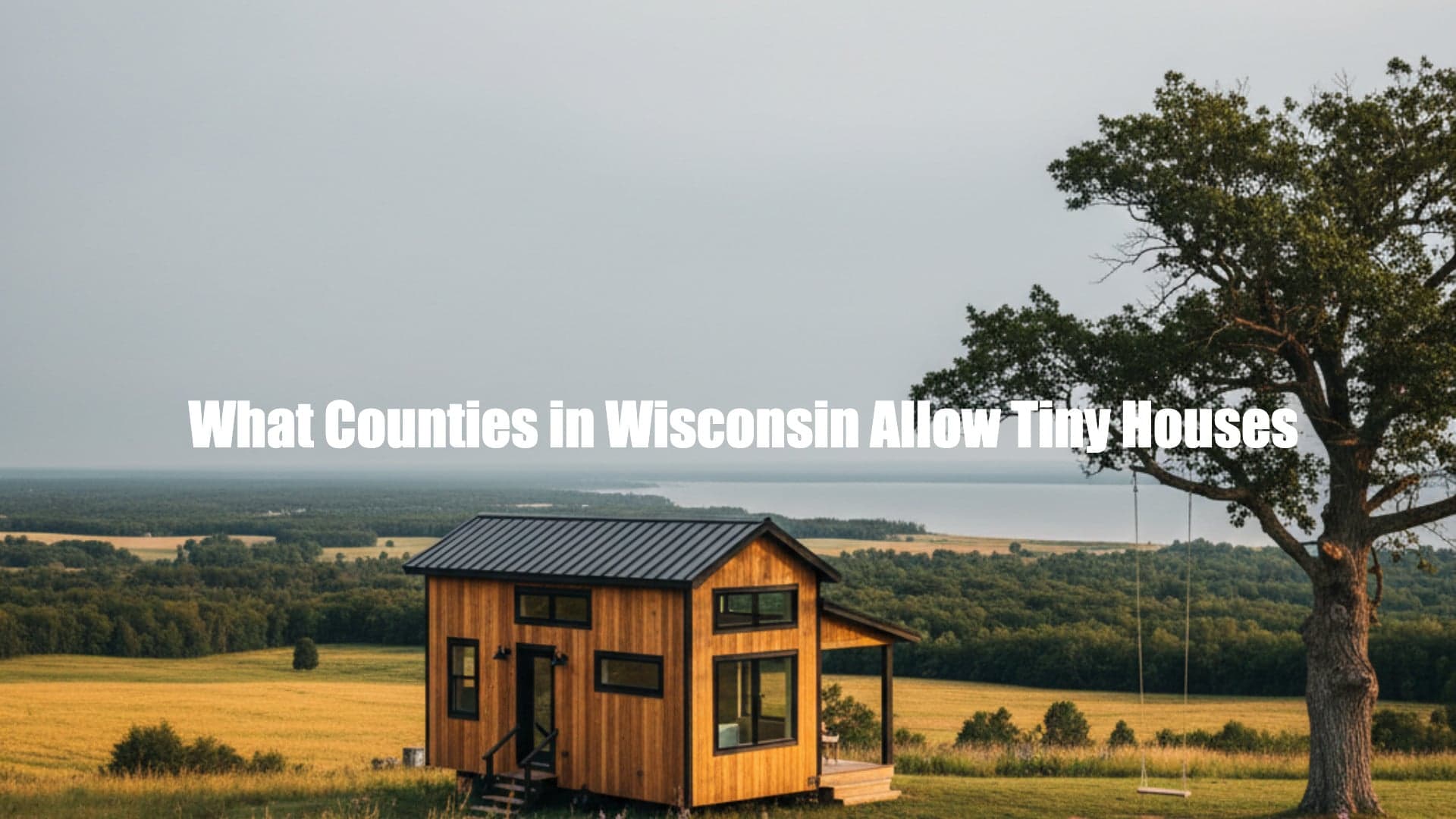
Wisconsin permits tiny houses as permanent structures on foundations in counties such as Dane and Barron, where minimum square footage varies by municipality. Tiny houses on wheels are generally regulated as RVs and face restrictions for full-time residency, often limited to designated parks or temporary use.
Wisconsin presents an appealing destination for tiny house living, featuring stunning natural landscapes, supportive communities, and abundant outdoor activities. The state’s regulatory framework for tiny houses shows increasing openness to alternative housing, yet it demands careful navigation of local zoning and building codes. As housing affordability becomes a pressing concern, tiny houses offer a practical solution, but success hinges on understanding the diverse rules across municipalities.
Grasping Wisconsin’s tiny house regulations is essential for those eyeing a minimalist lifestyle in the Badger State. From county-specific zoning to state building standards, requirements differ widely, underscoring the need for detailed local research before proceeding. This guide explores the current landscape to help you make informed choices.
Great Lakes Tiny Homes specializes in modular, park model, and tiny home construction, providing complete solutions delivered across the 48 contiguous states. We offer versatile options, including wheeled and foundation-based designs with or without RVIA certification—our certified models are commonly known as Park Models. Our team assists with Wisconsin’s unique zoning challenges. Book a call with our experts to explore your project and local compliance.
Disclaimer: This article offers general information only and does not provide legal advice. Regulations and zoning vary by location and evolve frequently. Consult your local zoning authority or a qualified land use attorney for guidance specific to your situation.
Wisconsin Tiny House Legal Framework
Wisconsin delegates tiny house oversight primarily to local governments, allowing each city and county to set its own zoning and building standards. Without statewide tiny house laws, regulations form a varied tapestry, with some areas embracing small dwellings while others impose stringent limits. This local control fosters tailored approaches but requires prospective owners to investigate thoroughly.
The International Residential Code (IRC) underpins most Wisconsin building rules, though adoption of Appendix Q—which tailors standards for homes under 400 square feet—remains inconsistent. This variability means tiny houses in one county might qualify as accessory units, while in another, they face outright bans. Recent trends show more municipalities updating codes to accommodate tiny living amid housing shortages.
Regulatory Disclaimer: Codes and zoning evolve regularly. Confirm current standards with your local building department prior to any tiny house initiative.
Counties and Cities That Allow Tiny Houses in Wisconsin
| County/City | Min Sq Ft | Zoning Type | Key Requirements | Source | Verified |
| Dane County | 150 sq ft | ADU | Must be accessory to primary dwelling, utility connections required | Dane County Zoning | 2024 |
| Barron County | No minimum | Flexible | No specific tiny house restrictions, standard building codes apply | Barron County Planning | 2024 |
| Milwaukee County | 200 sq ft | Single-family | Foundation required, full utility connections, setback compliance | Milwaukee County | 2024 |
| Brown County | 150 sq ft | RV/ADU | THOW allowed in RV parks, foundation homes as ADUs | Brown County | 2024 |
| Walworth County | Varies | Municipal | Regulations vary by municipality within county | Walworth County | 2024 |
Disclaimer: Regulations change frequently and vary by specific municipality. This table provides general guidance only. Always verify current requirements with local authorities before making decisions.
Major Wisconsin Cities and Tiny House Regulations
Madison (Dane County)
Madison, the state capital, adopts a forward-thinking stance on tiny houses within Dane County’s guidelines. The city permits tiny houses as Accessory Dwelling Units (ADUs) starting at 150 square feet, provided they supplement a primary residence and do not surpass its size. This approach supports housing density while preserving neighborhood character.
All tiny houses must link to city utilities for water, sewer, and electricity, adhering to setback and building code standards. For those seeking Tiny House For Sale Madison, local compliance is key to seamless integration. Madison’s Planning Division at (608) 266-4635 offers detailed ADU permit information.
Madison Regulatory Note: Contact Madison’s Planning Division at (608) 266-4635 for current ADU requirements and permit applications.
Milwaukee
Milwaukee County enforces stricter standards than some peers, mandating at least 200 square feet for tiny houses on permanent foundations. Tiny houses on wheels are barred from permanent use in most areas, emphasizing the Uniform Dwelling Code (UDC) and complete utility integration. This framework prioritizes established residential norms.
Owners should engage the Department of Transportation and Public Works for zoning details, ensuring alignment with local codes. These measures aim to maintain infrastructure capacity and community aesthetics amid urban growth.
Green Bay (Brown County)
Green Bay provides greater options for tiny house advocates, allowing wheels-based units in RV parks and foundation models as ADUs in residential zones. Brown County’s dual framework distinguishes temporary from permanent setups, offering versatility for different needs. This balance accommodates both mobile lifestyles and rooted living.
Local builders familiar with Tiny House Builder Green Bay can streamline compliance. The county’s planning resources clarify pathways for both configurations.
Kenosha
Kenosha County applies rules on a municipal basis, with the city requiring permanent foundations and residential code adherence for tiny houses. Square footage minima depend on zoning districts, promoting consistency with surrounding developments. Rural zones offer leeway for secondary structures on expansive lots.
Verification with city and county officials is vital, as boundaries influence applicable rules. This localized system allows adaptation to community priorities.
Appleton (Outagamie County)
Appleton adopts a measured policy, demanding permanent foundations and utility connections for ongoing occupancy. Rural Outagamie areas may permit secondary dwellings on larger properties, expanding possibilities beyond urban constraints. This tiered approach reflects the county’s diverse landscape.
The planning department aids with rural options and permits, helping owners align projects with local standards.
Wisconsin Tiny House Building Code Requirements
Permanent Structure Requirements
Permanent tiny houses in Wisconsin follow residential standards scaled for compact designs, starting with code-compliant foundations suited to local conditions. Foundations must include proper footings, drainage, and frost protection, extending 4-5 feet below grade to counter heaving. These elements ensure longevity in the state’s variable climate.
Electrical installations adhere to the National Electrical Code (NEC), covering wiring, grounding, and fixtures by licensed professionals. Inspections verify safety and functionality, safeguarding occupants.
Plumbing meets state codes with approved supply, drainage, and fixtures, connecting to municipal or alternative systems. Health compliance prevents contamination and ensures reliability.
Temporary and Mobile Structure Rules
Tiny houses on wheels fall under RV codes in Wisconsin, influencing occupancy duration and sites to RV parks or campgrounds. Continuous stays are capped at 14-30 days, necessitating movement to comply. This setup suits transient use over permanent habitation.
RVIA certification enhances THOW acceptance in parks, though it doesn’t override residential restrictions. Owners should review site-specific rules for extended placements.
Safety and Accessibility Requirements
Fire safety mandates egress windows, smoke alarms, and heating clearances for all tiny houses, with lofts needing clear escape routes. These protocols protect against hazards in confined spaces. Accessibility may exempt some features due to size but upholds core safety.
Local adoption of accessibility codes influences designs, ensuring equitable use where feasible.
Zoning Classifications and Placement Options
Accessory Dwelling Units (ADUs)
ADUs serve as a primary avenue for tiny houses in Wisconsin, requiring secondary status to main homes and size caps relative to them. Owner-occupancy often applies, with rentals limited to prevent commercialization. Parking and setbacks maintain neighborhood harmony.
Design standards ensure visual compatibility, blending tiny houses into existing settings seamlessly.
Rural and Agricultural Zoning
Rural Wisconsin zones offer flexibility for tiny houses as secondary or worker housing on larger parcels, aligning with agricultural goals. Acreage minima of 2-10 acres typically apply, supporting farm operations. These areas balance development with land preservation.
Owners must confirm uses fit zoning intent, securing necessary approvals.
Planned Unit Developments and Tiny House Communities
PUDs enable tiny house communities with tailored zoning, incorporating shared facilities to cut costs. Best Tiny Home Communities in Wisconsin exemplify this, fostering sustainable living. Approval demands detailed plans covering infrastructure and governance.
These projects showcase tiny houses’ role in addressing housing needs innovatively.
Permit Processes and Approval Requirements
Building Permit Applications
Building permits are standard for tiny houses, needing plans, site details, and code proof. Stamps from professionals may be required for novel methods, with fees tied to value or size. Processing spans weeks to months based on complexity.
Pre-approved plans can expedite reviews in some areas.
Zoning Compliance and Conditional Use Permits
Zoning checks precede permits, verifying district suitability. Conditional uses involve hearings for non-standard fits, while variances address hardships from strict rules. These tools expand options in restrictive zones.
Public input shapes outcomes, emphasizing community alignment.
Inspection Requirements
Inspections cover foundation to final stages, coordinating with departments for compliance. Alternatives like composting systems need specialized checks. Occupancy certificates follow successful reviews and utility verification.
Disclaimer: Permit processes vary by municipality and are subject to change. Always verify current requirements with your local building department before proceeding.
Tiny House Prices in Wisconsin
Wisconsin tiny house costs fluctuate with size, mobility, certification, and code needs, where foundations raise expenses via site work and utilities, and wheels provide portability amid placement hurdles. Zoning intricacies may necessitate custom adaptations, inflating budgets. RVIA certification benefits mobile units but isn’t essential for fixed ones.
Utility costs differ between serviced urban spots and rural setups needing wells or septics. Great Lakes Tiny Homes delivers turnkey solutions from $100,000 to $150,000, encompassing consultation, permits, build, and delivery. This range underscores quality, compliance, and support.
Model choices align with zoning: Modular Homes suit residential foundations, A-Frame adds style, Cabin fits rural zones, Park Models enable park living, and Tiny House on Wheels maximizes movement. Tailoring to local rules and goals is key. Book a call with our experts to assess zoning impacts on your selection and costs.
Tiny House Communities and Developments in Wisconsin
Canoe Bay Escape Village
Canoe Bay Escape Village in Rice Lake pioneers tiny home resorts on 100 acres of forests, wetlands, and lakes with 21 units. Modern features like kitchens, bathrooms, climate control, and laundry highlight livable design. It models regulatory harmony with nature.
The village’s code adherence inspires similar projects, proving tiny communities’ feasibility in Wisconsin.
Village Cohousing Community
Madison’s Village Cohousing Community integrates tiny principles in cohousing, stressing shared resources and sustainability. Smaller spaces with communal facilities illustrate tiny integration in larger setups. It fits Madison’s zoning while promoting collaboration.
Emerging Community Developments
Counties tackle affordability via tiny communities, needing creative zoning. Rural flexibility aids economic and housing benefits. These initiatives highlight tiny houses’ community value.
Utilities and Infrastructure Considerations
Water and Sewer Systems
Urban tiny houses connect to municipal services, while rural ones may use wells and septics with approvals. Alternatives like composting toilets need health compliance. Conservation via low-flow and rainwater systems cuts costs and impact.
These setups ensure sustainability in diverse settings.
Electrical and Energy Systems
Grid ties are standard for permanents, with off-grid options in rural spots. Solar reduces bills, requiring permits. Efficiency via insulation and windows manages Wisconsin’s climate.
Smart features enhance usability in compact spaces.
Internet and Communication Services
High-speed urban access supports remote work, while rural satellite or boosters bridge gaps. These enable modern tiny living.
Climate and Environmental Considerations
Wisconsin Climate Challenges
Continental weather demands strong heating, insulation, and snow-load roofs. Frost lines of 4-5 feet protect foundations. Humidity controls prevent summer issues.
These adaptations ensure year-round comfort.
Sustainable Design Features
High-efficiency envelopes and renewables minimize impact. Native landscaping aids runoff. Local materials support eco-friendliness.
Such designs align with Wisconsin’s green goals.
Future Trends and Regulatory Evolution
Evolving Zoning Approaches
Municipalities adapt codes for tiny houses, creating categories and streamlining approvals. Regional planning integrates them for affordability. State models may standardize best practices.
This shift broadens tiny living access.
Technology and Innovation Impacts
Modular builds and smart tech improve viability, easing approvals. Factory standards boost quality. These advances shape favorable regulations.
Frequently Asked Questions About Tiny Houses in Wisconsin
Are tiny houses legal in Wisconsin?
Yes, tiny houses are legal in Wisconsin, but regulations vary significantly by county and municipality. Some counties like Dane and Barron have more accommodating policies, while others maintain stricter requirements. Tiny houses must comply with local zoning ordinances and building codes, which differ across jurisdictions.
What is the minimum square footage for a tiny house in Wisconsin?
Minimum square footage requirements vary by location. Dane County requires 150 square feet for ADUs, Milwaukee County requires 200 square feet, while Barron County has no specific minimum. Some municipalities may have different requirements, so always check with your local zoning office.
Can I live in a tiny house on wheels permanently in Wisconsin?
Permanent residence in tiny houses on wheels (THOW) is generally restricted in Wisconsin. Most municipalities classify THOW as recreational vehicles, limiting occupancy to 14-30 days before requiring relocation. Some RV parks and campgrounds may allow longer stays, but permanent residential use typically requires a foundation-based structure.
What counties in Wisconsin are most tiny house friendly?
Dane County and Barron County are among the most accommodating for tiny houses. Dane County allows ADUs with 150 square foot minimums, while Barron County has flexible regulations with no specific tiny house restrictions. Brown County also offers options for both foundation-based and mobile tiny houses.
How much does it cost to build a tiny house in Wisconsin?
Tiny house costs in Wisconsin vary based on size, foundation type, RVIA certification, and local code requirements. Professional builds typically range from $100,000 to $150,000 for turnkey delivery, including design consultation, permitting assistance, and construction.
Disclaimer: These answers provide general guidance based on common Wisconsin regulations. Laws and requirements vary by location and change over time. Always consult your local zoning office or a qualified attorney for specific legal advice regarding your situation.
How to Verify Tiny House Rules in Your County
Important Note: The verification process described in this section provides general steps for checking local rules; requirements can differ significantly between counties, so directly consult official county resources for accurate, current details specific to your location.
Navigating tiny house regulations in Wisconsin starts with thorough verification at the local level. Follow this step-by-step guide to ensure compliance and avoid costly mistakes. This process typically takes a few hours to a day, depending on online availability of resources.
- Access the County Zoning Code: Visit your county’s official website or the Wisconsin Department of Administration’s planning resources. Search for the zoning ordinance document, often under ‘Planning & Zoning’ or ‘Ordinances.’ Review sections on residential structures and alternative housing to identify any tiny house-specific allowances or restrictions.
- Check Minimum Dwelling Size Requirements: Within the zoning code, look for building size minimums in residential districts. Some counties enforce 600-800 sq ft for primary dwellings, but exceptions may exist for tiny homes. Cross-reference with the adopted version of the International Residential Code (IRC), particularly Appendix Q if implemented locally.
- Review ADU Provisions: Search for ‘accessory dwelling units’ or ‘ADUs’ in the code. Note if tiny houses qualify as ADUs, including limits on size (e.g., 50% of primary home), owner-occupancy rules, and setback requirements. Confirm if ADUs must be attached or can be detached structures.
- Determine Treatment of Tiny Houses on Wheels (THOWs): Check RV or mobile home regulations. THOWs are often classified as recreational vehicles, prohibiting permanent residency outside designated parks. Look for clauses on foundations versus wheels and any allowances for converting THOWs to permanent dwellings.
- Contact the Local Planning Department: If online info is unclear, call or email your county’s planning and zoning office—contact details are on the county website. Prepare questions about your property’s zoning district and request a pre-application meeting. They can provide interpretations and guide you to the right permits.
By following these steps, you’ll gain a clear picture of what’s feasible. Remember, rules evolve, so document your findings and dates for reference.
Conclusion
Wisconsin’s tiny house framework underscores local authority while progressively supporting diverse housing. Thorough research, expert input, and local adherence are vital amid varying rules. Dane and Barron counties’ openness, alongside Canoe Bay’s success, signals tiny houses’ rising role.
As affordability and sustainability drive change, tiny houses will shape Wisconsin’s future. Partnering with knowledgeable builders versed in regulations ensures project success. Book a call with our experts to chart your Wisconsin tiny house path.