
Introduction to Tiny Home Living in the Southeast
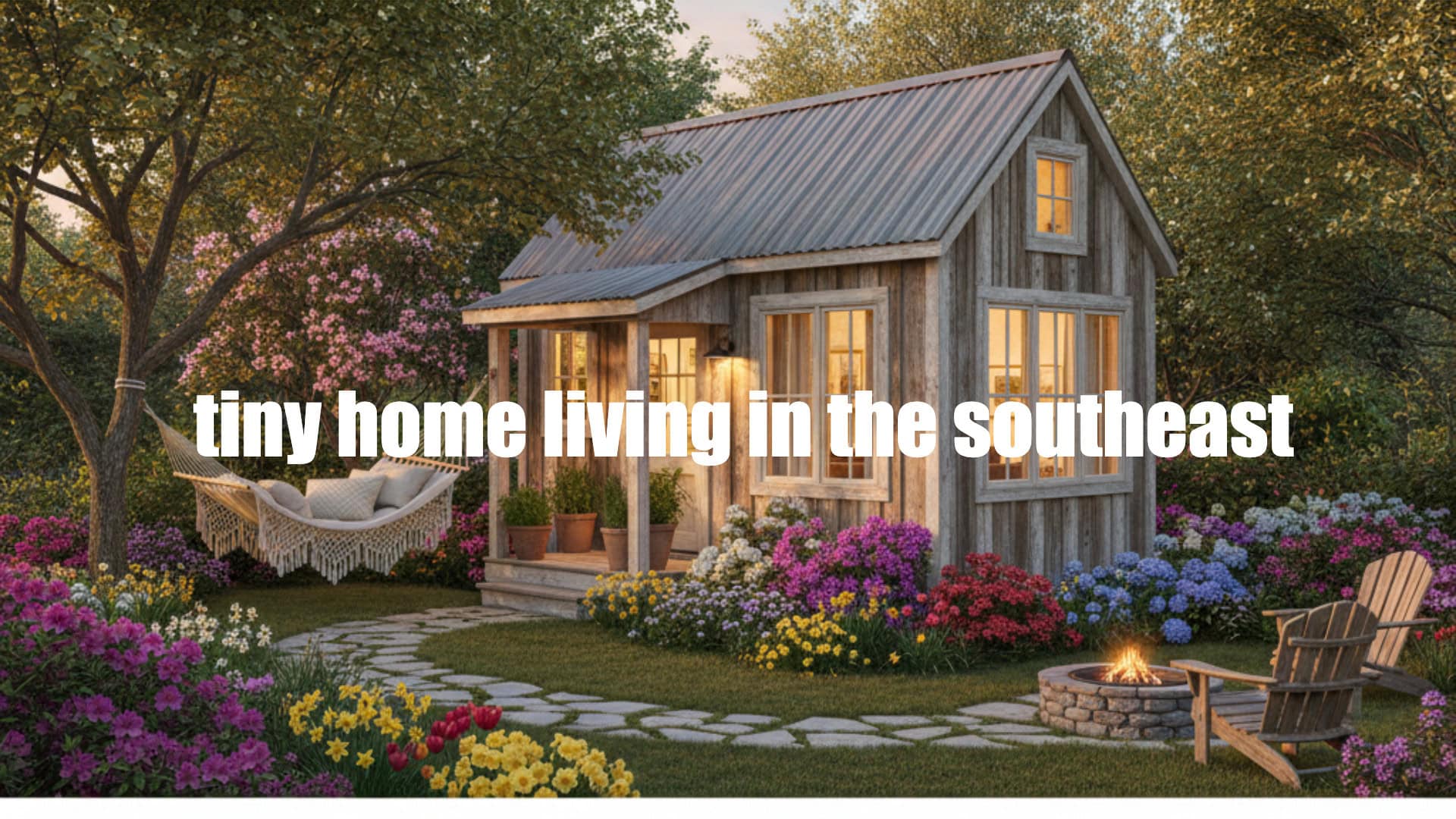
The Southeast region offers incredible opportunities for tiny home living in the southeast. With warm climate, diverse landscapes from coastal plains to rolling hills, and growing acceptance of alternative housing, the Southeast has become a premier destination for sustainable living and affordable housing.
Tiny home living represents a revolutionary approach prioritizing minimalist lifestyle choices, environmental consciousness, and financial freedom. As housing costs rise nationwide, more people discover that downsizing provides the perfect balance of comfort, affordability, and mobility.
At Great Lakes Tiny Homes, we understand the unique appeal of tiny home living in the southeast. As a full-service manufacturer of modular and park model tiny homes, we deliver turnkey builds to all 48 lower U.S. states, offering both wheeled and foundation options with or without RVIA certification. Our expertise in creating quality homes that meet regional regulations makes us a trusted partner for those ready to explore this lifestyle. If you’re considering making the transition, we invite you to contact our team to discuss how we can help bring your vision to life.
The Southeast’s mild winters, extended growing seasons, and outdoor-friendly culture make it ideal for tiny home enthusiasts. Whether you’re drawn to Carolina beaches, Tennessee mountains, or Georgia’s historic charm, this region offers diverse settings where tiny home communities thrive.
In this comprehensive guide, we’ll explore everything about tiny home living in the southeast, from navigating regulations to finding perfect communities. We’ll address questions like “Is tiny home living feasible in the Southeast?” and provide detailed insights beyond typical housing guides.
The Benefits of Tiny Home Living in the Southeast
Choosing tiny home living in the southeast comes with numerous advantages that make this region particularly attractive for downsizing enthusiasts:
- Financial Freedom: The Southeast offers affordable land prices, making it easier to find suitable locations. Combined with lower property taxes and reduced utilities, tiny home living saves thousands annually compared to traditional housing.
- Year-Round Outdoor Living: The region’s mild climate allows extended outdoor seasons, perfect for maximizing small indoor space with outdoor living areas, gardens, and recreation.
- Environmental Benefits: Tiny homes naturally reduce carbon footprint, and the Southeast’s growing focus on eco-friendly housing means you’ll join a larger sustainability movement.
- Lifestyle Freedom: Many tiny homes are built on wheels, offering flexibility to relocate as seasons change or circumstances evolve. This mobility is valuable in a region with diverse climates and attractions.
- Strong Community Networks: The Southeast has embraced tiny home movement with numerous communities, meetups, and resources for newcomers and experienced dwellers.
- Access to Nature: From Appalachian Mountains to Atlantic Coast, tiny home living puts you closer to natural beauty, outdoor recreation, and wellness benefits of minimalist living.
- Lower Cost of Living: Beyond housing costs, the Southeast offers lower costs for food, services, and entertainment, stretching your budget further.
Navigating Tiny Home Regulations in the Southeast
Understanding the regulatory landscape is crucial for successful tiny home living in the southeast. We’ve compiled comprehensive information about legal requirements and zoning considerations across the region.
Southeast states generally have more flexible approaches to alternative housing than other regions, but regulations vary significantly between states and counties. Most classify tiny homes based on permanent foundations or wheels, with different rules for each category.
RVIA Certification and Park Models: Many tiny homes benefit from RVIA certification, classifying them as park models. This certification simplifies approval processes and may allow placement in RV parks and designated communities.
Foundation vs. Wheels: Tiny homes on permanent foundations typically need local building codes compliance, while wheeled homes may fall under RV or mobile home ordinances.
County Variations: Rural counties tend to be more accommodating, while urban areas may have stricter zoning. Many counties in North Carolina allow tiny houses with proper permits, while Georgia counties have varying approaches.
Common Requirements: Most jurisdictions require electrical, plumbing, and septic permits. Some areas also require structural engineering reports and regular inspections.
At Great Lakes Tiny Homes, we help clients navigate these challenges by building homes that meet local codes and providing documentation for permit applications. Our southeastern experience ensures smooth project progression from planning to completion.
Top Tiny Home Communities in the Southeast
The Southeast boasts some of the most welcoming tiny home communities in the country. We’ve curated exceptional communities offering different lifestyle options:
1. Tiny House Village at Mt. Hood (North Carolina)
Located in scenic North Carolina mountains, this community offers short-term and long-term rentals with full hookups and amenities. Features include hiking trails, community garden, and regular social events fostering strong community bonds.
2. Spur Tree Tiny House Community (Tennessee)
This innovative community near Nashville combines tiny home living with sustainable agriculture and workshops. Residents enjoy shared spaces including community kitchen, workshop areas, and educational programs focused on sustainable practices.
3. Tiny House Siesta (Florida)
Perfect for resort-style living, this community offers luxury amenities including pool, fitness center, and organized activities. Welcomes both permanent residents and vacation tiny home owners.
4. Blue Ridge Tiny Home Village (Georgia)
Nestled in Blue Ridge Mountains, this community emphasizes nature connection and outdoor recreation. Residents access hiking trails, fishing areas, and community fire pits for evening gatherings.
5. Coastal Tiny Living (South Carolina)
Located near coast, this community offers perfect beach access and tiny home convenience. Features both age-qualified and all-age sections, suitable for various demographics.
Our modular tiny homes fit seamlessly into these communities, with customization options meeting specific guidelines and aesthetic requirements. When selecting communities, consider proximity to employment, healthcare, shopping, and recreational activities aligning with your preferences.
Costs and Financing Options for Tiny Homes in the Southeast
Understanding financial aspects of tiny home living in the southeast is essential for informed decisions. We’ve broken down costs and financing options for effective planning.
Build Costs
Our modular tiny homes typically range from $100,000 to $150,000, depending on size, features, and customization. This includes quality construction, energy-efficient systems, and regional code compliance. The Southeast’s favorable construction climate allows year-round building, helping control costs and timelines.
Land and Site Costs
Land costs vary significantly by location:
- Rural Areas: $2,000 – $8,000 per acre
- Suburban Locations: $15,000 – $40,000 per acre
- Community Lots: $200 – $800 per month rental
- RV Parks: $300 – $600 per month long-term
Financing Options
- Personal Loans: Many banks offer personal loans with 5-15 year terms
- RV Financing: RVIA-certified homes often qualify for competitive RV loans
- Construction Loans: Construction-to-permanent loans provide financing throughout building
- Cash Purchases: Many buyers use traditional home sale proceeds
Cost Comparison
- Traditional Home: $250,000 – $400,000 purchase, plus $2,000 – $3,500 monthly expenses
- Tiny Home: $100,000 – $150,000 purchase, plus $800 – $1,500 monthly expenses
These savings allow faster financial independence, increased travel, or pursuing passion projects not feasible with traditional housing costs.
How to Choose and Build Your Tiny Home in the Southeast
Successfully transitioning to tiny home living requires careful planning and right partnerships. We’ve developed a comprehensive approach from initial planning to move-in.
Step 1: Assess Your Needs
Evaluate space requirements, lifestyle preferences, and long-term goals. Consider occupant numbers, work-from-home needs, storage requirements, and desired amenities. The Southeast’s climate allows outdoor living spaces that effectively extend your home’s functional area.
Step 2: Select Your Builder
Choosing the right builder is crucial for success. Working with experienced professionals who understand regional codes, climate considerations, and local regulations ensures your project meets requirements while delivering needed quality and functionality.
Great Lakes Tiny Homes brings extensive expertise in building quality homes meeting southeastern regulations and climate requirements. Our understanding of local codes, customization options, and commitment to comfortable living spaces makes us a trusted partner. We offer comprehensive consultation services to help design homes perfectly fitting your needs and budget.
We invite you to schedule a consultation with our team to discuss specific requirements and explore how we can bring your vision to life.
Step 3: Navigate Permits
Work with your builder and local authorities to secure necessary permits before construction. This typically includes building, electrical, plumbing, and septic permits. We assist clients throughout this process, providing documentation and working directly with officials when needed.
Step 4: Customize for Southeast Climate
The humid subtropical climate requires specific considerations:
- Ventilation: Enhanced systems to manage humidity
- Insulation: Proper insulation for cooling and occasional heating
- Materials: Moisture-resistant materials and finishes
- HVAC: Efficient systems sized for tiny spaces
Professional builders bring expertise, warranties, and compliance assurance often proving valuable long-term. Our custom builds combine professional quality with personalized design creating homes exceeding expectations.
Key Takeaways for Tiny Home Living in the Southeast
Here are essential points to remember as you consider this lifestyle transition:
- Climate Advantages: The Southeast’s mild winters and extended outdoor seasons make it ideal for tiny home living, maximizing both indoor and outdoor spaces year-round.
- Regulatory Navigation: While regulations vary by location, the Southeast generally offers more flexibility than other regions. Always research local requirements and work with experienced builders understanding regional codes.
- Community Options: The region boasts numerous established communities offering various amenities and lifestyle options, from mountain retreats to coastal communities.
- Financial Benefits: Tiny home living provides significant cost savings compared to traditional housing, with lower land costs, reduced utilities, and minimal maintenance.
- Sustainability Impact: Choosing tiny home living supports environmental sustainability through reduced resource consumption and smaller carbon footprints.
- Professional Support: Working with experienced builders ensures your home meets requirements while delivering needed quality and functionality.
At Great Lakes Tiny Homes, we’ve helped hundreds of customers make their tiny home dreams reality. Our southeastern market expertise, combined with quality construction commitment and customer service, makes us the ideal partner for your journey.
Ready for the next step? Book a call with our experts who have helped hundreds successfully transition to tiny home living. We guide you through every step from initial planning to move-in day.
Frequently Asked Questions About Tiny Home Living in the Southeast
Is tiny home living legal in the Southeast?
Yes, tiny home living is legal throughout the Southeast, though regulations vary by state and county. Most areas allow tiny homes as accessory dwelling units, RVs, or alternative housing with proper permits. We recommend checking with local planning departments for specific requirements.
What’s the average cost of a tiny home in the Southeast?
Quality tiny homes typically range from $100,000 to $150,000 for professionally built models. This includes construction, basic appliances, and local code compliance. Additional costs include land, permits, and site preparation.
Where are the best places to park a tiny home in the Southeast?
Best locations include established communities, RV parks allowing long-term stays, private land with permits, and rural areas with flexible zoning. Popular states include North Carolina, Tennessee, and Georgia due to accommodating regulations.
Can I finance a tiny home purchase?
Yes, several options are available including personal loans, RV financing for RVIA-certified homes, and construction loans. Many lenders now offer specialized tiny home financing programs with competitive rates.
How do I find tiny home communities in the Southeast?
Research online directories, contact local tiny home associations, and connect with regional builders. Many communities offer tours and information sessions for prospective residents.
What’s the difference between tiny homes and RVs?
Tiny homes are built to residential codes with permanent fixtures, better insulation, and higher-quality materials. RVs are designed for temporary use with lighter construction. RVIA-certified tiny homes bridge this gap, offering residential quality with RV classification benefits.
How do tiny homes handle Southeast weather conditions?
Modern tiny homes are designed with proper insulation, ventilation, and HVAC systems handling the humid subtropical climate. Features like enhanced ventilation, moisture-resistant materials, and efficient cooling ensure year-round comfort.
Can Great Lakes Tiny Homes help with my Southeast project?
Absolutely! We specialize in building quality tiny homes for southeastern markets and provide comprehensive support from design through delivery. Our team understands regional regulations and climate requirements, ensuring your home meets local standards while exceeding expectations for quality and functionality.