

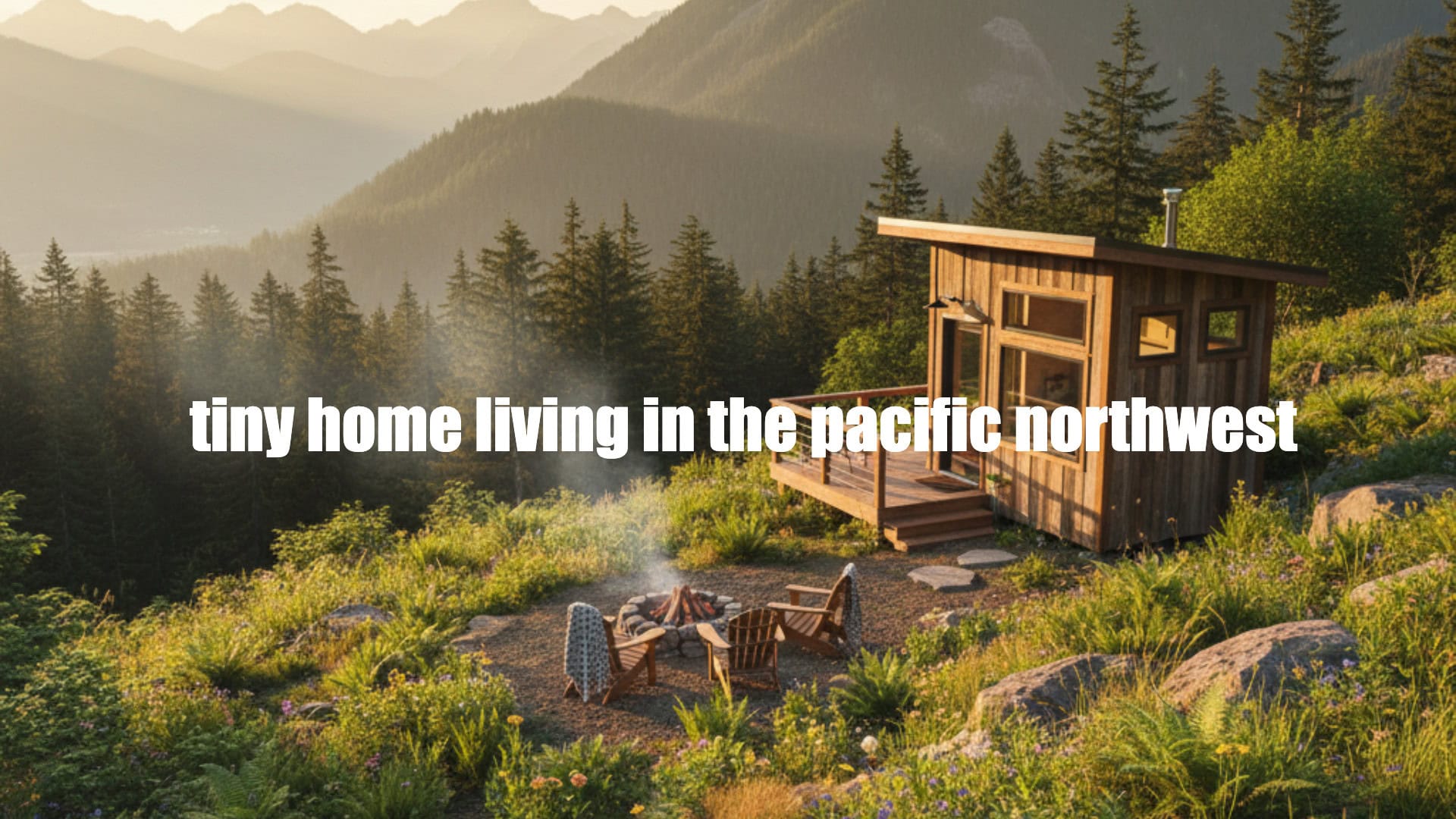
Introduction to Tiny Home Living in the Pacific Northwest
The Pacific Northwest offers an unparalleled backdrop for tiny home living in the Pacific Northwest, where towering evergreens meet rugged coastlines and snow-capped mountains create a stunning natural canvas. We’ve witnessed a remarkable surge in interest for sustainable living and affordable housing solutions throughout Washington, Oregon, and northern California, as more people seek to embrace minimalist lifestyles while staying connected to nature’s beauty.
Tiny home living represents more than just downsizing – it’s a conscious choice toward environmental responsibility and financial freedom. The Pacific Northwest’s mild climate, abundant outdoor recreation opportunities, and progressive communities make it an ideal region for those considering this lifestyle transformation.
At Great Lakes Tiny Homes, we understand the unique appeal of Pacific Northwest living and the growing demand for quality, compliant tiny home solutions. As a full-service manufacturer of modular and park model homes, we deliver turnkey builds to all 48 lower U.S. states, offering both wheeled and foundation options with or without RVIA certification. For those ready to explore their options, we invite you to connect with our team to discuss how we can bring your Pacific Northwest tiny home vision to life.
Throughout this comprehensive guide, we’ll address the most pressing questions about tiny home living feasibility in the Pacific Northwest, from navigating complex zoning regulations to discovering thriving communities and understanding the true costs involved.
The Benefits of Tiny Home Living in the Pacific Northwest
The Pacific Northwest presents unique advantages that make tiny home living particularly appealing compared to other regions. We’ve identified several key benefits that draw people to this lifestyle choice:
- Financial Freedom: Tiny homes typically cost 60-80% less than traditional Pacific Northwest housing, where median home prices often exceed $500,000. We see families reducing their housing expenses from $3,000+ monthly payments to under $1,000, including land costs.
- Environmental Sustainability: The Pacific Northwest’s eco-conscious culture aligns perfectly with tiny home living’s reduced carbon footprint. Our modular tiny homes use 68% less energy than conventional homes, supporting the region’s commitment to environmental stewardship.
- Climate Adaptability: The region’s mild temperatures and moderate rainfall make year-round tiny home living comfortable with proper insulation and heating systems. We design our Pacific Northwest builds to handle occasional snow and extended rainy seasons while maximizing natural light.
- Outdoor Lifestyle Integration: Tiny home living encourages spending more time outdoors, perfectly complementing the Pacific Northwest’s hiking trails, beaches, ski slopes, and national parks. We often see tiny home owners using their reduced housing costs to invest in outdoor gear and experiences.
- Community Connection: The minimalist lifestyle fosters stronger community bonds, particularly important in the Pacific Northwest’s culture of cooperation and environmental awareness. Many tiny home communities organize group activities, shared gardens, and sustainability workshops.
- Mobility and Flexibility: For those choosing wheeled tiny homes, the ability to relocate seasonally offers unmatched lifestyle flexibility while maintaining legal compliance.
Navigating Tiny Home Regulations in the Pacific Northwest
Understanding tiny home regulations in the Pacific Northwest requires navigating a complex web of state, county, and municipal laws that vary significantly across Washington, Oregon, and northern California. We’ve helped numerous clients successfully navigate these regulatory challenges.
Washington State Regulations: Washington allows tiny homes as ADUs (Accessory Dwelling Units) in many jurisdictions, but requirements vary by county. King County permits tiny homes on wheels as temporary structures for up to 180 days, while Pierce County has more restrictive interpretations. We recommend checking what counties in Washington allow tiny houses for detailed county-specific information.
Oregon’s Approach: Oregon has been more progressive, with some counties explicitly allowing tiny homes on individual lots. Clackamas County permits tiny homes on foundations as primary residences, while Multnomah County focuses on ADU regulations. The state’s building codes generally require RVIA certification for moveable tiny homes or compliance with residential building codes for permanent structures.
Northern California Considerations: California’s regulations are among the most complex, with significant variations between coastal and inland counties. Many areas require tiny homes to meet California Building Standards Code, which can be challenging for smaller structures.
RVIA Certification Benefits: We strongly recommend RVIA-certified park models for Pacific Northwest tiny home living. These units are recognized as recreational vehicles, providing more placement flexibility and often simpler permitting processes.
Foundation vs. Wheels Decision: The choice between permanent foundation and wheeled tiny homes significantly impacts regulatory compliance. Foundation-based tiny homes typically must meet residential building codes, while wheeled tiny homes offer more flexibility but may face restrictions on long-term parking.
Top Tiny Home Communities in the Pacific Northwest
The Pacific Northwest hosts several exceptional tiny home communities that embrace sustainable living while providing modern amenities and strong social connections.
Tiny House Village (Eugene, Oregon): This pioneering community offers 30 tiny homes on individual lots with shared common areas, gardens, and workshop spaces. Our modular tiny homes integrate well with the community’s aesthetic and sustainability goals.
Quixote Village (Olympia, Washington): Originally designed for formerly homeless individuals, this community has expanded to welcome diverse residents seeking affordable housing solutions. The village features 30 tiny homes with shared kitchen and bathroom facilities.
Caravan Tiny House Hotel (Portland, Oregon): While primarily a hotel, this community showcases various tiny home designs and often hosts potential residents exploring the lifestyle. The location demonstrates how tiny home communities in Oregon can thrive in urban settings.
Tiny House Community at Mt. Hood (Oregon): Located near the iconic mountain, this community caters to outdoor enthusiasts seeking year-round access to skiing, hiking, and climbing. Our cold-weather tiny home designs perform excellently in this mountain environment.
Bellingham Tiny House Village (Washington): This newer community near the Canadian border emphasizes environmental sustainability and community gardening. Our eco-friendly building materials and energy-efficient designs align perfectly with the community’s values.
Most successful Pacific Northwest tiny home communities offer shared spaces like community gardens, workshop areas, and social gathering spaces. Many provide utilities hookups, waste management, and high-speed internet.
Costs and Financing Options for Tiny Homes in the Pacific Northwest
Understanding the complete financial picture of tiny home living in the Pacific Northwest helps potential owners make informed decisions about this significant lifestyle investment.
Tiny Home Construction Costs:
| Home Type | Size Range | Great Lakes Tiny Homes Price | Features Included |
|---|---|---|---|
| Basic Modular | 200-400 sq ft | $100,000-$125,000 | Standard finishes, basic appliances |
| Premium Modular | 400-600 sq ft | $125,000-$150,000 | Upgraded finishes, energy-efficient systems |
| RVIA Park Model | 300-500 sq ft | $110,000-$140,000 | RV certification, mobility options |
| Custom Design | 200-600 sq ft | $130,000-$180,000 | Personalized layouts, premium materials |
Land and Site Costs: Pacific Northwest land costs vary dramatically by location. Rural Washington properties suitable for tiny homes range from $50,000-$150,000, while Oregon coastal areas can exceed $200,000. Many clients choose to rent land in tiny home communities for $300-$800 monthly, including utilities and amenities.
Financing Solutions: We’ve partnered with several lenders who understand tiny home financing challenges. RVIA-certified park models often qualify for RV loans with competitive rates, while foundation-based tiny homes may qualify for traditional mortgages or construction loans.
Total Ownership Costs: When comparing tiny home living costs to traditional Pacific Northwest housing, we typically see 60-75% savings in total housing expenses. A $130,000 tiny home with $500 monthly land costs totals approximately $1,200 monthly, compared to $3,000+ for traditional housing.
Budgeting Tips: We recommend budgeting an additional 15-20% beyond the home cost for site preparation, permits, and unexpected expenses. Pacific Northwest weather requires quality insulation and heating systems, which we include in our standard builds.
How to Choose and Build Your Tiny Home in the Pacific Northwest
Successfully transitioning to tiny home living in the Pacific Northwest requires careful planning and expert guidance throughout the selection and construction process.
Step 1: Assess Your Needs and Lifestyle
Begin by honestly evaluating your space requirements, considering how Pacific Northwest weather patterns will affect your daily routines. We recommend spending time in various tiny spaces to understand what square footage feels comfortable for your household.
Step 2: Select an Experienced Builder
Choosing the right builder is crucial for Pacific Northwest tiny home success. Great Lakes Tiny Homes brings extensive expertise in building quality tiny homes that meet Pacific Northwest building codes and weather challenges. Our understanding of local regulations, customization options, and commitment to creating comfortable living spaces makes us a trusted resource. We invite you to schedule a consultation to discuss your specific needs.
Step 3: Navigate Permits and Regulations
Pacific Northwest permitting can be complex, varying significantly between jurisdictions. We help clients understand local requirements, whether pursuing RVIA certification for mobility or permanent foundation installation.
Step 4: Customize for Pacific Northwest Climate
Regional climate considerations are essential for year-round comfort. We incorporate enhanced insulation, efficient heating systems, and moisture management features in all Pacific Northwest builds. Large windows maximize natural light during shorter winter days.
Step 5: Plan Installation and Setup
Site preparation requirements vary based on your chosen foundation type and local soil conditions. We coordinate with local contractors for utility connections, septic systems, and site preparation. Our turnkey approach includes delivery and setup.
Professional vs. DIY Considerations: While DIY tiny home construction appeals to some, Pacific Northwest building codes and climate challenges make professional construction advisable. Our factory-controlled environment ensures consistent quality and weather protection during construction.
For those ready to explore their options, we encourage visiting our custom builds page to see examples of our Pacific Northwest-optimized designs.
Key Takeaways for Tiny Home Living in the Pacific Northwest
As we conclude our comprehensive guide to tiny home living in the Pacific Northwest, we want to highlight the most important insights:
- Climate Advantages: The Pacific Northwest’s mild temperatures and moderate rainfall create ideal conditions for year-round tiny home living with proper insulation and heating systems.
- Regulatory Navigation: Success requires understanding complex local zoning laws and building codes that vary significantly between Washington, Oregon, and northern California counties. RVIA certification often provides the most flexibility.
- Community Options: The region offers diverse tiny home communities, from urban Portland locations to mountain retreats near Mt. Hood, each providing unique amenities and lifestyle opportunities.
- Financial Benefits: Tiny home living typically reduces housing costs by 60-75% compared to traditional Pacific Northwest real estate, with quality builds from Great Lakes Tiny Homes ranging from $100,000-$150,000.
- Environmental Impact: Choosing tiny home living aligns with the Pacific Northwest’s sustainability values, reducing energy consumption by up to 68% while supporting environmental stewardship.
- Professional Expertise Matters: Working with experienced manufacturers who understand regional requirements ensures code compliance, weather resistance, and long-term satisfaction.
Ready to take the next step toward your Pacific Northwest tiny home dream? Our experts have helped hundreds of customers successfully transition to tiny home living throughout the region. Book a call with our team to discuss your specific needs, explore our customization options, and begin planning your perfect tiny home for Pacific Northwest living.
Frequently Asked Questions About Tiny Home Living in the Pacific Northwest
Is tiny home living legal in the Pacific Northwest?
Yes, tiny home living is legal throughout the Pacific Northwest, but regulations vary significantly by state, county, and municipality. Many areas allow tiny homes as ADUs (Accessory Dwelling Units), while others permit RVIA-certified park models as recreational vehicles. We recommend researching specific local requirements and working with experienced builders who understand regional compliance issues.
What’s the average cost of a tiny home in the Pacific Northwest?
Quality tiny homes in the Pacific Northwest typically range from $100,000-$150,000 for complete, professionally built units. Great Lakes Tiny Homes offers modular and park model options within this range, including all necessary systems for Pacific Northwest climate conditions. Additional costs include land purchase or rental, permits, and site preparation.
Where are the best places to park a tiny home in the Pacific Northwest?
The best tiny home locations include established communities like Quixote Village in Olympia, private land in rural Washington and Oregon counties, and RV parks that accept long-term residents. Many tiny home communities in Washington and Oregon communities offer amenities and social connections.
Can I finance a tiny home in the Pacific Northwest?
Yes, several financing options exist for Pacific Northwest tiny homes. RVIA-certified park models often qualify for RV loans with competitive interest rates. Foundation-based tiny homes may qualify for traditional mortgages or construction loans. We work with specialized lenders who understand tiny home financing.
How do I find tiny home communities in the Pacific Northwest?
Research online directories, contact local tiny home associations, and visit existing communities to understand different lifestyle options. We maintain relationships with many Pacific Northwest communities and can provide referrals based on your preferences for location, amenities, and community culture.
What’s the difference between tiny homes and RVs for Pacific Northwest living?
Tiny homes are built for permanent or long-term living with residential-quality materials, insulation, and systems designed for year-round comfort. RVs are designed for temporary recreational use and may not provide adequate insulation or durability for Pacific Northwest weather.
How do tiny homes handle Pacific Northwest winters?
Properly designed tiny homes handle Pacific Northwest winters excellently with adequate insulation, efficient heating systems, and moisture management features. We include enhanced insulation packages, double-pane windows, and reliable heating systems in all our Pacific Northwest builds.