
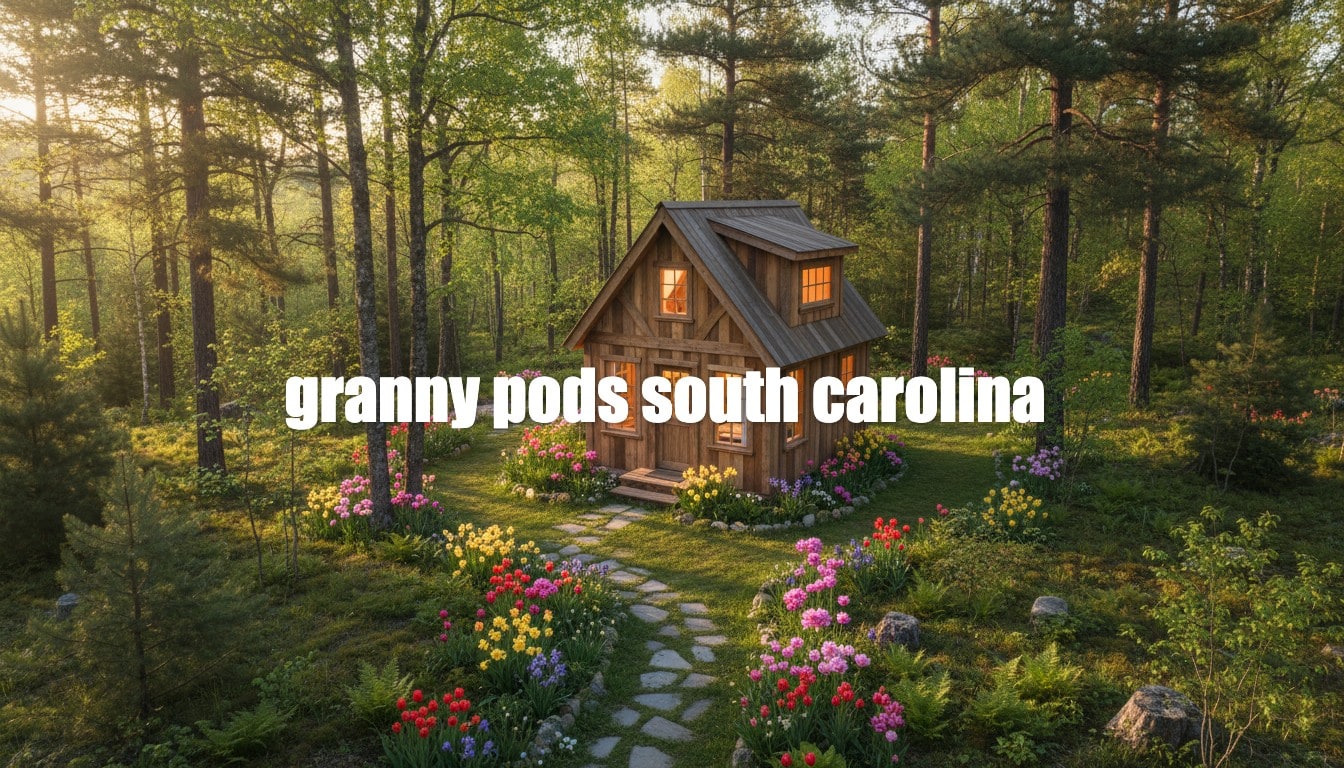
South Carolina permits granny pods, also known as accessory dwelling units (ADUs), under local county and municipal zoning regulations rather than statewide mandates. Permissions vary widely, with many counties like Richland, Charleston, and Greenville allowing them on lots of at least 0.25 to 1 acre, typically limited to 400-1000 square feet, and requiring owner occupancy in some cases. Always verify with local planning offices, as rules can change and may include setbacks, utility connections, and building code compliance.
As families in South Carolina navigate the challenges of elder care amid a growing senior population, granny pods emerge as a versatile and efficient housing solution. These compact, self-contained units, often resembling tiny homes, enable aging loved ones to maintain independence while staying close to family. With the state’s diverse landscapes from coastal Lowcountry to inland Upstate regions, understanding the nuances of granny pod regulations, designs, and costs is essential for residents considering this option. This guide provides a comprehensive overview, drawing on the latest local zoning insights to help you evaluate feasibility for your property.
In South Carolina, where over 18% of the population is now 65 or older according to recent U.S. Census estimates, granny pods address the rising demand for affordable, accessible housing alternatives to traditional nursing facilities. These structures promote multigenerational living, a longstanding tradition in Southern communities, by offering privacy and convenience. Great Lakes Tiny Homes stands out as a full-service manufacturer specializing in modular, park model, and tiny home builds tailored for such needs, delivering turnkey solutions to all 48 lower U.S. states. Their offerings include options with or without wheels and RVIA certification, where certified models function as park models to potentially ease zoning compliance in certain areas. If you’re exploring custom designs compliant with South Carolina standards, book a call with our experts for personalized guidance.
Disclaimer: This article is for informational purposes only and does not constitute legal advice. Laws, regulations, and zoning rules vary by location and may change over time. Always consult your local zoning office or a qualified land use/zoning attorney before making decisions based on this information.
What Are Granny Pods?
Granny pods, commonly referred to as accessory dwelling units (ADUs) or backyard cottages, are small, independent living spaces constructed on the same property as a primary residence. Designed primarily for elderly family members, these units typically range from 300 to 800 square feet and include essential amenities like a kitchenette, bathroom, and bedroom to support daily living without reliance on the main house. In South Carolina, where family-oriented lifestyles prevail, granny pods facilitate close-knit support systems while respecting personal space, making them a popular choice in both urban and rural settings.
The appeal of granny pods has grown with South Carolina’s senior demographic, which exceeds 850,000 individuals aged 65 and older as per the latest state health department reports. Unlike larger in-law suites attached to the primary home, granny pods offer detached privacy, reducing potential conflicts and enhancing autonomy. The state’s temperate climate, with mild winters and warm summers, suits these energy-efficient structures, which can incorporate features like elevated foundations to mitigate flood risks in coastal areas.
Great Lakes Tiny Homes crafts customizable granny pod-style tiny houses, available with or without wheels and RVIA certification for flexibility in placement. Certified park models under 400 square feet may qualify as recreational vehicles in some zoning scenarios, streamlining approvals. Whether situated in the historic charm of Charleston or the rolling hills of Greenville, these units harmonize with local aesthetics and foster enduring family connections.
Inside the Modern Granny Pod: Features, Design, and Purpose
Modern granny pods serve as accessory dwelling units (ADUs) that prioritize the well-being of senior occupants while integrating seamlessly into family properties. These self-sufficient spaces emphasize safety, accessibility, and comfort, setting them apart from conventional tiny homes through specialized adaptations for aging in place. In South Carolina’s humid subtropical environment, designs focus on durability against moisture and storms, ensuring long-term reliability.
Typically measuring 300 to 800 square feet, granny pods feature compact yet functional layouts with energy-efficient appliances in the kitchen, accessible bathrooms equipped with roll-in showers, cozy bedrooms, and open living areas. Large windows maximize natural light and ventilation, while slip-resistant flooring and climate-controlled systems address the state’s variable weather patterns. Unlike mobile tiny homes, granny pods are built for permanence, often on concrete foundations to meet residential occupancy standards.
Available in various types, including prefabricated units for rapid assembly, fully custom builds tailored to specific mobility needs, and conversions of existing sheds or garages with necessary upgrades. Universal design principles guide construction, incorporating elements like lever-style handles, wider doorways for wheelchairs, strategically placed grab bars, and integrated smart home technology for remote monitoring of health and security. This approach not only empowers seniors but also alleviates caregiver burdens in multigenerational households.
To withstand South Carolina’s coastal challenges, such as high humidity and hurricane threats, granny pods utilize elevated foundations, impact-resistant windows, and robust insulation. Solar-compatible roofing and efficient HVAC systems help control utility costs, promoting sustainability. Envision transforming your backyard into a nurturing retreat that combines practical functionality with the warmth of home. For inspiration, explore best tiny home communities in South Carolina. Interested in local expertise? Consider tiny house builders in Charleston.
Benefits of Granny Pods for South Carolina Families
Granny pods provide multifaceted advantages for South Carolina households, aligning with the state’s emphasis on family proximity and cost-effective elder care solutions. By allowing seniors to reside nearby yet independently, these units bridge the gap between full autonomy and necessary support, particularly beneficial in regions with limited healthcare access. The mild climate facilitates year-round outdoor interactions, enhancing emotional well-being for all generations.
One key benefit is the balance of closeness and privacy, enabling quick assistance during humid summers or cooler winters without daily intrusions—ideal for tasks like medication management or emergency response. This setup combats isolation among the state’s over 850,000 seniors, fostering social connections that studies link to improved mental health outcomes. In close-knit communities, granny pods reinforce traditional values while adapting to modern needs.
Economically, granny pods offer substantial savings compared to assisted living facilities, which average $55,000 annually according to recent Genworth data. Initial investments of $100,000 to $150,000, such as those from Great Lakes Tiny Homes, leverage existing property equity and eliminate recurring fees. Moreover, these additions can boost property values by 10-20%, providing versatile space for future use. In storm-prone areas like Myrtle Beach, resilient designs add layers of security; in growing retiree hubs like Greenville, they support harmonious multigenerational living.
With elder care expenses rising 15% over the past five years, granny pods represent a strategic investment that aligns with South Carolina’s family-centric culture, creating opportunities for shared memories in the Palmetto State. For zoning details, review what counties in South Carolina allow tiny houses.
Disclaimer: This article is for informational purposes only and does not constitute legal advice. Laws, regulations, and zoning rules vary by location and may change over time. Always consult your local zoning office or a qualified land use/zoning attorney before making decisions based on this information.
Legal Considerations for Granny Pods in South Carolina
South Carolina’s framework for granny pods, or ADUs, relies on local governance across its 46 counties, with no overarching state law but encouragement through flexible zoning under the International Residential Code (IRC). Local ordinances classify these as accessory structures on residential lots, often requiring compliance in single-family or agricultural zones. Recent legislative efforts, like House Bill 4396 from 2023 and the 2025 Accessory Dwelling Unit Affordable Housing Incentive Act (Bill 3469), aim to standardize and ease restrictions by 2026 to promote affordability.South Carolina General Assembly Bill 3469
Building permits typically demand detailed site plans, structural engineering reports, and adherence to setbacks of 5-10 feet from property lines. In flood-vulnerable zones, such as those near Charleston, environmental impact assessments are mandatory to ensure elevation standards. Health and safety codes enforce proper sanitation, electrical wiring, and plumbing connections, with 2024 IRC updates simplifying approvals in urban areas while rural locales may require special variances for non-standard builds.
Progressive counties include Richland (Columbia area), permitting up to 800 square feet with owner-occupancy mandates; Greenville, allowing in single-family districts with utility ties to the main residence; and Charleston, necessitating design reviews for aesthetic harmony. Horry County restricts to 400 square feet without rental options, emphasizing family use; Beaufort often requires special use permits focused on environmental protections. RVIA-certified models under 400 square feet can sometimes circumvent strict foundation rules by registering as RVs, though permanent setups must meet full residential criteria.
Early consultation with county planning departments is crucial, as interpretations can differ. For tailored advice on navigating these complexities, book a call with our experts. Specific inquiries can direct you to resources like tiny houses for sale in Columbia.
Disclaimer: This article is for informational purposes only and does not constitute legal advice. Laws, regulations, and zoning rules vary by location and may change over time. Always consult your local zoning office or a qualified land use/zoning attorney before making decisions based on this information.
Which South Carolina Counties Allow Granny Pods?
Granny pod approvals in South Carolina hinge on county-specific zoning, influenced by population density, environmental factors, and housing goals. The following table outlines regulations for key counties, based on the most recent local ordinances. Note that these can evolve, so direct verification with planning offices is recommended.
| County Name | Granny Pod Status | Minimum Lot Size Requirements | Maximum Size Allowed | Special Notes | Source |
|---|---|---|---|---|---|
| Richland (Columbia) | Allowed | 0.5 acres | 800 sq ft | Owner occupancy required; must match primary home style. No short-term rentals without variance. | Richland County Zoning |
| Charleston | Allowed | 0.25 acres | 1,000 sq ft | Historic districts require approval; flood elevation compliance mandatory. One ADU per lot as conditional use. | City of Charleston ADU Ordinance |
| Greenville | Allowed | 1 acre | 600 sq ft | Permitted in single-family zones; utilities must connect to main home. ADUs defined in county land development regulations. | Greenville County Tiny Home Ordinance |
| Horry (Myrtle Beach) | Restricted | 1 acre | 400 sq ft | Non-rental use only; enhanced setbacks near waterways. Family occupancy emphasized. | Horry County Planning & Zoning |
| Spartanburg | Case-by-Case | 0.75 acres | 500 sq ft | Requires special permit; more flexible in rural areas. | Local Zoning Office Consultation Required |
| Anderson | Allowed | 0.5 acres | 700 sq ft | Environmental reviews needed near Lake Hartwell. | Local Zoning Office Consultation Required |
| York (Rock Hill) | Restricted | 1 acre | 500 sq ft | Stricter rules in suburban zones; no detached ADUs in townhome areas. | Local Zoning Office Consultation Required |
| Beaufort (Hilton Head) | Case-by-Case | 0.5 acres | 800 sq ft | Emphasis on aesthetics and cultural protections; special permits common. | Local Zoning Office Consultation Required |
In Richland County, ADUs cannot surpass 50% of the primary home’s size and require plumbing integrations. Charleston permits up to 1,200 square feet in non-historic zones with hurricane-resistant construction standards. Greenville facilitates senior-focused approvals in R-10 zones, while Horry County prohibits full kitchens in restricted areas to deter rentals. These variations reflect South Carolina’s commitment to balanced growth across diverse regions.
Always confirm with the respective county planning department, as ongoing reviews may adjust these provisions. This overview supports informed planning in the state’s varied locales.
Major Cities in South Carolina for Granny Pods
Charleston
Charleston’s historic charm and coastal location make it a prime spot for granny pods, permitted as conditional uses in all base zoning districts since a 2020 ordinance update. The city requires zoning permits for conversions or new builds, limiting one ADU per lot and emphasizing flood elevations due to hurricane risks. Maximum sizes reach 1,000 square feet on lots of 0.25 acres or more, with design reviews in historic areas to preserve architectural integrity. For properties in this vibrant metro, integrating resilient features like impact windows is advisable. Local resources include the city’s planning portal for applications. Explore options with tiny houses for sale in Charleston.
Columbia (Richland County)
As the state capital, Columbia supports granny pods in residential zones under Richland County’s guidelines, allowing up to 800 square feet on 0.5-acre lots with owner-occupancy. Permits involve site plans and utility connections, focusing on harmony with the primary structure. The area’s moderate climate suits accessible designs, though urban density may impose stricter setbacks. Families benefit from proximity to medical facilities, enhancing the ADU’s supportive role. Contact the county zoning office for variances if needed. Check availability at tiny houses for sale in Columbia.
Greenville
Greenville’s thriving Upstate economy and family-friendly vibe align well with granny pod allowances in single-family zones, capped at 600 square feet on 1-acre parcels per county land development regulations. Builds must tie into main home utilities, and tiny homes can serve as ADUs in unzoned rural spots. The region’s growth has prompted streamlined processes for senior housing, with emphasis on energy efficiency. Elevated designs address occasional flooding from nearby rivers. Reach out to Greenville County Zoning for detailed permitting. Discover builds via tiny house builders in Greenville.
Myrtle Beach (Horry County)
Myrtle Beach’s coastal appeal comes with restricted granny pod rules, limited to 400 square feet on 1-acre lots for family use only, avoiding rental conversions. Zoning prioritizes setbacks from waterways to protect against erosion and storms. The tourist-heavy area benefits from durable, low-maintenance ADUs that withstand salt air. Permits require environmental checks, ensuring compliance with coastal management plans. Consult Horry County Planning for site-specific approvals. View local offerings at tiny house builders in Myrtle Beach.
Spartanburg
Spartanburg approaches granny pods on a case-by-case basis, permitting up to 500 square feet on 0.75-acre lots in rural zones with special permits. The inland location allows flexibility for custom designs, though urban edges follow stricter residential codes. Focus on accessibility features suits the area’s retiree influx. Early variance applications can expedite processes. Contact the county for ordinance details. For inspiration, see best tiny home communities in South Carolina.
Disclaimer: This article is for informational purposes only and does not constitute legal advice. Laws, regulations, and zoning rules vary by location and may change over time. Always consult your local zoning office or a qualified land use/zoning attorney before making decisions based on this information.
The Granny Pod Installation Process in South Carolina
The installation of a granny pod in South Carolina follows a methodical process tailored to local regulations and environmental considerations, ensuring compliance and efficiency. Beginning with thorough research into county-specific zoning via official portals—such as those for Richland or Charleston—helps identify feasible locations, with rural Upstate areas often proving simpler than historic urban districts. This initial step sets the foundation for a smooth project timeline.
Next, securing permits involves submitting comprehensive plans, owner affidavits, and fees ranging from $500 to $2,000, typically taking 4-8 weeks; engaging a licensed surveyor early can prevent delays. Site preparation accounts for South Carolina’s soils and rainfall patterns, incorporating proper drainage and, in hurricane zones, elevated pads that may add $5,000 to costs. Utility connections must align with existing infrastructure, prioritizing energy-efficient setups to manage the state’s humid conditions.
Delivery and construction vary: prefabricated units arrive in 1-2 days for quick setup, while custom builds span 2-4 weeks, best scheduled outside peak rainy seasons. Final inspections cover structural, electrical, and plumbing elements before issuing an occupancy certificate. Overall, projects complete in 2-6 months, with proactive planning mitigating issues in expanding markets like Greenville. For expert navigation, consider tiny houses for sale in Greenville.
Design Considerations for South Carolina Granny Pods
Effective granny pod designs in South Carolina must contend with the state’s seasonal extremes—sweltering, humid summers, occasional mild winters, and hurricane threats—while prioritizing senior accessibility and comfort. Structures incorporate weather-resistant materials like metal roofing rated for 130 mph winds and insulated walls to handle temperature fluctuations from 30°F to 95°F. Elevated foundations prevent flood damage in low-lying areas, ensuring safety and longevity.
Energy efficiency is paramount, with LED lighting, high-SEER air conditioning units, and solar-ready panels qualifying for state rebates and reducing monthly bills in a region where cooling dominates usage. Accessibility features include zero-threshold entries, 36-inch wide doorways, lever faucets, non-slip flooring, and adjustable cabinetry to accommodate mobility aids. Smart technologies, such as voice-activated lighting, motion-sensor alerts, and app-controlled thermostats, enable remote family oversight without compromising privacy.
Utility planning involves assessing electrical loads for appliances and ensuring septic or sewer ties comply with local codes; aesthetic matching to the primary home maintains neighborhood cohesion. At Great Lakes Tiny Homes, designs reflect a collaborative process aligned with your vision—schedule site visits or consultations through their website for hands-on input. Additional ideas can be found at tiny house builders in Myrtle Beach.
Finding Expert Guidance for Your Project
Navigating South Carolina’s varied regulations for granny pods demands collaboration with experienced professionals to guarantee compliance and superior quality. Select builders versed in IRC standards and local codes, capable of delivering custom, accessible designs that optimize efficiency and comfort. This expertise is vital in addressing site-specific challenges, from Charleston’s flood zones to Greenville’s zoning nuances.
Great Lakes Tiny Homes excels in this domain, offering comprehensive support for county requirements with options for wheeled or foundation-based units suited to senior living. Their team manages permitting, installation, and inspections, ensuring seamless integration. Consultations provide unbiased, tailored recommendations to match your needs. Book a call with our experts to discuss your project.
Granny Pod Prices in South Carolina
Granny pod prices in South Carolina fluctuate based on several factors, including unit size, construction type (prefab versus custom), foundation or wheeled setup, RVIA certification status, utility integrations, and adherence to local building codes. Basic 300-square-foot prefab models start around $50,000, while larger 800-square-foot custom builds with premium features can reach $200,000 or more. Site preparation, permitting, and environmental adaptations—such as flood-proofing in coastal counties—add $10,000 to $40,000 to the total. These costs reflect the state’s diverse regions, where urban areas like Columbia may incur higher labor fees than rural Upstate spots. Long-term savings versus assisted living, averaging $55,000 yearly, make granny pods a worthwhile investment for many families. Financing options like home equity loans at 4-6% interest and potential tax incentives further enhance affordability.
Maintenance expenses, around $1,000 annually for HVAC and pest control in humid climates, are minimal compared to facility alternatives, potentially recouping investments within five years. Insurance adjustments add $500-$1,500 yearly, with coastal properties requiring flood coverage through the National Flood Insurance Program. Overall, South Carolina’s mild weather reduces heating demands but necessitates moisture-resistant materials, influencing upfront pricing.
Great Lakes Tiny Homes Pricing
Great Lakes Tiny Homes delivers high-quality granny pod builds priced between $100,000 and $150,000, striking an optimal balance of durability, customization, and compliance. This range covers turnkey solutions, including delivery across the lower 48 states, with full-service handling of design, fabrication, and installation. Prices incorporate senior-friendly features like accessibility modifications and energy-efficient systems, tailored to South Carolina’s zoning variances. Clients appreciate the transparency, avoiding hidden fees while benefiting from over a century of combined craftsmanship. This investment supports sustainable, family-focused living without compromising on comfort or safety.
Great Lakes Tiny Homes Model Options
- Modular Homes – Ideal for permanent foundations in zoned areas, offering quick assembly and code-compliant permanence.
- A-Frame – Charming, space-efficient designs suited to sloped terrains in the Upstate, with strong wind resistance.
- Cabin – Rustic yet modern styles blending with rural South Carolina properties, emphasizing natural ventilation.
- Park Models – RVIA-certified options under 400 square feet, facilitating easier approvals as recreational units in restrictive counties.
- Tiny House on Wheels – Mobile flexibility for temporary or relocatable setups, useful in areas with evolving regulations.
Model selection should consider local zoning: foundation-based units like modular homes suit permanent residential requirements, while wheeled park models offer versatility in agricultural or lenient zones. This alignment ensures regulatory adherence while meeting family needs. For zoning-specific recommendations, book a call with our experts to explore how these options fit your property.
Disclaimer: This article is for informational purposes only and does not constitute legal advice. Laws, regulations, and zoning rules vary by location and may change over time. Always consult your local zoning office or a qualified land use/zoning attorney before making decisions based on this information.
Conclusion: Creating a Supportive Home for Your Loved Ones
Granny pods in South Carolina represent a thoughtful commitment to family, enabling seniors to age with dignity in familiar surroundings while strengthening intergenerational ties. By addressing regulatory, design, and financial aspects, these units transform potential challenges into opportunities for connection and care within the state’s welcoming communities. Great Lakes Tiny Homes provides proven expertise in turnkey modular and park model solutions nationwide, ideal for your considerations.
Begin by researching your county’s rules, engaging professionals, and picturing the positive impact on your household. This approach builds a lasting legacy of compassion and support. To get started, book a call with our experts for insightful discussions.
FAQ
How Can Great Lakes Tiny Homes Help Me On My Granny Pod Journey?
Great Lakes Tiny Homes delivers comprehensive support for South Carolina granny pod projects, starting with consultations to evaluate your property and requirements. They recommend RVIA-certified park models or custom builds that comply with local codes, customizing for accessibility features. Pricing from $100,000 to $150,000 includes wheeled options where beneficial. Their team manages zoning navigation, permitting in counties like Richland or Horry, delivery, utilities, and inspections for a streamlined experience. Contact them via the website to collaborate effectively.
Are Granny Pods Legal in All Parts of South Carolina?
Granny pods are not uniformly legal statewide; approvals depend on local zoning ordinances, as South Carolina delegates ADU regulations to counties and municipalities. For instance, Columbia permits up to 800 square feet, Charleston mandates elevations for flood zones, and Greenville approves in rural single-family areas. Myrtle Beach limits to 400 square feet without rentals, while some rural spots handle case-by-case. The 2025 Accessory Dwelling Unit Incentive Act seeks greater consistency.South Carolina General Assembly Bill 3469 RVIA models may offer additional flexibility. Verify with local authorities, and see what counties in South Carolina allow tiny houses for overviews.
Disclaimer: This article is for informational purposes only and does not constitute legal advice. Laws, regulations, and zoning rules vary by location and may change over time. Always consult your local zoning office or a qualified land use/zoning attorney before making decisions based on this information.
Can I Install a Granny Pod on Any Size Property in South Carolina?
Installation requires meeting minimum lot sizes, typically 0.25 to 1 acre depending on the county, to accommodate setbacks and utilities. Richland County specifies 0.5 acres, Charleston 0.25 acres, and Greenville 1 acre for compliance. Smaller urban lots often prohibit them, while rural properties may secure waivers through variances. Site evaluations consider drainage and access. Consult planning offices early to assess eligibility.
Do I Need Special Insurance for a Granny Pod?
Yes, update your homeowner’s policy to cover the ADU, adding $500 to $1,500 annually for structure and liability protection. Coastal locations require separate flood insurance via the NFIP due to hurricane risks. RV-classified models might use specialized RV policies. Seek quotes from insurers post-permitting, and look for discounts on energy-efficient builds. An agent can tailor coverage to your setup.
Can I Rent Out My Granny Pod in South Carolina?
Renting is possible but heavily restricted, as granny pods are intended for family use under most ordinances. Columbia allows long-term family rentals, Charleston permits in tourist zones with licenses, but Greenville mandates owner-occupancy. Myrtle Beach prohibits non-family rentals, and rural areas may approve with additional permits and taxes. Ensure code compliance to avoid fines. For community insights, visit best tiny home communities in South Carolina.
Disclaimer: This article is for informational purposes only and does not constitute legal advice. Laws, regulations, and zoning rules vary by location and may change over time. Always consult your local zoning office or a qualified land use/zoning attorney before making decisions based on this information.