
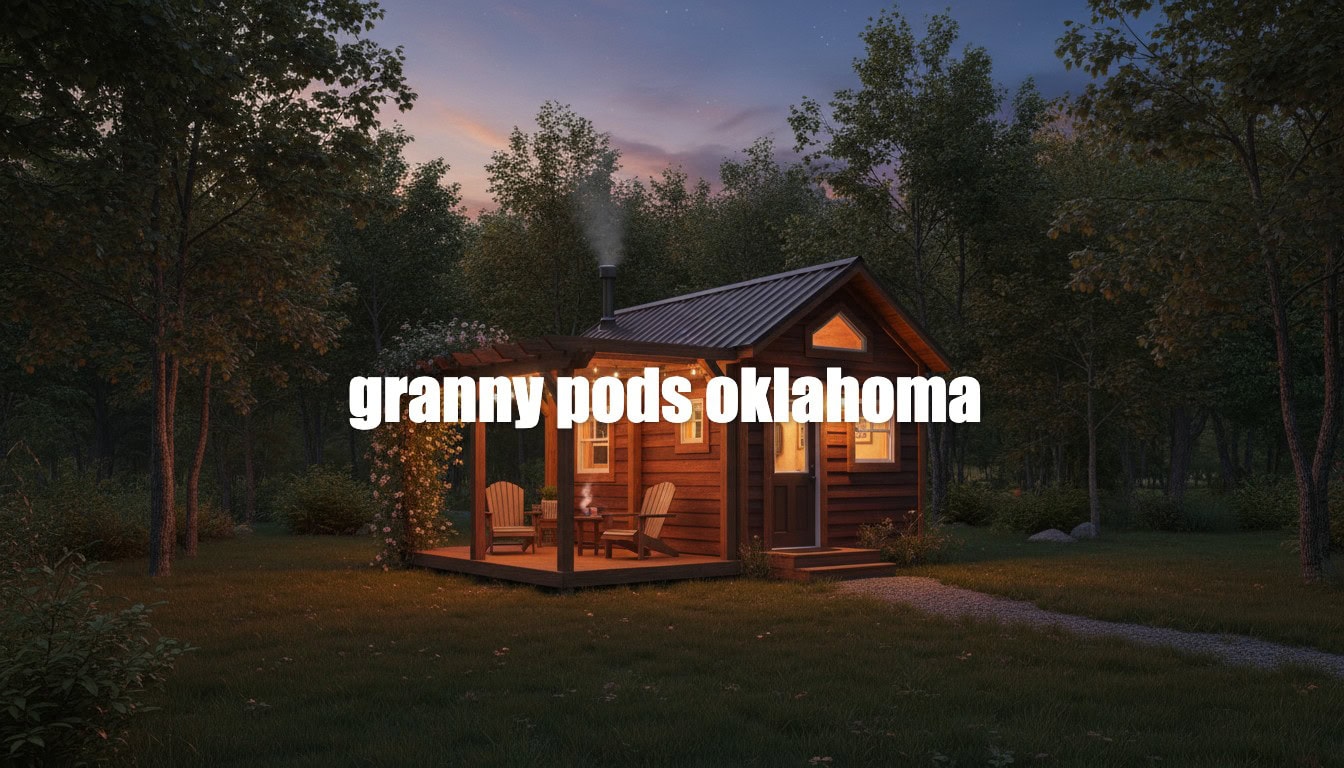
As you consider ways to care for aging family members in Oklahoma, granny pods emerge as a practical and compassionate solution. These compact living spaces allow your loved ones to maintain their independence while remaining near you for support. In a state known for its vast landscapes and family-oriented communities, granny pods align perfectly with the desire to keep generations connected without the high costs of traditional care facilities.
In the context of Oklahoma’s growing need for flexible elder care options, granny pods provide a relevant way to support multigenerational living on your property. Companies like Great Lakes Tiny Homes bring credibility through their focus on customizable tiny houses that serve as granny pods, offering models with or without wheels and optional RVIA certification for park models to meet local needs. As a full-service manufacturer of modular, park model, and tiny homes, Great Lakes Tiny Homes delivers turnkey builds to all 48 lower U.S. states, ensuring compliance and quality for your project.
If you’re exploring options for a granny pod in Oklahoma, consider booking a call with Great Lakes Tiny Homes experts to discuss your specific needs and zoning considerations. Book a call
Disclaimer: This article is for informational purposes only and does not constitute legal advice. Laws, regulations, and zoning rules vary by location and may change over time. Always consult your local zoning office or a qualified land use/zoning attorney before making decisions based on this information.
What Are Granny Pods?
You might wonder what exactly granny pods are and why they’re gaining traction in Oklahoma. Granny pods are small, detached dwelling units designed specifically for aging relatives, allowing them to live close to your family home while preserving their autonomy. Typically built as accessory dwelling units (ADUs), these structures provide a private space equipped with essentials like a bedroom, bathroom, and kitchenette, all within a compact footprint. In Oklahoma, where family ties run deep and the population is aging—with over 16% of residents aged 65 or older according to recent census data—granny pods address the growing need for affordable elder care.
They’re becoming popular because they offer a middle ground between full independence and institutional living. You can keep an eye on your loved one’s well-being without invasive daily involvement, which is especially valuable in rural areas where assisted living options may be limited. Granny pod-style tiny houses come in various configurations, including options on wheels for mobility or stationary builds, with RVIA certification available for park models to help with compliance in different areas. This flexibility allows you to choose what suits your property and regulations best. For more on local options, consider exploring tiny house for sale Tulsa.
The rise in popularity also ties into Oklahoma’s emphasis on self-reliance and land use. With sprawling properties common in places like Tulsa County or the Oklahoma City metro, you can integrate a granny pod seamlessly into your backyard. This setup not only supports emotional closeness but also aligns with the state’s cultural value of multigenerational living, making it a forward-thinking choice for your family dynamics.
Inside the Modern Granny Pod: Features, Design, and Purpose
Granny pods, also known as accessory dwelling units or ADUs, serve a clear purpose: to provide you with a way to house elderly relatives independently yet securely on your property. These units typically range from 300 to 800 square feet, offering enough space for comfort without overwhelming your land. You’ll find them equipped with essential amenities like full bathrooms, compact kitchens, sleeping areas, and sometimes even small living rooms, all designed for easy navigation. What sets granny pods apart from standard tiny homes is their focus on senior-friendly features.
You can expect accessibility elements such as zero-step entries to prevent falls, wider doorways for wheelchair access, and grab bars in bathrooms. Many modern designs incorporate medical monitoring capabilities, like built-in alert systems or smart devices that connect to your phone, allowing you to respond quickly to any needs. There are several types of granny pods available to suit your preferences. Prefab models arrive ready-to-assemble, saving you time and labor—ideal if you’re in a hurry to get your loved one settled. Custom-built options let you tailor every detail, from layout to finishes, ensuring it matches your vision.
Converted structures, like shipping containers or garages, offer a budget-friendly alternative if you already have a base on your property. For elderly relatives, these designs prioritize safety and convenience. Non-slip flooring reduces slip risks, especially important in Oklahoma’s variable weather. Energy-efficient appliances keep utility bills low, and open floor plans make movement effortless. Unlike basic tiny homes, which might prioritize minimalism for young adventurers, granny pods emphasize durability and health-focused tech, such as automated lighting or temperature controls to maintain comfort year-round.
In Oklahoma’s context, where summers can be scorching and winters occasionally icy, you’ll appreciate insulation that handles extreme temperatures. These features not only enhance daily living but also promote dignity, letting your family member feel at home rather than in a clinical setting. As you plan, consider how these elements align with your relative’s specific health needs, creating a space that’s both functional and welcoming. To see compliant designs, check what counties in Oklahoma allow tiny houses. Disclaimer: Regulations for features like accessibility may vary; consult local building codes.
Benefits of Granny Pods for Oklahoma Families
Choosing a granny pod for your Oklahoma family brings numerous advantages, starting with the proximity it provides for care and support. You can check in daily without the logistics of long drives to a facility, which is particularly helpful in a state with spread-out communities. This setup fosters a sense of security for everyone involved. Independence remains a key benefit; your elderly relative enjoys their own space, complete with privacy and personal routines, while knowing help is nearby.
This balance reduces feelings of isolation, common among Oklahoma’s over-700,000 seniors, as per state health reports. Financially, granny pods offer significant savings over nursing homes or assisted living, where monthly costs in Oklahoma average $4,500 to $7,000. A one-time investment in a pod, often between $100,000 and $150,000, pays off long-term, avoiding those recurring expenses. Your property value can increase too—adding a granny pod enhances versatility, appealing to future buyers seeking multigenerational options.
Even if you spend $100,000 to $150,000, this investment retains value, unlike the ongoing drain of assisted living fees, which can total hundreds of thousands over years. Emotionally, keeping family close strengthens bonds, aligning with Oklahoma’s cultural emphasis on togetherness. In a state where harsh winters and tornado seasons heighten vulnerability, having loved ones nearby provides peace of mind. Statistics show Oklahoma’s aging population is projected to grow 25% by 2030, making these solutions timely for your family’s future.
Oklahoma’s milder climate compared to northern states means less extreme heating needs, but pods with good insulation still save on energy. Culturally, the Sooner State’s ranching heritage supports backyard additions, making granny pods a natural fit for your lifestyle. For community ideas, visit best tiny home communities in Oklahoma.
Legal Considerations for Granny Pods in Oklahoma
Navigating the legal landscape for granny pods in Oklahoma requires understanding state regulations, which treat them as ADUs under varying local rules. Oklahoma doesn’t have a uniform statewide law, so zoning, building codes, and permits differ by county and municipality. You must check with local planning departments to ensure compliance. Zoning laws often classify granny pods under residential accessory uses, but some areas restrict them to family members only.
Building codes follow the International Residential Code (IRC), mandating features like proper foundations and utilities. Permits typically involve site plans, engineering reports, and health department approvals for septic if needed. Recent legislative efforts have aimed to ease ADU approvals in larger cities, promoting more flexible housing options across the state. Disclaimer: This article is for informational purposes only and does not constitute legal advice. Laws, regulations, and zoning rules vary by location and may change over time. Always consult your local zoning office or a qualified land use/zoning attorney before making decisions based on this information.
RVIA certification benefits legal considerations greatly; park models with this meet RV standards, allowing placement in more zones without full building permits. They bypass some foundation requirements, speeding installation and reducing costs in restrictive areas. To ensure your project goes smoothly, consult resources familiar with Oklahoma’s regulations for guidance on compliant builds. For builder insights, explore tiny house builder Tulsa for local expertise.
Which Oklahoma Counties Allow Granny Pods?
Determining which Oklahoma counties permit granny pods involves reviewing local ordinances, as regulations vary widely. Below is a table summarizing key counties, focusing on populated areas with clear policies. This helps you assess feasibility for your property. Disclaimer: Regulations can change; verify with local authorities.
| County Name | Granny Pod Status | Minimum Lot Size Requirements | Maximum Size Allowed | Special Notes | Source |
|---|---|---|---|---|---|
| Oklahoma (Oklahoma City) | Allowed | 7,000 sq ft | 1,000 sq ft | OKC permits detached ADUs; must be owner-occupied or for family. Check for setbacks of 5 ft from property lines. | City of OKC Accessory Dwellings |
| Tulsa (Tulsa) | Allowed | 7,500 sq ft | 800 sq ft | Tulsa allows in R districts; utilities must connect to main home. Recent updates favor multigenerational housing. | Tulsa County Zoning Code |
| Cleveland (Norman) | Restricted | 10,000 sq ft | 600 sq ft | Case-by-case in urban areas; rural zones prohibit. Norman requires conditional use permit. | City of Norman ADU FAQs |
| Comanche (Lawton) | Case-by-Case | 1 acre | 500 sq ft | Variances needed; military families may get leniency near bases. | Local Planning Department |
| Canadian (Yukon) | Allowed | 6,000 sq ft | 900 sq ft | Proximity to OKC metro eases approvals; foundation required for permanent units. | Canadian County Permit Office |
| Garfield (Enid) | Restricted | 20,000 sq ft | 400 sq ft | Limited to attached units; detached need special zoning. | City of Enid Planning |
For major counties like Oklahoma, city-specific rules in Oklahoma City allow granny pods in most residential zones but cap them at 50% of the primary home’s size. In Tulsa County, Tulsa’s code supports eco-friendly designs. Always verify with county planners, as policies evolve. If you’re eyeing a tiny house for sale in Oklahoma City, explore options at tiny house for sale Oklahoma City to see compliant models.
Major Cities for Granny Pods in Oklahoma
Oklahoma City
Oklahoma City has embraced granny pods through its backyard dwellings ordinance, effective since July 2025, allowing ADUs in core residential areas to promote affordable housing options. These units must comply with zoning in single-family districts, requiring a minimum lot size of 7,000 square feet and setbacks from property lines. Property owners need to apply for a residential building permit before construction, ensuring the structure does not exceed 1,000 square feet or 50% of the primary dwelling’s size. The city’s development planning department provides resources for site plans and utility connections, emphasizing family use to maintain neighborhood character.
This progressive policy addresses the housing needs of aging residents in the metro area, where over 15% of the population is 65 or older. For official guidance, contact the Oklahoma City Development Center at their website or local office. Builders experienced in OKC codes can help navigate the process efficiently. Disclaimer: Always confirm current ordinances with the city planning department.
Tulsa
In Tulsa, granny pods are permitted as ADUs in residential districts under the city’s zoning code, with a focus on integrating them harmoniously into existing neighborhoods. Minimum lot sizes start at 7,500 square feet, and units are capped at 800 square feet to preserve open space. Utilities must connect to the main home, and designs often require approval from the Tulsa Planning Office to ensure compliance with height and setback rules. Recent updates have streamlined approvals for multigenerational housing, reflecting Tulsa’s commitment to flexible living arrangements.
The city’s vibrant community supports such innovations, particularly in areas with growing senior populations. Homeowners should review the zoning code for specific R-district allowances and consider environmental features like energy-efficient builds suited to Tulsa’s climate. For detailed ordinances, visit the Tulsa Planning Office resources. Disclaimer: Zoning rules may evolve; consult local authorities for your property.
Norman
Norman in Cleveland County approaches granny pods cautiously, classifying them as restricted ADUs that require conditional use permits on a case-by-case basis. Lots must be at least 10,000 square feet, with maximum sizes limited to 600 square feet to fit within the city’s lot coverage limits of 65% in R-1 districts. The policy aims to balance neighborhood aesthetics with the need for elder care, often mandating that the unit be occupied by family members. Recent city council votes have opened doors for tiny houses adjacent to primary homes, but rural zones remain prohibitive.
This setup encourages thoughtful planning, including soil tests for foundations in Norman’s varied terrain. The Community Development Department offers FAQs and application guidance to assist applicants. As university proximity influences housing demands, these rules help manage growth sustainably. Disclaimer: Verify eligibility with Norman’s planning staff.
Lawton
Lawton in Comanche County handles granny pods on a case-by-case basis, typically requiring variances for detached units due to stricter rural influences. Minimum lot sizes are around one acre, with sizes not exceeding 500 square feet to comply with base-area zoning near military installations. Special leniency may apply for military families, but all builds must meet IRC standards for safety and utilities. The city’s planning commission reviews applications to ensure compatibility with local land use.
This approach supports Lawton’s community-oriented ethos while addressing potential infrastructure strains. Contact the Lawton Development Services for permit details and site evaluations. Disclaimer: Policies vary; professional consultation is recommended.
Yukon
Yukon in Canadian County allows granny pods as ADUs on lots of at least 6,000 square feet, benefiting from proximity to the OKC metro for easier approvals. Maximum sizes reach 900 square feet, with permanent units needing foundations per building codes. The permit office handles zoning inquiries, emphasizing connections to existing utilities and family occupancy. This facilitates multigenerational living in growing suburban areas.
Recent ordinances align with broader county efforts to expand housing options. Reach out to Canadian County’s Permit Office for specific guidance. Disclaimer: Confirm with local zoning officials.
The Granny Pod Installation Process in Oklahoma
Installing a granny pod in Oklahoma follows a structured process to ensure compliance and durability. Start by researching local zoning laws—contact your county office to confirm ADU allowances on your lot. This step avoids costly surprises, especially in varied terrains from plains to hills. Next, obtain permits: Submit plans showing setbacks, utilities, and size.
Expect 4-8 weeks for approval in urban areas like Oklahoma City, longer rurally. Practical advice: Hire a surveyor for $500 to map your site accurately. Site preparation considers Oklahoma’s red dirt and weather—clear vegetation and level ground, budgeting for erosion control. For winter installations, schedule post-freeze to avoid soil issues.
Utility connections are crucial; tie into your main septic or add a new one ($10,000+). Electricity and water must withstand Oklahoma’s storms—use buried lines. Challenges include connecting during rainy seasons, so plan for dry weather. Delivery and installation take 1-2 weeks for prefab units.
Wheeled models arrive via truck; stationary ones need cranes. Timeline: 2-4 months total. Final inspections check codes—fix issues promptly to occupy. Potential hurdles: Delays from permit backlogs in growing counties like Tulsa. Engage professionals early to navigate these, ensuring your pod stands strong against Oklahoma’s winds. For local builders, see tiny house builder Oklahoma City.
Design Considerations for Oklahoma Granny Pods
Designing your granny pod for Oklahoma means accounting for the state’s four seasons, from hot summers to occasional snow. Weatherproofing is essential—opt for impact-resistant roofing to handle hail and winds up to 70 mph in tornado alley. Insulate walls to R-30 for energy efficiency, keeping cooling costs down in 100°F heat. Accessibility features like zero-step entries, wider doorways (36 inches), and grab bars make navigation safe for aging residents.
Include lever handles and adjustable-height counters for ease. Smart home tech, such as voice-activated lights or fall-detection sensors, integrates seamlessly, connecting to your devices for monitoring. Energy-efficient solar panels suit Oklahoma’s sunny days, reducing bills by 30%. Customization allows you to align the design with your vision, incorporating elements that enhance comfort and functionality for daily living.
Utility connections require planning: Ensure septic compatibility and aesthetic harmony with your main home, using matching siding. These elements create a cohesive, comfortable space tailored to your needs. For communities, check best tiny home communities in Oklahoma for inspiration on integrated designs. Disclaimer: Designs must meet local building codes; consult professionals.
Finding Expert Guidance for Your Project
Working with professionals who grasp Oklahoma’s unique granny pod requirements is vital for success. Local codes, from wind-load standards to soil considerations, demand expertise to avoid pitfalls. Options like Great Lakes Tiny Homes offer knowledge of building granny pods that comply with state regulations. Their approach to customization covers accessibility modifications and climate adaptations, focusing on comfortable spaces for aging family members.
As you plan, consider reaching out for a consultation to discuss your specific needs and explore available options. For more on tiny houses in Norman, visit tiny house for sale Norman.
Granny Pod Prices in Oklahoma
Granny pod prices in Oklahoma vary significantly based on several key factors, including the size of the unit, whether it uses a foundation or wheels for mobility, the inclusion of RVIA certification for park models, necessary utility hookups, and adherence to local zoning and building codes. Smaller units around 300 square feet might start at basic prefab costs, while larger custom builds up to 800 square feet can escalate with added features like advanced accessibility modifications. In urban areas like Oklahoma City and Tulsa, where permitting is more streamlined, overall expenses may be lower due to easier access to contractors and materials, but rural locations could increase transportation fees. Recent 2026 estimates place average tiny home construction at $200 to $400 per square foot, influencing granny pod budgets accordingly. These variations underscore the importance of early budgeting that accounts for site-specific requirements to avoid unexpected overruns.
Foundation-based installations, common for permanent ADUs, add substantial costs compared to wheeled options that can be placed more flexibly but may face zoning restrictions in some counties. RVIA certification, while beneficial for compliance in RV-friendly zones, involves additional testing and fees that can raise the price by 10-20%. Utility hookups, such as septic systems or electrical extensions, depend on property infrastructure and can range widely based on distance from the main home. Local codes might mandate specific materials for Oklahoma’s weather resilience, further impacting expenses. Understanding these elements helps families plan effectively for a structure that meets both regulatory and practical needs.
Great Lakes Tiny Homes Pricing
Great Lakes Tiny Homes offers granny pod builds in the $100,000 to $150,000 range, providing turnkey delivery that includes customization for Oklahoma’s climate and zoning needs. This pricing covers high-quality materials, senior-friendly features, and options for wheels or foundations to suit various property types. As a full-service manufacturer, they handle everything from design to installation across the lower 48 states, ensuring compliance with local codes. Their transparent approach allows for adjustments based on specific requirements, making it easier to stay within budget while achieving a durable, comfortable space.
Compared to general market rates, this range offers value through expertise in ADU conversions and RVIA-certified park models, which can simplify permitting in restrictive areas. Families benefit from the long-term savings over traditional care facilities, with the investment often recouping through property value increases. For detailed quotes, consider their consultation services.
Great Lakes Tiny Homes Model Options
- Modular Homes – Ideal for stationary granny pods on foundations, offering quick assembly and full customization for accessibility.
- A-Frame – Compact and efficient designs that fit zoning size limits while providing cozy, senior-friendly interiors.
- Cabin – Rustic yet modern options suited to Oklahoma’s landscapes, with options for energy-efficient features.
- Park Models – RVIA-certified for easier placement in permitted zones, perfect for semi-permanent setups.
- Tiny House on Wheels – Mobile solutions for flexible zoning compliance, allowing relocation if needed.
Choosing a model depends on your local zoning—wheeled options may suit areas restricting permanent foundations, while modular builds align with stricter ADU codes. This flexibility ensures the selected design enhances your property without regulatory hurdles.
Zoning impacts model choice significantly, so evaluating local rules early can guide decisions toward the most cost-effective and compliant option. If you’d like guidance on selecting the right model for your Oklahoma property, book a call with Great Lakes Tiny Homes experts. Book a call
Disclaimer: Pricing is approximate and subject to customization; consult builders for exact quotes.
FAQ
Are granny pods legal in all parts of Oklahoma?
No, granny pods aren’t legal everywhere in Oklahoma due to varying local laws. Statewide, ADUs are permitted under the IRC, but counties and cities enforce their own zoning. Urban areas like Oklahoma City and Tulsa generally allow them on residential lots meeting size minimums, often requiring family occupancy. Disclaimer: Always verify with local planners. For counties allowing tiny houses, see what counties in Oklahoma allow tiny houses.
Can I install a granny pod on any size property in Oklahoma?
You can’t install a granny pod on just any size property in Oklahoma; minimum lot sizes apply per locality. Most counties require at least 7,000-10,000 square feet for single-family zones, ensuring space for setbacks and utilities. Smaller urban lots might qualify with variances, but rural areas often demand 1+ acres. Check your deed and zoning map—HOAs may add restrictions.
Do I need special insurance for a granny pod?
Yes, you’ll likely need to adjust your insurance for a granny pod in Oklahoma, as standard homeowners policies may not cover detached structures fully. Add it as an accessory building endorsement, increasing premiums by 10-25% based on value and location. For occupied pods, consider separate dwelling coverage for liability and contents, especially with seniors. Oklahoma’s tornado risks necessitate wind/hail riders.
Can I rent out my granny pod in Oklahoma?
Renting out a granny pod in Oklahoma depends on local zoning—many areas limit ADUs to family use only, prohibiting commercial rentals. Cities like Oklahoma City allow short-term rentals with permits if zoned appropriately, but long-term family-only is common. Tulsa permits rentals in multi-family zones, requiring occupancy limits and safety inspections. Disclaimer: Check ordinances for compliance.
What are the minimum size requirements for granny pods in Oklahoma?
Minimum size requirements for granny pods in Oklahoma vary by locality but often align with ADU standards under the IRC, typically starting at 200-300 square feet for habitable space. Cities like Norman cap coverage but ensure units include essential rooms without specifying a strict minimum beyond code compliance. Focus on functionality for seniors, such as adequate bedroom and bathroom space. Consult local codes for exact measurements.
Do granny pods on wheels face different regulations than those on foundations?
Yes, granny pods on wheels are often classified as RVs in Oklahoma, allowing placement in designated areas without full building permits but restricting permanent residency in some zones. Foundation-based units must comply with stricter ADU zoning, including foundations and utilities ties. Wheeled models offer mobility but may need RVIA certification for legality. Choose based on your county’s rules for the best fit.
What permits and utilities are needed for a granny pod?
Permits for granny pods in Oklahoma include zoning approvals, building permits, and possibly health department reviews for septic systems, varying by county. Utilities must connect to the main home or install independent systems compliant with codes. Expect site plans and inspections throughout the process. Early consultation with local offices streamlines this.
Conclusion: Creating a Supportive Home for Your Loved Ones
Granny pods in Oklahoma empower you to create a supportive environment where family stays connected and independence thrives. This choice honors dignity, offering quality care on your terms amid the Sooner State’s vibrant communities. Beyond housing, it’s an investment in emotional well-being and financial security, contrasting the isolation of facilities.
Local expertise simplifies the journey, ensuring your pod meets every need. Take that first step today—research, consult, and build a legacy of love and closeness for generations to come. When considering builders for your granny pod, Great Lakes Tiny Homes provides a reliable option with experience in delivering turnkey modular and park model homes across the lower 48 U.S. states. Their focus on quality and compliance makes them a practical choice for your project, regardless of your location. If you’d like an expert second opinion, book a call with the Great Lakes Tiny Homes team. Book a call