
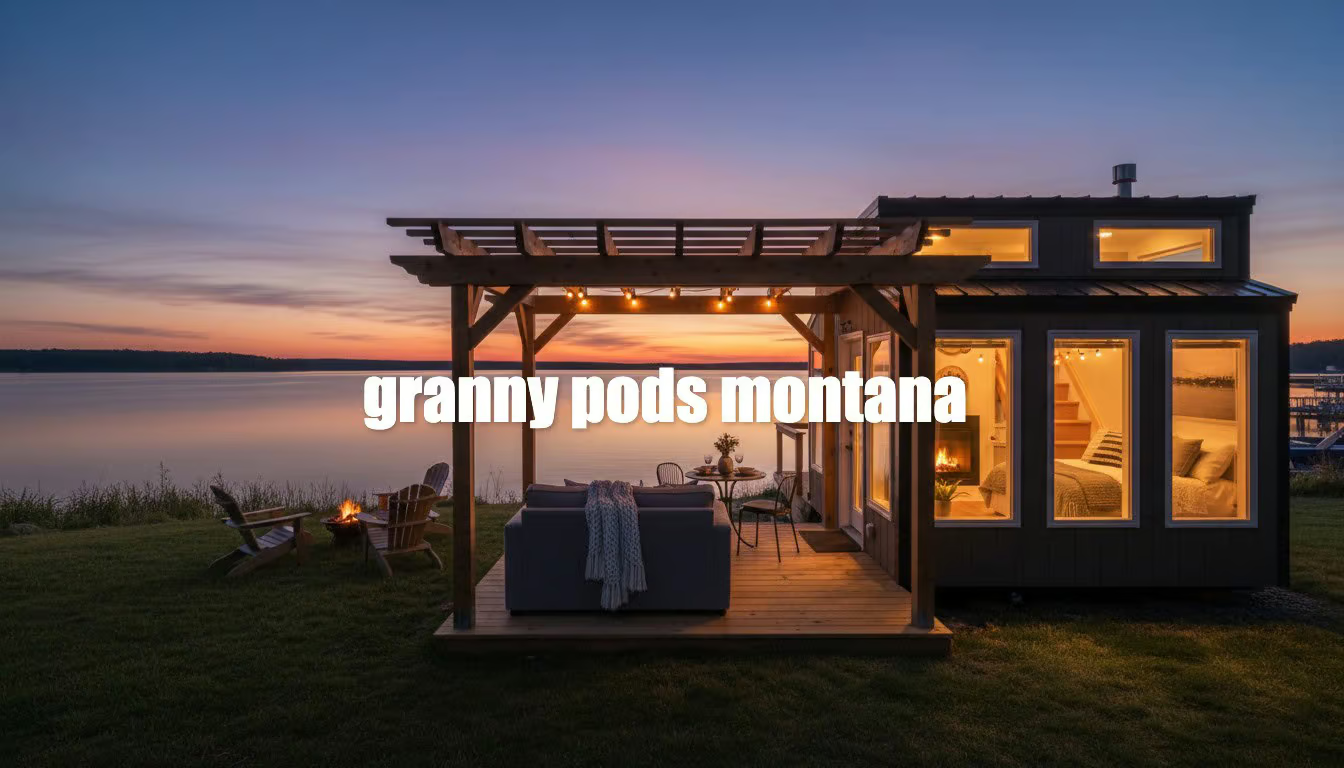
As you navigate the challenges of caring for aging family members in Montana’s vast landscapes, granny pods offer a practical and heartfelt solution. These compact dwellings allow your loved ones to stay close while enjoying their independence, blending seamlessly with your property amid the Big Sky State’s rugged beauty. Whether you’re in Billings or Missoula, understanding granny pods can transform how you approach multigenerational living.
In Montana, where family ties run deep and the wide-open spaces emphasize self-reliance, options like those from Great Lakes Tiny Homes provide relevant pathways. Their tiny house models, adaptable as granny pods, align with local needs by offering customizable features that respect the state’s diverse climates—from snowy winters in the mountains to milder plains. This approach builds credibility through quality craftsmanship, ensuring your setup meets both emotional and practical demands without overpromising.
What Are Granny Pods?
You might be wondering what exactly granny pods are and why they’re gaining traction in Montana. Granny pods are small, detached dwelling units designed for aging relatives, allowing them to live adjacent to your main home while preserving autonomy. Often called accessory dwelling units (ADUs), these structures include essentials like a bedroom, bathroom, and kitchenette within a compact footprint.
In Montana, their popularity arises from the aging population and aversion to institutional care. With over 18% of Montanans aged 65 or older, per census data, families seek ways to keep elders close amid rising healthcare costs. Granny pods provide a cost-effective alternative to nursing homes, which exceed $7,000 monthly. They fit Montana’s culture of independence, extending family life on ranches or suburban lots.
Great Lakes Tiny Homes offers tiny houses customizable as granny pods, with or without wheels for mobility. Wheeled units may need RVIA certification for regulations, known as park models built to high safety standards for permanent setups. These ensure functionality and compliance tailored to your needs.
Imagine a pod near your Bozeman home, where your parent enjoys mountain views from their space, joining family dinners without isolation. This fosters interaction and eases concerns, as Montana’s senior population is projected to reach 20% by 2030, making granny pods a forward-thinking choice honoring family legacy.
Inside the Modern Granny Pod: Features, Design, and Purpose
When you explore granny pods, also known as ADUs, you’ll see they’re purpose-built sanctuaries for aging loved ones. Ranging from 300 to 800 square feet, they include full bathrooms, compact kitchens, and cozy sleeping areas for comfort and ease.
Senior-friendly features distinguish them: zero-step entries, wider doorways for wheelchairs, non-slip flooring, grab bars, lever handles, and adjustable counters. Smart sensors for fall detection or health alerts provide security via your phone.
Prefab options arrive nearly ready, ideal for Helena’s weather. Custom builds allow tailoring insulation for cold snaps or solar for remote areas. Converted structures offer budget entry but need code modifications.
These promote dignity and safety; a 400-square-foot pod might have a hospital-bed frame, hobby space, and energy-efficient windows for low winter heating. Unlike minimalistic tiny homes, granny pods focus on longevity, ensuring independence and connection.
Layouts feature open plans with multifunctional furniture like sofa beds. Amenities include laundry and climate control for Montana’s seasons. For mobility issues, voice-activated lights enhance usability. Granny pods bridge proximity and freedom, redefining senior living.
Benefits of Granny Pods for Montana Families
For you in Montana, granny pods align with family culture and climate challenges. Proximity enables quick support without full cohabitation, allowing independence while providing oversight, reducing long-distance caregiving stress.
Financially, they save over nursing homes or assisted living at $6,500-$8,000 monthly, per Genworth 2023. A $100,000-$150,000 pod from Great Lakes Tiny Homes pays off, saving hundreds of thousands long-term. It boosts property value as an asset, unlike facility fees totaling $500,000+ over a decade.
Emotionally, they combat isolation—15% of seniors over 65 live alone—fostering bonds through shared activities amid ranching heritage. They honor self-sufficiency, letting elders garden while aided in winters.
Climate perks include insulation against sub-zero temps in Kalispell, lowering bills. Senior population grew 25% from 2010-2020, with costs rising 5% annually. ADUs add 10-20% to rural home value.
Peace of mind is invaluable—you rest easier with safety nearby, not icy drives to facilities. In tight-knit communities, this promotes multigenerational living preserving traditions under endless skies.
Legal Considerations for Granny Pods in Montana
Navigating granny pod laws in Montana blends state guidelines with local variations. Montana uses International Building Codes for ADUs, but zoning differs by county. Pods are accessory structures on single-family lots, meeting setbacks and not exceeding 50% of primary home size.
Zoning classifies them as residential units; urban Billings is stricter than rural counties. Codes require energy compliance, especially seismic in west Montana. Permits include zoning variance, building, and health approvals for septic; fees $500-$2,000, plus inspections.
Accommodating areas: Missoula County allows with 7,200 sq ft minimum; Flathead supports caregiver units. Stricter Yellowstone caps at 800 sq ft with reviews. Helena and Bozeman ease approvals. House Bill 608 (2023) streamlines caregiver dwellings; pending bills standardize rules.
RVIA-certified park models bypass inspections, aiding approval and financing, treated as RVs in disputes—ideal for variable enforcement.
Link to What Counties in Montana Allow Tiny Houses for insights. To proceed, book a call with our experts who’ve helped hundreds of customers make their tiny home dreams a reality.
Which Montana Counties Allow Granny Pods?
Here’s an overview of Montana counties’ stances on granny pods, focusing on populated areas. Regulations evolve—verify locally.
| County Name | Granny Pod Status | Minimum Lot Size Requirements | Maximum Size Allowed | Special Notes |
|---|---|---|---|---|
| Yellowstone (Billings) | Restricted | 10,000 sq ft | 800 sq ft | Case-by-case in city; allows detached ADUs with owner-occupancy, stricter setbacks. |
| Missoula | Allowed | 7,200 sq ft | 1,000 sq ft | Supportive for family; up to 50% main home size, streamlined since 2022. |
| Cascade (Great Falls) | Case-by-Case | 8,000 sq ft | 600 sq ft | Variance for detached; favorable attached. Check floodplains. |
| Flathead (Kalispell) | Allowed | 5 acres rural | 900 sq ft | Lax unincorporated; caps 40% coverage. Caregiver exemptions. |
| Gallatin (Bozeman) | Allowed | 6,000 sq ft | 800 sq ft | 2021 ordinance eases; no parking near transit. Growth fees possible. |
| Silver Bow (Butte) | Restricted | 9,000 sq ft | 500 sq ft | Attached preferred; detached needs permit. Soil testing due to mining. |
| Lewis and Clark (Helena) | Case-by-Case | 7,500 sq ft | 700 sq ft | Design review; historic compatibility. Bill supports consistency. |
Explore Best Tiny Home Communities in Montana for more. In Yellowstone, Billings rules need guidance.
Cost of Building a Granny Pod in Montana
Costs for a Montana granny pod vary; prefab basics start at $80,000 for 300 sq ft, mid-range $120,000 with amenities. Custom: $150,000-$250,000 up to 800 sq ft; high-end $300,000 with tech and insulation.
Site prep: $5,000-$20,000; foundation $10,000+ for frost protection. Wheeled anchoring $2,000-$5,000. Utilities $10,000-$30,000, higher rural ($15,000+ septic). Permits $1,000-$3,000; maintenance $1,000 yearly.
Vs. assisted living at $75,000/year ($300,000 over four years), a $100k-$150k pod recoups via 10-15% value uplift. Financing: equity loans (4-6%); grants available. Insurance: $500-$1,000 added. Taxes: exemptions for caregivers save $1,000+.
Check Tiny House For Sale Billings. At $100k-$150k, Great Lakes Tiny Homes offers value for flexibility or permanence over facility costs.
The Granny Pod Installation Process in Montana
Installation in Montana requires structure for terrain and weather. Step-by-step:
- Research Zoning: Contact county office via DEQ. Urban Missoula straightforward; rural variances. 2-4 weeks.
- Permits: Submit for building, zoning, health. 4-8 weeks; $500-$2,000. Include winter specs in Bozeman.
- Site Prep: Level for slopes; gravel for wheeled, 4 ft foundations. $5k-$15k; rocky soil challenges.
- Utilities: Insulate against -30°F; underground electric $5k+; PEX piping.
- Delivery: Prefab 1-2 days; custom 3-6 months. 1 week setup; secure in wind.
- Inspections: Code checks; high pass with pros. Total 3-6 months.
Hurdles: backlogs in Gallatin. See Tiny House Builder Missoula for insights. Patience ensures seamless setup.
Design Considerations for Montana Granny Pods
Design for Montana prioritizes resilience: R-40 insulation, metal roofing for snow and winds. Energy efficiency with double-pane windows, heat pumps, solar—cuts bills 30% in Great Falls.
Accessibility: ramps, 36-inch doors, grab bars, curbless showers. Smart tech for remote monitoring.
Utilities: below frost line, propane backups. Aesthetics: match home, log-style in Whitefish. Integrate patios for gatherings.
Great Lakes Tiny Homes thrives on personal connections, loving build stories. Book via site to discuss vision; their guidance makes it collaborative, fitting Montana’s spirit. These create efficient, accessible havens.
Finding Expert Guidance for Your Project
Partner with pros for Montana granny pods to handle codes like seismic and energy standards.
Great Lakes Tiny Homes specializes in compliant granny pods with customization for insulation or ramps. They focus on durable designs enhancing life.
Schedule consultation; book a call with our experts who’ve helped hundreds. This aids success without pressure.
Conclusion: Creating a Supportive Home for Your Loved Ones
In Montana’s landscapes, granny pods let you craft supportive environments for aging with grace. It’s an investment in bonds, dignity, and moments, shielding elder care uncertainties.
Expertise from Great Lakes Tiny Homes smooths paths amid challenges, delivering turnkey modular and park model homes across the lower 48 states. Their experience makes them a reliable choice for exploring this living, ensuring practical, quality solutions wherever you are.
As you weigh options, consider the impact: nurturing health and happiness. Take the first step toward a legacy of care under big skies.
Frequently Asked Questions About Granny Pods in Montana
Answers to common queries for confident proceeding.
How Can Great Lakes Tiny Homes Help Me On My Granny Pod Journey
Great Lakes Tiny Homes provides personalized guidance from concept to completion. Consultations assess needs—wheeled or foundation units. They review regulations for Missoula or Billings.
Customization includes accessibility, efficiency for winters, property matches. They manage permitting, prep, installation from hundreds of builds. Post-support: maintenance tips.
Tour or call; approachable team empowers. They realize spaces strengthening ties at $100k-$150k.
Are granny pods legal in all parts of Montana?
No, varying laws. State permits under residential zoning, but counties vary. Bozeman allows readily; rural restricts by lot or setbacks.
Missoula up to 1,000 sq ft; Yellowstone reviews. HB 608 eases caregivers; HOAs may ban. Check planning; RVIA models as RVs. Experts avoid $1,000 daily fines.
Most areas support with steps, promoting care.
Can I install a granny pod on any size property in Montana?
No, minimums prevent overcrowding: 7,200 sq ft in Helena; rural waives for 1 acre in Flathead.
Under 5,000 sq ft rare variances, especially Billings. Setbacks 5-10 ft, coverage 30-50%. Small lots suit attached. Park models on leased land for undersized.
Survey early; pros maximize space legally.
Do I need special insurance for a granny pod?
Yes, adjust policy: covers up to 10% value, but livable needs endorsements $300-$800/year.
Includes liability, contents, wildfire/flood. Wheeled under RV ($500); permanent builder’s risk. Notify early; ADU riders available.
Shop Montana Farm Bureau or State Farm for rural. Safeguards investment and peace.
Can I rent out my granny pod in Montana?
Possible but regulated. Family-intended; short-term permits in many counties, long-term as duplex.
Missoula on larger lots; Billings owner-occupied. Report income; caregiver exemptions. HOAs prohibit. $800-$1,500/month potential, but check legally. Prioritize habitability for non-family.
Flexibility adds value; family primary.