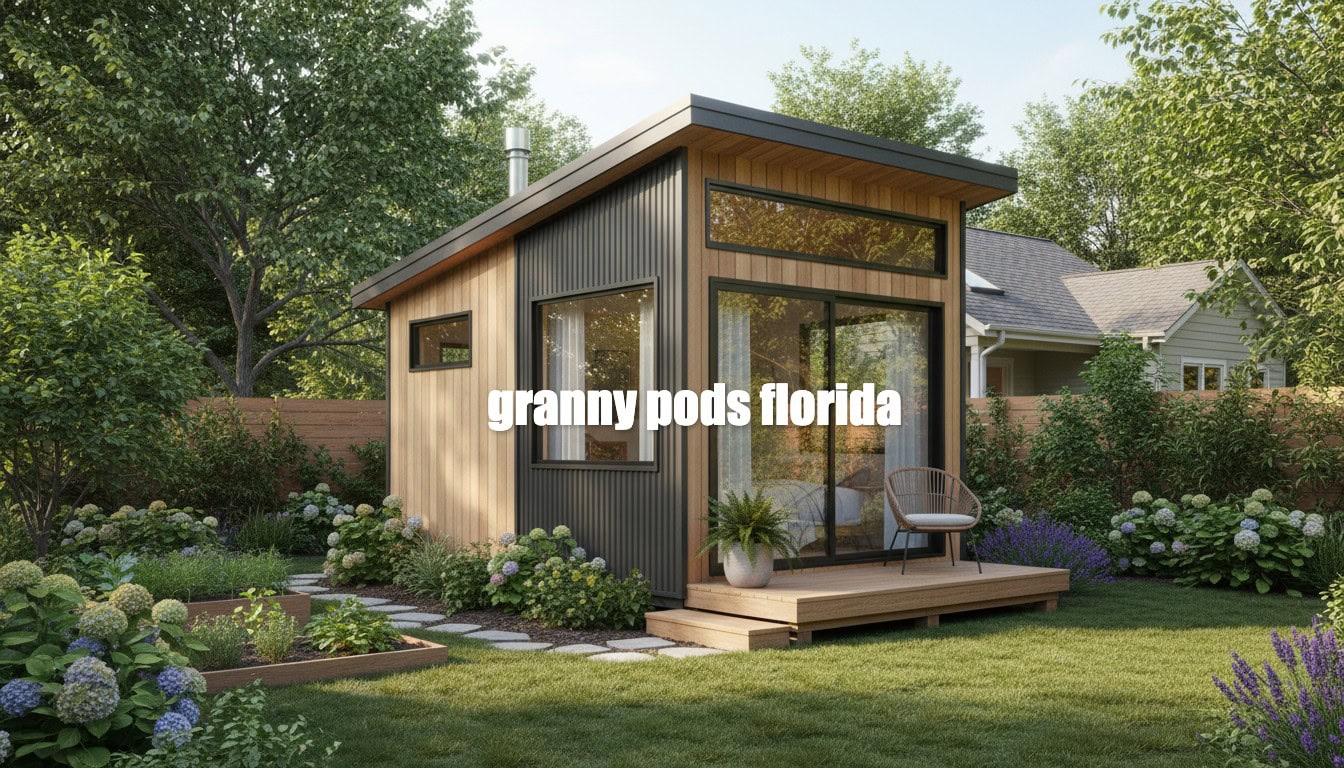
As Florida’s population continues to age and families seek innovative solutions for elder care, we’re seeing a remarkable shift in how we approach multi-generational living. Granny pods—small, self-contained dwelling units designed specifically for aging relatives—are transforming backyards across the Sunshine State into compassionate care communities. These compact homes offer a perfect balance between independence and proximity, allowing our loved ones to maintain their dignity while staying close to family support.
At Great Lakes Tiny Homes, we’ve witnessed firsthand how the principles of thoughtful, compact living can transform family dynamics and care solutions. While we’re based in the Great Lakes region, our expertise in building high-quality, customizable small dwellings has given us deep insights into what makes these structures work for families nationwide. We understand that whether you’re in Florida or elsewhere, the core needs remain the same: quality construction, smart design, and spaces that truly serve the people who live in them.
What Are Granny Pods?
Granny pods are small, detached dwelling units specifically designed to house aging relatives on the same property as their family members. In Florida, these innovative housing solutions are gaining tremendous popularity as families search for alternatives to traditional nursing homes and assisted living facilities. These compact homes typically range from 300 to 800 square feet and are designed with the unique needs of elderly residents in mind.
What makes granny pods particularly appealing in Florida is their ability to address multiple challenges simultaneously. We’re dealing with an aging population that values independence, families who want to provide care without sacrificing their loved ones’ dignity, and a housing market that demands creative solutions. Florida’s warm climate makes year-round outdoor living possible, and our significant retiree population means we have a higher-than-average number of families facing elder care decisions.
These structures go by several names—accessory dwelling units (ADUs), in-law suites, or mother-in-law cottages—but the concept remains consistent: providing our aging family members with a safe, comfortable, and accessible living space that keeps them connected to family while preserving their independence.
Inside the Modern Granny Pod: Features and Design
Modern granny pods typically include a bedroom, bathroom, kitchenette or full kitchen, and a living area—all within a compact footprint. What sets them apart from standard tiny homes is their focus on accessibility, safety, and senior-friendly design elements.
We can categorize granny pods into several types: prefabricated units that arrive largely complete and can be installed quickly, custom-built pods offering maximum flexibility, and converted existing structures like garages. The features that distinguish granny pods include zero-step entries, wider doorways that accommodate wheelchairs and walkers, bathrooms equipped with grab bars, walk-in showers, and raised toilets. Many incorporate non-slip flooring, lever-style door handles, and accessible light switches.
Medical monitoring capabilities represent another crucial distinction. Many granny pods can be equipped with smart home technology that monitors movement patterns, detects falls, and tracks vital signs. We can install emergency call systems, medication reminders, and video communication systems. Climate control is particularly important in Florida’s heat, so efficient HVAC systems are essential.
Kitchen areas are designed with safety in mind, featuring automatic shut-off appliances, easy-to-reach storage, and adjustable counter heights. Storage solutions must be both accessible and efficient, incorporating pull-out shelving and creative solutions that maximize limited square footage without creating obstacles.
Benefits of Granny Pods for Florida Families
The advantages of granny pods for Florida families extend far beyond simple convenience. Proximity to family stands as perhaps the most significant benefit. When we install a granny pod on our property, we create an arrangement where our aging parents or grandparents can maintain their independence while remaining close enough for us to provide daily support.
The financial benefits compared to traditional elder care facilities are substantial. In Florida, assisted living facilities average $3,500 to $5,000 per month, with memory care units often exceeding $6,000 monthly. Nursing home care can surpass $8,000 to $10,000 per month. When we compare these ongoing expenses to the one-time investment in a granny pod—typically ranging from $40,000 to $150,000—the long-term savings become clear. Most families recoup their investment within three to five years.
The emotional and psychological benefits cannot be overstated. Elderly family members living in granny pods report higher levels of satisfaction, less depression, and better overall mental health compared to those in institutional settings. For grandchildren, having grandparents living on the property creates opportunities for daily interaction and relationship building.
Property value considerations also factor into our decision-making. Many Florida properties see increased value with the addition of a well-designed granny pod. We’re essentially adding livable square footage and creating a property feature that appeals to the growing number of buyers interested in multi-generational living arrangements.
For families exploring tiny house for sale Florida options, granny pods represent a specialized application of compact living principles. Similarly, those researching best tiny home communities in Florida will find that the same zoning considerations often apply to both community-based tiny homes and backyard granny pods.
Legal Considerations for Granny Pods in Florida
Navigating the legal landscape for granny pods in Florida requires us to understand a complex web of state regulations, county ordinances, and municipal codes. Unlike some states with uniform ADU laws, Florida delegates much of the regulatory authority to local governments, which means the rules we face can vary dramatically depending on where our property is located.
At the state level, Florida doesn’t have comprehensive legislation specifically addressing granny pods or ADUs. The Florida Building Code applies to all structures, ensuring our granny pods are built to withstand hurricanes, high humidity, and intense heat.
Zoning regulations present the most significant hurdle. We need to understand whether our property is zoned to allow accessory dwelling units, what size restrictions apply, and whether there are setback requirements. Some municipalities classify granny pods as temporary structures if they’re designed to be movable, which can sometimes provide more flexibility.
Permit requirements vary by jurisdiction, but we generally need to obtain building permits before installing a granny pod. This process typically involves submitting detailed plans, demonstrating compliance with local codes, and passing inspections. Some counties require special use permits or conditional use permits specifically for ADUs.
Urban areas like Miami-Dade, Broward, and Palm Beach counties have generally been more progressive in updating their codes to allow ADUs. Cities like Orlando, Tampa, and Jacksonville have also made strides in creating clearer pathways for ADU approval. However, some smaller municipalities and rural counties maintain more restrictive policies.
Homeowners association (HOA) rules add another layer of complexity. If our property is part of an HOA, we must review the covenants, conditions, and restrictions to determine whether granny pods are permitted.
Understanding what counties in Florida allow tiny houses provides valuable context for granny pod regulations, as the same jurisdictions that welcome tiny homes often have more favorable ADU policies as well.
Which Florida Counties Allow Granny Pods?
To help Florida families navigate the complex regulatory landscape, we’ve compiled information about granny pod regulations across the state’s most populated counties. This table provides a snapshot of where we’re most likely to find accommodating regulations, though we always recommend verifying current rules with local planning departments before proceeding.
| County Name | Granny Pod Status | Minimum Lot Size | Maximum Size Allowed | Special Notes |
|---|---|---|---|---|
| Miami-Dade | Allowed | 7,500 sq ft | 1,200 sq ft or 40% of main dwelling | Must meet setback requirements; separate utility meters may be required |
| Broward | Case-by-Case | Varies by municipality | Typically 800-1,000 sq ft | Cities like Fort Lauderdale more accommodating |
| Palm Beach | Allowed | 10,000 sq ft | 1,000 sq ft | Must be occupied by family member; rental restrictions apply |
| Hillsborough (Tampa) | Allowed | 6,000 sq ft | 950 sq ft | Tampa city limits have streamlined ADU approval process |
| Orange (Orlando) | Allowed | 7,000 sq ft | 1,200 sq ft | Orlando has progressive ADU policies |
| Pinellas | Allowed | 5,000 sq ft | 800 sq ft | St. Petersburg particularly ADU-friendly |
| Duval (Jacksonville) | Case-by-Case | Varies by zone | Typically 750 sq ft | Recent code updates have made ADUs more accessible |
| Lee (Fort Myers) | Allowed | 7,500 sq ft | 1,000 sq ft | Must meet flood zone requirements |
This table represents general guidelines based on current regulations, but we must emphasize that local codes change frequently. Before we invest in a granny pod project, we should always consult with our local planning and zoning department to confirm current requirements.
Cost of Building a Granny Pod in Florida
Understanding the financial investment required for a granny pod helps us make informed decisions. In Florida, we’re looking at a wide range of potential costs depending on the type of granny pod we choose, the features we include, and the specific requirements of our property.
For prefabricated granny pods, we typically see prices ranging from $40,000 to $90,000 for basic models. Mid-range prefab options with enhanced finishes and more accessibility features generally cost between $90,000 and $130,000. High-end prefabricated granny pods with premium materials and smart home technology can exceed $150,000.
Custom-built granny pods offer maximum flexibility but typically come with higher price tags, ranging from $100,000 to $200,000 or more, depending on size, materials, and features.
Beyond the base cost, we need to budget for several additional expenses. Site preparation typically ranges from $5,000 to $20,000. Utility connections cost approximately $3,000 to $8,000 for electrical work, $2,000 to $6,000 for plumbing, and potentially $5,000 to $15,000 for septic system modifications. Permit and inspection fees typically range from $1,500 to $5,000.
Florida’s climate necessitates specific features that impact cost. Robust HVAC systems typically add $3,000 to $7,000. Hurricane-resistant construction features, including impact-resistant windows and reinforced roofing, can add another $5,000 to $15,000.
Ongoing costs include monthly utilities of $100 to $250, annual maintenance of $500 to $1,500, property insurance increases of $300 to $800 per year, and property tax increases based on the increased assessed value.
When we compare these costs to alternatives, the value proposition becomes clear. Even a high-end granny pod costing $150,000 would be recouped in less than two years compared to nursing home costs, and in three to four years compared to assisted living expenses.
Those exploring tiny house builder Florida options will find that many of the same builders who construct tiny homes also have experience with granny pods, bringing valuable expertise in efficient design and quality construction.
The Granny Pod Installation Process in Florida
Successfully installing a granny pod in Florida requires careful planning and execution across multiple phases.
Step 1: Research Local Zoning Laws – Contact your local planning and zoning department to determine whether granny pods are permitted on your property. Ask specific questions about ADU regulations, size restrictions, setback requirements, and permit processes.
Step 2: Evaluate Your Property – Assess your property’s suitability by identifying potential locations that meet setback requirements while providing convenient access. Consider drainage patterns, existing utilities, sun exposure, and privacy.
Step 3: Develop a Budget – Create a realistic budget including all costs: the granny pod itself, site preparation, utility connections, permits, professional fees, and a contingency fund of at least 10-15%.
Step 4: Choose Between Prefab and Custom – Decide whether a prefabricated granny pod or custom construction better serves your needs. Request quotes from multiple providers and check references.
Step 5: Obtain Permits – Submit detailed plans to your local building department and obtain all required permits. This process typically takes two weeks to three months.
Step 6: Site Preparation – Clear vegetation, grade the land, and prepare the foundation. In Florida, this often involves addressing drainage and potentially creating elevated foundations in flood-prone areas.
Step 7: Utility Installation – Extend electrical service, water supply, and wastewater management to the site using licensed professionals.
Step 8: Delivery and Installation – For prefab units, coordinate delivery and installation, which typically takes one to three days. Custom-built granny pods involve six to twelve weeks of on-site construction.
Step 9: Final Connections – Complete final utility connections, install accessibility features, and set up any smart home technology.
Step 10: Inspections – Pass final inspections and receive your certificate of occupancy.
The entire process from initial research to move-in typically takes three to nine months.
Design Considerations for Florida Granny Pods
Designing a granny pod for Florida’s unique climate requires careful consideration of several critical factors.
Weatherproofing for Florida’s Climate – Florida’s intense heat and humidity require robust moisture management systems, proper ventilation to prevent mold growth, and quality exhaust fans. Hurricane resistance is non-negotiable, requiring impact-resistant windows and doors, properly secured roof systems, and waterproofing around all openings. Light-colored roofing and exterior finishes reflect heat, improving energy efficiency.
Energy Efficiency – Invest in high-quality insulation, energy-efficient windows with low-E coatings, and ENERGY STAR-rated appliances. A properly sized, high-SEER rated mini-split system often works well. Solar panels represent an increasingly attractive option for Florida granny pods given our abundant sunshine.
Accessibility Features – Essential features include zero-step entries, doorways at least 36 inches wide, lever-style door handles, and accessible light switches. Bathrooms require curbless roll-in showers with seats, grab bars, comfort-height toilets, and non-slip flooring. Kitchen accessibility includes lowered countertop sections, pull-out shelving, and lever-style faucets.
Smart Home Technology – Modern technology offers motion sensors, fall detection systems, video calling systems, smart medication dispensers, and voice-activated assistants. Ensure robust Wi-Fi coverage extends to the granny pod.
At Great Lakes Tiny Homes, we love meeting the people we build for and understanding their unique visions. We know that every family’s situation is different, and the best granny pods reflect the specific needs and preferences of the people who will live in them. You can book calls or visits directly through our website, and we’re genuinely eager to help you take the next step toward creating the perfect space for your loved one.
Making the Right Decision for Your Florida Granny Pod
Granny pods represent a significant decision that touches on legal, financial, practical, and emotional considerations. The benefits are substantial: providing aging family members with independence and dignity while keeping them close, making a financially sound decision that offers long-term savings, and creating opportunities for multi-generational connection.
The legal landscape in Florida requires careful navigation, but many counties and municipalities are becoming increasingly accommodating to ADUs. Financially, granny pods require substantial upfront investment, typically ranging from $60,000 to $200,000, but most families recoup their investment within two to five years compared to institutional care costs.
Perhaps most importantly, we need to consider the human element. This decision affects our daily lives, our family dynamics, and the quality of life for our aging relatives. We should have honest conversations with all family members about expectations, responsibilities, and boundaries.
Next Steps in Your Granny Pod Journey
If we’ve determined that a granny pod might be right for our family, we can take several concrete steps:
1. Research Local Regulations – Contact your local planning and zoning department to understand what’s permitted on your property.
2. Consult with Family Members – Have thorough discussions with all affected family members about expectations and responsibilities.
3. Set a Realistic Budget – Develop a comprehensive budget including all associated costs and a contingency fund.
4. Explore Financing Options – Investigate various financing options and get pre-qualified with multiple lenders.
5. Contact Reputable Builders – Reach out to several granny pod builders to discuss your needs and get preliminary quotes.
Finding Expert Guidance for Your Project
The complexity of granny pod projects makes working with experienced professionals invaluable. Great Lakes Tiny Homes brings extensive expertise in creating quality, customizable small dwellings that prioritize both functionality and comfort. Our understanding of what makes compact living spaces work for real people translates across geographic boundaries.
Our commitment to meeting the people we build for means we take time to understand your family’s specific situation. We offer extensive customization options, from layout and finishes to accessibility features and smart home technology. Our focus on quality construction ensures your investment will serve your family well for years to come.
If you’re considering a granny pod for your Florida property, we invite you to schedule a consultation with our team. You can reach out through our website to book a call or tour our facilities. We’re here to help you navigate this important decision and create a solution that truly serves your family.
Conclusion: Creating a Supportive Home for Your Loved Ones
The decision to install a granny pod represents much more than a construction project. We’re making a choice about how we care for our aging family members, how we structure our family relationships, and what values we prioritize in our approach to elder care.
For our aging parents and grandparents, a granny pod offers dignity, autonomy, and the comfort of familiar surroundings and family presence. For us as caregivers, granny pods provide peace of mind, allowing us to check on our loved ones easily and respond quickly to emergencies.
The investment we make in a granny pod pays dividends in family connection, quality of life, and long-term care solutions. While the upfront costs are significant, we’re creating an asset that serves multiple purposes and potentially increases property value.
Local expertise makes a significant difference in the success of granny pod projects. Working with professionals who understand Florida’s climate, building codes, and regulatory environment helps ensure our project proceeds smoothly and results in a quality living space.
As we consider whether a granny pod is right for our family, we should remember that this decision is ultimately about love, care, and family values. With careful planning, appropriate professional support, and commitment to creating the best possible outcome for your loved ones, you can create a living arrangement that serves your family well for years to come.
Frequently Asked Questions About Granny Pods in Florida
Are granny pods legal in all parts of Florida?
Granny pods are not uniformly legal throughout Florida. Regulations vary significantly by county and municipality. We need to check with our specific local planning and zoning department to determine what’s permitted. Generally, more urbanized counties like Miami-Dade, Broward, Orange, and Hillsborough have more progressive ADU policies, while some rural counties maintain stricter limitations.
How much does a typical granny pod cost in Florida?
The total cost typically ranges from $60,000 to $200,000 or more, depending on size, features, and construction type. Basic prefabricated units start around $40,000 to $90,000, while custom-built granny pods generally range from $100,000 to $200,000. When we factor in site preparation, utility connections, permits, and Florida-specific requirements, most families should budget $80,000 to $150,000 for a complete installation.
Can I install a granny pod on any size property in Florida?
No, minimum lot size requirements vary by jurisdiction and typically range from 5,000 to 10,000 square feet. Beyond minimum lot size, we must also meet setback requirements and maximum lot coverage percentages. We need to verify our specific property’s zoning designation with our local planning department.
Do I need special insurance for a granny pod?
We typically need to update our homeowner’s insurance policy to include coverage for the granny pod. In many cases, the granny pod can be added to our existing policy as an additional structure. Our insurance costs will likely increase by $300 to $800 annually with the addition of a granny pod.
How do utilities work for a granny pod in Florida?
Granny pods typically connect to the same utility services as our main house, with lines extended from existing connections. We must hire licensed professionals for all utility work to ensure code compliance and safety. Some jurisdictions require separate utility meters for ADUs. In Florida, we need to pay particular attention to electrical capacity for air conditioning.
Can I rent out my granny pod in Florida?
Rental restrictions vary significantly by jurisdiction. Many municipalities require that either the main house or the ADU be owner-occupied. Some areas specifically require that granny pods be used for family members only. We need to check our local zoning ordinances and HOA restrictions to understand what’s permitted.
What happens to the granny pod when it’s no longer needed for elder care?
One advantage of granny pods is their versatility. We can repurpose it as a home office, art studio, guest house, or rental unit (if permitted). Young adult children could use it as a starter home. Some prefabricated units can even be relocated to new properties. The investment continues to provide value even after its original purpose has been fulfilled.
How long does it take to install a granny pod in Florida?
The timeline varies, but we should generally expect three to nine months from initial planning to move-in. The permitting process alone can take two weeks to three months. For prefabricated granny pods, delivery and installation usually occur over one to three days, with an additional one to two weeks for final connections. Custom-built granny pods involve six to twelve weeks of on-site construction.
What accessibility features should we include in a Florida granny pod?
Essential accessibility features include zero-step entries, doorways at least 36 inches wide, lever-style door handles, curbless roll-in showers with built-in seats, grab bars in bathrooms, comfort-height toilets, non-slip flooring, adequate lighting, and accessible controls. In Florida’s climate, we should ensure air conditioning controls are easily accessible and simple to operate.