
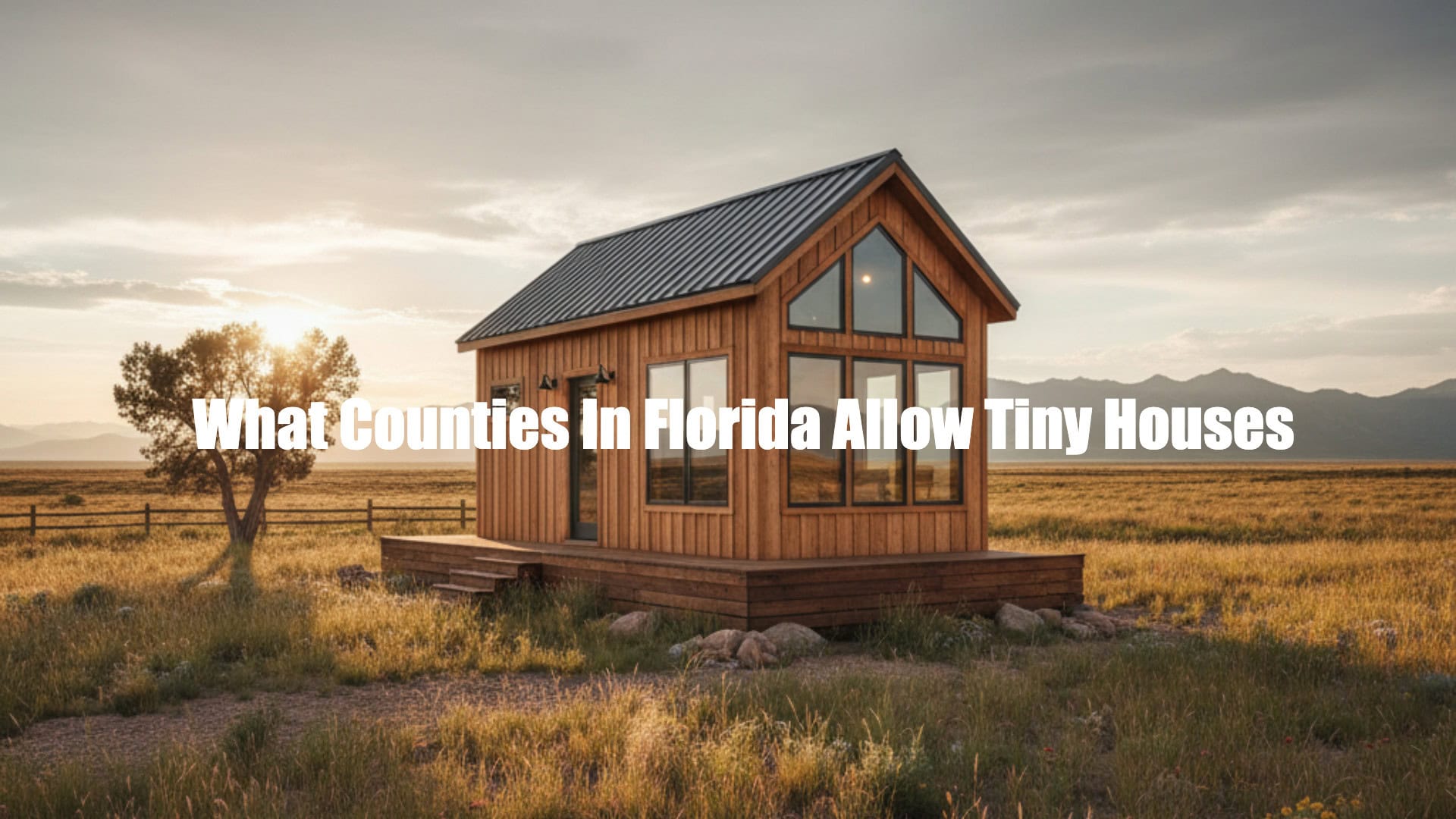
Florida allows tiny houses mainly as accessory dwelling units (ADUs) in numerous counties, with minimum sizes generally between 100 and 450 square feet based on local rules. Tiny houses on wheels are typically treated as RVs, limiting permanent living and requiring registration along with short-term stays in RV parks. Tiny homes on permanent foundations need to follow the Florida Building Code and local zoning laws, though permissions differ widely—always check with county authorities for the most recent guidelines.
In Florida, interest in tiny homes continues to grow as individuals pursue more affordable, environmentally conscious, and streamlined lifestyles. These small dwellings provide an avenue for sustainable habitation, yet their approval hinges on varying local zoning ordinances, building standards, and classifications as primary residences, ADUs, or RVs. Determining which counties in Florida permit tiny houses requires examining these local regulations carefully. This updated guide delves into essential rules and considerations, sourced from reliable official channels, to assist you in successfully planning your tiny home project.
The state’s varied geography, spanning coastal zones to interior regions, shapes tiny home policies, with some locales welcoming them as creative housing solutions and others upholding stricter size thresholds. Whether you aim to construct on personal property or participate in a tiny home village, grasping these differences is vital to sidestep expensive delays. This resource outlines prominent counties that support tiny houses, incorporates recent pricing details, explores model varieties, and offers actionable tips for regulatory adherence.
At Great Lakes Tiny Homes, we excel as a comprehensive provider of modular, park model, and tiny homes, shipping complete builds to all 48 contiguous U.S. states. Our selections feature options with or without wheels and with or without RVIA certification—certified models are commonly known as Park Models. As specialists in adaptable tiny living designs, we confirm our homes satisfy or surpass applicable local codes. If you’re eager to discover solutions customized for Florida’s stipulations, book a call with our experts for customized advice.
Disclaimer: This article is for informational purposes only and does not constitute legal advice. Laws, regulations, and zoning rules vary by location and may change over time. Always consult your local zoning office or a qualified land use/zoning attorney before making decisions based on this information.
Can You Make a Tiny House in Florida Your Main Residence?
Indeed, establishing a tiny house as your primary home in Florida is feasible if it aligns with the zoning and construction mandates of the relevant local authority. Florida’s somewhat accommodating stance on alternative housing eases the process of placing a tiny home on land, but specific county regulations determine its suitability for full-time occupancy. Permanent foundation structures are regarded much like conventional houses, affording complete property ownership rights such as selling or bequeathing the asset. In contrast, wheeled tiny houses encounter greater constraints, frequently falling under RV rules that bar extended stays in various districts. Compliance with the Florida Building Code is imperative, covering safety protocols for plumbing, electricity, and structural resilience against threats like hurricanes. Engaging with local officials at the outset clarifies necessary variances or permits to validate the tiny house as a principal dwelling.
A critical aspect involves differentiating between fixed and mobile tiny homes, as the former better matches residential zoning whereas the latter might necessitate positioning in approved RV areas or enclaves. In jurisdictions permitting tiny homes as main residences, elements like parcel dimensions, boundary offsets, and service connections are scrutinized to guarantee safe coexistence with adjacent properties. Such arrangements not only advance eco-friendly practices but also attract those reducing their footprint amid escalating housing expenses in desirable Florida locales. Adhering to these protocols enables owners to embrace minimalism free from legal hurdles, cultivating stability and neighborhood harmony.
What Counties in Florida Allow Tiny Houses?
Tiny home governance in Florida occurs at county and city levels, resulting in diverse policies that can either enable or obstruct development. Although no statewide tiny house statute exists, numerous counties have introduced ADU allowances or lowered square footage minima in recent periods. This inconsistency necessitates targeted investigation of particular areas, where some promote tiny homes to tackle housing affordability and others adhere to conventional norms. Coastal jurisdictions frequently add hurricane-proofing mandates, complicating approvals further. The following table overviews significant counties, detailing minimum sizes, zoning categories, and stipulations from verified sources—remember, these may shift, so confirmation with officials is crucial.
| County/City | Min Sq Ft | Zoning Type | Key Requirements | Source | Verified |
| Orange County | No specific min; typically 400+ for ADUs | ADU in residential zones | Must meet Florida Building Code; attached or detached; property must meet zoning for single-family | Accessory Dwelling Units – City of Orlando | Yes |
| Pinellas County (St. Petersburg) | No min; max 1,000 sq ft for ADUs | ADU | Increased size limit in 2024; must be smaller than primary home; affordable housing options for rental | County Accessory Dwelling Unit Update – Pinellas County | Yes |
| Sarasota County | No specific min; typically 400 sq ft | ADU in single-family districts | Allows two-family and townhouses; must comply with land development regulations; height limits apply | Florida Housing Coalition Action Plan – City of Sarasota | Yes |
| Pasco County | No min; max 1,200 sq ft | ADU | Must be smaller than main house; setbacks and height match zoning; expanded in 2025 for housing options | Accessory Dwelling Units – Pasco County | Yes |
| Hamilton County | 100 sq ft min | Residential | No wheels; permits required; setbacks and height restrictions; comply with FBC | No specific source | |
| Dixie County | 450 sq ft min | Permanent foundation | Foundation required; meet min sq ft; evolving regulations for movable homes | No specific source | |
| Suwannee County | Varies; min dwelling size per zoning | Residential | Setbacks from property lines; max heights; placement restrictions within limits | Planning & Zoning – Suwannee County | Yes |
Disclaimer: This article is for informational purposes only and does not constitute legal advice. Laws, regulations, and zoning rules vary by location and may change over time. Always consult your local zoning office or a qualified land use/zoning attorney before making decisions based on this information.
Tiny House Regulations in Major Florida Cities
Major urban centers in Florida maintain distinct regulations shaped by population density, housing needs, and climate risks, positioning them as key destinations for tiny home advocates. Cities including Miami, Orlando, Tampa, and Jacksonville have refined their codes to incorporate ADUs as remedies for affordability issues. These revisions typically expedite approvals for compact builds while upholding rigorous standards for flood protection and utilities given the state’s storm susceptibility. Familiarity with these urban policies aids in synchronizing projects with local objectives, like encouraging intergenerational households or green initiatives. The sections below outline rules for prominent cities, stressing official references for confirmation.
Miami-Dade County (Miami)
Miami-Dade County authorizes tiny houses as ADUs, referred to as efficiencies, studios, or guesthouses, contingent on securing a Certificate of Use from county offices. Eligible lots must span at least 7,500 square feet in zones such as AU, EU, RU, and certain GU designations, without a defined minimum beyond Florida Building Code essentials. The county’s pre-approved ADU initiative hastens permitting for designs meeting criteria, prioritizing safeguards like impact-resistant glazing for storm defense. Owners may erect connected or independent units, ensuring distinct access and services to preserve autonomy from the main house. This system bolsters the area’s expanding populace while mitigating shortages in sought-after city neighborhoods. Reach out to the Miami-Dade Building Department via their portal for application specifics.Accessory Dwelling Unit (ADU) – Miami-Dade County
Ongoing efforts in Miami stress eco-materials and energy conservation in ADUs, supporting wider climate adaptation aims. Note that short-term leasing of these spaces follows separate oversight, necessitating extra permits for revenue purposes. The procedure entails plan submissions for evaluation, verifying adherence to offsets and coverage caps to uphold visual appeal. This structure not only enables compact residency but weaves it into Miami’s lively, diverse tapestry, facilitating family expansions or supplementary earnings. Owners are advised to examine the county’s homeowner blueprint to optimize their endeavor from ideation to realization.
Orange County (Orlando)
In Orange County, Orlando permits tiny houses as ADUs on single-family lots fulfilling zoning parameters, lacking a precise minimum but requiring Florida Building Code conformity for livability. Units may attach, detach, or repurpose existing features like garages, incorporating necessities such as cooking and bathing facilities. The planning team underscores that ADUs enhance housing variety sans disrupting residential essence, restricting to one per parcel and barring independent transactions. One-story height caps prevail, and aggregate coverage must not surpass zoning limits to avert congestion. This strategy aids Orlando’s visitor-centric economy by supplying versatile accommodations for households or guests. The Economic Development Department’s directives detail procedures, encompassing site plans and fees.Accessory Dwelling Units – City of Orlando
Ecological factors, including nearness to waterways and marshes, guide ADU positioning in Orange County, demanding raised bases in inundation-risk zones. Absence of rigid forms for tiny, modular, or prefabricated variants permits inventive layouts provided they uphold residential norms. Residents gain from the city’s attainable housing emphasis, which has eased obstacles via efficient assessments. This progression mirrors Orlando’s dedication to inclusive advancement, harmonizing city growth with resident well-being enhancements for those desiring efficient, modest abodes.
Hillsborough County (Tampa)
Hillsborough County’s Tampa approves tiny homes as ADUs or independent builds if they satisfy Florida Building Code and zoning, absent rigid minima but stipulating conditioned areas and ceiling elevations. Constructions can be on-site or modular, encompassing tiny homes assembled in place, yet demand permitting for tropical weather durability and safety. The city differentiates ADUs for familial purposes from extended family dwellings, permitting adaptations like garage suites with isolated utilities. Offsets, coverage, and style evaluations apply to foster neighborhood cohesion, especially in heritage zones. Tampa’s guidelines advance tiny homes within expansive affordable housing frameworks, with FAQs addressing frequent compliance questions.Accessory Dwelling Units (ADU) – City of Tampa
Latest modifications have specified protocols for accessory builds over 150 square feet, obligating permits for outbuildings potentially transforming into habitats. Hillsborough’s construction services highlight owner-builder waivers for small-scale efforts, though comprehensive tiny home projects necessitate expert checks. This methodical system curtails vulnerabilities in a rain- and wind-heavy locale, assuring enduring functionality. Individuals seeking tiny house for sale in Tampa find these stipulations a straightforward route to possession amid the city’s vibrant setting.
Duval County (Jacksonville)
Duval County’s Jacksonville oversees tiny houses via broad residential zoning, applying aesthetic scrutiny under the Zoning Code without a specialized tiny home classification. Sizes conform to code habitability, usually circa 400 square feet sans lofts, and wheels are banned for fixed installations. ADUs receive approval in fitting zones, requiring authorizations for wiring, piping, and framework to attain safety levels. The planning unit counsels on deviations for compact abodes, notably in infill promotion zones curbing expansion. This system endorses Jacksonville’s riverside way of life, where tiny homes enable shore proximity minus lavish land consumption. Zoning FAQs illuminate processes and accessory exemptions.Zoning FAQs – Jacksonville.gov
Shoreline rules intensify examination for flood heights and sturdy substances, echoing the city’s rising sea threats. Constructors must adhere to Zoning Code Part 4 for stylistic harmony, assuring tiny homes complement environs. Local drives accentuate tiny homes’ contributions to homelessness relief and affordability, with accelerated reviews for conforming ventures. This even-handed governance spurs creativity while protecting communal welfare in Florida’s expansive city hub.
Florida Tiny House Laws: Local Zoning Regulations
Florida’s tiny house statutes rely on local zoning and construction codes, with the state establishing fundamentals through the Florida Building Code (FBC) applicable to all edifices. Localities adapt these variably, categorizing tiny homes as ADUs, modulars, or RVs per mobility and base type. This distributed method offers adaptability yet demands thorough ordinance review for feasibility. For zoning questions, liaise with local authority offices, which furnish zoning and building regulations pertinent to your site. Contemporary legislative moves, like those outlining movable tiny homes below 400 square feet, seek to uniformize safety validations statewide.CS/HB 557 Movable Tiny Homes – Florida Senate
Disclaimer: This article is for informational purposes only and does not constitute legal advice. Laws, regulations, and zoning rules vary by location and may change over time. Always consult your local zoning office or a qualified land use/zoning attorney before making decisions based on this information.
Pasco County
Pasco County has warmly adopted tiny homes as ADUs via revised zoning, permitting units to 1,200 square feet inferior to the chief residence. Adherence to offsets, elevations, and coverage per district norms is required, sans minima past FBC livability. The 2025 broadening supports garage repurposings or discrete tiny houses, advancing multi-generational setups in burgeoning suburbs. Permit applications occur through Pasco Gateway, verifying utility links and efficiency benchmarks. This forward policy counters Pasco’s swift demographic rise while upholding unincorporated rural allure.
Definitions encompass lower levels partly subterranean and cellars wholly so, affecting tiny home bases across terrains. Habitable zones demand 50% enclosed walls for seclusion and fortification. Coupled with owner-builder reliefs for slight labors, Pasco appeals to hands-on creators. Collectively, the county’s structure bolsters eco-development sans safety trade-offs.
Hamilton County
Hamilton County’s tiny house zoning prioritizes enduring builds from 100 square feet, disallowing wheeled variants to match residential ideals. Authorizations are essential, plus FBC observance for setbacks, elevations, and setups. This agrarian county’s policies stress farmland harmony, confining sites to evade agricultural interference. Submit thorough blueprints underscoring tiny home property augmentation within density bounds. Though tiny-specific edicts are sparse, the overarching setup accommodates code-compliant diminutive dwellings, nurturing economical choices in northern Florida.
Emerging dialogues in Hamilton pursue versatile ADU integrations, possibly easing entry for youthful kin or seniors. Observance entails site verifications for base firmness and service attachments, critical amid soil variances. Observing these directives lets proprietors forge enduring homes enriching county’s tight communities.
Dixie County
Dixie County’s mandates necessitate tiny houses on lasting foundations from 450 square feet, embodying prudent alternative housing in this seaside expanse. FBC compliance, including gale-load specs for storm endurance, and pre-build zoning nods are obligatory. The county contemplates movable tiny home accommodations, but extant rules favor firmness in deluge-endangered zones. Sites limit to residential designations, with offsets securing aid access. This configuration equilibrates novelty with ecological safeguards in Florida’s understated county.
Planning locally values communal feedback for novel ventures, integrating tiny homes into housing multiplicity. Constructors confront elevated base and impact-feature needs, suited to Dixie’s Gulf placement. These steps shield assets and advance hardy residency confronting climatic trials.
Suwannee County
Suwannee County’s zoning prescribes minima, offsets, and height maxima for tiny houses, assuring alignment with residential motifs. Secure permits via Planning and Zoning, proving FBC and land policy conformity. City limit placements guard rivers and legacies, prevalent in this aquatic zone. Zoning maps assist site picks, denoting viable districts for petite structures. This oversight nurtures structured expansion preserving Suwannee’s innate splendor and farming legacy.
Prospective holders leverage departmental aids for deviation bids if norms challenge. Sustainable emphases, like water collection, sync tiny homes with green living. Traversing these rules empowers crafting operative areas elevating the county’s tranquil vista.
Updates to Tiny House Regulations in Florida
Since 2024, Florida’s tiny house rules have progressed notably, propelled by affordability urgencies and drives for novel abodes. Counties such as Pinellas and Pasco have amplified ADU capacities to 1,000 and 1,200 square feet, suiting enlarging households and leasing demands. Statewide, enactments like CS/HB 557 have defined sub-400 square foot movable tiny homes, simplifying validations and RV-zone placements. These shifts signify a move toward compact housing as urban crowding and rural thinning remedies, with rebates for efficient constructs. Shoreline regions persist in rigorous inundation and breeze codes, tailoring tiny designs for toughness. This advancement casts Florida as an alternative housing vanguard, though local uptake differs, demanding vigilant municipal tracking.
Volusia County’s DeLand tiny home enclave sanction exemplifies clustered shifts, permitting joint facilities like services and verdant zones on broad tracts. Likewise, Miami-Dade’s pre-vetted ADU schemas hasten approvals, trimming durations from months to weeks for fitting endeavors. These programs diminish constructor barriers and embed tiny homes in holistic schemes tackling vagrancy and labor housing. Observers remark that while advances inspire, rural traditionalist counties sustain minima over 1,000 square feet. Monitoring via state groups and local boards equips builders to seize these prospects adeptly.
Prospects encompass potential uniform state tiny certifications, perhaps syncing with RVIA for wider nod. Land trusts in locales like St. Petersburg trial economical tiny paradigms, proffering enduring leases to modest earners. These strides highlight Florida’s housing diversity pledge, meshing ingenuity with supervision for fair regional advancement.
Tiny House Regulations And Rules In Florida
Steering tiny house rules in Florida entails equilibrating simplified existence aspirations with pragmatic limits like zoning, storage, and utility outlays. These edicts guarantee compact abodes are secure, viable, and community-aligned, especially in weather-extreme Florida. For primary or auxiliary tiny home contemplators, assessing design daily need fits—such as versatile furnishings and thrifty devices—is pivotal. Code conformity averts penalties and boosts asset merit and coverage. Prioritizing these facets lets owners forge spaces mirroring lifestyles while aiding Florida’s housing novelty scene.
Disclaimer: This article is for informational purposes only and does not constitute legal advice. Laws, regulations, and zoning rules vary by location and may change over time. Always consult your local zoning office or a qualified land use/zoning attorney before making decisions based on this information.
Permanent Structure Rules
Florida’s enduring structure edicts, via FBC and locals, assure edifices endure stresses while sheltering safely. Tiny foundation homes cover base depth to roofing, mandating 50% enclosure for livables. ADUs herein aid kin by extra space sans new lot buys. Observance needs engineering for quake and gale loads, routine in storm belts. These edicts sustain style and utility, thwarting inferior builds taxing communities.
Backyard enduring tiny ADUs demand zoning checks, oft one per holding. Service merges, like septic joins, fulfill health nods. This scaffold backs lasting stays, likening tiny to standard properties in entitlements and duties.
Temporary Structure Rules
Florida’s interim structures, like canopies or mobiles, under local codes stress safety in brief employ. Tiny homes deemed interim need permits for site and term, oft 180-day caps in RV spots. These curb perils in events or builds, requiring blaze curbs and exits. In tiny scopes, interim fits interim living but relocation averts fixed violations. Application maintains these don’t morph to unsanctioned homes, upholding land order.
Transitional Structure Rules
Florida’s bridging structures like mobiles or portables cling to codes favoring safety in hazard zones. Tiny in this must tie-downs and lifts for floods, FBC for semi-enduring. Rules ease swift setups for needs like post-storm aid, mandating integrity checks. This tier links interim and enduring, flexibility for shifting lives in vibrant groups.
In Florida, Where Can I Build A Tiny House?
Florida tiny houses erect on private compliant land per zoning and codes, oft as ADUs on residentials or in named villages. Minima and base specs vary, favoring fixed over wheels for full employ. County planning probes reveal viable zones like farm or rural with laxer bounds. Tiny RV parks alternate for mobiles, though enduring stays may base-convert. This placement secures legality and amenity access like aqua and juice.
Pre-start authority consults forestalls woes, some needing eco-impact probes. For set spots, probe best tiny home communities in Florida with vetted locales and shared infra.
Tiny House Communities in Florida
Florida’s planned enclaves and retire havens suit tiny living ideally, leveraging sun, sands, and recreations. These clusters foster downsizing support, with compact-tailored perks. From lakesides to city farms, they fuse economy with engagement, drawing elders and youth pros. Rules here oft ease minima, spurring designs. State’s perennial outdoor lure amplifies tiny experiences.
Enclaves stress viability, adding solar and shared plots to cut costs. Socials like joint fetes combat small-space solitude. For picks, eye best tiny home communities in Florida zoning-aligned.
Orlando Lakefront Community
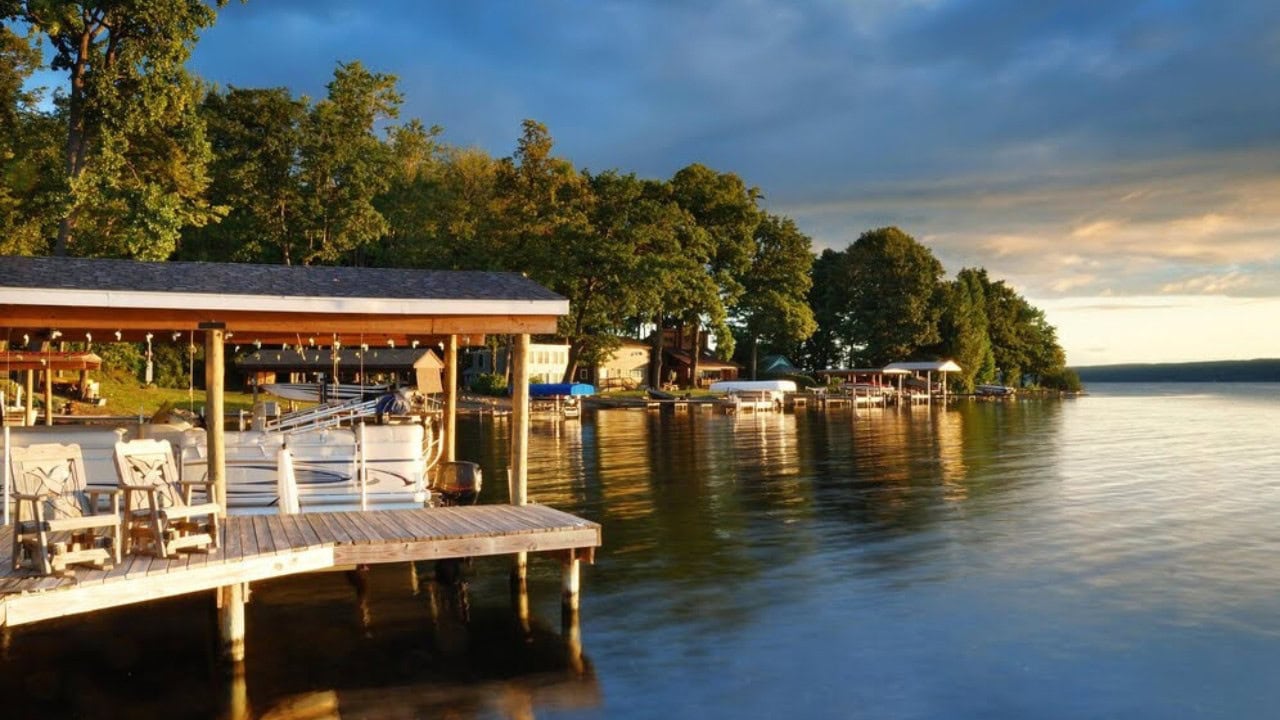
Orlando Lakefront at College Park greets tiny owners with sunny, lacustrine aura and burgeoning compact cluster. Near city perks, it mixes nature and reach, suiting Florida outdoor fans. Rules back ADUs and petite lots, communal aids lightening utility loads.
Tampa Bay Village
Near University of South Florida, Tampa Bay Village supplies outfitted tiny buys or lets, for scholars and pros. Site eases edu and job access, zoning petite prints. Features spur nets and shared goods.
St. Pete Area
St. Pete, Tiny Home Festival host, has St. Petersburg Charitable Land Trust with city farms and tiny clusters. Minima hold, but region accommodates, max caps density. Backs inventive, eco living beach-near.
Tiny House Builders Near Me
Choosing solid builder crucial for Florida tinies, code and FBC surety. Great Lakes Tiny Homes excels diverse models, national ship, RVIA affiliate high craft, safety, rule standards. Expertise navigates zoning, custom solves. Local, state dirs for certified. Choice sways endurance vs weather. Eye tiny house builders in Florida tailored.
Do I Need a Certified Builder?
Yes, certified builder advised for Florida tinies to hit RVIA for pipe, wire, heat safety. Cert eases insure, finance, resell, proving benchmarks. Mitigates code risks, enduring. Permitted like Great Lakes deliver nods. Shields invest, legal align.
Insurance
RVIA tinies qualify coverage easy, exceed safety, oft lower prem. Insurers low-risk, RV or home like. Docs comply, claims smooth. Florida hazards, enhanced wind flood.
Safety
RVIA verifies industry safety, fire resist to struct stable. Tinies, egress panes, smoke alerts, confined key. Cert mind ease, family. Florida builders code prio.
Financing
RVIA unlocks lends, banks quality. Loans RV or equity, terms good. Owns regulated. Probe tiny house builder financing in Florida guide.
Note: Approved tiny houses may only be built by firms that hold permits from the Recreational Vehicle Industry Association, such as Great Lakes Tiny Homes.
Tiny House Prices in Florida
Florida tiny prices vary on size, base or wheels, RVIA, hook complexities, zoning code. Sub-200 sq ft from $50k, larger certified park over $150k, hurricane mats. Coasts higher elev impact, inland rural land save. Custom climate, insul solar, budget sway. Permits county vary—urban Miami 10-15% review. Vars grasp invest sustain.
Trends 10-20% rise post-2024, demand afford alt trad cost. Finance RV wheel access, cert prem comply. Quotes multi builders value, turnkey del setup. Zoning Pasco lower hurdles vs restrict.
Great Lakes Tiny Homes Pricing
Great Lakes $100k–$150k builds, full turnkey, Florida beyond del. Price high mats, RVIA apt, custom code, seamless lands. Models econ durab, Florida vars. Del site prep guide, on-site min. Transp budget long own.
Great Lakes Tiny Homes Model Options
- Modular Homes – Factory quick assem, perm base ADU zones.
- A-Frame – Compact slope, slop lots hurri regions.
- Cabin – Rust loft, rural Florida.
- Park Models – RVIA comm place, zoning flex.
- Tiny House on Wheels – Mobile trans, best conv perm allow.
Model local zoning—perm ADU, wheel RV. For tiny houses for sale in Florida, zoning base avoid vars.
Given zoning feas, expert consult right model site. If zoning worry, Book a call Great Lakes Tiny Homes team tailored.
FAQs
In Florida, How Can I Register a Tiny House?
Registering a tiny house in Florida begins with confirming county approval for small dwellings, as processes differ by jurisdiction. Some areas require no variance if built to code, while others demand detailed plans submission to zoning offices. After site selection, compile building documents and apply for permits, often via online portals like county gateways. Inspections follow construction to verify compliance, leading to occupancy certification. This step-by-step approach ensures legal recognition, especially for permanent setups. For mobile units, RV registration through the DMV applies if used temporarily.
What Kinds of Tiny Homes Are Allowed in Florida?
Florida allows various tiny homes, from permanent ADUs to wheeled RVs, subject to size, construction, and placement rules that vary by county. Permanent models on foundations must meet FBC for full residency, while wheeled ones are limited to RV parks with stay caps. Counties may restrict locations, requiring utility connections or prohibiting certain zones. Variations include modular prefabs and park models, each suiting different zoning types. Always align with local criteria for power, water, and setbacks to secure approval.
In Florida, Is It Legal for Me to Build My Own Home?
Building your own tiny home is legal on owned land in Florida, provided it complies with county zoning and FBC. Research local rules first, as some mandate professional oversight for safety systems. Owner-builder permits allow DIY for qualified individuals, but inspections are required at key stages. This freedom supports personal expression in design, from lofts to off-grid features. However, wheels complicate permanent status, often needing conversion. Verify with planning departments to proceed confidently.
How to Verify Tiny House Rules in Your County
Important Note: The verification steps in this section provide general guidance for checking tiny house rules in your specific Florida county. Contact your local planning department directly to ensure compliance with the latest local ordinances, as processes may vary.
Navigating tiny house regulations in Florida requires thorough research at the county level to avoid surprises. Below is a step-by-step process to verify the rules applicable to your area, ensuring your project aligns with local standards. This approach helps you understand zoning, size limits, and permitting nuances effectively.
- Access the County Zoning Code: Start by visiting your county’s official website, typically under the planning or zoning department section. Search for the comprehensive zoning code or land development regulations document, which outlines permitted uses for residential structures, including tiny homes. Download the PDF or use the online portal to review chapters on residential districts.
- Check Minimum Dwelling Size Requirements: Within the zoning code, locate sections on single-family residences or accessory structures. Look for minimum square footage mandates, often ranging from 400 to 600 sq ft for primary dwellings, though some counties allow exceptions for tiny homes as low as 100 sq ft if they meet building codes.
- Review ADU Provisions: Search for accessory dwelling unit (ADU) policies, which many counties permit as secondary units on the same lot. Confirm if tiny houses qualify as ADUs, noting restrictions like owner-occupancy requirements, lot size minimums, and separation from the primary home.
- Determine Treatment of Tiny Houses on Wheels as RVs: Examine RV or mobile home regulations in the code. Tiny houses on wheels are often classified as recreational vehicles, limiting them to temporary use in designated parks rather than permanent residency. Verify if permanent placement requires conversion to a foundation or special variances.
- Contact the Local Planning Department: For personalized advice, call or email your county’s planning and zoning office—find contact details on the website. Schedule a pre-application meeting to discuss your plans, submit inquiries via online forms, or request a zoning verification letter. Provide specifics about your tiny home design to get tailored feedback on permits and approvals.
Following these steps typically takes a few hours to a day and empowers you to proceed confidently. Remember, early consultation can prevent costly revisions.
Conclusion
Florida presents strong prospects for tiny house existence in the Sunshine State, yet triumph relies on adeptly handling county laws and edicts. From urban ADUs to rural villages, chances flourish for regulatory navigators. Whether lot-parking with mains or standalone, size, site, base awareness core. Some lack bespoke or tight bounds, stressing due probe. Aligning visions with legal truths realizes gratifying tiny lifestyle Florida.
To probe compliant models county-suited, book call Great Lakes Tiny Homes experts informed step.