
As you consider ways to care for aging family members in Arkansas, granny pods offer a practical and compassionate solution. These compact living spaces allow your loved ones to stay nearby, providing the support they need without sacrificing their autonomy. With Arkansas’s growing emphasis on family-oriented living and affordable housing options, understanding granny pods can help you make informed decisions for your household.
In the context of Arkansas’s unique blend of rural charm and urban growth, granny pods align perfectly with the state’s focus on multigenerational living. They provide relevance by addressing the rising demand for elder care solutions that fit local lifestyles. For credibility, companies like Great Lakes Tiny Homes specialize in crafting these spaces, ensuring they meet high standards for comfort and compliance.
What Are Granny Pods?
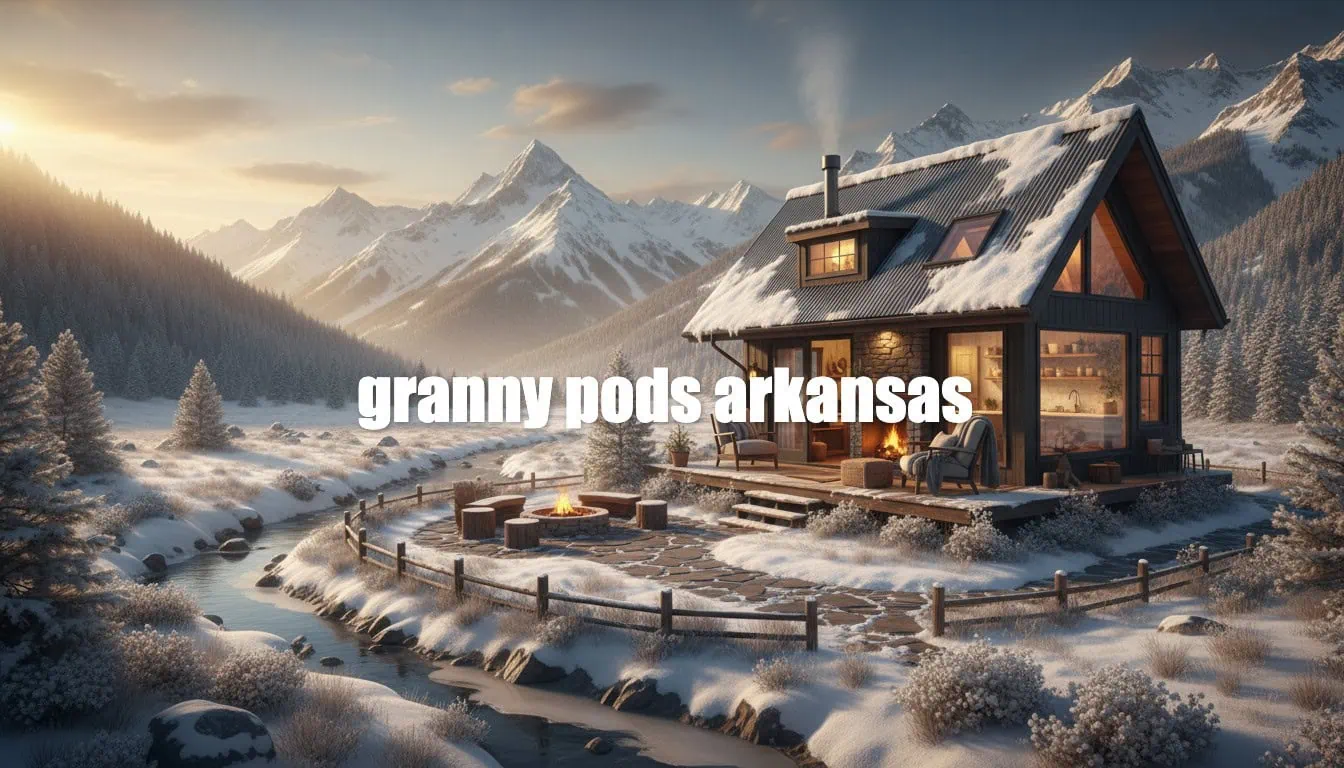
You might be wondering what exactly granny pods are and why they’re gaining traction in Arkansas. Granny pods are small, detached dwelling units designed specifically for aging relatives, allowing them to live close to family while enjoying a degree of independence. Often built on your property, these structures—typically ranging from 300 to 800 square feet—offer a private space equipped with essentials like a bedroom, bathroom, and kitchenette.
In Arkansas, their popularity stems from the state’s aging population and the desire to avoid costly institutional care. With over 16% of Arkansans aged 65 or older, according to recent census data, more families are turning to granny pods to keep loved ones nearby amid rising healthcare costs. These pods promote family bonds in a state known for its close-knit communities, from the Ozarks to the Delta regions.
Great Lakes Tiny Homes offers a type of granny pod in the form of tiny houses, which you can customize with or without wheels for mobility. Opting for wheels makes it easier to relocate if needed, while stationary versions integrate seamlessly into your landscape. Additionally, models with RVIA certification qualify as park models, which can simplify zoning approvals in certain areas by classifying them as recreational vehicles rather than permanent structures.
This flexibility is particularly appealing in Arkansas, where terrain varies from flat farmlands to hilly landscapes. Whether you’re in Little Rock or Fayetteville, a granny pod from Great Lakes Tiny Homes can adapt to your needs, blending functionality with the cozy aesthetic that defines Arkansas living.
Inside the Modern Granny Pod: Features, Design, and Purpose
Granny pods, also known as accessory dwelling units (ADUs), serve a vital purpose in modern family dynamics, especially as you plan for your elderly relatives’ future. These units are compact homes built adjacent to your primary residence, offering a self-contained living environment that supports aging in place.
Typically spanning 300 to 800 square feet, granny pods include essential amenities like full bathrooms, compact kitchens, sleeping areas, and living spaces. You can expect features such as energy-efficient appliances, ample natural light through large windows, and storage solutions optimized for smaller footprints. Unlike standard tiny homes, which prioritize minimalism for young adventurers, granny pods emphasize comfort and accessibility for seniors.
Different types are available to suit your preferences and budget. Prefab granny pods arrive pre-assembled, reducing on-site construction time and costs—ideal if you’re in a hurry to provide housing. Custom-built options allow you to tailor the design to your loved one’s specific needs, incorporating elements like roll-in showers or adjustable-height counters. Converted structures, such as repurposed sheds or garages, offer a budget-friendly alternative but may require more modifications for habitability.
What sets granny pods apart for elderly use is their focus on senior-friendly design. Accessibility features include zero-step entries to eliminate tripping hazards, wider doorways for wheelchair access, and grab bars in bathrooms. Many modern units integrate medical monitoring capabilities, such as smart sensors for fall detection or remote health check-ins via apps, ensuring you can keep an eye on your relative’s well-being without constant intrusion.
In Arkansas’s variable climate, these pods often feature insulated walls and durable roofing to withstand humidity and occasional storms. The purpose extends beyond shelter; they foster independence, allowing your loved one to manage daily routines while benefiting from your proximity. This balance is crucial in a state where family caregiving is a cultural norm, helping you avoid the isolation that can come with traditional senior living arrangements.
Exploring options like those from Great Lakes Tiny Homes, you can select layouts that prioritize open floor plans for easy movement, making daily life safer and more enjoyable for aging residents.
Benefits of Granny Pods for Arkansas Families
Installing a granny pod on your Arkansas property brings numerous advantages, tailored to the state’s family-centric culture and environmental realities. One key benefit is the proximity it provides for care and support—you can assist your aging relative with meals or medications without them leaving their own space, reducing stress for everyone involved.
Independence remains a cornerstone; your loved one enjoys privacy in their dedicated unit, complete with personal amenities, which boosts their sense of dignity and autonomy. This is especially valuable in Arkansas, where the warm Southern hospitality encourages multigenerational households, allowing elders to contribute to family life on their terms.
Financially, granny pods offer significant savings over nursing homes or assisted living facilities. In Arkansas, the average monthly cost for assisted living exceeds $4,000, per state health reports, while a one-time granny pod investment ranges from $100,000 to $150,000—often built by specialists like Great Lakes Tiny Homes. Over years, this translates to substantial long-term savings, freeing up funds for other family needs.
Property value also increases with a granny pod addition. Spending $100,000 to $150,000 on a quality unit enhances your home’s versatility, appealing to future buyers seeking multigenerational options. Unlike the ongoing expenses of assisted living, which can total hundreds of thousands over a decade, your granny pod retains value as a permanent asset, potentially recouping costs through appreciation in Arkansas’s growing real estate market.
Emotionally, keeping family close combats loneliness, a common issue among Arkansas’s 500,000+ seniors. The state’s mild climate facilitates outdoor interactions, like shared garden time, strengthening bonds. Culturally, Arkansas values self-reliance, and granny pods align by enabling elders to age gracefully at home.
Statistically, Arkansas’s aging population is projected to grow by 20% by 2030, per AARP data, underscoring the timeliness of this solution. For families in humid summers or chilly winters, pods with climate control ensure comfort, making them a smart choice for your household’s future.
To explore tiny house for sale Little Rock, consider how these benefits fit your situation.
Legal Considerations for Granny Pods in Arkansas
Navigating the legal landscape for granny pods in Arkansas requires careful attention to state and local rules, as regulations can vary widely. At the state level, Arkansas follows general building codes based on the International Residential Code (IRC), but granny pods often fall under ADU provisions, which emphasize zoning compliance over permanent residency classification.
Zoning laws dictate where you can place a pod—typically on residential lots, but setbacks from property lines and the main house must be observed. Building codes require adherence to safety standards, including electrical, plumbing, and structural integrity. Permits are essential; you’ll need a building permit from your local authority, plus possible health department approvals for septic or water connections.
Regulations differ by county and municipality. More accommodating areas include Pulaski County (home to Little Rock), where urban density supports ADUs, and Benton County in Northwest Arkansas, which has progressive zoning for accessory units. In contrast, rural counties like those in the Delta region may impose stricter limits due to agricultural zoning. Major cities like Fayetteville encourage granny pods through streamlined permitting, while smaller towns might require variances on a case-by-case basis.
Recent legislative changes, such as House Bill 1749 passed in 2021, have eased restrictions on ADUs statewide by clarifying their status as secondary dwellings, potentially reducing approval times. Pending bills aim to further standardize codes, benefiting your project.
RVIA certification adds legal advantages; park models certified under this standard are treated as RVs, bypassing some permanent structure rules and easing placement in zoned areas. This can expedite approvals and lower costs, especially if you choose a wheeled model for flexibility.
For personalized advice, book a call with our experts who’ve helped hundreds of customers make their tiny home dreams a reality.
Linking to broader resources, check best tiny home communities in Arkansas for community insights.
Which Arkansas Counties Allow Granny Pods?
Determining which Arkansas counties permit granny pods involves reviewing local ordinances, as state law defers to municipal authority. Below is a comprehensive table focusing on the most populated counties with clear regulations. This helps you assess feasibility for your property.
| County Name | Granny Pod Status | Minimum Lot Size Requirements | Maximum Size Allowed | Special Notes |
|---|---|---|---|---|
| Pulaski (Little Rock) | Allowed | 0.5 acres | 800 sq ft | Streamlined permits in Little Rock; must connect to city utilities. ADUs encouraged for family care. |
| Benton (Bentonville) | Allowed | 1 acre | 1,000 sq ft | Progressive zoning in Northwest Arkansas; variances available for smaller lots. Focus on energy-efficient builds. |
| Washington (Fayetteville) | Allowed | 0.25 acres | 750 sq ft | University town policies support ADUs; requires architectural review to match neighborhood aesthetics. |
| Sebastian (Fort Smith) | Restricted | 2 acres | 600 sq ft | Case-by-case approvals; stricter in historic districts. RVIA-certified models preferred. |
| Saline (Benton) | Case-by-Case | 1 acre | 500 sq ft | Requires variance; rural areas more flexible. Check for floodplain restrictions. |
| Craighead (Jonesboro) | Allowed | 0.75 acres | 800 sq ft | Eastern Arkansas hub; permits issued quickly if tied to primary residence. |
| Garland (Hot Springs) | Restricted | 1.5 acres | 400 sq ft | Tourism area limits; environmental reviews needed near lakes. |
For major counties like Pulaski, Little Rock’s ordinances allow ADUs up to 50% of the primary home’s size, with no separate address required. In Benton County, Bentonville’s growth has led to incentives for granny pods, including tax credits for accessibility features. Always consult local planning departments, as rules evolve.
For more on what counties in Arkansas allow tiny houses, this table provides a starting point.
Cost of Building a Granny Pod in Arkansas
Building a granny pod in Arkansas involves various costs, but understanding the breakdown helps you budget effectively. Base prices for prefab units start at $80,000 for basic 300 sq ft models, rising to $150,000 for custom 800 sq ft versions with premium finishes. Great Lakes Tiny Homes constructs tiny houses in the $100,000 to $150,000 range, offering value through durable materials suited to Arkansas’s weather.
Custom-built options can reach $200,000 or more, depending on size and quality—think high-end appliances or solar integrations. Site preparation adds $5,000 to $20,000, including grading for Arkansas’s uneven terrain. If your unit lacks wheels, a foundation costs $10,000 to $30,000 extra, ensuring stability against winds or floods; wheeled models skip this but may need anchoring.
Utility connections—water, sewer, electricity—run $5,000 to $15,000, higher in rural areas without municipal hookups. Permits average $1,000 to $3,000, varying by county. Ongoing maintenance, like HVAC servicing for humid summers, totals $1,000 annually.
Compared to Arkansas nursing homes averaging $250,000 yearly (per Genworth data), a $120,000 granny pod pays for itself in under five years. Financing options include home equity loans at 5-7% interest or state programs for senior housing. Insurance may increase your policy by 10-20%, covering the pod as an addition; tax implications include potential property tax hikes, but exemptions exist for caregiver units.
Overall, these costs position granny pods as a wise investment, especially with builders like Great Lakes Tiny Homes providing transparent pricing.
Interested in tiny house builder Little Rock? Costs align well with local markets.
The Granny Pod Installation Process in Arkansas
Installing a granny pod in Arkansas follows a structured process to ensure compliance and durability. Start by researching local zoning laws—use your county’s planning website or consult officials to confirm ADU allowances on your lot.
Next, obtain permits: Submit plans to the building department, including site surveys and engineering specs. This step takes 4-8 weeks in urban areas like Little Rock, longer in rural spots.
Site preparation accounts for Arkansas’s diverse terrain—clear vegetation, level the ground, and address soil stability, especially in clay-heavy Delta regions. For non-wheeled units, pour a concrete foundation resistant to freeze-thaw cycles in northern winters.
Utility connections are critical; hire licensed plumbers for water lines insulated against cold snaps, and electricians for grounded systems. Arkansas’s occasional severe weather demands secure hookups.
Delivery and installation: Prefab units arrive via truck, craned into place in 1-2 days. Wheeled models are towed and positioned easily. Timeline totals 2-6 months, depending on customizations.
Final inspections verify code adherence—expect checks for electrical, plumbing, and structural safety. Challenges include weather delays from spring rains or permitting backlogs in growing counties like Benton. Practical advice: Engage a local contractor early to navigate these hurdles smoothly.
Design Considerations for Arkansas Granny Pods
Designing your granny pod for Arkansas means prioritizing elements that withstand the state’s four distinct seasons—hot, humid summers, mild falls, chilly winters, and stormy springs. Weatherproofing is key: Opt for impact-resistant siding and sealed roofs to handle high winds and heavy rains common in tornado alley.
Energy efficiency reduces bills in variable climates; incorporate insulation, double-pane windows, and HVAC systems rated for humidity. Solar panels can offset costs, especially with Arkansas’s sunny days.
Accessibility features ensure safety for aging residents: Install zero-step entries, wider doorways (at least 36 inches), and grab bars in wet areas. Ramps and lever handles make navigation effortless.
Smart home technology adds peace of mind—voice-activated lights, automated thermostats, and health monitors connect to your phone, allowing remote oversight without invading privacy.
At Great Lakes Tiny Homes, designs emphasize turnkey modular and park model homes deliverable across the lower 48 U.S. states, including Arkansas. Their experience ensures compliance and functionality tailored to your needs.
Utility connections should tie seamlessly to your main home, with buried lines for aesthetics. Design the pod to complement your property—match siding colors or rooflines for a cohesive look in Arkansas’s scenic neighborhoods.
Finding Expert Guidance for Your Project
When embarking on a granny pod project in Arkansas, partnering with experienced professionals is essential to handle the state’s nuanced regulations and environmental factors. Experts familiar with local codes can streamline permitting and ensure your build meets safety standards, avoiding costly revisions.
Great Lakes Tiny Homes emerges as a trusted local option, with deep knowledge of Arkansas building requirements. Their expertise in constructing quality granny pods includes navigating zoning variances and incorporating custom features that enhance livability for seniors. They prioritize creating warm, functional spaces that support family caregiving, from accessible layouts to durable materials suited to the climate.
Working with such a team means access to customization options, like choosing wheeled or foundation-based units, all while adhering to IRC guidelines. Their service-oriented approach positions them as a valuable resource, helping you align the project with your budget and timeline.
To discuss your specific needs, consider scheduling a consultation with Great Lakes Tiny Homes—they’re ready to offer insights tailored to your situation. For immediate next steps, book a call with our experts who’ve helped hundreds of customers make their tiny home dreams a reality.
Conclusion: Creating a Supportive Home for Your Loved Ones
Granny pods in Arkansas represent more than a housing choice—they’re a pathway to preserving family connections while honoring your loved one’s independence. By bringing aging relatives closer, you foster a nurturing environment that enhances dignity and quality of life, amid the state’s welcoming communities.
This investment goes beyond finances; it’s about shared moments, mutual support, and aging gracefully on familiar ground. Local expertise, such as that from Great Lakes Tiny Homes, can simplify the journey, ensuring your pod is built to last and comply with regulations. With their credibility in delivering turnkey modular and park model homes across the lower 48 U.S. states, they offer a practical and reliable choice for your exploration of this living option.
Take the first step today toward this rewarding solution—your family deserves the comfort and closeness it provides.
Frequently Asked Questions About Granny Pods in Arkansas
Here are answers to common questions about granny pods in Arkansas, helping you navigate this option with confidence.
How Can Great Lakes Tiny Homes Help Me On My Granny Pod Journey
Great Lakes Tiny Homes supports you throughout your granny pod journey by offering end-to-end guidance tailored to Arkansas’s requirements. From initial consultations where you discuss your needs—like size, features, and budget—to custom design sessions, their team ensures the pod fits your property and lifestyle.
They handle permitting assistance, leveraging knowledge of local codes in counties like Pulaski or Benton to expedite approvals. Construction uses high-quality materials for durability against Arkansas weather, with options for RVIA-certified park models or stationary units.
Post-installation, they provide maintenance tips and connectivity advice for utilities. Their personal touch makes the process collaborative. Whether you’re exploring tiny house for sale Fayetteville or full builds, Great Lakes Tiny Homes empowers you to create a supportive space for your loved ones.
Are granny pods legal in all parts of Arkansas?
No, granny pods aren’t legal uniformly across Arkansas—legality depends on local zoning and building codes. Statewide, ADUs are permitted under IRC with conditions, but counties vary: Urban areas like Little Rock in Pulaski County allow them readily on residential lots over 0.5 acres, while rural eastern counties may restrict them to agricultural zones or require special use permits.
Cities such as Fayetteville have ordinances explicitly supporting ADUs for family caregivers, capping size at 800 sq ft. Stricter areas, like parts of Garland County near Hot Springs, limit them due to environmental concerns. Recent laws like HB 1749 have broadened acceptance, but always verify with your local planning office. RVIA certification can help classify pods as temporary, easing restrictions in hesitant jurisdictions.
Can I install a granny pod on any size property in Arkansas?
You can’t install a granny pod on just any size property in Arkansas—minimum lot sizes apply based on zoning. Most counties require at least 0.25 to 1 acre for residential ADUs, ensuring space for setbacks (typically 5-10 feet from boundaries). In dense urban spots like Little Rock, smaller lots (under 0.5 acres) may qualify with variances if the pod doesn’t exceed 50% of your main home’s footprint.
Rural properties often need larger lots (2+ acres) to avoid agricultural conflicts. Factors like utility access and terrain influence feasibility—hilly Ozark lots might require engineering reviews. Check your deed and county ordinances; for example, Benton County’s progressive rules allow on 1-acre minimums. Consulting experts early prevents issues.
Do I need special insurance for a granny pod?
Yes, you’ll likely need to adjust your insurance for a granny pod in Arkansas, as it’s considered an addition to your property. Standard homeowners policies may cover it under dwelling coverage, but additions can increase premiums by 10-25%—around $200-500 annually, depending on size and location.
For occupied units, add personal liability and contents insurance to protect against tenant-related claims. If it’s a detached structure, ensure wind and flood coverage, vital in storm-prone Arkansas (FEMA zones apply in low-lying areas). RVIA-certified models might qualify for RV policies, which are cheaper. Notify your insurer during planning; some offer senior dwelling endorsements. Tax-wise, it may raise assessments, but caregiver exemptions could offset this.
Can I rent out my granny pod in Arkansas?
Renting out your granny pod in Arkansas is possible but regulated—it’s not always straightforward for family-use units. Zoning must permit short- or long-term rentals; urban counties like Pulaski allow ADU rentals if registered as accessory units, but rural areas often prohibit them to preserve residential character.
State law requires compliance with habitability codes, including separate metering for utilities if rented. Platforms like Airbnb are viable in tourist spots like Hot Springs, but local ordinances (e.g., Fayetteville’s 30-day minimum) apply. For family pods, converting to rental might void caregiver incentives. Obtain business licenses and pay occupancy taxes (around 6% in most counties). Consult legal experts to avoid fines, and consider if renting aligns with your original intent.