

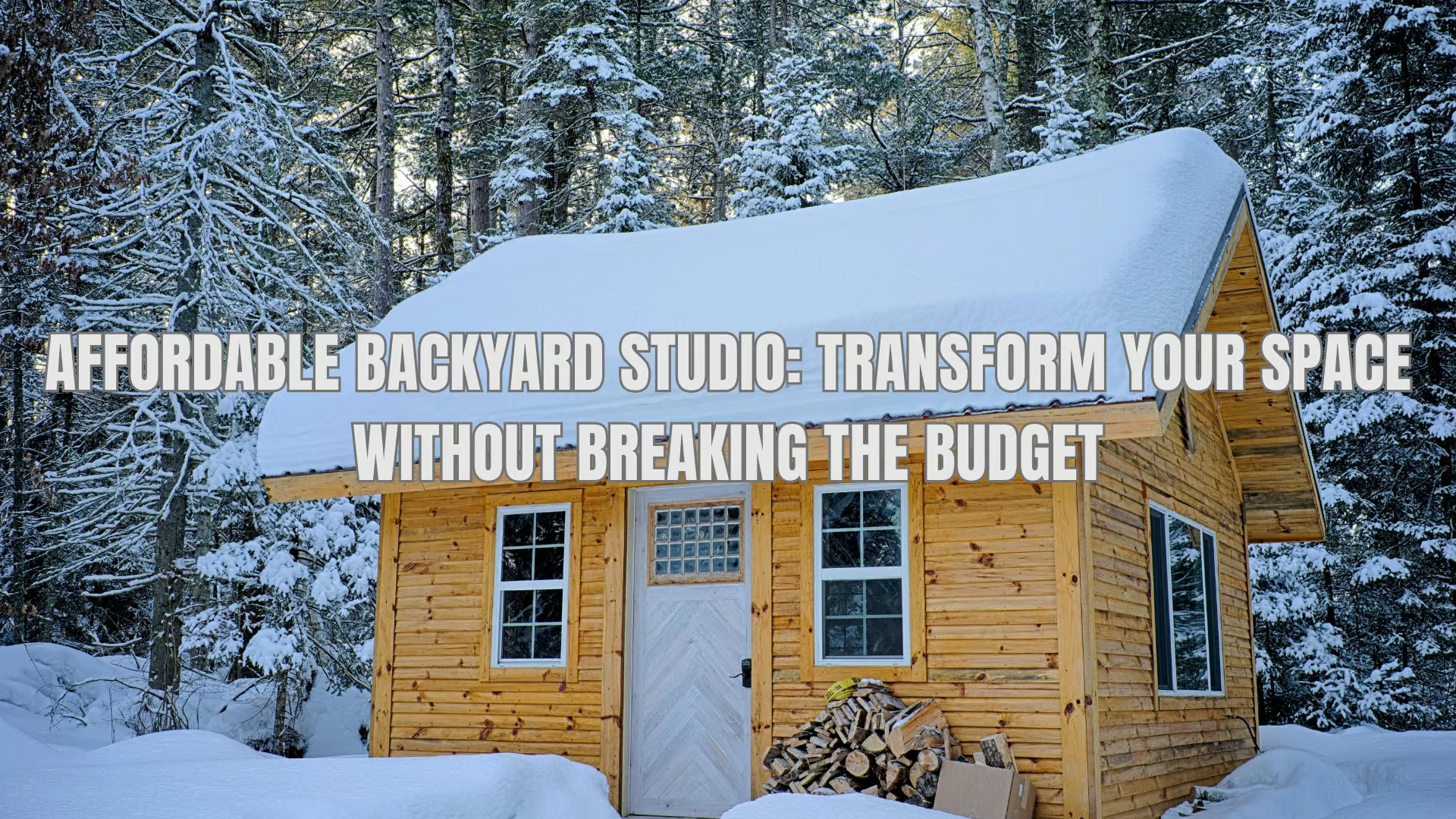
In recent years, backyard studios have continued to gain popularity across the United States, adapting to evolving lifestyles and remote work trends. Homeowners are increasingly turning to these versatile structures as smart alternatives to costly home expansions, providing functional spaces without the financial strain. Often referred to as studio sheds, backyard offices, or workpods, these compact buildings serve diverse purposes while remaining budget-conscious. From dedicated home offices and creative studios to guest quarters and home gyms, backyard studios effectively expand living areas and boost property appeal at a fraction of traditional renovation expenses.
Benefits of Having a Backyard Studio
An affordable backyard studio delivers a range of advantages that extend far beyond simply adding square footage to your property. These benefits enhance daily life, productivity, and even financial returns in meaningful ways. By creating a dedicated space separate from the main house, owners often experience improved focus and reduced stress from household interruptions. Moreover, these structures can adapt to various needs over time, ensuring long-term value. With eco-friendly options becoming more accessible, they also support sustainable living practices. Overall, the investment in a backyard studio frequently pays dividends in convenience, utility, and enjoyment.
- Increased property value: Thoughtfully designed studios enhance curb appeal and marketability, often increasing resale value by 5-10% according to recent real estate trends.
- Dedicated workspace: A quiet retreat from home distractions fosters better concentration, work-life boundaries, and overall mental well-being in the era of hybrid work.
- Cost-effective alternative: Compared to full home additions that can exceed $100,000, studios offer high-quality space for $10,000-$30,000, making them accessible for many budgets.
- Versatility: These spaces easily convert between uses, such as shifting from a yoga studio to a hobby room or temporary office, accommodating life changes seamlessly.
- No commute: Enjoy the perks of remote work without travel costs or time loss, while staying connected to family and home comforts.
- Rental potential: In compliant areas, studios can generate passive income through short-term rentals like Airbnb, potentially offsetting construction costs within a few years.
- Environmental benefits: Modern designs incorporate solar panels, recycled materials, and energy-efficient windows, reducing carbon footprints and utility bills over time.
- Privacy: The physical separation provides a sanctuary for personal activities, whether focused work, relaxation, or family visits, promoting better emotional health.
- Quick installation: Prefab models can be set up in as little as a weekend, minimizing disruption compared to months-long traditional builds.
Types of Affordable Backyard Studios
Exploring the various types of backyard studios available today allows homeowners to select options that best fit their lifestyle, budget, and property constraints. Each category offers unique advantages in terms of customization, installation speed, and cost efficiency. By understanding these differences, you can make a choice that aligns with your long-term goals and immediate needs. Factors like local climate and intended use further influence the ideal type. Recent advancements in modular construction have made all options more durable and energy-efficient. Ultimately, the right type transforms your backyard into a valuable extension of your home.
Prefab backyard studios stand out for their convenience and predictable pricing in today’s market. Manufactured off-site in controlled factory environments, these units arrive ready for assembly or fully built, ensuring consistent quality and reduced waste. Many include pre-installed electrical, plumbing stubs, and insulation, allowing for quick setup and immediate usability. With rising material costs, prefab options have become even more appealing for their transparency in budgeting. Popular sizes range from 100 to 200 square feet, suitable for most urban and suburban lots. Brands now emphasize sustainable materials, appealing to eco-conscious buyers.
Custom-built studios provide unparalleled personalization for those seeking a seamless integration with their home’s architecture. Collaborating with architects or builders allows for tailored designs that incorporate specific features like built-in shelving or unique window placements. Although initial costs are higher due to on-site labor, the result is a bespoke space that enhances aesthetic harmony and functionality. Recent trends favor sustainable custom builds using locally sourced materials to minimize environmental impact. This approach suits homeowners with complex site requirements or specialized needs. The process, while longer, yields a studio that feels like a natural extension of the property.
DIY backyard studio kits empower hands-on individuals to construct their space while keeping expenses low amid increasing labor rates. These kits supply all components—from framing to roofing—with step-by-step guides and online support resources. They appeal to DIY enthusiasts who enjoy the satisfaction of personal involvement and can complete projects over weekends. Basic kits start under $5,000, making them ideal for budget starters. However, success requires some carpentry skills and adherence to safety standards. Community forums and video tutorials have made this option more accessible than ever.
Converted sheds offer the most economical entry point by repurposing existing structures into comfortable studios. Starting with a basic shed, owners add insulation, wiring, and finishes to create a viable living space, often for under $10,000 total. This method leverages what’s already on-site, avoiding new foundation costs and permitting hurdles for small conversions. It’s particularly popular in rural areas where sheds are common. With proper upgrades, these conversions can rival pricier options in comfort and durability. The key is thorough planning to address moisture and ventilation issues early.
Cost Considerations for Backyard Studios
Navigating the financial landscape of backyard studios requires careful evaluation of multiple factors to avoid surprises and optimize value. Current market conditions, including inflation and supply chain dynamics, have influenced pricing, but affordable paths remain viable. Breaking down costs helps in creating a realistic budget that accounts for both upfront and ongoing expenses. Local variations in labor and materials also play a significant role. By prioritizing essentials, many homeowners achieve their goals without overspending. Professional quotes and online calculators can provide personalized estimates.
Size remains a key driver of expenses, with basic builds now averaging $150-200 per square foot due to recent material price increases. Premium custom designs can climb to $300 or more per square foot for high-end finishes. A typical 10×12-foot studio might range from $18,000 to $40,000, though entry-level prefabs often fall between $12,000 and $25,000. Larger spaces naturally escalate costs but offer more utility. Consider your actual needs to avoid paying for unused area. Scalable designs allow for future expansions if budgets permit.
Materials choices balance initial outlay with durability and maintenance over time. Wood framing remains popular for its warmth and workability, while metal or SIPs provide faster assembly and better insulation. Exterior options like vinyl siding keep costs low at around $5-10 per square foot, whereas cedar or composite materials add longevity at higher premiums. Roofing selections, from asphalt to metal panels, affect both aesthetics and weather resistance. Energy-efficient choices, such as low-E windows, yield savings on utilities. Sourcing from local suppliers can reduce transportation fees.
Foundation requirements vary by site and code, influencing stability and expense. Simple gravel pads with skids suit flat, stable ground at minimal cost, while pier or slab foundations handle uneven terrain or frost lines better. Costs for a basic foundation start at $2,000, escalating to $8,000 for concrete slabs. Soil testing may be necessary in challenging areas to prevent settling issues. Elevated designs work well in flood-prone regions. Consulting engineers ensures compliance and safety.
Permitting costs depend on local regulations, which have tightened in many areas for accessory dwelling units. Fees typically range from $500 to $2,000, plus potential impact fees in urban zones. Early research via municipal websites avoids delays. Some areas exempt structures under 120 square feet from full reviews. Hiring a permit expediter can streamline the process for complex projects. Staying informed on zoning updates keeps your plans viable.
Utility connections add substantial costs, with electrical runs now averaging $1,500-$4,000 based on distance and panel upgrades. Plumbing for sinks or bathrooms can reach $6,000-$12,000, including septic considerations. HVAC systems like mini-splits cost $3,000-$7,000 installed. Solar alternatives are gaining traction for off-grid setups, potentially qualifying for rebates. Internet extensions via mesh networks are straightforward and inexpensive. Professional installation ensures code adherence and warranties.
Interior finishing quality allows flexibility in budgeting, with basic setups using laminate flooring and standard paint at low cost. Upgrades like hardwood or custom cabinetry can double interior expenses. Focus on durable, low-maintenance elements for high-traffic areas. Smart integrations, such as voice-controlled lighting, enhance usability without breaking the bank. Phased finishing lets you start functional and upgrade later. Aesthetic choices should align with the studio’s purpose for maximum satisfaction.
How to Choose the Right Backyard Studio for Your Needs
Selecting the ideal backyard studio involves a structured process that considers personal priorities, site specifics, and future-proofing. This decision impacts not just immediate use but also property dynamics for years ahead. Starting with clear objectives prevents costly revisions later. Gathering input from family or professionals adds valuable perspectives. Online tools and virtual tours aid visualization. A well-chosen studio integrates smoothly into your lifestyle and enhances overall home value.
Define your primary use to guide all other choices effectively. An office demands ample outlets and ergonomic layouts, while a gym requires ventilation and durable flooring. Creative spaces benefit from natural light and soundproofing. Guest rooms need sleeping arrangements and privacy features. Multi-use designs incorporate flexible elements like foldable furniture. Aligning specs with usage ensures the space performs optimally from day one.
Assess your available space thoroughly, including measurements, slopes, and tree placements. Setback rules often mandate 5-10 feet from boundaries, affecting positioning. Evaluate views, sun exposure, and proximity to the house for convenience. Construction access for delivery trucks is crucial to avoid extra fees. Digital mapping apps simplify this step. Optimal placement balances privacy with accessibility.
Establish a realistic budget encompassing 15-20% for contingencies like permit changes or weather delays. Factor in financing options such as home equity loans if needed. Compare quotes from multiple providers to find value. Long-term savings from energy efficiency offset higher upfront costs. Track expenses with spreadsheets for transparency. This approach keeps the project on track financially.
Consider your climate to select resilient materials and systems. Cold regions prioritize R-30 insulation and efficient heaters, while hot areas focus on shading and AC. Hurricane zones require impact-resistant windows and anchored foundations. Drought-prone spots benefit from water-efficient designs. Climate data from local weather services informs choices. Adaptive features ensure comfort year-round.
Aim for aesthetic compatibility to maintain neighborhood harmony and personal taste. Matching rooflines or siding styles creates cohesion. Color palettes should complement the main house subtly. Modern trends include minimalist designs with clean lines. Samples and mockups help visualize outcomes. Harmony elevates the entire property’s appeal.
Plan for future adaptability by choosing modular components and neutral layouts. Removable partitions allow reconfiguration. Upgradable wiring supports tech evolution. Scalable electrical panels accommodate expansions. This foresight extends the studio’s lifespan and versatility. Flexible designs adapt to family growth or career shifts.
Exploring Prefab Options: Great Lakes Tiny Home
When exploring prefab backyard studios, Great Lakes Tiny Home serves as a valuable resource for creating efficient, stylish compact spaces. Their experience in tiny home construction extends naturally to backyard studios, offering designs that blend functionality with modern aesthetics. Browsing their portfolio provides practical ideas and proven solutions for your project. With a focus on quality craftsmanship, they help turn backyard visions into reality.
Great Lakes Tiny Home excels in developing spaces that optimize every inch while prioritizing comfort and sustainability. Their prefab studios are ideal for adding a versatile extension to your home, whether for professional work, artistic pursuits, or leisure. The team guides clients through customization to fit specific requirements and financial plans, ensuring a seamless experience from concept to completion.
DIY vs. Professional Installation
The installation method profoundly affects timelines, costs, and outcomes, requiring an assessment of your capabilities and preferences. Both approaches have merits depending on project scale and personal involvement level. Hybrid strategies often provide the best balance. Current tools and kits have lowered barriers for DIY, yet pros handle complexities efficiently. Weighing pros and cons leads to the optimal path. Your choice shapes the project’s success and enjoyment.
DIY installation offers:
- Significant savings by avoiding labor fees, potentially $4,000-$10,000 for a standard 10×12 studio in today’s market.
- The rewarding experience of hands-on creation, building skills and a deeper connection to the space.
- Full autonomy over pacing and custom tweaks during the build process.
DIY challenges include:
- Extensive time demands, often spanning several weekends or months alongside daily life.
- Necessity for tools, safety gear, and foundational knowledge to avoid errors.
- Risk of expensive fixes if structural or code issues arise during or after construction.
Professional installation provides:
- Expedited timelines, enabling use within days or weeks rather than prolonged efforts.
- Specialized expertise guaranteeing code compliance, safety, and optimal utility setups.
- Manufacturer warranties covering labor and materials for peace of mind.
- Management of permits, inspections, and unforeseen site issues professionally.
Many opt for a combined method, outsourcing foundations and wiring to experts while personalizing interiors. This leverages professional reliability with individual creativity. Evaluate your schedule, skills, and risk tolerance honestly. Local workshops can build confidence for DIY elements. The goal is a sturdy, enjoyable space tailored to you.
Maximizing Functionality of Your Backyard Studio
Optimizing a backyard studio’s interior elevates it from basic shelter to a highly effective environment, regardless of footprint. Intentional design choices amplify usability and comfort in compact areas. Integrating smart features aligns with contemporary living standards. User feedback from recent installations highlights the value of adaptability. Budget-friendly enhancements yield outsized returns. Thoughtful planning creates a space that supports productivity and relaxation equally.
Strategic furniture selection is crucial for efficient space use in smaller studios. Opt for multifunctional items like desks with integrated storage or sofas that convert to beds. Modular shelving maximizes vertical space without cluttering floors. Ergonomic chairs prevent strain during extended sessions. Arrange layouts to promote flow and natural movement. Custom pieces fitted to dimensions avoid wasted space.
Effective lighting blends practicality with ambiance to suit varied activities. Layer natural daylight from skylights or large windows with adjustable LEDs for versatility. Task lamps focus on work areas, reducing glare on screens. Smart bulbs enable app-controlled scenes for different moods. Dimmers conserve energy while extending usability into evenings. Proper illumination boosts mood and efficiency.
Climate control maintains comfort across seasons, essential for year-round occupation. Ductless mini-splits provide efficient heating and cooling without invasive installations. High-quality insulation, like spray foam, minimizes energy loss. Thermostats with zoning optimize usage based on occupancy. Passive strategies, such as strategic shading, reduce reliance on mechanical systems. Monitoring devices track performance for adjustments.
Technology integration streamlines operations and connectivity seamlessly. Ample outlets and cable management prevent cord chaos. High-speed WiFi extenders ensure reliable internet. Voice assistants control lights and climate effortlessly. Security cameras add protection remotely. Future-proof wiring supports emerging tech like EV charging.
Acoustic considerations enhance suitability for calls, music, or quiet pursuits. Rugs and curtains dampen echoes naturally. Acoustic panels blend into decor while improving sound quality. Sealed doors minimize external noise intrusion. Testing during planning identifies needs accurately. Balanced acoustics foster focused environments.
Personalization infuses the space with character, boosting motivation and attachment. Incorporate colors and art that inspire your activities. Greenery improves air quality and aesthetics. Personal artifacts create a welcoming feel. Iterative tweaks refine the vibe over time. A personalized studio becomes a true extension of self.
Case Studies: Successful Backyard Studio Projects
Examining real-life backyard studio implementations offers practical lessons and inspiration for your endeavor. These stories highlight diverse budgets, challenges overcome, and tangible benefits realized. Recent projects reflect current trends in sustainability and multifunctionality. Insights from owners underscore the importance of planning. Variations by region show adaptable strategies. Such examples demystify the process and motivate action.
Sarah’s Writer’s Retreat in Portland exemplifies budget-savvy creativity on a $18,000 investment updated for inflation. Using a 10×12 prefab kit assembled over weekends with family help, she emphasized superior insulation and panoramic windows. Simple pine finishes kept costs down while creating an inspiring haven. This setup enabled her to finish a manuscript in under a year, crediting the distraction-free zone. Natural light and cozy heating made it a winter favorite. Her success inspired neighborhood conversions.
The Martinez Family’s Multipurpose Studio in Austin juggles roles as office, guest space, and music area in a 12×16-foot build costing $25,000. Acoustic treatments and a Murphy bed facilitate seamless switches. Buying a discounted model and DIY interiors saved thousands. The drum-practicing teen now coexists peacefully with guests. Ventilation handles Texas heat effectively. This versatile hub strengthened family bonds.
Robert’s Ultra-Budget Home Office in Michigan revamped an 8×10 shed for about $6,500, focusing on essentials. Insulation, basic wiring, and a built-in desk transformed it into a productive nook. Portable AC and heaters manage Michigan’s swings affordably. Solar accents cut energy costs. Despite compactness, it supports full workdays comfortably. Robert’s approach proves viability on tight budgets.
Elena’s Art Studio in New Mexico, at $32,000, leverages passive solar for a 14×14 creative space. Clerestory windows deliver even light ideal for artistry, with thermal mass walls stabilizing temperatures. Excellent ventilation combats dust. The design supports workshops, generating income. Elena’s career advanced notably post-build. Climate-responsive features minimized ongoing expenses.
Common Challenges and How to Overcome Them
Foreseeing potential hurdles equips you to navigate the backyard studio journey smoothly and confidently. Common issues span regulations, finances, and logistics, but solutions abound with preparation. Learning from others’ experiences accelerates problem-solving. Professional advice tailors strategies to your context. Proactive measures preserve budgets and timelines. Overcoming obstacles ultimately builds a more resilient outcome.
Permit requirements differ by jurisdiction, often classifying studios as ADUs with stricter rules. Start with online code checks and pre-application meetings. Thresholds like 120 square feet ease processes in many places. Prefab firms’ permit services simplify paperwork. Budget $1,000 for consultants if needed. Compliance avoids fines or teardowns.
Budget management demands vigilance against scope creep in volatile markets. Set a detailed line-item budget with 20% buffer. Prioritize core elements like structure over luxuries. Track via apps for real-time oversight. Phasing allows incremental funding. This discipline ensures completion without debt.
Site preparation challenges such as slopes or utilities require surveys upfront. Geotechnical assessments identify risks early. Alternative foundations like helical piers suit tricky soils. Drainage planning prevents water issues. Contractor input refines site choices. Proper prep safeguards longevity.
Weather considerations influence scheduling, especially for exposed builds. Monitor forecasts and choose protective coverings. Prefabs reduce on-site exposure time. Off-season incentives from builders can save money. Backup plans mitigate delays. Resilient materials withstand elements better.
Utility connections demand licensed pros for safety and rebates. Trenchless methods minimize yard disruption. Solar or propane alternatives suit remote spots. Cost-sharing programs exist in some utilities. Detailed plans prevent rework. Reliable access enhances daily use.
Insulation and climate control are vital for efficiency, best addressed during framing. High R-value materials like cellulose pay back quickly. Smart thermostats optimize performance. Vents and seals curb drafts. Energy audits post-build verify effectiveness. Comfortable interiors justify the investment.
Frequently Asked Questions
Note: The responses in this FAQ section provide general insights into backyard studios based on common trends and examples; individual situations may differ, so verify details with local experts or suppliers for your specific project.
What is a backyard studio and why are they popular?
Backyard studios are compact, versatile structures like studio sheds, backyard offices, or workpods that homeowners add to their properties as affordable alternatives to major home expansions. They have surged in popularity across the United States due to remote work trends and evolving lifestyles, offering functional spaces for home offices, creative studios, guest quarters, or gyms at a fraction of traditional renovation costs, while boosting property appeal.
What are the key benefits of adding a backyard studio?
A backyard studio offers numerous advantages, including increased property value by 5-10%, a dedicated workspace free from home distractions to improve focus and mental well-being, and cost savings compared to full additions (typically $10,000-$30,000 versus over $100,000). Additional perks include versatility for different uses, no commute for remote workers, potential rental income, environmental benefits through eco-friendly designs, enhanced privacy, and quick installation with minimal disruption.
What types of affordable backyard studios are available?
Affordable backyard studios come in various types to suit different needs and budgets, such as prefab models manufactured off-site for quick assembly and predictable pricing, often including pre-installed features like electrical and insulation in sizes from 100 to 200 square feet. Custom-built studios allow for personalized designs that match your home’s architecture, using sustainable materials for tailored functionality, though they involve higher initial costs due to on-site construction.
How much does it cost to build a backyard studio?
Costs for backyard studios generally range from $10,000 to $30,000 for prefab or basic models, making them a budget-friendly option compared to extensive home renovations. Factors like size, materials, customization, and installation method influence the final price, with eco-friendly additions potentially increasing expenses but offering long-term savings on utilities.
Conclusion: Making the Most of Your Backyard Space
An affordable backyard studio stands as a smart, adaptable investment that revitalizes your property and lifestyle affordably. By matching needs to budget and selecting quality methods, you unlock enduring benefits. These spaces evolve with you, from workspaces to retreats. Planning ensures alignment with goals. The result is enhanced well-being and potential equity growth. Embrace this opportunity to enrich your home thoughtfully.
Versatility defines the appeal, accommodating shifts in work, hobbies, or family dynamics fluidly. Sustainable features align with modern values, cutting costs long-term. Aesthetic and functional harmony elevates daily experiences. Countless owners report improved productivity and joy. Your studio can similarly transform underutilized yard into a asset. Proceed with informed enthusiasm for rewarding results.
Balancing utility with personal flair crafts spaces that nurture aspirations effectively. Efficient designs maximize impact within constraints. Community resources and pros guide success. The journey yields not just a building, but a lifestyle upgrade. Invest in your backyard’s potential today. Cherish the expanded possibilities it brings.