
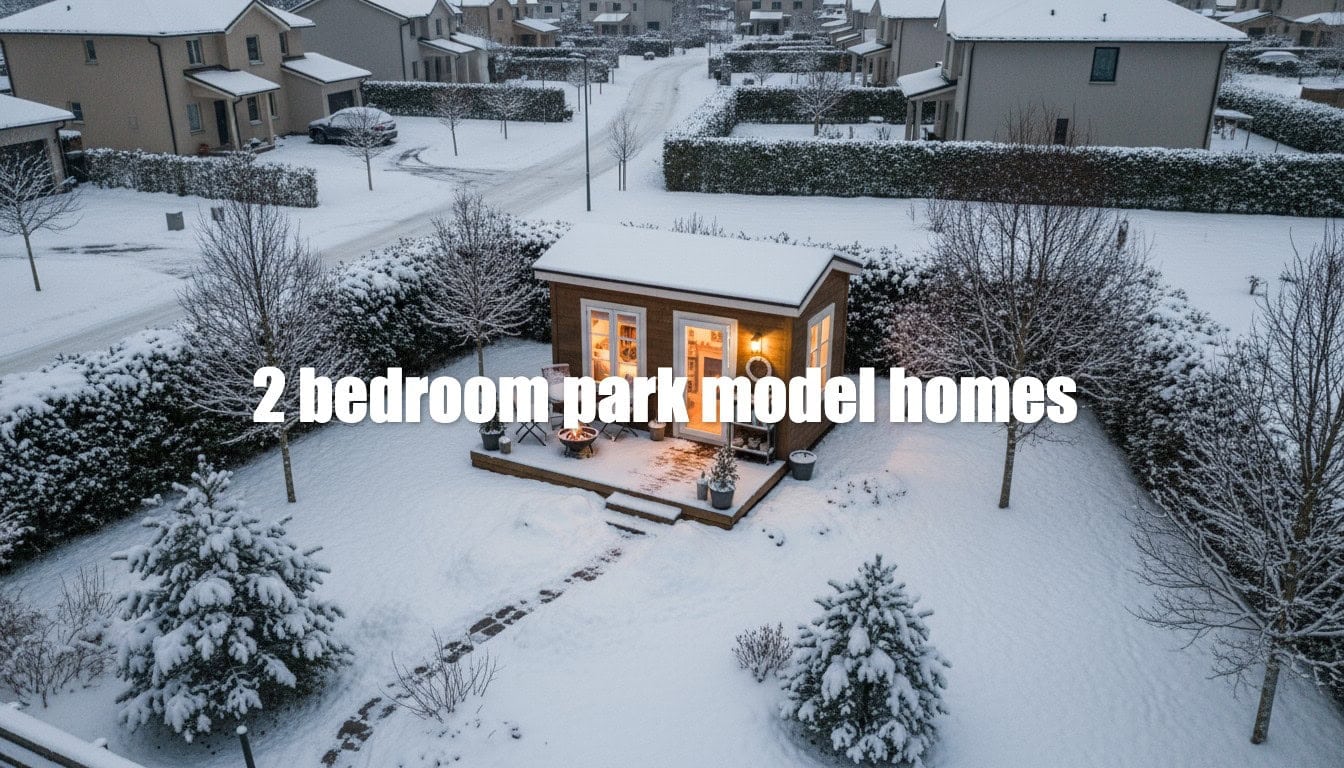
We have seen a growing interest in compact living solutions across the United States, and 2 bedroom park model homes stand out as a versatile option for those seeking affordable, efficient housing. These homes blend the comforts of traditional residences with the mobility of recreational vehicles, making them ideal for vacation retreats, seasonal living, or even full-time abodes in suitable locations. As we explore this topic, we aim to provide clear insights into what makes these homes appealing, from their design to practical considerations for buyers.
In our exploration of various housing trends, we recognize that park model homes offer a unique balance of space and simplicity. They cater to small families, couples, or retirees who desire more room than a standard RV but less commitment than a full-sized house. With rising housing costs and a shift toward sustainable lifestyles, these models have gained traction in parks, resorts, and private properties nationwide. We observe how economic pressures, such as inflation and remote work trends, have accelerated this interest, allowing more people to achieve homeownership without the burdens of large mortgages.
When considering options like 2 bedroom park model homes, we turn to established builders who specialize in quality construction. Great Lakes Tiny Homes exemplifies this approach, drawing on years of experience to deliver turnkey solutions across the lower 48 states. Their focus on modular and park model designs ensures compliance with regional standards, providing a reliable pathway for those transitioning to this style of living without the hassles of on-site building. In the context of evolving housing needs, their expertise becomes particularly relevant for buyers navigating zoning complexities and customization desires. This credibility stems from a commitment to ANSI and RVIA certifications, ensuring that every home meets rigorous safety and efficiency benchmarks that we value in sustainable options.
What Are 2 Bedroom Park Model Homes?
We define 2 bedroom park model homes as RVIA-certified recreational vehicles designed for residential use, typically under 400 sq ft, that prioritize comfort in compact spaces. These park models are built to ANSI standards, distinguishing them from larger mobile homes or RVs, and they are perfect for placement in RV parks, resorts, or even backyards where zoning allows. Unlike tiny homes on wheels, which often lack full certification for permanent residency, park model homes offer a more stable foundation for living. We delve deeper into their construction, noting how chassis-mounted frames provide durability during transport, while interior layouts emphasize multifunctional spaces that adapt to daily routines.
The appeal of a 2-bedroom layout lies in its suitability for small households. We find that couples or retirees appreciate the dedicated sleeping areas, while young families value the extra room for children without sacrificing affordability. These homes average 300-400 sq ft, providing enough space for essential living areas like a kitchen, bath, and living room, all while keeping utility costs low. For instance, in a typical setup, the living area might double as a dining space with foldable tables, optimizing every square foot for practicality and comfort.
In the US, regulations vary by state, but park model homes are popular in warmer climates such as Florida, Arizona, and Pennsylvania. For instance, in Best Tiny Home Communities in Florida, they thrive in resort settings due to lenient zoning for recreational properties. Arizona sees high demand for desert retreats, and Pennsylvania’s rural areas accommodate them on private land. According to RVIA data, park model sales have grown by about 20% in recent years, reflecting a surge in demand for downsized living options. This growth is partly driven by post-pandemic shifts toward flexible housing, where we see more individuals opting for these homes in states like Texas or Michigan for their adaptability to varying climates.
From our tours of various models, we recall the cozy efficiency of a Cascade park model, where natural light floods the open floor plan, creating an inviting atmosphere. This contrasts with mobile homes, which exceed 400 sq ft and require different HUD approvals, or tiny homes that may not meet RVIA specs for park placement. To visualize this, imagine an infographic showing size comparisons: a 350 sq ft park model versus a 1,000 sq ft tiny home, highlighting the park model’s edge in mobility and cost. We also consider real-world scenarios, such as placing one in a coastal community in Best Tiny Home Communities in California, where ocean views enhance the living experience without the premium price tag of traditional beachfront properties.
Overall, these homes represent a practical choice for intentional living, blending recreation with residency in a way that aligns with modern American lifestyles. Their evolution from simple RVs to sophisticated dwellings underscores a broader cultural move toward minimalism and environmental consciousness.
Top Benefits of Choosing a 2 Bedroom Park Model Home
We highlight affordability as a primary benefit of 2 bedroom park model homes, with prices starting at $50,000 to $100,000, far below traditional homes averaging over $300,000. This makes them accessible for budget-conscious buyers seeking quality without debt overload. In addition, their compact size reduces ongoing expenses like utilities and maintenance, often saving 30-50% compared to larger residences. We break this down further: monthly utility bills might hover around $100-150, versus $250+ for a standard house, thanks to smaller square footage and efficient systems.
Mobility stands out as another key advantage; these homes can be towed to new locations within RV parks or private land, offering versatility for seasonal moves or lifestyle changes. We appreciate how this flexibility suits retirees wintering in Best Tiny Home Communities in Arizona or families exploring different regions. For example, a family might relocate from a northern state to a southern park during school breaks, avoiding the permanence of site-built homes and adapting to job relocations seamlessly.
Energy efficiency is inherent in their design, with insulated walls, energy-star appliances, and options for solar integration leading to lower carbon footprints. Low maintenance further enhances sustainable living, as durable materials like vinyl siding and metal roofs withstand weather without frequent repairs. We emphasize how features like double-pane windows and LED lighting contribute to this, potentially qualifying owners for green energy rebates in states like Colorado or Oregon.
Community aspects enrich the experience, with many parks providing amenities such as pools, trails, and social events. This fosters connections in resort-style settings, ideal for those downsizing but not isolating. Customization allows personalization, from cabin-style exteriors to modern interiors, ensuring the home reflects our unique tastes. In practice, this might involve selecting shiplap walls for a rustic feel or sleek countertops for contemporary appeal, tailoring the space to personal hobbies like gardening or remote work setups.
To illustrate, consider a comparison table:
| Aspect | 2 Bedroom Park Model | Tiny Home | Modular Home |
|---|---|---|---|
| Cost | $50K-$100K | $30K-$80K | $150K-$300K |
| Size | 300-400 sq ft | 100-400 sq ft | 800+ sq ft |
| Mobility | High (towable) | Medium | Low (site-built) |
| Efficiency | High | High | Medium |
As one RV builder notes, “Park models strike the perfect balance for eco-conscious living.” For eco-upgrades like solar panels, we calculate potential savings of $500 annually on electricity, making them a smart investment. Beyond finances, the psychological benefits of simplified living reduce stress, promoting well-being in a cluttered world.
These benefits address common pain points, positioning 2 bedroom park model homes as a wise choice for efficient, enjoyable living. We see them as gateways to freedom, enabling us to focus on experiences rather than upkeep.
Popular 2 Bedroom Park Model Homes and Floor Plans
We review several popular models, starting with the Cascade series, which spans 350-380 sq ft and features an open living/kitchen area with two separate bedrooms. Its modern design includes a full bath and optional loft for extra storage, ideal for small families. Pros include sleek aesthetics and efficient space use; cons are limited expansion compared to log cabin styles. In detailed walkthroughs, we note how the galley kitchen maximizes counter space with pull-out pantries, while bedrooms offer ample natural light through strategically placed windows.
The Island Series offers a tropical vibe in 320 sq ft, with a porch extension and queen beds in each bedroom. Common floor plans feature a combined living/dining space flowing into the kitchen, plus a bathroom with shower. We like the optional loft for guests, though it may reduce headroom. This series shines in humid environments, with moisture-resistant materials that prevent mold, a key consideration for placements in southern states.
Cascadia Value models, at around 300 sq ft, emphasize affordability with basic layouts: two bedrooms off a central hallway, a compact kitchen, and one bath. Unique features include water-resistant flooring for humid areas like What Counties in Florida Allow Tiny Houses. Pros: Budget-friendly; cons: Less premium finishes. Users often upgrade these with simple additions like ceiling fans for better airflow, enhancing comfort without breaking the bank.
Floor plans generally include open-concept areas for living and kitchen, separate bedrooms for privacy, and lofts for versatility. For regional variations, Florida models often incorporate hurricane-resistant windows and elevated chassis. To aid visualization, picture a diagram: Bedroom 1 (10×10 ft) adjacent to bath, open area (15×12 ft), Bedroom 2 with loft access. We also explore hybrid plans that integrate outdoor patios, blurring indoor-outdoor boundaries for enhanced livability in climates like those in Tiny House For Sale Austin.
From real installations, users share stories of customizing Island models with decks for outdoor living, adding authenticity. For interactivity, envision a 3D viewer or quiz: “Find Your Perfect Layout” by selecting priorities like porch size or loft inclusion. These elements make selection engaging and informed. Case studies reveal how a retired couple transformed their Cascade into a year-round haven, incorporating smart storage to accommodate hobbies like reading and crafting.
Exploring these options, we see how they cater to diverse needs, from vacation cabins to year-round homes, each plan offering a canvas for personal expression within compact confines.
Essential Features and Specifications of 2 Bedroom Park Models
We detail standard features including full-size appliances like refrigerators and stoves in the kitchen, alongside durable materials such as metal roofs and vinyl siding for longevity. Utilities hookups cover electric, water, and sewer, with many models pre-wired for 50-amp service. We expand on kitchen specifics: compact yet functional setups with convection ovens and microwaves that rival full-sized homes, ensuring meal preparation remains enjoyable.
Bedrooms typically accommodate queen beds, with built-in storage like closets and under-bed drawers. Baths are full-sized with vanities, toilets, and showers, often featuring linen closets. Living spaces maximize area through multi-functional furniture, such as sofa beds or wall-mounted desks that serve dual purposes for relaxation and work.
Safety complies with ANSI/RVIA standards, including fire-resistant materials and energy ratings up to R-30 insulation. Optional upgrades encompass solar panels for off-grid capability, decks for outdoor extension, and smart home tech like thermostats. We highlight how these upgrades, like programmable lighting, integrate seamlessly to create intuitive living environments that adapt to our daily rhythms.
A comparison table across models:
| Model | Sq Ft | Bed/Bath | Key Features | Warranty |
|---|---|---|---|---|
| Cascade | 350 | 2/1 | Metal roof, loft | 1 year |
| Island | 320 | 2/1 | Porch, vinyl siding | 2 years |
| Cascadia Value | 300 | 2/1 | Basic appliances | 1 year |
Forum reviews praise Cascade’s soundproofing, an overlooked feature that enhances privacy. We note that proper ventilation prevents moisture issues, a common concern in park settings. Additional specs include axle configurations for towing stability and optional awnings that extend living space, providing shade and protection in sunny locales like Nevada or New Mexico.
These specs ensure quality, helping us evaluate suitability for various lifestyles. By focusing on robust construction, they withstand diverse conditions, from snowy winters to humid summers, offering peace of mind.
How to Buy a 2 Bedroom Park Model Home in the US: A Step-by-Step Guide
We begin with researching local zoning; park models fall under RV codes in many areas, differing from HUD-approved mobile homes in states like California. Check What Counties in California Allow Tiny Houses for specifics, including seismic requirements. This step involves reviewing municipal codes online or consulting planners, ensuring the site supports permanent placement if desired, and understanding lot rent fees that average $300-600 monthly.
Next, select dealers: Opt for RVIA-certified builders over custom ones for compliance. Visit showrooms or online inventories to compare models. We recommend evaluating multiple sources, perhaps attending RV expos to see live demos, and reading customer testimonials to gauge reliability.
During inspection, verify structural integrity and utilities; customization might add $5,000-$20,000 for features like upgraded kitchens. Hire a third-party inspector to check for frame alignment, electrical wiring, and plumbing seals, preventing costly post-purchase fixes.
Transport involves professional haulers, costing $1,000-$3,000 based on distance. Installation requires site prep like leveling and hookups. We advise coordinating permits in advance, especially in regulated areas, and considering weather delays to streamline the timeline from purchase to occupancy.
Finally, secure insurance tailored to RVs and plan maintenance, such as annual roof checks. For California, include earthquake straps in your checklist. Financing options, like chattel loans, often require down payments of 10-20%, with terms up to 15 years at competitive rates.
Envision a video walkthrough of the process or download our free buying checklist for streamlined steps. This guide bridges knowledge gaps, empowering confident purchases. By following these steps methodically, we mitigate risks and maximize satisfaction in our new home investment.
FAQs and Key Takeaways on 2 Bedroom Park Model Homes
Key Takeaways: We summarize that 2 bedroom park model homes offer affordability starting at $50,000, flexibility for relocation, and community benefits in resorts. Their 300-400 sq ft designs promote efficient, sustainable living with customization potential. Ultimately, they empower us to embrace simpler lifestyles, reducing environmental impact while enhancing personal freedom through thoughtful design and strategic placement.
FAQs:
- What is the difference between park model homes and tiny homes? We explain that park models are RVIA-certified under 400 sq ft for park use, while tiny homes vary in build and may not meet RV standards. Park models emphasize recreational compliance, whereas tiny homes often prioritize custom, off-grid features.
- Can you live full-time in a 2 bedroom park model home? Yes, in approved locations like RV parks or zoned land, providing all residential comforts. Many residents adapt them for year-round use with proper insulation and utilities.
- What are the best locations for park model homes in the US? Popular spots include Florida resorts and Arizona communities; check local rules. Other strong options are Texas hill country or Michigan lakesides for varied climates.
- How much does a 2 bedroom park model home cost? Typically $50,000-$100,000, depending on features and location. Factor in transport and site prep for total budgeting.
- Are park model homes energy efficient? Absolutely, with insulation and appliances reducing bills by up to 50%. Solar additions can further cut costs and boost sustainability.
- Can I finance a park model home? Options include RV loans or personal financing, often with favorable terms. Credit scores above 650 typically secure better rates.
- What is the resale value of these homes? They hold value well in demand areas, depreciating less than RVs. Market trends show appreciation in popular resort zones.
- Do park models require special insurance? Yes, RV-specific policies cover transport and residency. Bundling with auto insurance can save on premiums.
- How do they differ from mobile homes? Park models are smaller, non-HUD, and designed for temporary or recreational use. Mobile homes involve different financing and placement rules.
- What eco-impact do they have? Low, especially with solar upgrades minimizing grid reliance. Their compact size inherently reduces material use and energy consumption.
- Can I add a loft to a 2 bedroom model? Many plans include optional lofts for extra space. This addition suits guest accommodations or storage needs.
- Are there builders in my state? Yes, nationwide options like those serving Tiny House Builder Philadelphia. Explore local dealers for region-specific expertise.
For more, contact us for personalized quotes on your ideal park model home. Imagine an infographic recapping these points for easy sharing. As we consider options in this space, Great Lakes Tiny Homes emerges as a trustworthy partner, leveraging extensive experience to deliver high-quality, turnkey park model homes throughout the lower 48 states. Their adherence to industry standards and focus on customer needs make them a practical choice for anyone ready to step into this efficient lifestyle, regardless of location.