

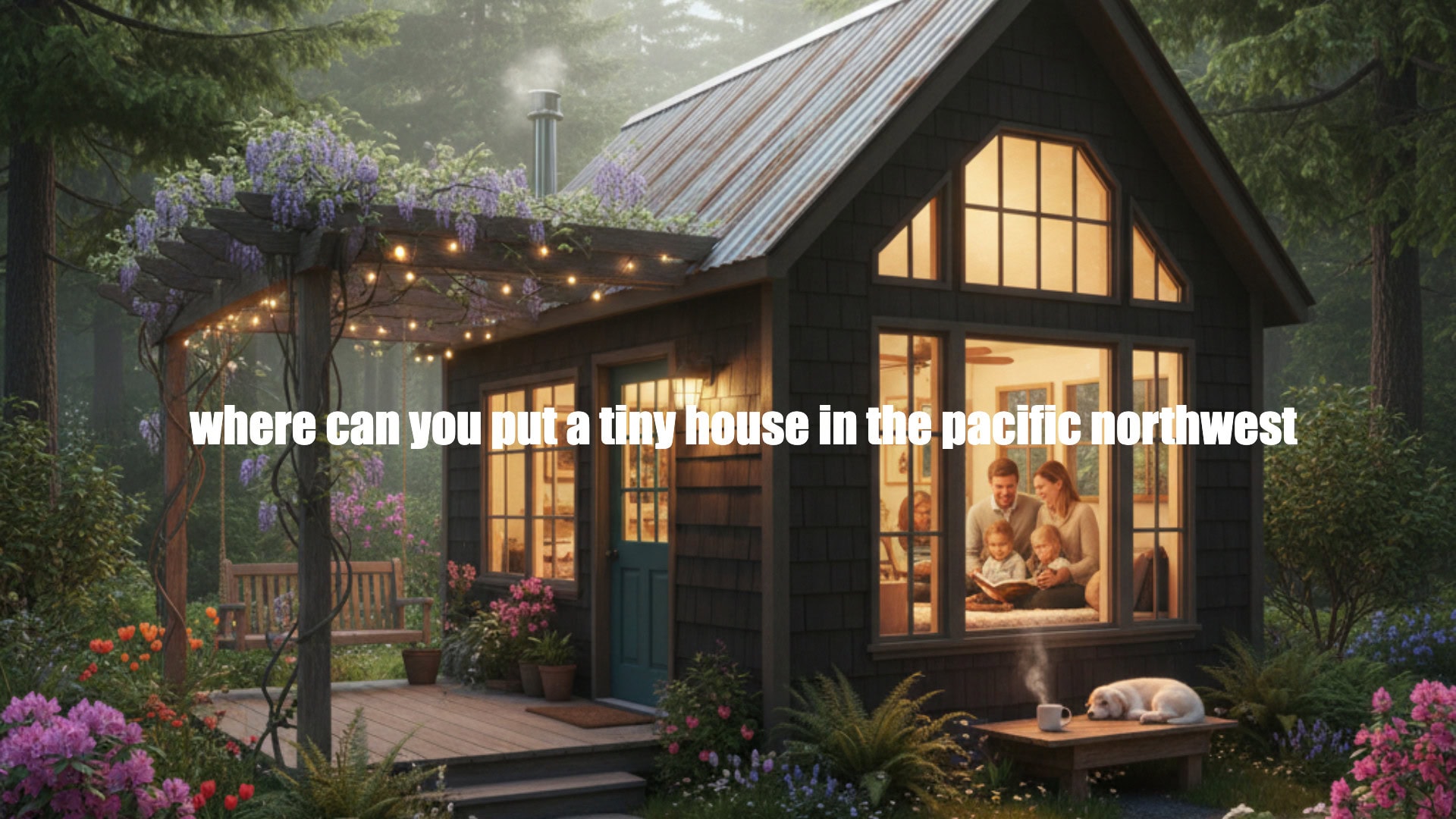
Where Can You Put a Tiny House in the Pacific Northwest? Your Complete Guide
The Pacific Northwest has become a hotbed for the tiny house movement, with stunning natural landscapes, progressive communities, and growing acceptance of alternative living arrangements. From Washington’s rain-soaked forests to Oregon’s high desert and Idaho’s mountain wilderness, this region offers unique opportunities for those wondering where can you put a tiny house in the Pacific Northwest.
This comprehensive guide explores legal placement options, regulations, and practical considerations for tiny house living across Washington, Oregon, and Idaho. We’ll address common concerns about legality and zoning while providing practical solutions.
At Great Lakes Tiny Homes, we understand the unique challenges of tiny house placement in the Pacific Northwest. As a full-service manufacturer of modular and park model homes, we deliver turnkey builds to all 48 lower U.S. states. Whether you choose wheels or without wheels, with or without RVIA certification, we help navigate the complex landscape of tiny house regulations.
Book A Call With our Experts – We’ve helped hundreds of customers make their tiny home dreams a reality.
Legal Placement Options for Tiny Houses in the Pacific Northwest
The Pacific Northwest offers several viable legal placement options for tiny houses, each with distinct advantages and requirements.
Tiny House Communities and Villages represent the most straightforward option. These purpose-built communities offer legal placement with shared amenities, established utilities, and like-minded neighbors. Communities like Simply Home Community in Portland and Quixote Village in Olympia have paved the way.
Private Land with Proper Zoning provides maximum flexibility for customization and privacy. Rural areas in eastern Washington, Oregon, and Idaho often have more permissive zoning laws allowing tiny houses as primary residences or accessory dwelling units.
RV Parks That Accept Tiny Homes offer temporary or transitional solutions, particularly for RVIA-certified tiny houses. Many parks welcome tiny houses during peak seasons or for extended stays.
Backyard ADUs on Family Property have gained popularity as cities like Seattle, Portland, and Boise have relaxed ADU regulations. This option allows tiny houses to serve as guest houses, rental units, or multi-generational living solutions.
Rural Agricultural Land often provides the most affordable placement option, particularly in Idaho and eastern Oregon, where agricultural zoning may permit tiny houses as farm worker housing.
Temporary Camping Permits provide short-term solutions while searching for permanent placement, typically limiting stays to 30-120 days depending on local regulations.
State-by-State Tiny House Regulations in the Pacific Northwest
Each Pacific Northwest state has developed unique approaches to tiny house regulation, reflecting local values and housing needs.
Washington State Tiny House Regulations
Washington has emerged as one of the most tiny house-friendly states. The state allows tiny houses as ADUs in many jurisdictions, with minimum size requirements typically ranging from 120-400 square feet. Seattle specifically permits tiny houses on wheels as ADUs, provided they meet building codes and connect to permanent utilities.
Foundation requirements vary by jurisdiction, but many areas accept both permanent foundations and wheels-based tiny houses. The permit process involves submitting plans to local building departments, with fees ranging from $500-2,000.
For those interested in best tiny home communities in Washington, the state offers numerous established options with varying amenities and price points.
Oregon Tiny House Regulations
Oregon has taken a progressive approach to tiny house regulation, with many cities updating codes to accommodate alternative housing. Portland allows tiny houses as ADUs with a minimum size of 200 square feet, while rural areas often have more flexible requirements.
The state distinguishes between tiny houses on permanent foundations and those on wheels, with different permit processes for each. Foundation-based tiny houses follow standard residential building codes, while wheeled units may be classified as RVs or mobile homes depending on certification.
Those exploring best tiny home communities in Oregon will find options ranging from urban infill projects to rural eco-villages.
Idaho Tiny House Regulations
Idaho offers some of the most permissive tiny house regulations in the Pacific Northwest, particularly in rural areas. Many counties allow tiny houses as primary residences on agricultural land, with minimum size requirements as low as 120 square feet in some jurisdictions.
The state’s approach varies significantly between urban and rural areas. Cities like Boise have specific ADU ordinances accommodating tiny houses, while rural counties often rely on broader residential or agricultural zoning categories.
Best Tiny House Communities in the Pacific Northwest
The Pacific Northwest hosts some of the nation’s most innovative tiny house communities, each offering unique amenities and lifestyle opportunities.
Simply Home Community – Portland, Oregon
Located in Portland’s Kenton neighborhood, Simply Home Community features 13 tiny houses ranging from 120-400 square feet, with shared common areas including a community garden, workshop, and gathering space. Lot rental costs range from $400-600 per month, including utilities and community amenities.
Quixote Village – Olympia, Washington
Quixote Village serves as both a tiny house community and a model for addressing homelessness through innovative housing solutions. The community features 30 tiny houses ranging from 144-240 square feet, along with a community building with shared kitchen and meeting spaces.
Tiny House Village – Boise, Idaho
Boise’s emerging tiny house community scene includes several private developments and co-housing projects. These communities typically feature larger lots and more privacy than urban counterparts, with monthly costs ranging from $300-500 plus utilities.
Placing Your Tiny House on Private Land
Private land placement offers the greatest flexibility for tiny house living but requires careful attention to zoning, utilities, and permitting requirements.
Zoning Verification represents the critical first step. Rural areas typically offer the most permissive zoning, with agricultural and residential zones often allowing tiny houses as primary residences or accessory structures.
Utility Connections vary significantly across the region. Western areas typically have access to municipal water and sewer systems, while eastern regions often rely on wells and septic systems.
Building Permits are required for most permanent tiny house installations. Permit costs typically range from $500-3,000, with the process taking 30-90 days depending on local workload and project complexity.
Understanding Zoning Laws and Permit Requirements
Navigating zoning laws and permit requirements represents one of the most complex aspects of tiny house placement in the Pacific Northwest.
Residential Zoning typically allows tiny houses as primary residences or ADUs, depending on local ordinances. Single-family residential zones may require minimum square footage that exceeds typical tiny house sizes.
Agricultural Zoning offers significant opportunities for tiny house placement, particularly in rural areas. Many agricultural zones allow farm worker housing, caretaker residences, or secondary dwellings that can accommodate tiny houses.
RVIA Certification Benefits can simplify the approval process by classifying tiny houses as recreational vehicles rather than permanent structures. RVIA-certified units often face fewer building code requirements.
Foundation vs. Wheels Implications significantly impact regulatory requirements. Permanent foundations typically trigger full building code compliance, while wheeled units may be classified as vehicles or temporary structures.
RV Parks and Campgrounds That Accept Tiny Houses
RV parks and campgrounds throughout the Pacific Northwest increasingly welcome tiny houses, particularly RVIA-certified units that meet recreational vehicle standards.
Washington State Options include numerous parks along the coast and in mountain areas. Deception Pass State Park and Lake Chelan State Park offer short-term stays, while private parks like Thousand Trails provide longer-term options with monthly rates ranging from $400-800.
Oregon Coastal Parks welcome tiny houses during tourist seasons, with many offering ocean views and beach access. Parks like Beverly Beach State Park and Fort Stevens State Park provide utilities and amenities.
Idaho Mountain Resorts offer year-round tiny house accommodation, particularly near ski areas and national forests. Parks like Ponderosa State Park and Bruneau Dunes State Park provide scenic settings with full hookups.
Costs and Financial Considerations for Tiny House Placement
Understanding the full cost structure of tiny house placement in the Pacific Northwest helps ensure realistic budgeting and successful project completion.
Land Purchase Costs vary dramatically across the region. Rural Idaho land may cost $2,000-10,000 per acre, while Washington and Oregon rural land typically ranges from $5,000-25,000 per acre.
Utility Connection Costs include electrical hookups ($1,000-5,000), water connections ($500-3,000), and sewer systems ($3,000-15,000 for septic).
Community Fees range from $300-800 monthly in established tiny house communities, typically including utilities, maintenance, and shared amenities.
Great Lakes Tiny Homes offers a variety of park models, cabins, and tiny homes on wheels, each designed for comfort and style in the Pacific Northwest climate. Prices start around $61,000 for smaller models like The Pinnacle Tiny House on Wheels, while larger park models like the A-Frame Luxe start at about $155,000. All homes can be customized with finishes and features to fit your lifestyle and regional requirements.
View our portfolio to see how we’ve helped customers across the region achieve their tiny house dreams.
Book A Call With our Experts – We’ve helped hundreds of customers make their tiny home dreams a reality.
Utilities and Infrastructure Requirements
Utility and infrastructure requirements for tiny house placement in the Pacific Northwest reflect the region’s diverse geography and climate conditions.
Water Connections vary significantly between urban and rural areas. Western regions typically offer municipal water systems with connection fees ranging from $500-3,000. Eastern areas often rely on private wells, with drilling costs ranging from $3,000-15,000.
Electrical Hookups are generally available throughout the region, though rural connections may require significant infrastructure investment. Standard residential connections cost $1,000-5,000.
Sewage Systems include municipal connections in urban areas and septic systems in rural locations. Municipal sewer connections typically cost $1,000-5,000, while septic systems range from $3,000-15,000.
Pacific Northwest Climate Considerations for Tiny House Living
The Pacific Northwest’s diverse climate zones present unique challenges and opportunities for tiny house living, from temperate rainforests to high desert conditions.
Moisture Management represents the primary climate challenge. Western areas receive 30-150 inches of annual rainfall, requiring excellent ventilation, vapor barriers, and moisture-resistant materials.
Heating Requirements vary significantly across the region. Coastal areas rarely experience freezing temperatures but require consistent heating during long, damp winters. Interior areas face more extreme temperature swings.
Solar Power Benefits vary by location, with eastern areas receiving significantly more sunshine than coastal regions. Solar installations in eastern Washington and Oregon can generate substantial electricity.
Common Challenges and How to Overcome Them
Tiny house placement in the Pacific Northwest presents several common challenges, but understanding these obstacles and their solutions helps ensure successful projects.
Navigating Complex Zoning Laws
Zoning complexity represents the most significant challenge for tiny house placement. We recommend starting with thorough research of local zoning ordinances, attending planning commission meetings, and building relationships with planning staff.
Finding Suitable Land or Communities
Limited availability of tiny house-friendly land creates competition and higher prices. Expand your search radius to include rural areas with more permissive zoning, and consider partnering with other tiny house enthusiasts.
Meeting Building Code Requirements
Building codes designed for traditional homes often don’t accommodate tiny house innovations. Work with architects familiar with tiny house codes, consider RVIA certification to simplify approval processes.
Securing Financing
Traditional mortgages rarely apply to tiny houses, limiting financing options. Explore personal loans, RV financing for certified units, and specialized tiny house lenders.
Dealing with HOA Restrictions
Homeowner associations often prohibit tiny houses or impose restrictions. Review HOA covenants carefully before purchasing property, and consider seeking variances or covenant modifications.
Utility Connections in Remote Areas
Rural utility connections can be expensive and time-consuming. Investigate off-grid alternatives like solar power and satellite internet, and consider shared utility connections with neighboring properties.
Insurance Complications
Insurance companies often struggle to classify tiny houses, leading to coverage gaps or high premiums. Shop multiple insurers including RV specialists and alternative housing providers.
Frequently Asked Questions About Tiny House Placement in the Pacific Northwest
These frequently asked questions address the most common concerns about tiny house placement in the Pacific Northwest region.
Can I live in a tiny house year-round in the Pacific Northwest?
Yes, year-round tiny house living is possible throughout the Pacific Northwest, though regulations vary by jurisdiction. Many areas allow tiny houses as primary residences on properly zoned land, while others restrict them to seasonal use.
What’s the difference between tiny houses and RVs legally?
Legal distinctions depend on construction standards, certification, and intended use. RVIA-certified tiny houses are classified as recreational vehicles and can be placed in RV parks. Non-certified tiny houses are typically treated as permanent structures requiring building permits.
How much does it cost to place a tiny house in the Pacific Northwest?
Placement costs vary significantly based on location and infrastructure requirements. Budget $5,000-25,000 for land preparation, utility connections, and permits in rural areas, while urban placements may cost $10,000-50,000 or more.
Do I need special insurance for my tiny house?
Insurance requirements depend on your tiny house type and placement. RVIA-certified units often qualify for RV insurance with annual premiums of $300-800. Permanent tiny houses typically require homeowner’s insurance similar to traditional homes.
Can I move my tiny house between Pacific Northwest states?
Wheeled tiny houses can generally be moved between states, though each state has different regulations for temporary and permanent placement. RVIA certification simplifies interstate moves by ensuring compliance with federal transportation standards.
What happens if zoning laws change after I place my tiny house?
Existing legal placements are typically protected by grandfather clauses that allow continued use despite zoning changes. However, modifications or expansions may trigger compliance with new regulations.
How do I find tiny house-friendly areas in the Pacific Northwest?
Research county and city websites for ADU ordinances and tiny house policies, attend local planning meetings, and connect with regional tiny house groups. Rural areas typically offer more placement flexibility than urban locations.
Your Next Steps to Tiny House Living in the Pacific Northwest
The Pacific Northwest offers exceptional opportunities for tiny house living, from vibrant urban communities to pristine rural settings. Whether you’re drawn to Washington’s progressive cities, Oregon’s diverse landscapes, or Idaho’s affordable rural areas, the region provides numerous legal placement options.
Your journey begins with thorough research of local regulations and zoning requirements in your target area. Contact local planning departments to understand current policies and visit existing tiny house communities to experience different lifestyle options.
Consider your priorities carefully – urban convenience versus rural privacy, community living versus independent placement, and temporary flexibility versus permanent roots. Each option offers distinct advantages that will shape your tiny house experience.
The Pacific Northwest’s commitment to sustainability, innovation, and alternative living makes it an ideal region for tiny house pioneers. Take the first step today by researching your target area’s regulations and connecting with local tiny house enthusiasts.
Book A Call With our Experts – We’ve helped hundreds of customers make their tiny home dreams a reality.
How Great Lakes Tiny Homes Supports Pacific Northwest Placement
Successfully placing a tiny house in the Pacific Northwest requires working with experienced professionals who understand the region’s unique regulatory landscape, climate challenges, and lifestyle opportunities.
Great Lakes Tiny Homes brings extensive experience in Pacific Northwest tiny house placement. Our understanding of local building codes, climate considerations, and placement strategies ensures your tiny house meets all regulatory requirements while maximizing comfort and functionality.
We offer comprehensive customization options that address Pacific Northwest-specific needs, from enhanced moisture management systems for coastal areas to superior insulation packages for mountain regions. Our designs incorporate regional climate considerations, ensuring optimal performance in diverse conditions.
Whether you’re planning placement in an urban ADU setting, rural private property, or established tiny house community, we provide guidance throughout the entire process. From initial site evaluation through final placement, our team supports your journey to Pacific Northwest tiny house living.
Book A Call With our Experts – We’ve helped hundreds of customers make their tiny home dreams a reality.


