
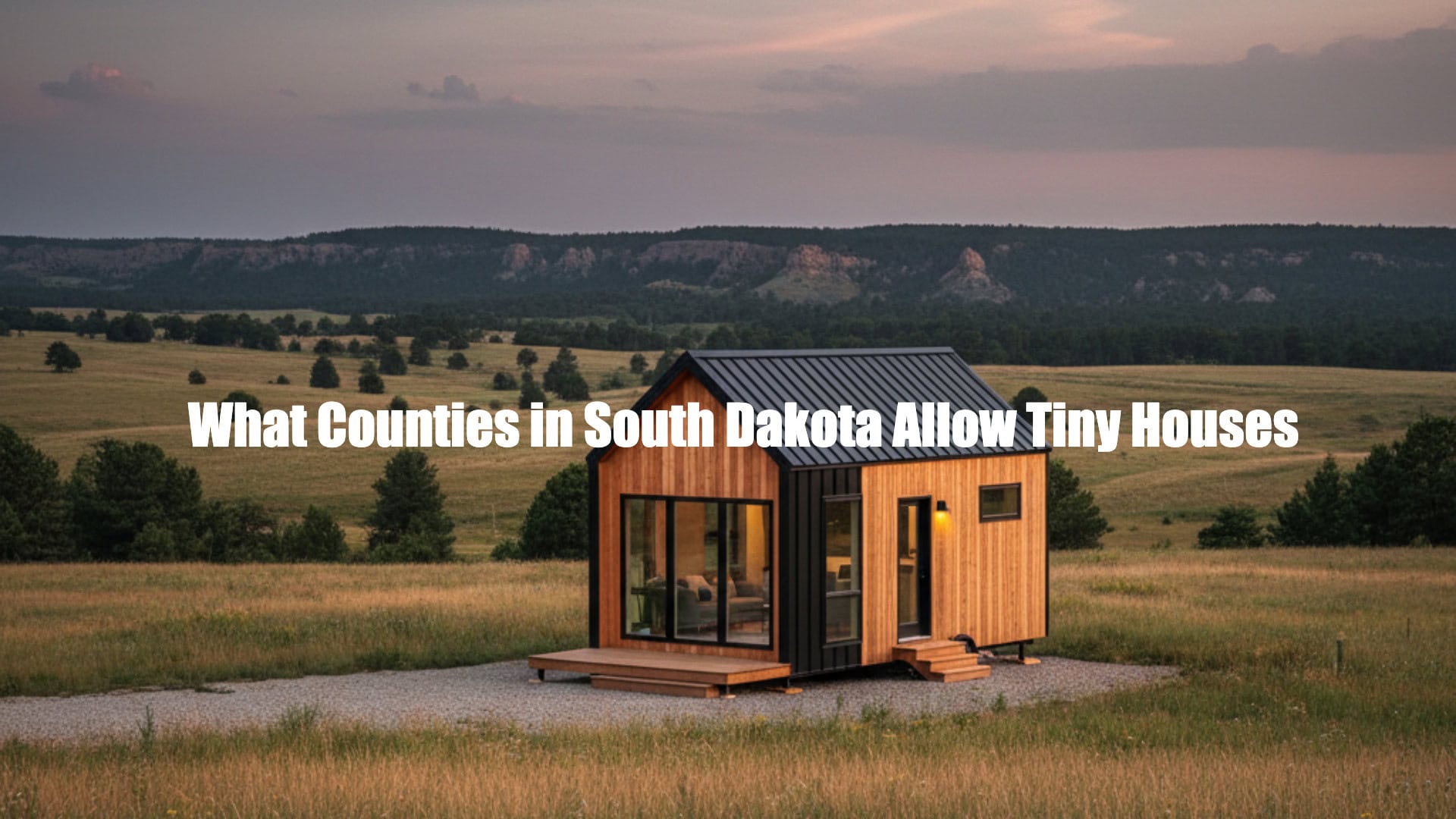
South Dakota allows tiny houses in several counties, including Minnehaha, Pennington, and Lincoln counties. Tiny houses on permanent foundations must comply with the International Residential Code Appendix Q, while tiny houses on wheels are regulated as recreational vehicles under the South Dakota Recreational Vehicle Act.
South Dakota offers diverse opportunities for tiny house living, from expansive rural areas to developing urban hubs. The state’s regulations for tiny houses are handled at the local level, with no uniform statewide policy in place. This means that counties and municipalities set their own standards for zoning, building codes, and permits, creating a varied landscape for prospective tiny home owners.
Navigating these local rules is essential before starting your tiny house project in South Dakota. Factors such as minimum size limits, foundation types, and utility requirements can influence your options significantly. Great Lakes Tiny Homes specializes in manufacturing modular, park model, and tiny homes, providing complete solutions delivered to all 48 contiguous U.S. states. We offer builds with or without wheels and with or without RVIA certification, where certified models are known as Park Models.
Whether you prefer a stationary tiny house or a mobile one, thorough research into South Dakota’s county-specific guidelines is key to success. For personalized advice on selecting a tiny home that fits your location and complies with regulations, consider booking a call with our experts to explore your options.
Disclaimer: This article provides general information and is not legal advice. Regulations and zoning rules differ by location and can evolve over time. Consult your local zoning office or a qualified land use attorney for guidance specific to your situation.
What Counties in South Dakota Allow Tiny Houses?
Numerous counties in South Dakota have created policies to support tiny house development, each with unique criteria and procedures. Prominent examples include Minnehaha County, Pennington County, and Lincoln County, which have modified their zoning laws or introduced dedicated tiny house provisions. These areas are responding to increasing interest in compact, efficient housing by updating codes to include various tiny home configurations.
Regulations differ across counties, with some mandating fixed foundations and others permitting wheeled units under defined circumstances. Knowing these variations helps tiny house enthusiasts select the right location, as it affects construction standards, placement rules, and ongoing compliance. As the tiny house trend continues to grow, more counties in South Dakota are reviewing and refining their approaches to integrate these homes seamlessly.
| County/City | Min Sq Ft | Zoning Type | Key Requirements | Source | Verified |
| Pennington County | 400 sq ft | Residential | Permanent foundation, IRC compliance | Pennington County | Yes |
| Minnehaha County | 400 sq ft | Residential/Agricultural | Permanent foundation, not primary residence in ag zones | Minnehaha County Planning | Yes |
| Lincoln County | Varies | RV/Residential | THOW must be anchored to foundation | Lincoln County Zoning | Yes |
Pennington County
Pennington County, situated in western South Dakota, is renowned for its stunning landscapes and outdoor activities. This county has implemented straightforward rules for tiny house building and siting, appealing to those desiring a countryside lifestyle with tiny home possibilities. The regulations strike a balance between upholding community norms and welcoming innovative housing forms.
Tiny dwellings in Pennington County need a permanent foundation and must adhere to the International Residential Code standards. The building department collaborates with applicants to verify safety and zoning adherence. Setback distances and utility hookups are also regulated, with occupancy permits issued only after meeting these criteria. Individuals eyeing tiny house builders in the Rapid City area should prioritize these local stipulations for project success.
Minnehaha County
Minnehaha County, encompassing Sioux Falls, supports small homes under certain guidelines. This dynamic area combines city conveniences with countryside appeal, attracting tiny house dwellers who value both urban access and natural surroundings. Its closeness to jobs and entertainment enhances its suitability for this housing style.
Tiny houses here must follow housing codes and use permanent foundations to be considered full residences. In agricultural or forestry zones, they can serve as secondary structures like guest homes or offices, but not primary dwellings. This setup enables versatile applications, including rentals. Buyers interested in tiny houses for sale in Sioux Falls benefit from grasping these zoning nuances to optimize their property use.
Lincoln County
Lincoln County outlines rules for Tiny Houses on Wheels (THOWs), mandating secure foundation anchoring for lasting placement. It separates short-term RV use from permanent living, applying distinct standards accordingly. Unanchored THOWs fall under RV rules for parking and stay limits.
This policy accommodates varied tiny house purposes, from year-round homes to vacation spots. Regulations cover utilities, waste handling, and access for emergencies. Permits and inspections are required to establish a tiny house as a permanent home, safeguarding health and safety.
Tiny House Regulations And Rules In South Dakota
Tiny house rules in South Dakota stem from local zoning and building codes, lacking a centralized state mandate, which leads to diverse local approaches. Minimum size thresholds for homes often dictate tiny house viability, rooted in concerns for living space and public welfare. These codes aim to foster safe, appealing residential growth.
Additional stipulations may involve foundation styles, utilities, and escape routes. The system categorizes tiny houses as permanent, temporary, or transitional, each with tailored rules. Grasping these categories streamlines permitting and secures enduring legality.
Regulatory Disclaimer: Tiny house rules in South Dakota can shift and differ by area. Confirm latest details with local building and zoning authorities prior to any project.
Permanent Structure Rules
Permanent tiny houses in South Dakota adhere to standard residential safety and build norms, protecting residents and communities while upholding property values. This category allows the broadest scope for stable living and ownership. It prioritizes durability and integration into neighborhoods.
These homes on fixed foundations must meet Appendix Q of the 2021 International Residential Code, covering structure, fire protection, wiring, and plumbing. The code details ceiling heights, exits, and lofts for safe habitation. It ensures tiny homes provide comfortable, secure spaces despite their size.
- A tiny house is limited to 400 square feet excluding lofts, keeping it compact yet functional for daily life.
- Ceilings in kitchens and baths need at least 6 feet 4 inches, with other areas requiring 6 feet 8 inches for usability.
- Storage lofts can use ladders, but living lofts demand stairs for safe access and regular use.
- Sleeping or living lofts require 35 square feet minimum, plus ventilation and headroom for comfort.
- Stair handrails follow IRC sections R311.7.8 and R312.1 for proper design and safety.
- At least one emergency window must comply with section R310 for quick escape and rescue.
Temporary Structure Rules
Temporary tiny houses, like accessory dwelling units (ADUs), are small additions to main homes, offering options for family, care, or income. They fit into neighborhoods without disrupting aesthetics and come with time or use limits per local laws. This flexibility supports diverse needs.
South Dakota encourages ADUs for affordable housing, but locals govern details. Review ordinances for placement, whether for guests, rentals, or transitions. Some commercial zones permit mobile units with approvals, expanding possibilities.
- Landowners need permits from authorities to site tiny houses, ensuring zoning and safety alignment.
- Installations must follow state laws on builds, utilities, and temporary living standards.
Transitional Structure Rules
The South Dakota Recreational Vehicle Act oversees tiny houses on wheels as transitional options, suiting their mobility for interim needs. They aid in housing gaps, allowing moves as situations change. This supports affordability and adaptability.
Governments and nonprofits use them for aid in instability cases. Though regulated for duration and occupancy, they bridge to permanent setups, offering immediate relief.
- Mobile tiny homes need RV-standard registration, documentation, and certifications.
- They build on one chassis, max 8.5 feet wide and 13.5 feet tall for road compliance.
- Designs include kitchen, bath, and sleep areas for essential living functions.
- Public road towing requires DOT permits for safety and limits.
Major Cities and Municipalities
South Dakota’s key cities vary in tiny house policies, some progressive and others cautious, influenced by density and infrastructure. City codes often exceed county ones in detail. Researching urban rules is vital for city-based tiny living.
Sioux Falls
South Dakota’s biggest city, Sioux Falls, has detailed tiny house rules balancing planning and affordability. The planning team aids compliance while enhancing areas. It’s keen on tiny homes for infill and low-cost housing.
Zoning depends on use and spot; permanent ones follow residential codes, temporaries get special nods. Tiny home communities in South Dakota offer urban success stories.
Rapid City
In the Black Hills, Rapid City regulates tiny houses considering tourism and residences. As a park gateway, it suits seasonal and full-time uses. Codes handle foundations and utilities thoughtfully.
Guidelines cover THOW parking and access, aiding workforce and recreation housing.
Aberdeen
Aberdeen advances tiny house rules to tackle rural affordability, simplifying permits while ensuring quality. It views them as lasting solutions. Engagement with residents shapes practical policies.
Provisions cover fixed and mobile types with clear paths, influencing other areas.
In South Dakota, Where Can I Build A Tiny House?
Choosing a tiny house site affects legality and lifestyle. It dictates rules, permits, and future flexibility. Partnering with licensed builders eases paperwork and code adherence.
Planning makes the build process straightforward. Evaluate spots by preferences, budget, and aims. Each type has pros and cons to weigh.
- RV parks with long-term sites and utilities for residents.
- State or national campgrounds for seasonal stays.
- Tiny house villages with shared support.
- Zoned private land with utilities for fixed setups.
Tiny House Communities in South Dakota
Tiny house villages in South Dakota foster simple, eco-friendly lives with community ties. They promote nature connection and green habits, drawing those for change and low impact. Shared spaces and decisions enrich experiences.
Benefits include cost savings, easy upkeep, and sustainability like gardens or solar. Social bonds add to financial and eco gains.
Tiny Town Extended Stay Campground
Tiny Town Extended Stay Campground in Spearfish suits long-term tiny house stays with monthly options. Tailored for mobiles, it provides utilities in the Black Hills near services.
Sites have full hookups, plus showers, laundry, and rec areas. Management caters to tiny dwellers’ needs.
Sioux Falls Veterans Community Project
The Veterans Community Project (VCP) features 25 tiny houses on 2 acres in Sioux Falls for homeless vets. It offers transitional homes with services for independence.
Units are furnished with appliances and utilities; support includes casework, health, jobs, and housing help. It highlights tiny homes’ social role.
Tiny House Prices in South Dakota
Costs for tiny houses in South Dakota depend on size, quality, foundation, and codes, from $40,000 DIY to over $200,000 luxury, typically $80,000-$150,000 pro-built. Extras like foundations and hookups raise totals.
Pricing varies by fixed vs. mobile, certification, and local needs. Knowing factors aids budgeting.
Pricing Disclaimer: Prices fluctuate with materials, labor, and markets. Get current quotes, including permits and prep.
Great Lakes Tiny Homes Pricing
Great Lakes Tiny Homes delivers $100,000-$150,000 turnkey tiny houses to South Dakota, covering design to install. It uses premium materials and manages all steps for code compliance.
Includes certification, warranties, and support; handles logistics for efficiency. Models suit needs:
- Modular Homes for permanent residential zones.
- A-Frame for scenic spots.
- Cabin for rural areas.
- Park Models for RV sites.
- Tiny House on Wheels for mobility.
Match models to zoning and goals. For advice, book a call with our experts.
Tiny House Builders Near Me
Choosing a reliable builder ensures regulation fit and quality. Great Lakes Tiny Homes leads with nationwide deliveries, versed in South Dakota rules.
RVIA certification affirms our safety and standards commitment for durable homes.
Do I Need a Certified Builder?
Certified builders minimize risks in compliance and quality, unlike DIY’s pitfalls in codes and safety. Pros handle complexities effectively.
Great Lakes Tiny Homes, RVIA-certified, guarantees rule adherence and eases financing. Expertise covers permits and features; warranties add value over time.
Professional builds save on fixes and provide support.
FAQs
Can You Make a Tiny House in South Dakota Your Main Residence?
Yes, full-time tiny house living is permitted in South Dakota if local zoning and codes are followed. Secure permits, inspections, and utilities to qualify as primary. Certified builders and officials aid compliance.
In South Dakota, What Is the Minimum Size Requirement for Tiny Houses?
Most areas adopting IRC need 400 square feet minimum for tiny homes, plus bath and kitchen. Verify county variations before building.
In South Dakota, Is It Legal to Build a Tiny Home in My Backyard?
Backyard builds are feasible with registration, titling, and zoning compliance. Meet IRC for fixed or HUD for mobile; mobiles need 40×8 feet, 320 sq ft min.
What permits are required for tiny houses in South Dakota?
Vary by area: building, electrical, plumbing for fixed; transport and RV reg for wheels. Check departments early for details.
Are there financing options available for tiny houses in South Dakota?
Options include personal/RV loans, tiny-specific programs. Certified units get RV financing; fixed may qualify for mortgages if coded.
Conclusion
Tiny house life in South Dakota succeeds with code and zoning knowledge. The state welcomes ADUs and THOWs diversely. Stay updated and communicate with locals.
County variations demand research and pros. To start, book a call with our experts for tailored help.