
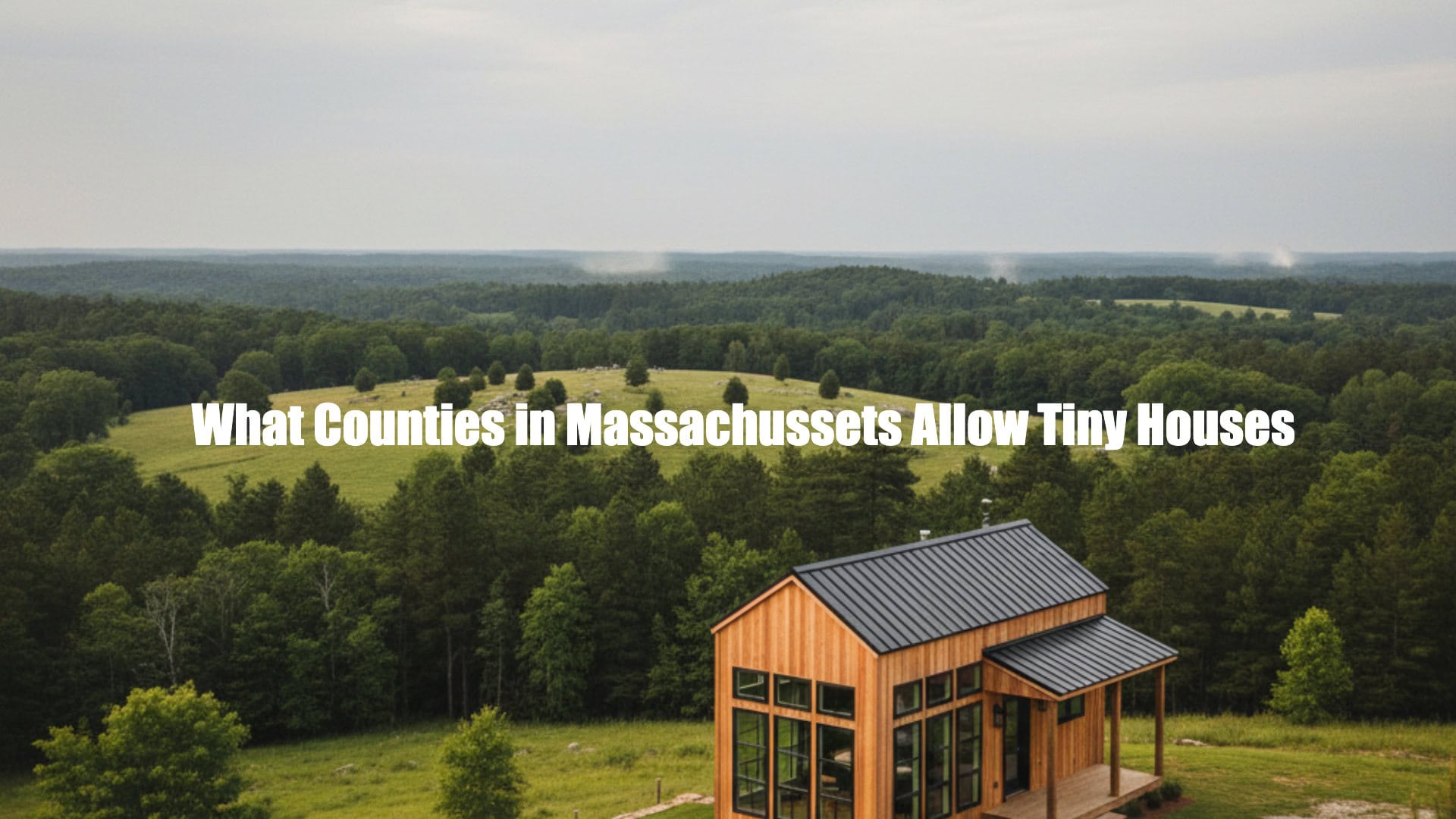
Massachusetts permits tiny houses as permanent dwellings under Appendix Q of the state building code, which covers homes of 400 square feet or smaller. Counties such as Nantucket and Barnstable explicitly allow tiny houses, though zoning rules differ by town and demand adherence to local codes and permits.
The tiny house movement continues to grow in Massachusetts, appealing to those seeking simpler, more affordable lifestyles amid rising housing costs. This shift toward minimalism offers environmental benefits and financial flexibility, but it requires careful navigation of evolving regulations at state and local levels. Prospective owners must research zoning variances, building standards, and community guidelines to avoid setbacks in their projects. As urban and rural areas alike grapple with housing shortages, tiny houses emerge as innovative solutions, provided they align with legal frameworks.
The state adopted Appendix Q from the International Residential Code in 2020, setting uniform construction guidelines for tiny homes on foundations up to 400 square feet. This appendix addresses unique aspects like lofts, stairs, and emergency exits, ensuring safety without stifling design creativity. However, while Appendix Q provides a baseline, municipalities hold sway over land use, leading to diverse policies across the commonwealth. Some towns encourage tiny houses to boost affordable housing stock, whereas others impose restrictions to preserve traditional neighborhood aesthetics. This decentralized approach demands thorough due diligence for anyone eyeing a tiny house build.
Great Lakes Tiny Homes specializes in modular, park model, and tiny home manufacturing, serving all 48 contiguous states with complete, ready-to-move-in options. We offer builds with or without wheels and can include RVIA certification for park models, enhancing mobility and compliance. Whether pursuing a fixed-foundation tiny house or a wheeled variant, grasping Massachusetts’ rules is vital for seamless execution. Book a call with our experts to explore tailored solutions and regulatory insights for your vision.
Disclaimer: This article serves informational purposes only and does not replace professional legal advice. Regulations and zoning can evolve, so consult local authorities or a land-use attorney for personalized guidance on your project.
What Counties in Massachusetts Allow Tiny Houses?
Massachusetts counties exhibit a range of stances on tiny houses, shaped by local priorities like housing needs and environmental concerns. Appendix Q offers statewide construction standards, but zoning boards dictate placement and usage, often emphasizing integration with surrounding areas. Tiny houses, whether on foundations or wheels, must navigate these rules to secure approvals, with some counties leading in progressive policies. This variability underscores the importance of county-specific research for viable projects.
The framework balances innovation with oversight, focusing on utilities, setbacks, and community harmony. Counties promoting tiny houses often view them as tools for affordability, especially in high-cost regions. Conversely, restrictive areas prioritize uniformity, limiting non-traditional builds. Both permanent and mobile tiny houses face scrutiny, with wheels adding mobility but sometimes complicating residency status. Engaging early with planners can clarify pathways and mitigate risks.
| County | Min Sq Ft | Zoning Type | Key Requirements | Source | Verified |
| Nantucket | Under 500 sq ft | Detached Structure | Must be on moveable trailer, attached to foundation per building permit | Zoning Bylaw 139 | Yes |
| Barnstable | Varies by ADU rules | Accessory Dwelling Unit | Owner must occupy main house or ADU for 6+ months, no short-term rentals | Local ADU Ordinance | Yes |
Disclaimer: County policies may update frequently; additional stipulations could apply. Reach out to local zoning departments for the latest details prior to starting your tiny house initiative.
Nantucket County
Zoning Bylaw 139 positions Nantucket as a forward-thinking area for tiny house advocates in Massachusetts. It defines tiny houses as detached units under 500 square feet on movable trailers, secured to foundations via permits, blending mobility with permanence. This setup tackles the island’s steep housing prices, fostering accessible options for locals and workers. Permits from the building department verify adherence to safety and structural norms, safeguarding residents.
Nantucket’s policies stem from community housing pressures, where space is premium and costs soar. Anchoring wheeled tiny houses to foundations ensures durability against coastal elements like wind and salt exposure. Builders must account for island logistics, including material transport and utility setups, which can elevate expenses but yield resilient homes. The bylaw supports year-round and seasonal use, aiding workforce stability in tourism-driven economies.
Tiny house seekers in Nantucket should prepare detailed plans for department review, covering codes and environmental factors. The locale’s isolation demands robust waste and energy systems, often off-grid friendly. Opportunities abound for tiny houses for sale in Massachusetts, serving diverse needs from permanent abodes to worker housing. Collaboration with local experts streamlines approvals and optimizes designs for island life.
Barnstable County
Barnstable County stands out for its supportive stance on tiny homes, driven by advocates like Maureen O’Regan who highlight their role in solving regional housing woes. Treating tiny houses as accessory dwelling units (ADUs) integrates them into existing properties while upholding safety and aesthetic standards. This model promotes density without overwhelming infrastructure, appealing to Cape Cod’s unique blend of residential and vacation zones.
ADU rules mandate owner occupancy of the primary home or unit for over six months annually, curbing speculative or short-term misuse. Bans on platforms like Airbnb preserve community fabric, favoring stable residency over transient rentals. Long-term leasing remains viable, broadening access for families and seniors facing affordability barriers. These measures foster inclusive neighborhoods attuned to local dynamics.
Barnstable accommodates various tiny house forms, from fixed to anchored mobile units, under flexible zoning. The county’s affordability push embraces tiny homes as key to diverse housing stock. Compliance involves standard setbacks, utilities, and zoning checks, but the climate is conducive. Site selection and neighbor consultations enhance project reception, while partnering with tiny house builders in Massachusetts ensures code alignment and efficiency.
Tiny House Regulations And Rules In Massachusetts
Since 2020, Massachusetts’ embrace of Appendix Q has standardized tiny house builds under 400 square feet, prioritizing safety in compact designs. This code tackles essentials like stability, ventilation, and access, harmonizing with broader residential norms. Local zoning, however, governs siting, yielding a mosaic of rules from permissive to cautious. This setup encourages innovation while protecting public welfare and property values.
The state delineates permanent, temporary, and transitional tiny houses, each with tailored guidelines. Permanent ones follow Appendix Q rigorously, temporary like RVs emphasize mobility and approved sites, and transitional aid vulnerable groups via social programs. Such classification streamlines oversight, matching regulations to usage and duration. It clarifies paths for builders and owners alike.
Zoning’s local flavor often hinges on housing demands, with progressive towns leveraging tiny houses for equity. Restrictive ones cite density or style concerns, necessitating variances. Both state and municipal layers demand expertise; missteps can delay or derail efforts. Proactive engagement with officials proves invaluable for compliant, successful ventures.
Disclaimer: Codes and zoning evolve; confirm with building and planning officials for up-to-date mandates before construction.
Permanent Structure Rules
Massachusetts’ Appendix Q outlines rigorous standards for foundation-based tiny houses, covering design, safety, and habitability. It adapts traditional code for small footprints, ensuring resilience against weather and daily wear. From framing to fixtures, every element undergoes scrutiny for longevity and occupant protection. This comprehensive approach builds confidence in tiny homes as viable primaries.
Ceiling mandates promote comfort: 6 feet 8 inches for main areas and hallways, 6 feet 4 inches for wet zones, accommodating lofts at similar heights. These specs prevent claustrophobia while optimizing space, common in multi-level designs. Compliance verifies ergonomic flow, vital for health in confined settings. Builders integrate these seamlessly for functional, inviting interiors.
Escape provisions per Section R310 demand accessible openings under 44 inches high, opening to safe exteriors. Skylights qualify if code-compliant, offering design versatility. These features equip homes for crises, from fires to medical needs, without compromising aesthetics. Regular inspections uphold these safeguards, prioritizing lives over layouts.
Lofts require 35 square feet minimum, five-foot dimensions, with stairs at 17-20 inches wide and 6 feet 2 inches headroom. Railings span 7-12 inches for safety. These rules enable efficient sleeping or storage without hazards, suiting tiny house ingenuity. Detailed adherence yields spaces that feel expansive and secure.
Temporary Structure Rules
Temporary setups like RVs and mobiles in Massachusetts prioritize registration, site suitability, and hygiene over permanence. DMV oversight tracks units, confining RVs to campsites and mobiles to designated parks. This prevents urban sprawl while supporting transient needs like seasonal work. Rules evolve with tech, incorporating modern safety tech.
Registration mandates state listing and upkeep in zoned spots, with mobiles in communities under sanitary codes. Parks file rules transparently, safeguarding tenant rights. Debris-free maintenance and health compliance foster clean, safe environs. These protocols balance flexibility with accountability.
Sanitation focuses on waste, structure, and codes, with owners upholding standards. Park governance ensures fair practices, filed timely for review. This framework protects users and locales, adapting to diverse temporary scenarios. It underscores temporary housing’s role in broader affordability strategies.
Transitional Structure Rules
Transitional tiny houses aid Massachusetts’ homeless or unstable via short-term shelters under social services, not strict codes. Health departments oversee basics like sanitation and safety, emphasizing dignity. These bridge to stability, often in clusters with support. Flexibility suits urgent needs without rigid builds.
Oversight blends emergency housing with welfare, meeting minimal standards for health. Programs integrate counseling and job aid, enhancing outcomes. Regulations adapt to transience, focusing on welfare over permanence. This humane approach addresses root causes effectively.
Major Cities and Tiny House Policies
Massachusetts’ key cities tailor tiny house rules to urban pressures, land scarcity, and affordability crises. Dense settings challenge placement, yet tiny homes could ease shortages if zoned aptly. Policies detail parking, utilities, and aesthetics, with special permits for alternatives. Urban innovation lags but grows amid housing debates.
Cities offer granular guidance, from ADU allowances to bans, reflecting demographics. Transit-rich areas like Boston suburbs enable car-light tiny living. Variances bridge gaps, but navigation demands local savvy. These policies shape viable urban tiny house futures.
Boston Metropolitan Area
Boston’s metro grapples with sky-high costs and tight zoning, hindering tiny houses despite affordability needs. No citywide ordinance exists, but suburbs probe ADUs for secondary units. MBTA access opens commuter-friendly sites. High values spotlight tiny homes’ potential, tempered by regs.
Lot sizes and setbacks clash with tiny scales, but ADU pilots emerge. Developers test clusters in fringes, blending urban perks with space. Tiny home communities in Massachusetts sprout slowly, aided by pros versed in bylaws. Persistence yields breakthroughs in this premium market.
Regulatory hurdles demand expert aid for compliance and financing. Community buy-in softens resistance, highlighting benefits like density relief. Future shifts may liberalize as crises mount, favoring adaptive housing.
Worcester Area
Worcester welcomes alternatives more than peers, with cheaper land fostering tiny projects near amenities. Revitalization includes housing diversity talks, eyeing tiny homes. Urban-rural mix suits infill to homesteads. Policies balance growth with character.
ADU ordinances in suburbs enable tiny additions, while cores restrict less. This variety invites experimentation, from backyard units to eco-villages. Affordability drives adoption, with zoning tweaks aiding access. Local engagement refines implementations.
Springfield Area
Springfield’s west offers affordable land and laxer rules, attracting tiny enthusiasts to scenic spots. Economic revitalization eyes tiny homes for population draw. Nature proximity enhances appeal for off-grid or low-impact lives. Zoning varies, favoring rural flexibility.
Rural towns permit more than cities, with values enabling ownership. Amenities access supports work-life balance. Municipal checks ensure harmony, but opportunities abound. Strategic planning unlocks potential here.
Where to Build a Tiny House in Massachusetts
Site choice in Massachusetts hinges on zoning, utilities, and acceptance, spanning coasts to hills. Diverse terrains offer coastal views or inland peace, but rules dictate feasibility. Factors like soil, access, and neighbors influence success. Thoughtful selection aligns dreams with realities.
Licensed contractors demystify regs, handling permits and codes for smooth builds. Their locale knowledge cuts delays, ensuring quality. From surveys to setups, pros manage complexities. This partnership boosts outcomes.
Options include RV parks for quick hooks, campgrounds for nature, communities for camaraderie, or private lots for autonomy. Parks suit starters with amenities, but residency caps apply. Private sites demand zoning wins and installs. Communities blend perks, though scarce.
Emerging clusters feature tiny-optimized infra, shared greens, and bonds. Private or park bases dominate now, offering stability. Evaluate costs, rules, and vibes for best fit. Long-term viability guides choices.
Tiny House Communities in Massachusetts
Massachusetts tiny communities foster intentional living, merging compact homes with collective resources. From cohousing to resorts, they emphasize sustainability and connection. Shared spaces amplify small footprints, building resilience. Growth mirrors demand for eco-affordable options.
These enclaves prioritize green practices, collaboration, and diversity, countering isolation. Gardens, halls, and events enrich experiences. Appeal lies in mutual aid and reduced footprints. They model future housing trends.
Village Hill Cohousing
Village Hill in Northampton, launched 2019, features 28 eco-tiny homes near downtown vibrancy. It champions simplicity, sustainability, and interplay. Trails and transit link nature to urbanity. This setup suits balanced seekers.
Proximity to culture and jobs preserves community intimacy. Biking paths and buses ease mobility. Eco-features like solar and conservation align values. Shared governance strengthens ties.
Off-grid readiness appeals to stewards, with materials minimizing impact. Collaboration tackles tiny challenges collectively. It exemplifies harmonious, green tiny living.
Hillcrest
Hillcrest in Rockland offers family-oriented mobile/tiny spots via resident ownership, ensuring stability. All-ages welcome, with policies supporting kids. Ownership empowers maintenance and voice. Affordability meets quality here.
Near Boston yet nature-adjacent, it balances commutes and leisure. Amenities nurture family life. Governance fosters pride and improvements. It’s a blueprint for cooperative housing.
Success stems from engagement and standards, proving tiny communities’ viability. For tiny home communities in Massachusetts, it highlights ownership’s benefits in affordability quests.
Tiny House Prices in Massachusetts
Costs in Massachusetts fluctuate with size, base, certs, and compliance, amid high living expenses. Sites, permits, and hooks add layers. Budgeting factors these for realistic planning. Values reflect quality and adaptability.
Foundations hike initials for permanence, wheels cut for mobility but limit spots. RVIA boosts credibility, aiding loans despite premiums. Local tweaks via mods elevate totals. Savvy choices optimize spends.
Appendix Q standardizes, but zoning variances demand extras. Pros mitigate via efficient designs. Costs yield enduring assets when aligned right.
Great Lakes Tiny Homes Pricing
Our turnkey tiny homes range $100,000-$150,000, covering design to delivery statewide. RVIA options ensure standards, simplifying logistics. This all-in eases burdens, delivering ready homes. Investments pay in durability.
Pricing weaves size, foundations, systems, and codes. Consults tailor to budgets and regs. Certs and craft promise longevity. Full service spans project lifecycles.
Support includes permits and preps, foreseeing hurdles. Mass expertise streamlines. This holistic aid maximizes value.
Great Lakes Tiny Homes Model Options
We provide varied models suiting needs, regs, and styles across Massachusetts. Choices match goals, from fixed to mobile. Each offers unique perks for contexts. Selection ensures fit.
Our lineup includes:
- Modular Homes – Factory sections for site assembly, perfect for code-compliant foundations
- A-Frame – Space-smart roofs with charm
- Cabin – Rustic fits for naturals
- Park Models – Certifed for parks
- Tiny House on Wheels – Versatile movers
Align with zonings and uses; teams guide optimally.
Zoning Considerations and Model Selection
Model picks weigh zonings, uses, and goals, with Mass variances key. Foundations suit permanents, wheels flex but restrict. Certs open parks. Informed choices secure approvals.
Fixed excel in residentials, mobiles in transients. Pros assess for compliance. Book a call with our experts for zoning-specific advice. Experience refines paths.
Expertise ensures success, blending regs with visions.
Building Permits and Certification Requirements
Permits validate tiny projects, checking plans against codes and zonings. Submissions detail builds and sites for multi-dept reviews. Prep averts rejections. Pros expedite.
Officials probe structures, safeties, and fits. Thorough docs speed processes. Certs like RVIA bolster cases. Compliance builds trust.
RVIA assures quality, easing insurances. Great Lakes delivers certified excellence. Support spans all stages.
Pros navigate, reducing risks via knowledge.
Financing and Insurance Considerations
Funding varies by type and certs; mortgages for fixed, RV loans for wheels. Alternatives fill gaps. Lenders versed in tinies aid. Planning secures terms.
Certs unlock competitive RV options. Specialists streamline apps. Matches needs to products.
Insurances mirror: home for fixed, RV for mobile. Specialists cover adequately. Costs manage via certs.
Guidance from builders links resources. Our certs facilitate protections.
Frequently Asked Questions
Can You Make a Tiny House in Massachusetts Your Main Residence?
Yes, permanent tiny house residency is feasible in Massachusetts if aligned with local ordinances and codes. Appendix Q governs foundation builds, but zonings dictate locations. Contact building and zoning offices early to confirm standards and inspections. This ensures your home serves as a legal primary dwelling without issues.
Does My Tiny Home Need to Pay Property Taxes in Massachusetts?
Taxes depend on setup: foundation tiny houses on owned land incur real estate taxes like standard homes. Wheeled or mobile ones often face personal property taxes instead. Park residents may pay fees over taxes. Check assessor offices for your configuration’s obligations.
In Massachusetts, How Small Can A House Be?
Appendix Q covers down to 100 square feet typically, with no state minimum but local zonings varying. The 400-square-foot cap defines tiny standards; larger follow regular codes. Verify town minimums to avoid conflicts. Flexible designs thrive within these bounds.
Do I Need a Certified Builder for My Tiny House in Massachusetts?
Certification isn’t mandatory statewide, but RVIA-certified builders like Great Lakes Tiny Homes offer quality, compliance, and financing edges. They adhere to rigorous standards for safety and durability. This choice simplifies permits and insurances. For optimal results, certified pros are recommended.
Conclusion
Massachusetts’ Appendix Q framework advances tiny housing safely, with locals like Nantucket and Barnstable pioneering access. Yet, zoning’s patchwork requires vigilance for success. Tiny homes tackle affordability innovatively, demanding informed steps.
Pros guide through regs, ensuring compliant, quality outcomes. Early official ties and community input pave ways. Investments in expertise yield lasting benefits.
As housing evolves, tiny options gain traction for sustainability. Research and partners foundation triumphs. Book a call with our experts to tailor your Massachusetts tiny journey.