
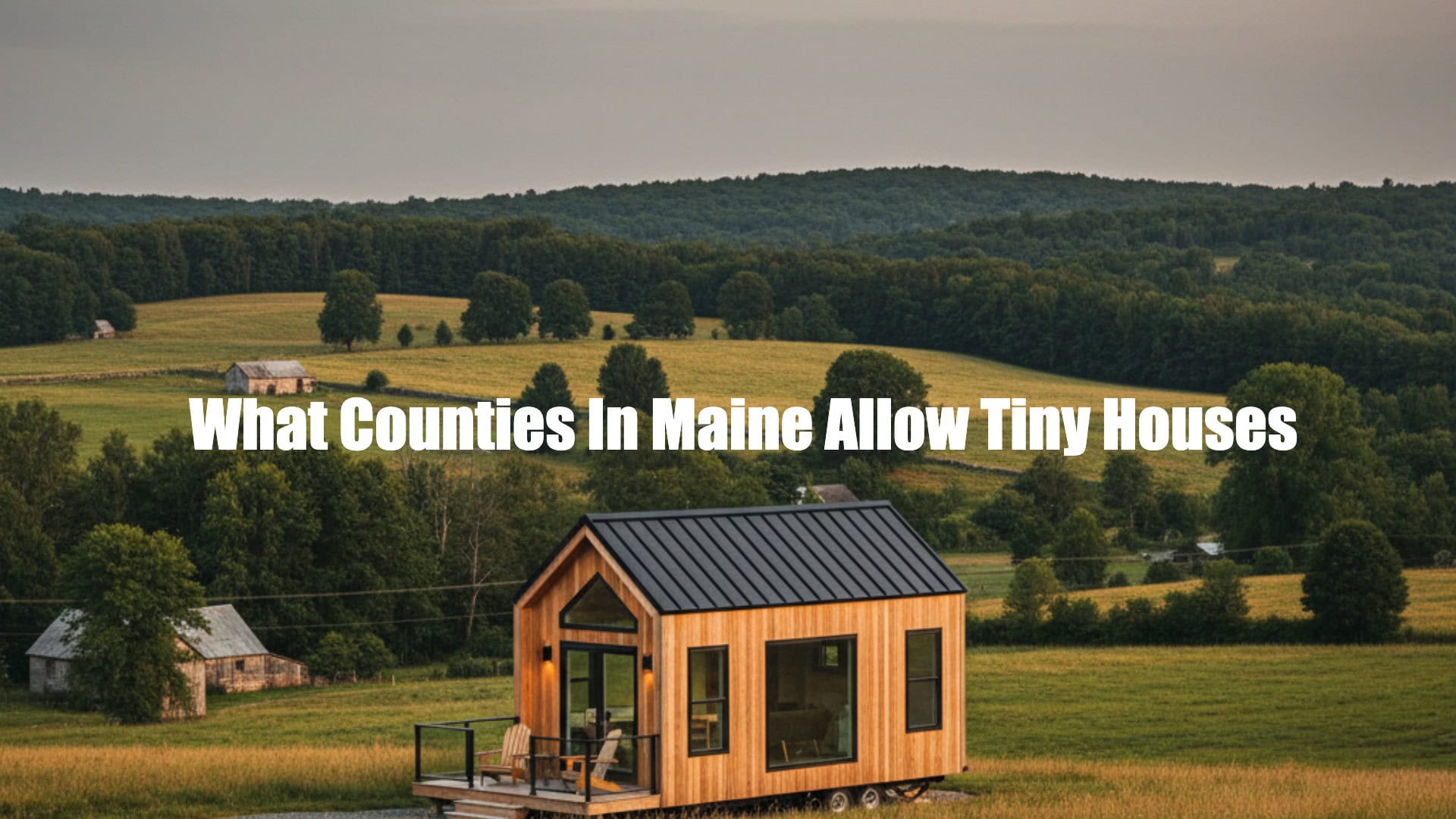
Maine allows tiny houses statewide as permanent single-family dwellings under Title 30-A, §4363, provided they do not exceed 400 square feet excluding lofts and comply with local zoning and building codes. Several counties, including Lincoln and Kennebec, permit tiny homes in designated areas, with friendly municipalities such as Wiscasset, New Gloucester, Chelsea, Stonington, Hollis, and Old Orchard Beach offering supportive regulations for both foundation-based and wheeled structures. Tiny houses on wheels must be registered appropriately and are often treated as RVs for temporary use.
Maine’s scenic landscapes and affordable rural areas make it an appealing destination for tiny house living, where the movement toward minimalist and sustainable housing is gaining momentum. With progressive state laws supporting tiny homes, prospective owners can explore options for permanent residences, accessory dwelling units, or mobile setups. This guide covers the key counties and cities in Maine that allow tiny houses, detailing regulations, zoning considerations, and practical steps to ensure compliance.
Understanding what counties in Maine allow tiny houses requires navigating both state-level statutes and local ordinances, as zoning is primarily municipal. Factors like foundation requirements, utility connections, and size limits play crucial roles in feasibility. Great Lakes Tiny Homes, a full-service manufacturer of modular, park model, and tiny homes, delivers turnkey builds to all 48 lower U.S. states, offering options with or without wheels and RVIA certification—where certified models are often classified as park models. If you’re planning a tiny house project in Maine, consider how these choices align with local rules to avoid setbacks.
For personalized guidance on selecting a model that fits Maine’s regulations, book a call with our experts.
Disclaimer: This article is for informational purposes only and does not constitute legal advice. Laws, regulations, and zoning rules vary by location and may change over time. Always consult your local zoning office or a qualified land use/zoning attorney before making decisions based on this information.
Can You Make a Tiny House in Maine Your Main Residence?
Yes, Maine law explicitly allows tiny houses to serve as primary residences when they meet specific criteria established in 2021. The state passed LD 1881, An Act Regarding the Regulation of Tiny HomesAn Act Regarding the Regulation of Tiny Homes – Maine Legislature, which grants tiny homes the same legal status as traditional single-family dwellings. This landmark legislation defines a tiny home as a dwelling not exceeding 400 square feet, excluding lofts, and constructed on a chassis or foundation. As a result, tiny homes in Maine are legal statewide, provided they adhere to zoning, building codes, and safety standards. However, local municipalities retain authority over placement and design specifics, so verifying town-level rules is essential for long-term residency.
Beyond the size limit, tiny homes must include essential features like plumbing, electrical systems, and heating to qualify as habitable residences. The adoption of the 2018 International Residential Code (IRC) Appendix Q further facilitates construction by relaxing certain requirements for lofts, ceiling heights, and stairways in small dwellings2018 International Residential Code (IRC). For those interested in tiny houses for sale in Maine, ensuring compliance from the outset prevents costly revisions. Insurance, utility hookups, and property tax assignments also factor into making a tiny house your main home, often requiring coordination with local authorities.
Transitional uses, such as tiny homes as accessory dwelling units (ADUs), offer flexibility for multi-generational living or rental income, but permanent setups demand a stable foundation to align with residential zoning. Maine’s rural character supports off-grid options in some areas, though urban towns may enforce stricter utility mandates. Consulting certified builders early can streamline the process, especially for navigating Maine’s variable climate considerations like frost-protected foundations.
Disclaimer: This article is for informational purposes only and does not constitute legal advice. Laws, regulations, and zoning rules vary by location and may change over time. Always consult your local zoning office or a qualified land use/zoning attorney before making decisions based on this information.
What Counties in Maine Allow Tiny Homes?
Maine’s zoning framework is decentralized, with regulations handled at the municipal level rather than county-wide, allowing flexibility but requiring town-specific research. Several counties host tiny house-friendly towns that explicitly permit these structures under state guidelines from Title 30-A, §4363Title 30-A, §4363: Regulation of tiny homes – Maine Legislature. Counties like Lincoln and Kennebec stand out for their supportive local ordinances, which align with the state’s progressive stance on affordable housing. Within these areas, tiny homes can be placed on individual lots zoned for single-family dwellings or as ADUs, promoting sustainable development while preserving rural aesthetics. However, setbacks, lot coverage, and environmental protections vary, so site-specific evaluations are crucial.
Other counties, such as Hancock and York, also accommodate tiny homes through permissive town policies, especially in coastal and inland rural zones. The key is ensuring the structure meets the 400-square-foot cap and IRC standards, with wheels optional for mobile variants registered as RVs. For those exploring tiny house builders in Maine, selecting a location in these counties simplifies permitting. Community support for tiny home developments is growing, reflecting Maine’s emphasis on innovative housing solutions amid housing shortages.
| County/City | Min Sq Ft | Zoning Type | Key Requirements | Source | Verified |
| Lincoln County (Wiscasset) | No minimum; 400 sq ft max | Single-family or ADU | Permanent foundation for residency; comply with local setbacks and IRC Appendix Q; utilities required | Title 30-A, §4363: Regulation of tiny homes – Maine Legislature | Yes |
| Kennebec County (Chelsea) | No minimum; 400 sq ft max | Rural Residential | Wheeled options as RVs; building permit needed; energy efficiency standards | Title 30-A, §4363: Regulation of tiny homes – Maine Legislature | Yes |
| Cumberland County (New Gloucester) | No minimum; 400 sq ft max | Agricultural/Residential | ADU permitted on lots over 2 acres; septic approval; frost wall foundation | Title 30-A, §4363: Regulation of tiny homes – Maine Legislature | Yes |
| Hancock County (Stonington) | No minimum; 400 sq ft max | Shoreland/Residential | Environmental review for coastal areas; permanent structure rules; no wheels in shoreland zones | Title 30-A, §4363: Regulation of tiny homes – Maine Legislature | Yes |
| York County (Hollis, Old Orchard Beach) | No minimum; 400 sq ft max | Village Residential | Temporary permits for seasonal use; full compliance for year-round; lot size minimum 10,000 sq ft | Title 30-A, §4363: Regulation of tiny homes – Maine Legislature | Yes |
Disclaimer: This article is for informational purposes only and does not constitute legal advice. Laws, regulations, and zoning rules vary by location and may change over time. Always consult your local zoning office or a qualified land use/zoning attorney before making decisions based on this information.
Tiny House Regulations in Major Maine Cities
Wiscasset
Wiscasset, in Lincoln County, embraces tiny homes as a solution to housing needs, permitting them in rural residential zones with a focus on historical preservation. Structures must adhere to the 400-square-foot limit and require a building permit from the local code enforcement officer, ensuring compliance with state fire and safety codes. Coastal proximity necessitates elevation considerations for flood zones, and ADUs are allowed on properties with existing single-family homes. Utility connections to municipal water and sewer are preferred, though septic systems are viable in rural lots. For builders, integrating energy-efficient features like solar panels aligns with Wiscasset’s sustainability goals, enhancing approval chances.
Local ordinances emphasize minimal visual impact, so tiny homes should blend with the town’s nautical aesthetic through material choices like cedar siding. Temporary wheeled tiny homes are restricted to RV parks, with permanent residency demanding a foundation. Residents often pair tiny homes with community gardens, fostering a sense of place in this charming Midcoast town. Verifying with the Wiscasset Planning Board ensures alignment with any updates to shoreland zoning.
New Gloucester
New Gloucester, located in Cumberland County, supports tiny house developments in agricultural and rural districts, viewing them as innovative for young families and retirees. The town’s land use ordinance allows tiny homes on lots of at least one acre, with no minimum square footage but a strict 400-square-foot cap for primary structures. Building permits involve site plan reviews to assess environmental impacts, particularly near the Sabbathday Pond watershed. Foundations must be frost-protected to withstand Maine’s harsh winters, and off-grid setups require alternative energy approvals. This town’s progressive stance has led to small tiny home clusters, promoting affordable living without urban sprawl.
Zoning favors ADUs for accessory use, enabling tiny homes alongside larger residences for extended family housing. Electrical and plumbing inspections are rigorous, ensuring systems meet IRC standards adapted for small spaces. Community input during permitting can influence decisions, so engaging neighbors early is advisable. For those seeking best tiny home communities in Maine, New Gloucester’s rural charm offers a balanced lifestyle.
Chelsea
Chelsea in Kennebec County is one of Maine’s most accommodating towns for tiny homes, explicitly allowing them in residential zones since adopting state guidelines. With a minimum lot size of 20,000 square feet for primary dwellings, tiny homes fit well as standalone or ADU options, capped at 400 square feet. The code enforcement office streamlines permits for compliant builds, focusing on accessibility and safety features like emergency exits. Proximity to Augusta provides easy access to services, making it practical for year-round living. Wheeled tiny homes are permitted in designated areas but must register as RVs for mobility.
Local rules prioritize low-impact development, encouraging native landscaping around tiny homes to preserve wildlife habitats. Septic design approvals are key, with soil tests required for subsurface systems. Chelsea’s small-town vibe supports community-oriented tiny living, with events fostering resident connections. Always cross-check with the town’s planning committee for any seasonal restrictions.
Stonington
Stonington, a Hancock County coastal gem, permits tiny homes in shoreland and rural zones, balancing tourism with residential growth. Regulations under state law allow up to 400 square feet on lots zoned for single-family use, with heightened scrutiny for waterfront properties to protect marine environments. Building permits demand elevation certificates for flood-prone areas, and foundations must resist tidal influences. ADUs are popular for seasonal rentals, boosting the local economy while adhering to occupancy limits. Off-grid solar and composting toilets are feasible with proper variances.
The town’s ordinance integrates tiny homes into its working waterfront character, requiring designs that complement granite quarries and lobster shacks. Utility hookups to island grids can be challenging, so hybrid systems are common. Engaging the Stonington Planning Board early facilitates smoother approvals, especially for eco-friendly builds. This location appeals to those desiring a tiny house by the sea.
Hollis
Hollis in York County welcomes tiny homes in village and agricultural districts, promoting them as viable alternatives to traditional housing amid rising costs. The 400-square-foot maximum applies, with no enforced minimum, allowing creative space utilization on lots over 40,000 square feet. Permits involve zoning compliance checks for setbacks and height restrictions, ensuring tiny homes don’t overshadow neighbors. Foundations are mandatory for permanence, with wheeled versions limited to campgrounds. Hollis’s rural setting supports self-sufficient designs, including rainwater harvesting.
Local emphasis on farmland preservation means tiny homes must avoid prime agricultural soils, directing placements to wooded or transitional areas. Community workshops on sustainable building enhance resident knowledge, aiding permit processes. For families, pairing a tiny home with homeschooling resources in town adds appeal. Consult the Hollis Code Office for the latest on variance applications.
Disclaimer: This article is for informational purposes only and does not constitute legal advice. Laws, regulations, and zoning rules vary by location and may change over time. Always consult your local zoning office or a qualified land use/zoning attorney before making decisions based on this information.
Tiny House Regulations And Rules In Maine
Maine’s tiny house rules categorize structures as permanent, temporary, or transitional, each with tailored requirements to balance safety and flexibility. Permanent tiny homes, treated as single-family dwellings, must follow the IRC and local zoning, incorporating features like lofts and reduced ceiling heights under Appendix Q2018 International Residential Code (IRC). State law mandates accessibility for under-floor spaces and minimum room dimensions, ensuring habitability in compact designs. Solar systems must comply with fire codes, promoting renewable energy integration. These regulations foster innovative housing while upholding structural integrity across Maine’s diverse climates.
Temporary structures, often on wheels, serve recreational purposes and require DMV registration like RVs, limiting long-term residency unless converted. Transitional tiny homes as ADUs support rental markets, needing inspections for plumbing and heating akin to permanent builds. Zoning variances may be necessary for unique placements, with environmental reviews in sensitive areas. For comprehensive overviews, resources like the tiny houses for sale in Portland, Maine highlight compliant examples.
Permanent Structure Rules
Permanent tiny homes in Maine adhere to conventional residential standards post the 2021 legislative update, equating them to full-sized houses in zoning contextsAn Act Regarding the Regulation of Tiny Homes – Maine Legislature. Appendix Q of the IRC permits efficiencies like ladder access to lofts and 6-foot-8-inch bathroom ceilings, easing construction in limited spaces. Foundations must support frost walls, with interior walls spaced no more than 50 feet apart for stability. Habitable rooms require 70 square feet minimum, excluding kitchens, to ensure comfortable living. Maine’s adoption of these codes statewide streamlines permitting, though local amendments may apply in historic districts.
Energy efficiency is paramount, with requirements for insulated walls and efficient HVAC to combat cold winters. Every unit needs a kitchen sink and accessible utilities, aligning with public health standards. Builders must secure permits early, coordinating with inspectors for phased approvals. This framework supports tiny homes as viable main residences, reducing environmental footprints in Maine’s natural settings.
Temporary Structure Rules
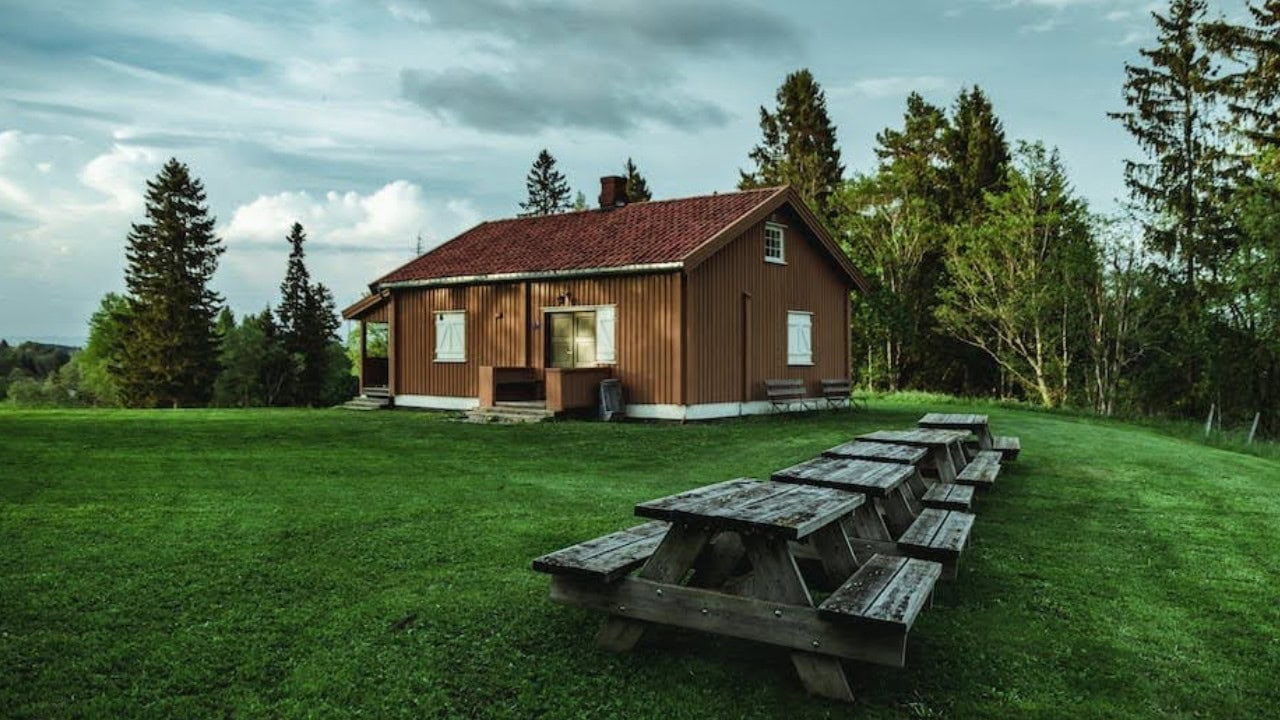
Temporary tiny homes, typically on wheeled chassis, are regulated as recreational vehicles in Maine, suitable for short-term or seasonal use. They must not exceed highway dimensions for towing and require DMV titling if used on public roads. Permanent residency is prohibited without conversion to a fixed foundation, limiting them to campgrounds or private lots with time restrictions. Essential systems like plumbing and heating are mandatory even for temporaries, ensuring safety during occupancy. These rules prevent makeshift housing while allowing mobility for vacationers exploring Maine’s outdoors.
Insurance as an RV covers transport and basic liability, but homeowners policies apply post-setup. Local ordinances may cap stay durations at 180 days annually in non-residential zones. For transitional potential, retrofitting wheels for permanence involves code upgrades. This category appeals to those testing tiny living before committing long-term.
Transitional Structure Rules
Transitional tiny homes function as ADUs, bridging temporary and permanent uses, ideal for rentals or family expansions under Maine’s flexible zoning. Capped at 400 square feet, they must include full living amenities and pass livability inspections. Placement on permanent foundations or trailers is allowed, with mobile bases acceptable for short-term scenarios. Compliance with plumbing, electrical, and heating mirrors permanent standards, promoting safe habitation. These structures support Maine’s housing diversity, especially in towns facing affordability challenges.
Permitting involves owner-occupancy proofs for ADUs, with size ratios to primary homes in some municipalities. Energy codes emphasize insulation for year-round viability. Rental scenarios require health department nods for sanitation. Integrating transitional tiny homes enhances property values when zoned appropriately.
Disclaimer: This article is for informational purposes only and does not constitute legal advice. Laws, regulations, and zoning rules vary by location and may change over time. Always consult your local zoning office or a qualified land use/zoning attorney before making decisions based on this information.
In Maine, Where Can I Build A Tiny House?
Building a tiny house in Maine is feasible in most areas adhering to municipal zoning, with state law enabling placement on single-family lots or as ADUs. Rural counties offer ample land for off-grid setups, while coastal towns prioritize environmental safeguards. Site selection involves soil tests for foundations and proximity to utilities, influencing design choices. Engaging tiny house builders in Augusta, Maine early ensures regulatory alignment from blueprint to completion. Maine’s vast forests and lakesides provide idyllic spots, but flood plain avoidance is critical.
Permitted zones include agricultural and residential districts, with variances possible for innovative projects. Community developments are emerging, offering shared amenities like trails and utilities. Pre-construction surveys assess wetlands and historic sites, preventing delays. This strategic approach maximizes tiny house potential in Maine’s varied terrains.
Tiny House Communities in Maine
Maine’s tiny home communities are expanding, addressing affordable housing through collaborative projects that emphasize sustainability and community bonds. These developments integrate tiny homes into natural settings, often with shared green spaces and eco-friendly infrastructure. State support via zoning reforms has accelerated approvals, making Maine a hub for such initiatives. Exploring best tiny home communities in Maine reveals options for various lifestyles, from urban edges to remote woodlands. Participation fosters social connections, enhancing the minimalist living experience.
Communities typically feature 20-50 units, with rents or lot fees covering maintenance. Design guidelines ensure aesthetic harmony, while utilities like communal solar arrays reduce costs. Events and workshops build resident engagement, turning neighborhoods into supportive networks. As demand grows, more towns are zoning for these eco-villages.
Bangor’s First Tiny Home Community
- Location: Bangor, Maine
- Developer: Louie Morrison
- Number of Homes: 34 tiny homes on a two-acre property
- Status: Construction ongoing as of 2026, with full occupancy anticipated soon
- Rent Range: $700-$1,200 per month
- Approval: Bangor’s city councilors approved a new ordinance allowing tiny home developments, and the planning board unanimously approved the project.
- Aim: To provide affordable, safe, efficient, and ‘green living’ homes
- Community Interest: Over 200 applicants interested in these minimalist homes
- Additional Notes: The project converts the Martel Mobile Home Park into a tiny home community without displacing residents, incorporating energy-efficient designs and community gardens.
Tiny Home Village for At-Risk Teenagers
- Collaborators: “Maine Cabin Masters” and the Center for Entrepreneurial Studies (CES)
- Location: Near Mt. Blue High School in Farmington
- Purpose: To provide stable and secure housing for at-risk teenagers, teaching life skills through tiny home maintenance
- Vision: A “campus” of tiny homes serving as a supportive community for youth in precarious situations, with counseling and education integrated
- Timeline: Multiple homes operational by 2026, expanding based on funding
Additional Information
- Home Features: Units include kitchen appliances, living rooms, bedrooms, and bathrooms, designed for singles, couples, or small families with modular expansions.
- Energy Efficiency: Solar panels, high R-value insulation, and low-flow fixtures minimize utility bills and environmental impact.
- Community Support: Partnerships with veterans’ programs and social services prioritize housing for those in need, including job training components.
These initiatives highlight Maine’s commitment to inclusive tiny living, inspiring similar projects statewide. They offer not just shelter but pathways to stability and self-sufficiency.

Tiny House Prices in Maine
Tiny house prices in Maine fluctuate based on size, foundation type (permanent or wheeled), RVIA certification for mobility, utility integrations, and adherence to local codes. Smaller builds under 200 square feet start affordably for basic setups, while larger 400-square-foot models with custom features command premiums due to material and labor costs in a state with variable weather demands. Zoning impacts pricing indirectly through permitting fees and foundation requirements, potentially adding 10-20% to rural versus urban projects. Off-grid options like solar and composting systems can offset initial expenses long-term but require upfront investments. Market trends show steady demand, with averages around $120-$160 per square foot reflecting Maine’s craftsmanship focus.
Additional costs include land acquisition, which varies from $20,000 in rural areas to over $100,000 near coasts, plus septic and electrical hookups estimated at $10,000-$25,000. Transportation for wheeled models adds $2,000-$5,000 depending on distance. Insurance and taxes treat tiny homes like standard properties, budgeting 1-2% annually of value. Financing through RV loans or construction mortgages eases burdens, with certified builds qualifying for better rates. These factors make thorough planning essential for budget alignment.
Great Lakes Tiny Homes Pricing
Great Lakes Tiny Homes offers turnkey tiny house builds in Maine ranging from $100,000 to $150,000, encompassing design, construction, and delivery tailored to state regulations. This price band covers customizable features like high-efficiency insulation for Maine winters and optional RVIA certification for versatile use. Full-service support includes permitting guidance, ensuring compliance with IRC and local zoning to minimize surprises. Delivery to any Maine site streamlines the process, with phased payments aligning with milestones. These investments yield durable, eco-conscious homes suited to the region’s lifestyle.
Customization allows scaling within the budget, from basic cabins to advanced modular units with smart tech. Warranty coverage and post-build support add value, protecting against Maine’s elemental challenges. Compared to DIY, professional builds save time and ensure code adherence, justifying the range.
Great Lakes Tiny Homes provides a variety of models to suit different zoning and preferences in Maine:
- Modular Homes – Ideal for permanent foundations in residential zones, offering quick assembly and expandability.
- A-Frame – Charming sloped designs that fit rural aesthetics and snow loads, versatile for ADUs.
- Cabin – Rustic styles blending with Maine’s woodlands, suitable for off-grid or community placements.
- Park Models – RVIA-certified for mobility, perfect for transitional or campground zoning.
- Tiny House on Wheels – Mobile options for flexible living, registered as RVs in temporary setups.
Model selection should consider local zoning—permanent foundations for primary residences versus wheels for mobility—impacting long-term viability. If zoning constraints arise, our experts can recommend adaptations.
Given zoning’s role in model choice, consulting professionals ensures optimal fits. Book a call with our experts to explore Maine-specific options.
Disclaimer: This article is for informational purposes only and does not constitute legal advice. Laws, regulations, and zoning rules vary by location and may change over time. Always consult your local zoning office or a qualified land use/zoning attorney before making decisions based on this information.
Do I Need a Certified Builder?
Opting for a certified builder in Maine guarantees adherence to stringent safety and quality standards, particularly beneficial for navigating complex zoning and code requirements. RVIA certification, held by Great Lakes Tiny Homes, verifies compliance with industry benchmarks, simplifying insurance and financing. Certified builds undergo rigorous inspections, reducing risks in Maine’s variable weather. For tiny house builders in Bangor, Maine, this credential enhances credibility with local authorities. Non-certified DIY projects may face permitting hurdles, underscoring professional value.
Certification extends to nationwide recognition, aiding resale and mobility. Safety features like reinforced framing withstand snow loads, while quality materials ensure longevity. Financing institutions favor certified homes, offering competitive rates. In Maine’s regulatory landscape, this assurance streamlines the path to ownership.
Insurance
RVIA-certified tiny homes secure comprehensive insurance easily, covering structural integrity and liability under Maine’s standards. Policies mirror traditional home coverage, protecting against perils like winter storms. Easier approvals stem from verified safety, lowering premiums. For owners, this peace of mind supports confident living.
Safety
Certification mandates fire-resistant materials and egress compliance, vital in compact spaces. Maine’s codes emphasize these for tiny homes, preventing hazards. Builders test systems rigorously, ensuring occupant protection year-round.
Financing
Banks and lenders prefer certified builds, expanding loan options including construction financing. In Maine, this facilitates affordable entry into tiny living, with terms up to 20 years. Certification boosts approval odds, aligning with credit profiles.
Resale Value
Certified homes retain higher market value due to documented quality, appealing to buyers in Maine’s growing tiny market. Resale documentation simplifies transactions, commanding premiums over uncertified counterparts.
Recognition And Acceptance
Zoning boards and insurers universally accept certified structures, expediting Maine permits. This broad endorsement validates builds across municipalities.
Nationwide Access
Owners enjoy mobility, with certification valid in all compliant states. For Maine relocations, this ensures seamless transitions.
FAQs
How Much Time Does It Take To Construct a Tiny Home?
Constructing a tiny home in Maine typically spans 2-6 months, depending on design complexity, builder efficiency, and permitting timelines. Prefab models from certified manufacturers like Great Lakes Tiny Homes assemble in weeks post-delivery, while custom on-site builds extend to several months for intricate features. Weather delays in Maine’s seasons can add time, so scheduling for spring or summer starts is advisable. Material sourcing and inspections punctuate the process, ensuring quality at each stage. Overall, professional oversight minimizes overruns, delivering habitable homes promptly.
Are Tiny Homes Allowed in Every State?
Tiny home legality varies widely by state, with Maine ranking progressive due to explicit statutes like Title 30-A, §4363. Some states restrict them to RV status, barring permanent residency, while others like California impose strict seismic codes. Local zoning often dictates feasibility, with urban areas more restrictive than rural. Maine’s framework allows statewide with municipal tweaks, contrasting prohibitive locales. Researching state-specific laws is key for interstate plans.
Does My Tiny Living Need to Pay Property Taxes?
Yes, tiny home owners in Maine pay property taxes based on assessed value and local mill rates, treated identically to standard residences. Permanent structures on foundations qualify for homestead exemptions, potentially reducing bills. Wheeled variants may incur personal property taxes as RVs. Valuation considers size and amenities, with averages around $500-$2,000 annually. Municipal assessors handle classifications, so registration is crucial.
How to Verify Tiny House Rules in Your County
Navigating tiny house regulations in Maine starts with thorough verification at the local level, as rules can vary significantly even within the same county. Following a structured process ensures you understand the feasibility of your project and avoid potential violations. Below is a step-by-step guide to checking key aspects of tiny house rules in your county.
- Review the County Zoning Code: Begin by visiting your county’s official website or the municipal planning department’s page. Search for the zoning ordinance document, which outlines permitted uses for residential structures. Look for sections on single-family dwellings, minimum lot sizes, and setbacks to see if tiny homes fit within rural, residential, or agricultural zones.
- Check Minimum Dwelling Size Requirements: Examine the zoning code for any minimum square footage mandates for habitable structures. Maine’s state law caps tiny homes at 400 square feet, but local codes might impose stricter limits or exemptions for ADUs or modular builds—cross-reference with Title 30-A, §4363 for statewide alignment.
- Investigate ADU Provisions: If planning a tiny house as an accessory unit, search for ADU-specific regulations in the zoning code. These often allow smaller secondary dwellings on the same lot as a primary home, but requirements may include owner occupancy, size ratios to the main house, and utility connections.
- Determine Treatment of Tiny Houses on Wheels as RVs: Consult the code’s definitions for recreational vehicles (RVs) and mobile homes. Wheeled tiny houses are frequently classified as RVs, limiting them to temporary use in RV parks or designated areas rather than permanent residency—verify registration needs with the Maine Department of Transportation if applicable.
- Contact the Local Planning Department: For personalized advice, call or email your county’s planning or code enforcement office. Provide details about your tiny house plans, such as size, foundation type, and location, to get official clarification. Schedule an in-person meeting if possible, and request any necessary application forms for permits or variances.
By methodically following these steps, you’ll gain a comprehensive view of local allowances and next actions for your tiny house in Maine. This process typically takes a few hours to a day, depending on online resource availability.
Disclaimer: The verification steps in this section on checking tiny house rules are general recommendations tailored to Maine counties; actual processes and interpretations may vary by municipality, so directly engage with your local planning authorities for accurate, up-to-date guidance specific to your property.
Conclusion
Maine offers a welcoming environment for tiny house enthusiasts, with supportive laws and diverse locations enabling sustainable living amid its natural beauty. From rural counties to coastal towns, opportunities abound for those navigating regulations thoughtfully. Prioritizing compliance ensures a smooth journey to minimalist bliss in the Pine Tree State.
As you plan your tiny home adventure, remember zoning’s pivotal role in success. For expert insights tailored to Maine, book a call with Great Lakes Tiny Homes experts.