
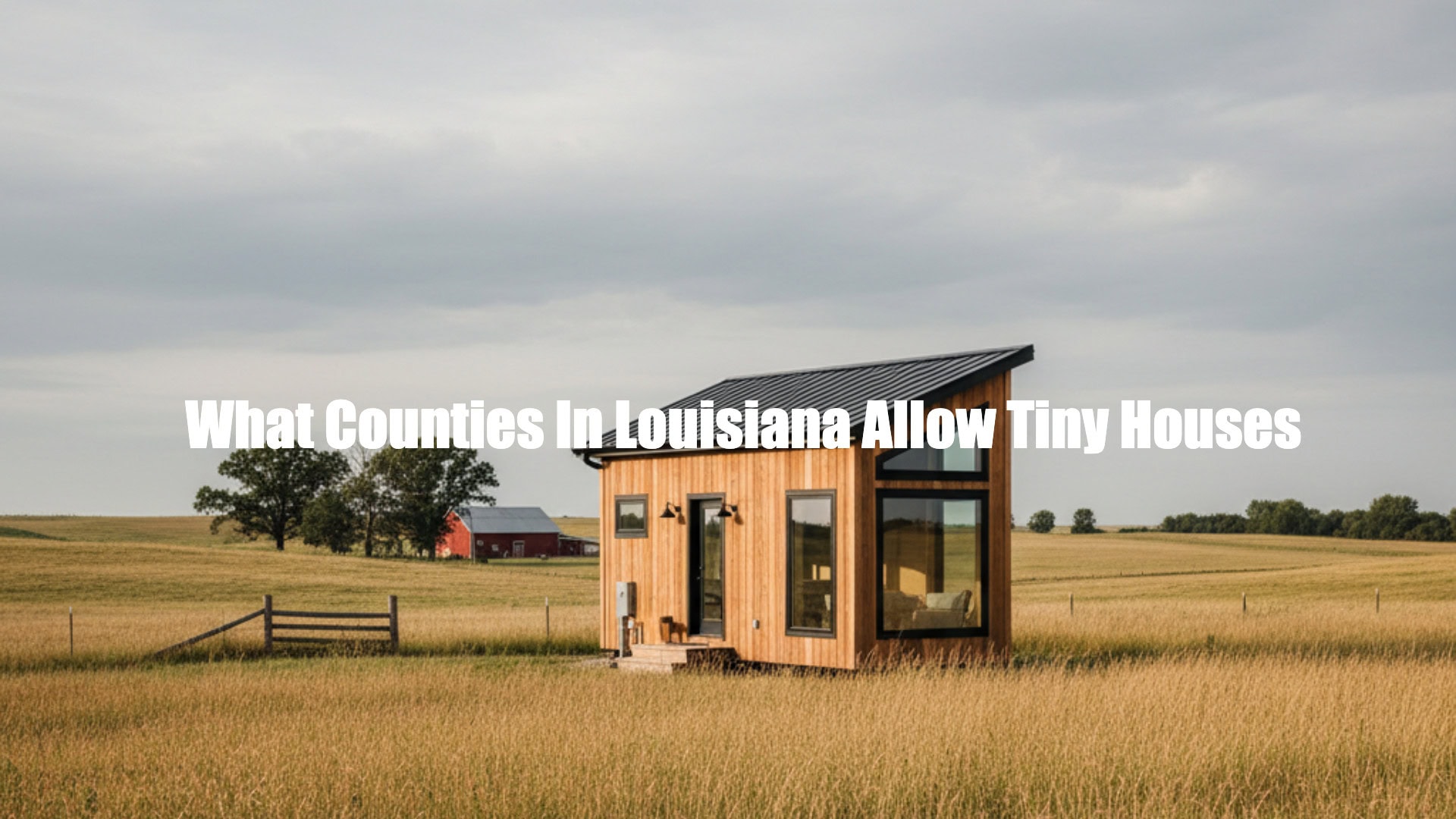
Louisiana allows tiny houses statewide, but regulations vary by parish and municipality. Most areas require compliance with International Residential Code (IRC) Appendix Q for permanent foundations or RVIA standards for mobile units. Always verify current requirements with your local zoning office before building.
Louisiana offers a unique backdrop for tiny house living, combining rich cultural heritage with increasingly supportive regulations for alternative housing. Known for its vibrant Creole culture, historic architecture, and welcoming communities, Louisiana has emerged as a tiny house-friendly state where downsizing doesn’t mean sacrificing quality of life. The state’s approach to tiny house regulations balances innovation with safety, allowing both permanent foundation tiny homes and mobile units while ensuring compliance with established building codes. Whether you’re drawn to the bustling energy of New Orleans, the academic atmosphere of Baton Rouge, or the natural beauty of Louisiana’s bayou regions, tiny house living offers an affordable and sustainable path to homeownership in the Pelican State. Understanding Louisiana’s specific requirements, from parish-level zoning laws to state building codes, is essential for anyone considering the transition to tiny living and buy a tiny house. This comprehensive guide covers everything you need to know about legally building, placing, and living in a tiny house throughout Louisiana.
Disclaimer: This article is for informational purposes only and does not constitute legal advice. Laws, regulations, and zoning rules vary by location and may change over time. Always consult local authorities or a qualified professional before making decisions based on this information.
Can You Make a Tiny House in Louisiana Your Main Residence?
Yes, living in a tiny house in Louisiana is possible. Like in many other states, local zoning ordinances and building codes can vary from town to town. If your project includes a tiny home built in Louisiana, research regulations in New Orleans, Baton Rouge, and Lafayette to ensure a smooth transition into tiny house living. For those who want a taste of the tiny lifestyle before investing and making it a permanent living solution, Louisiana offers tiny house rentals that cater to different tastes. These rentals are popular on platforms like Airbnb, where they are rated for their location, cleanliness, and unique charm. Many residents find that starting with a rental helps them understand the practicalities of tiny living in Louisiana’s humid climate and cultural environment before committing to ownership.
Tiny House Prices in Louisiana
Tiny house pricing in Louisiana is no different from other states, as it is affected by multiple internal and external factors, such as the type of tiny house you want to build, the tiny house layout, materials, location, local ordinances, permits, and your approach to joining the tiny house movement. The average price for a tiny house in Pelican State is between $40,000 – $120,000. It’s important to note that these prices are just examples and may not represent the entire market. For instance, a basic tiny house on wheels might start around $40,000, while custom-built models with high-end finishes can easily exceed $100,000. Additional costs like land preparation, utility connections, and permitting can add 10-20% to the total investment. In coastal parishes like Orleans or Terrebonne, prices may trend higher due to enhanced building requirements for flood and hurricane resistance, whereas rural areas in northern Louisiana often offer more affordable options.
What Counties in Louisiana Allow Tiny Houses?
Louisiana’s attractiveness for tiny house enthusiasts encompasses cultural shifts towards sustainability, supportive regulations, economic affordability, and a growing community presence. The state’s flexibility, lifestyle benefits, and the potential for customization make it an ideal location for those looking to embrace the tiny house living. Whether as a primary residence, vacation rental, or ADU, tiny homes in Louisiana offer a unique blend of practicality, comfort, and beauty. Note: In Louisiana, instead of the word county they use parish. This distinction is important when researching local regulations, as each of the state’s 64 parishes functions similarly to counties in other states but with its own administrative structure and zoning authority.
Terrebonne Parish
Terrebonne Parish is a vibrant Louisiana region known for its rich culture and community spirit. The parish is home to the city of Houma, which serves as a hub for local events and activities. Terrebonne Parish is part of the larger Bayou Cane area, known for its natural beauty and outdoor recreational opportunities. It makes Terrebonne a popular destination for those who enjoy activities like fishing, boating, and bird watching. It is a welcoming space for tiny living as long as your tiny dwelling complies with section Q of the IRC. The parish’s rural character and proximity to waterways make it particularly appealing for eco-conscious tiny house owners seeking a connection to nature while maintaining access to urban amenities in nearby Houma.
Orleans Parish

Orleans Parish is witnessing a growing interest in tiny living, with communities like Burleigh Plantation leading the charge toward a more sustainable and intentional way of life. The city’s commitment to recycling and waste management aligns with the eco-friendly ethos of tiny house enthusiasts. However, people looking to combine tiny living with short-term rentals should stay informed about the current legal and administrative landscape regarding STRs in the city. Orleans Parish’s urban density and historic preservation requirements add layers of complexity, but the area’s vibrant cultural scene and walkable neighborhoods make it an exciting choice for urban tiny house dwellers. Recent zoning updates have begun to accommodate accessory dwelling units, providing more opportunities for tiny homes in established neighborhoods.
Additional Tiny House-Friendly Parishes
Beyond Terrebonne and Orleans, several other parishes have shown openness to tiny house development. Lafayette Parish, for example, allows tiny homes in residential zones with compliance to local building codes, making it attractive for those seeking a balance between urban amenities and affordable living. East Baton Rouge Parish, home to Baton Rouge, permits tiny houses as accessory dwelling units on larger lots, with specific setback and size requirements to maintain neighborhood character. Calcasieu Parish in southwest Louisiana supports tiny homes in rural areas, particularly those built to withstand hurricane conditions, reflecting the region’s focus on resilient construction. These parishes demonstrate Louisiana’s evolving approach to alternative housing, where local economic needs and environmental considerations shape progressive zoning policies. Always consult the specific parish planning department for the most current regulations, as updates can occur frequently in response to community feedback and state-level code changes.
St. Tammany Parish on the north shore of Lake Pontchartrain has also emerged as a tiny house destination, with its mix of suburban and rural areas allowing for both permanent and mobile tiny homes. The parish emphasizes environmental compatibility, requiring tiny houses to blend with natural surroundings through design standards that limit visual impact. Similarly, Iberia Parish in the Acadiana region welcomes tiny living in agricultural zones, where smaller structures support farmworker housing needs without extensive permitting hurdles. These diverse parish approaches highlight Louisiana’s regional variations, from coastal resilience requirements to inland flexibility, offering multiple pathways for aspiring tiny house owners to find suitable locations.
Louisiana Tiny House Laws: Local Zoning Regulations
The avant-garde vision of Louisiana has led tiny house owners, downsizing, and sustainable living supporters to gaze at Louisiana as their destination. Cities and counties are open and welcome this alternative and affordable housing fashion. However, whether you want to park your tiny house, build your own, or rent, check for local regulations to ensure you successfully shift from a traditional home to a downsized yet efficient space. Check first these tiny house-friendly cities. New Orleans stands out for its progressive ADU policies, while Baton Rouge offers clear permitting processes for foundation-built tiny homes. Shreveport and Lafayette provide rural-urban blends ideal for mobile tiny houses, and Lake Charles emphasizes hurricane-resistant designs in its zoning approvals.
- New Orleans: Progressive ADU policies with historic district considerations
- Baton Rouge: Clear permitting for foundation-built structures
- Shreveport: Rural-urban options for mobile tiny homes
- Lafayette: Balanced regulations supporting diverse tiny house types
- Lake Charles: Emphasis on hurricane-resistant construction standards
- Alexandria: Flexible zoning in residential areas
Tiny House Regulations And Rules In Louisiana
Tiny houses are legal in the state, but as a general recommendation, the best practice is to consult with the local city or parish zoning office to ensure you follow all the guidelines and requirements, including your building permit. This consultation helps identify any parish-specific amendments to state codes and avoids costly revisions during construction. Louisiana’s statewide adoption of the 2021 IRC provides a consistent baseline, but local variations can significantly impact project feasibility and costs.
Permanent Structure Rules
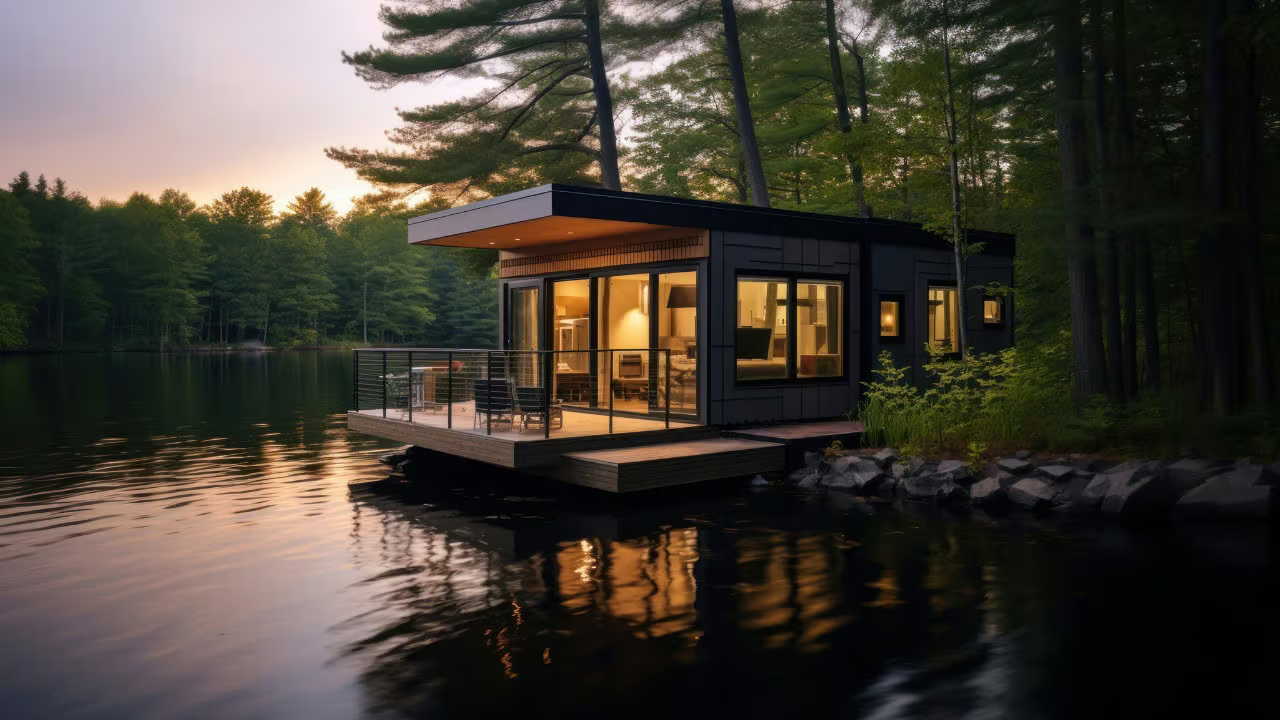
To simplify and regulate tiny living in the state of Louisiana authorities follow the International Residential Code (IRC) (Appendix Q) for tiny houses built on permanent foundations. The fundamental elements of this code include the following. At least one room in the tiny house must measure 120 square feet. Lofts must have windows and stairs (not ladders) for emergency exits. Ceilings, including those in loft areas, must be elevated to a minimum of 7 feet. Stairs, hallways, and doors should be at least 3 feet. Safety regulations dictate that lofts must have windows and stairs (not ladders) for emergency exits. These provisions ensure that even compact spaces meet essential habitability and safety standards, addressing common concerns about emergency access and structural integrity in smaller dwellings.
Compliance with Appendix Q also extends to electrical, plumbing, and mechanical systems, requiring professional installation and inspection to prevent hazards in Louisiana’s variable climate. For instance, enhanced insulation requirements help combat the state’s humid summers and mild winters, while proper ventilation systems mitigate moisture buildup that could lead to mold issues. Builders must submit detailed plans showing how the design meets these criteria, often including engineering stamps for structural elements. This rigorous process, while thorough, provides assurance that tiny homes will withstand local environmental challenges and serve as safe, long-term residences.
Temporary Structure Rules
If your idea of tiny living goes in the direction of a mobile home, you must know in Louisiana, if you build your tiny house on wheels, it will be considered a recreational vehicle (or RV). Therefore, they abide by the standards of the Recreational Vehicle Industry Association (RVIA). These standards focus on mobility and safety features suitable for travel, including proper weight distribution, braking systems, and fire-resistant materials. Tiny houses on wheels must also comply with transportation regulations, limiting dimensions to 8.5 feet wide and 13.5 feet high for highway travel without special permits. Placement options are typically restricted to designated RV parks or private land with zoning approval, and long-term residency may require additional utility connections and inspections. This classification offers flexibility for those who value portability but limits permanent placement compared to foundation-built options.
Owners of tiny houses on wheels should note that while RVIA certification ensures construction quality, local parishes may impose additional rules for stationary use, such as anchoring requirements during hurricane season. Registration with the Louisiana Office of Motor Vehicles is mandatory, treating the structure as a trailer with annual fees and inspections. Many parishes allow temporary placement for up to 180 days per year on private property, but exceeding this often triggers reclassification as a permanent dwelling subject to stricter codes. This dual nature makes tiny houses on wheels appealing for transitional living or vacation use, though full-time residents may need to navigate periodic relocation or permitting renewals.
Transitional Structure Rules
Unfortunately, like in many other states, there is no clear legislation on transitional structures as a housing solution. If building a transitional home is in your plans the best approach is to consult the closest municipal official to ensure they allow tiny homes and you meet the requirements to comfortably and legally build and live on a transitional structure. Transitional tiny homes, often used for short-term housing needs like post-disaster recovery or workforce mobility, fall into a regulatory gray area that varies widely by parish. Some areas treat them similarly to RVs with time-limited placements, while others require partial compliance with permanent structure codes. This ambiguity can complicate planning, so early engagement with local planning departments is crucial to clarify acceptable designs and durations. As Louisiana continues to address housing affordability, clearer guidelines for transitional structures may emerge in future code updates.
During events like hurricane recovery, parishes often relax rules temporarily, allowing tiny homes as emergency housing without full permitting. However, for non-emergency transitional use, owners might need to demonstrate the structure’s impermanent nature through removable foundations or modular components. Utility connections remain a key concern, with many areas requiring temporary hookups rather than permanent infrastructure. Consulting with parish health departments alongside zoning offices ensures compliance with sanitation and safety standards, preventing potential fines or relocation orders. This consultative approach not only resolves immediate regulatory hurdles but also builds relationships with officials who can provide guidance on evolving policies.
In Louisiana, Where Can I Build A Tiny House?
If you love the bayou culture and want to stay close to New Orleans, then Houma must be on your list. The water bodies, swamps, and major attractions in this place make Houma a vast and attractive land to park your RVs. It is also a great choice if you own a THOW. On the other hand, if you are thinking about affordability, then the life-bursting New Orleans is your best choice. Remember, each tiny living project is unique, you can take the time to ensure you cover all the items on your checklist to live in a tiny home in Louisiana state. Rural parishes like St. Landry offer expansive lots with fewer restrictions, ideal for those seeking privacy and space for gardens or outdoor living areas.
Coastal areas present unique opportunities but also challenges, with parishes like Terrebonne requiring elevated foundations to meet flood zone standards. Urban centers like Lafayette provide access to utilities and services but demand stricter adherence to setback rules and design aesthetics. Northern parishes such as Caddo appeal to those preferring cooler climates and agricultural zoning that accommodates tiny homes on larger acreages. Site selection should factor in not just zoning but also soil conditions, utility availability, and proximity to emergency services, ensuring your tiny house serves as a practical long-term solution.
Parish-by-Parish Breakdown
| Parish/City | Min. Sq Ft | Zoning Allowed | Key Requirements | Status |
| Orleans Parish | 120 sq ft | Residential, ADU | IRC Appendix Q compliance, building permit required | ✅ Allowed |
| Terrebonne Parish | 120 sq ft | Residential | IRC Appendix Q compliance, zoning approval | ✅ Allowed |
| Lafayette Parish | 400 sq ft | Residential, ADU | Local building codes, setback requirements | ✅ Allowed |
| Jefferson Parish | 600 sq ft | Residential | Standard building codes, no specific tiny house provisions | ⚠️ Limited |
| East Baton Rouge Parish | 500 sq ft | Residential | Building permit, safety inspections required | ✅ Allowed |
| Caddo Parish | 400 sq ft | Residential, Rural | Building permit, 9-1-1 address assignment | ✅ Allowed |
| St. Tammany Parish | 600 sq ft | Residential | Standard residential building codes | ⚠️ Limited |
| Calcasieu Parish | 400 sq ft | Residential, ADU | Local zoning compliance, utility connections | ✅ Allowed |
| Iberia Parish | 400 sq ft | Agricultural, Residential | Permit office approval, planning and zoning compliance | ✅ Allowed |
| Bossier Parish | 400 sq ft | Residential, Community | Code inspections, building permit required | ✅ Allowed |
Note: Regulations are subject to change. Always verify current requirements with local authorities before proceeding with any tiny house project. This table provides a snapshot based on the most recent available data, but parish-specific amendments may apply.
Major City Requirements in Louisiana
New Orleans (Orleans Parish)
New Orleans has embraced tiny house living with specific provisions for both permanent and temporary structures. The city requires: Building Permits: Required for all permanent tiny houses. Zoning Compliance: Allowed in residential zones and as ADUs. Size Requirements: Minimum 120 square feet per IRC Appendix Q. Contact: New Orleans Department of Safety and Permits – (504) 658-7000. Special Considerations: Post-Katrina building elevation requirements may apply. The city’s comprehensive zoning ordinance includes detailed guidelines for ADUs, ensuring they complement historic neighborhoods while addressing flood risks through elevated foundations and resilient materials.
Short-term rental regulations add another layer, prohibiting Airbnb-style operations in most residential zones to preserve community character. Tiny house owners must navigate the Department of Safety and Permits for multi-stage inspections, covering everything from foundation stability to electrical systems. Community input often plays a role in approvals, particularly in historic districts where aesthetic compatibility is scrutinized. Despite these hurdles, New Orleans’ vibrant arts scene and walkable layout make it a top choice for urban tiny living.
Baton Rouge (East Baton Rouge Parish)
The capital city allows tiny houses with standard residential building requirements: Minimum Size: 500 square feet for primary residences. Building Codes: Must meet Louisiana State Uniform Construction Code. Inspections: Required at multiple construction phases. Contact: East Baton Rouge Parish Building Division – (225) 389-3040. ADU Provisions: Allowed on lots meeting size requirements. Baton Rouge’s unified development code emphasizes integration with existing neighborhoods, requiring tiny homes to match architectural styles and maintain adequate setbacks from property lines.
Utility connections to municipal water and sewer systems are mandatory, with additional scrutiny for energy-efficient designs in line with state sustainability goals. The city’s planning commission reviews ADU applications to ensure they don’t exceed 50% of the primary structure’s size, promoting balanced development. Floodplain management remains a priority, often necessitating elevated designs similar to coastal parishes. This structured approach provides clarity for builders while safeguarding community standards.
Shreveport (Caddo Parish)
Shreveport has established clear guidelines for smaller homes and tiny houses: Minimum Size: 400 square feet for detached dwellings. Permits Required: Building permit and 9-1-1 address assignment. Zoning: Allowed in residential and rural districts. Contact: Caddo Parish Public Works – (318) 226-6777. Utilities: Must connect to approved water and sewer systems. The city’s metropolitan planning commission facilitates tiny house approvals through streamlined processes for rural zones, where larger lots accommodate mobile units more easily.
Environmental reviews focus on soil stability and drainage, particularly in areas prone to heavy rainfall. Shreveport’s allowance for tiny home communities in designated areas fosters innovative housing solutions, with incentives for eco-friendly features like solar panels. Inspections ensure compliance with fire safety and accessibility standards, making the city a practical choice for diverse tiny house projects.
Lafayette (Lafayette Parish)
Lafayette accommodates tiny houses through flexible zoning and building codes: Size Requirements: 400 square feet minimum for primary residence. ADU Allowance: Permitted on qualifying residential lots. Building Standards: Must comply with local building codes. Contact: Lafayette Consolidated Government – (337) 291-8400. Setbacks: Standard residential setback requirements apply. The consolidated government’s planning department offers pre-application consultations to guide tiny house proposals, emphasizing compatibility with Acadiana’s cultural landscape.
Permitting timelines are efficient, typically 30-60 days for compliant designs, with provisions for modular construction to speed up the process. Lafayette’s focus on workforce housing has led to zoning variances for tiny home clusters in transitional areas. Community engagement requirements ensure neighbor input, balancing individual rights with collective interests.
Lake Charles (Calcasieu Parish)
Lake Charles allows tiny houses with emphasis on safety and zoning compliance: Minimum Size: 400 square feet for detached dwellings. Hurricane Standards: Must meet enhanced wind resistance requirements. Utilities: Connection to municipal services required. Contact: Calcasieu Parish Planning Department – (337) 721-3500. Special Zones: Some areas have additional restrictions due to flood zones. Post-hurricane rebuilding efforts have refined codes to prioritize resilient materials and anchoring systems for both permanent and mobile tiny homes.
The planning department’s technical assistance program helps navigate complex wind load calculations and elevation certificates. Tiny houses in coastal zones must incorporate impact-resistant windows and reinforced framing to withstand Category 3+ storms. This rigorous framework, while demanding, ensures long-term durability in one of Louisiana’s most vulnerable regions.
Louisiana Tiny Home Communities
Santosha Village
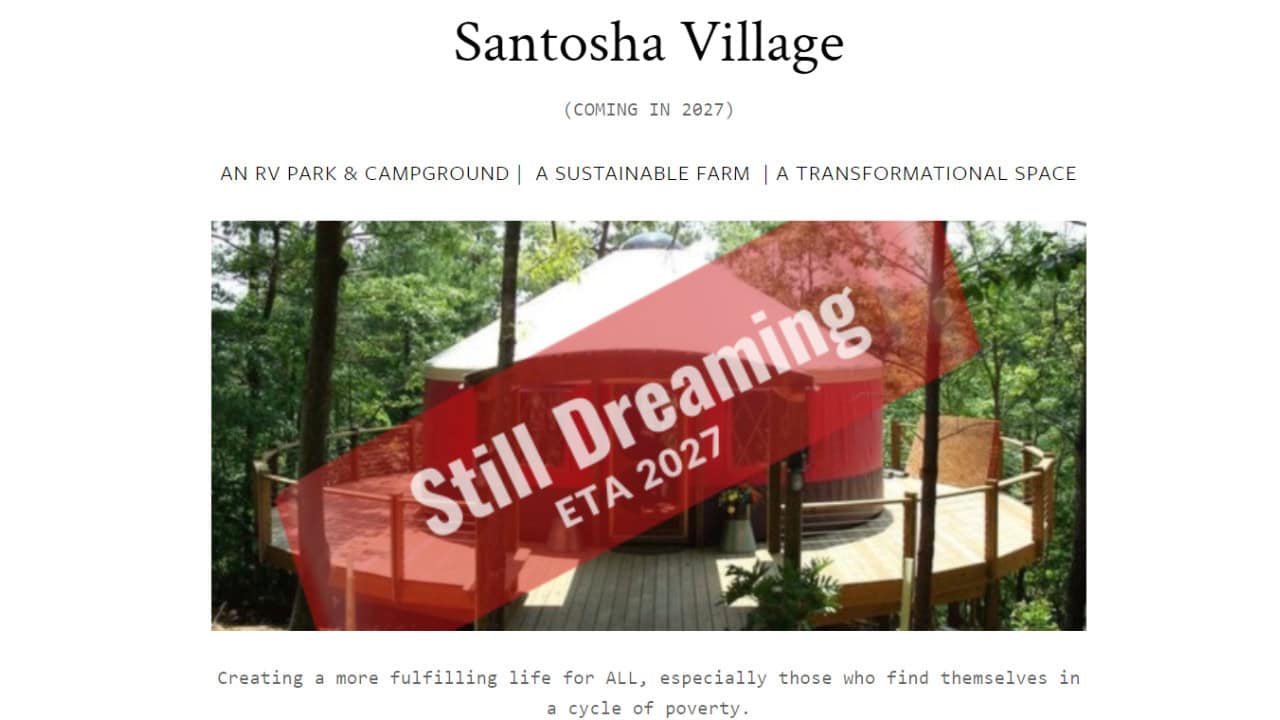
Santosha Village envisions serving as an exceptional, eco-focused community with an RV park, tiny houses, and yurts, housing approximately 40 residents. The goal is for community members to contribute with affordable, all-encompassing rent and lend a hand in preserving the village. In exchange, they will become part of a supportive, environmentally friendly community they can call home. This intentional community emphasizes shared resources like community gardens and workshops, fostering a sense of collective responsibility and sustainability. Residents participate in decision-making through regular meetings, ensuring the village evolves with community needs while maintaining its eco-principles.
Burleigh Plantation
Burleigh Plantation is a tiny house community in Southern Louisiana. The community layout promotes social interaction and coziness, with each cluster of tiny houses having a central courtyard. The community offers pads for parking homes, along with gravel driveways and parking spaces. The lots are available for a monthly fee of $500, which includes water, sewer, electricity, trash, and lawn services. The founder of Burleigh Plantation, Karen, was inspired to create the community after attending a 2016 Dallas Earth Day event that featured 10 tiny houses. Unable to find a suitable place to live in her area, she sold her house, built her own tiny house, and bought property for the community. Burleigh Plantation follows a policy of making new members provisional members for 90 days to a year. This allows them time to adjust to the community and learn how it operates. The community’s emphasis on holistic living includes regular events like yoga sessions and potlucks, building strong interpersonal connections among residents.
Burleigh’s location in St. Landry Parish benefits from the area’s agricultural heritage, with nearby farmers’ markets providing fresh produce for community meals. The plantation-style setting blends historic charm with modern sustainability, featuring solar-powered common areas and rainwater collection systems. Prospective residents undergo a background check and agree to community guidelines focused on mutual respect and environmental stewardship. This structured yet welcoming approach has created a thriving micro-community that exemplifies successful tiny house living in Louisiana.
Tiny House Builders Near Me
Great Lakes Tiny Homes offers an array of models and provides nationwide delivery, eliminating the need to scout for local builders to find your dream home. Furthermore, Great Lakes Tiny Homes is a proud RV Industry Association (RVIA) member. This membership is a testament to their commitment to upholding elevated manufacturing standards and strict compliance with the building, safety, and regulatory guidelines for compact residences. Their customizable designs cater to Louisiana’s climate, incorporating features like enhanced insulation and moisture-resistant materials. From initial consultation to final delivery, their process ensures seamless integration with local permitting requirements across various parishes.
Do I Need a Certified Builder?
Yes, you do. You could consider a different approach, but the risks are high. Working with an RVIA-certified builder (like Great Lakes Tiny Home) assures your tiny house is built according to rules and regulations. Furthermore, it offers peace of mind because it ensures the materials used are safe, durable, and top quality. Other advantages of working with a certified builder include easier access to financing options and insurance coverage, this is because an RVIA certifies the house complies with all the regulations that make it a safe habitable environment. Certified builders also provide documentation that simplifies parish inspections, reducing delays and potential rework costs associated with non-compliant structures.
In Louisiana’s regulatory landscape, certification proves particularly valuable for navigating parish-specific amendments to state codes, such as enhanced wind resistance in coastal areas. Builders with local experience understand nuances like flood elevation requirements and can recommend appropriate foundation types from the outset. This expertise not only ensures code compliance but also enhances the home’s longevity and resale value. For DIY enthusiasts, consulting certified professionals during planning stages can still yield significant benefits without full outsourcing.
How to Build a Tiny House in Louisiana
Step 1: Research Local Requirements
Before beginning any tiny house project, contact your local parish planning department to understand specific zoning laws, building codes, and permit requirements. Requirements can vary significantly between parishes and municipalities. This initial research phase should include reviewing the parish’s unified development code and consulting with the building department about Appendix Q applicability. Gathering this information early helps identify potential obstacles, such as setback distances or utility connection mandates, allowing for informed site selection and design choices.
Engage with local tiny house communities or associations for real-world insights into the permitting process in your target parish. Online resources from the Louisiana Office of State Fire Marshal provide statewide code baselines, but parish amendments often address regional concerns like flood zones or seismic activity. Documenting all communications with officials creates a paper trail essential for future reference during inspections or disputes.
Step 2: Choose Your Tiny House Type
Decide whether you want a: Foundation-built tiny house: Permanent structure following IRC Appendix Q. Tiny house on wheels: Mobile unit requiring RVIA certification. Accessory dwelling unit: Secondary structure on existing residential property. Each type carries different regulatory implications, with foundation-built options offering permanence but requiring more extensive permitting, while mobile units provide flexibility at the cost of placement restrictions. Consider your lifestyle needs, such as mobility versus long-term stability, and how they align with parish zoning preferences.
Foundation-built tiny houses integrate seamlessly into residential neighborhoods as ADUs, potentially increasing property value through added utility. Mobile tiny houses appeal to those valuing portability, especially in Louisiana’s dynamic job market, but demand careful navigation of RV parking ordinances. Hybrid approaches, like semi-permanent anchoring systems, may bridge these categories in parishes with evolving regulations.
Step 3: Obtain Necessary Permits
Required permits typically include: Building permit. Electrical permit. Plumbing permit. Mechanical permit (if applicable). Zoning approval or variance (if needed). Start with a zoning compliance certificate to confirm your site’s eligibility, followed by building permit applications that detail construction plans and materials. Fees vary by parish but generally range from $500 to $2,000, covering plan reviews and inspections.
Trade permits for electrical and plumbing must be pulled by licensed professionals in most areas, ensuring adherence to National Electrical Code and Uniform Plumbing Code standards. Environmental permits may apply in flood-prone parishes, requiring elevation certificates and stormwater management plans. Timely submission of complete applications accelerates approval, often within 30-45 days for straightforward projects.
Step 4: Design and Construction
Work with RVIA-certified builders or ensure DIY construction meets all applicable codes. Key considerations include: Structural integrity and wind resistance. Electrical systems meeting NEC standards. Plumbing compliance with local codes. Energy efficiency requirements. Emergency egress provisions. Designs should incorporate Louisiana-specific features like impact-resistant roofing and moisture barriers to handle the state’s subtropical climate effectively.
Modular construction offers advantages in quality control and speed, with factory-built components inspected before site assembly. Sustainable materials, such as recycled steel framing and energy-efficient windows, not only meet code but also reduce long-term operating costs. Professional engineering for lofts and foundations ensures stability, particularly in parishes with expansive clay soils prone to shifting.
Step 5: Inspections and Occupancy
Schedule required inspections throughout construction and obtain a certificate of occupancy before moving in. Most parishes require inspections at foundation, framing, electrical rough-in, plumbing rough-in, and final stages. These checkpoints verify compliance at critical junctures, preventing costly corrections later. Final approval confirms the structure’s habitability and safety, allowing utility activation and residency.
Post-occupancy, some parishes mandate periodic re-inspections for ADUs or mobile units, ensuring ongoing compliance with safety standards. Documenting all inspection results builds a maintenance record valuable for insurance and resale. This systematic process, while methodical, safeguards investments and promotes responsible tiny house development across Louisiana.
How to Verify Tiny House Rules in Your County
To ensure that your tiny house project complies with local regulations, follow these steps to verify the rules in your county: Check County Zoning Code: Visit your county’s official website or contact the planning department to access the zoning code. This will provide information on where tiny houses are permitted and any specific zoning designations that apply. Minimum Dwelling Size: Look for regulations regarding the minimum square footage required for dwellings in your area. This information is typically found in the zoning code or building regulations. ADU Provisions: Investigate whether your county allows Accessory Dwelling Units (ADUs) and the specific requirements for these structures. This can often be found in the zoning code or local ordinances. Tiny Houses on Wheels as RVs: Determine if tiny houses on wheels are classified as recreational vehicles (RVs) in your county. This classification affects where you can park and live in your tiny home. Planning Department Contact Verification: Finally, reach out to your local planning department directly. They can provide the most accurate and up-to-date information regarding tiny house regulations and answer any specific questions you may have.
Utilizing online parish portals for zoning maps and code searches streamlines this process, often revealing interactive tools for property-specific inquiries. Attending public planning commission meetings offers insights into upcoming code changes and community sentiments toward tiny housing. Engaging certified planners or architects familiar with local nuances can expedite verification, ensuring your project aligns with both current and anticipated regulations.
FAQs
Can You Build Your Own Tiny Home in Louisiana?
Building your own tiny home in the state of Louisiana is possible. However, it will take careful planning and you must be mindful of local regulations. Whether you work with a contractor or take on a DIY project, understanding the costs, legal requirements, and time commitments involved is vital for success. Always ensure compliance with building codes, zoning laws, and permit requirements to avoid any legal complications. DIY builders should prioritize safety certifications for electrical and plumbing work, often requiring licensed subcontractors for inspections. This hands-on approach allows personalization but demands rigorous adherence to Appendix Q standards to achieve occupancy approval.
Does Louisiana Adhere to the International Building Code?
Yes, it does. The state of Louisiana adopted the International Residential Code (IRC) for tiny houses to ensure compliance with plumbing, mechanical, fuel gas, and electrical requirements for one- and two-family dwellings and townhouses. The regulations for tiny houses are included in Appendix Q of the IRC. This adoption provides a uniform framework across parishes, with local amendments addressing regional needs like flood protection. The IRC’s focus on energy efficiency and accessibility aligns with Louisiana’s sustainability goals, facilitating consistent enforcement statewide.
What Is the Largest Size for a Tiny House?
It is hard to say, but between 400 and 1,000 square feet is a safe assumption, with the majority of tiny houses sitting under 400 square feet. There are no strict rules regarding the maximum size of a tiny house unless it stands on a trailer, and yet, the size limitations are for transportation purposes. The standard height of 13.5 feet or 162 inches. Larger structures may qualify as small homes rather than tiny houses, subjecting them to different permitting processes. Parish zoning often caps ADUs at 800-1,200 square feet to maintain neighborhood proportionality. Exceeding tiny house dimensions typically requires standard residential approvals, expanding design flexibility at the cost of increased regulatory scrutiny.
Can I Live in a Tiny House on Wheels Permanently in Louisiana?
Permanent residency in a tiny house on wheels is possible but restricted to designated areas like RV parks or approved private land with zoning variances. Most parishes classify THOWs as RVs, limiting full-time living to 180 days annually unless anchored and permitted as semi-permanent dwellings. Compliance with RVIA standards and local utility requirements is essential for extended stays. Coastal parishes may impose additional anchoring mandates for storm preparedness. Transitional use in disaster recovery zones often receives temporary exemptions, but long-term setups demand reclassification under residential codes. Consulting parish planning early clarifies pathways to permanent occupancy while navigating mobility benefits.
Are Tiny Houses Allowed as ADUs in Most Louisiana Parishes?
Yes, many Louisiana parishes permit tiny houses as accessory dwelling units on single-family lots, typically capped at 400-800 square feet and requiring owner occupancy on the property. Regulations vary, with urban areas like Orleans Parish emphasizing design compatibility and rural parishes offering more flexibility in placement. ADUs must connect to existing utilities and meet setback requirements to ensure neighborhood harmony. Some parishes prohibit separate kitchens to prevent duplex conversions, while others allow full facilities for family caregivers. This accessory status provides a legal pathway for multigenerational living or rental income, subject to local approval processes. Verification through parish zoning offices confirms eligibility based on lot size and existing structures.
What Are the Utility Connection Requirements for Tiny Houses in Louisiana?
Tiny houses in Louisiana must connect to approved water, sewer, and electrical systems, with septic approvals required for rural sites lacking municipal services. Permanent structures follow standard residential utility codes, while mobile units may use RV hookups initially but need permanent connections for occupancy. Parishes mandate backflow prevention devices and energy-efficient metering to comply with state conservation standards. Flood-prone areas require elevated utility lines and shut-off valves for resilience. Health department inspections verify sanitation compliance, ensuring safe wastewater management. These requirements safeguard public health while accommodating tiny house scale through scaled-down infrastructure options.
Conclusion
Louisiana’s warm embrace of the tiny house movement, combined with its rich cultural heritage, makes it an ideal destination for tiny living. However, it’s essential to understand local laws and regulations before embarking on this journey. Affordability, customization, and a supportive community are key attributes that make tiny living in Louisiana a rewarding experience, blending sustainability with a unique quality of life. As parishes continue to adapt codes to meet housing needs, tiny houses represent a forward-thinking solution to affordability challenges. With careful planning and local engagement, aspiring owners can create enduring homes that honor Louisiana’s spirit of resilience and community.
Sources and Official Resources
State and Local Government Sources
- Louisiana Office of State Fire Marshal – Building Codes
- New Orleans Department of Safety and Permits
- East Baton Rouge Parish Building Division
- Caddo Parish Public Works Department
- Lafayette Consolidated Government
- Calcasieu Parish Planning Department
Building Code Resources
- International Code Council – IRC Appendix Q
- Recreational Vehicle Industry Association (RVIA)
- NFPA 1192 – Standard on Recreational Vehicles
Additional Resources
Last updated: January 2024. Regulations may change frequently. Always verify current requirements with local authorities.