
Discovering Tiny Houses for Sale in the South: Your Complete Guide
The charm of Southern living meets minimalist design in the growing world of tiny houses for sale in the South. With their reduced footprint and intentional living spaces, tiny homes are revolutionizing how we think about housing across Alabama, Georgia, Florida, and beyond. Recent statistics show that interest in tiny homes has surged by over 50% in Southern states since 2020, with states like Texas and North Carolina leading the charge in new developments.
When we explore the tiny house movement in the South, we’re looking at a perfect marriage of traditional Southern hospitality and modern, sustainable living. The warm climate, abundant land, and growing acceptance of alternative housing make the Southern United States an ideal region for tiny home enthusiasts.
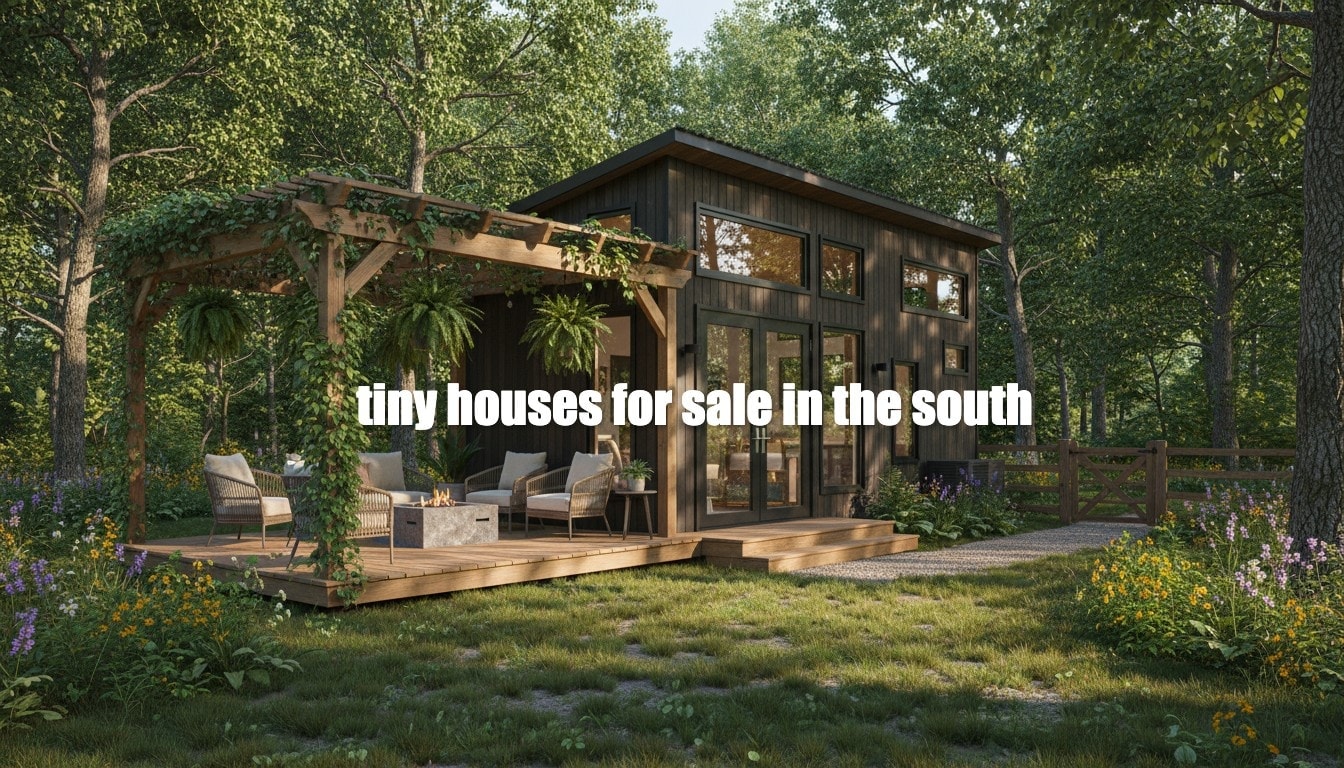
At Great Lakes Tiny Homes, we’ve observed how the tiny house movement has flourished in Southern states, where the combination of affordable land, favorable climate conditions, and evolving zoning laws creates unique opportunities for tiny home buyers. Our experience with custom builds has shown us that Southern tiny homes often incorporate distinctive design elements that maximize outdoor living spaces while maintaining energy efficiency in warmer climates.
Why Choose Tiny Houses in the South: Climate and Lifestyle Advantages
The Southern United States offers unique advantages for tiny house living that make it increasingly popular among downsizers, first-time homeowners, and those seeking a simpler lifestyle:
- Year-round mild climate extends your living space
With mild winters and extended warm seasons, your tiny home effectively expands beyond its walls. Outdoor decks, patios, and screened porches become natural extensions of your living space for 8-10 months of the year. Many tiny homeowners in states like Florida and Louisiana report using their outdoor spaces for cooking, dining, and entertaining throughout most of the year.
- Dramatic affordability compared to traditional Southern housing
In metropolitan areas like Atlanta, where the median home price has reached $375,000, quality tiny homes are available for $50,000-$120,000. Even in rapidly growing markets like Nashville and Austin, tiny homes offer an entry point at roughly 20-30% of conventional housing costs. Our research shows tiny homeowners in Southern states save an average of 60-75% on utility costs compared to standard homes.
- Abundant land availability and favorable property taxes
The South boasts some of the most affordable rural land in the country, with parcels in states like Arkansas, Mississippi, and parts of Texas available for as little as $5,000-$10,000 per acre. Property taxes in many Southern counties are significantly lower than national averages, with some rural areas offering rates below 0.5% of assessed value.
- Flourishing tiny home communities across the region
We’re seeing an explosion of dedicated tiny house communities throughout the Southern states. Texas alone has over a dozen established tiny home communities. Georgia has become a haven for tiny home enthusiasts with communities like The Cottages at Meriwether and Little River Escape offering amenity-rich environments specifically designed for tiny living.
- Enhanced sustainability in the Southern climate
Tiny homes in the South achieve impressive sustainability metrics. The reduced energy footprint combines perfectly with the abundant solar potential in states like Florida, Texas, and Georgia. Many Southern tiny homeowners report achieving near-zero utility bills through modest solar installations.
- Unmatched mobility for exploring diverse Southern landscapes
For those choosing tiny houses on wheels, the South offers extraordinary diversity within relatively short distances. We’ve spoken with tiny homeowners who spend winters in coastal Florida or Texas, spring in the rolling hills of Tennessee or North Carolina, and summers in the mountains of Georgia or Arkansas.
Most Popular Tiny House Models in the South: Features and Pricing
When we explore the market for tiny houses for sale in the South, certain models consistently stand out for their popularity, design features, and suitability for the Southern climate:
- The Cumberland by Southern Tiny Living
This 26′ model offers 320 sq ft of thoughtfully designed living space at a starting price of $68,500. It features a first-floor bedroom, full bathroom, and spacious kitchen with butcher block countertops. Its oversized windows for cross-ventilation and optional screened porch addition make it ideal for Southern living.
- The Bankhead by Mustard Seed Tiny Homes
At 30′ long and offering 350 sq ft, the Bankhead starts from $89,000. It features a downstairs master bedroom, full-size appliances, and custom built-ins. Its extended covered porch and optional outdoor shower are perfect for coastal living, while hurricane-rated construction makes it suitable for Florida and South Carolina.
- The Sipsey Park Model by Alabama Tiny Homes
This larger 399 sq ft park model starts at $78,000 and features one bedroom, one bathroom, and an open concept living area with high ceilings. Its wraparound porch adds nearly 200 sq ft of covered outdoor living space, making it popular across Alabama, Mississippi, and Louisiana.
- The DeSoto by Tiny House Chattanooga
This premium model ranges from 24′-32′ and starts at $95,000, featuring a main floor bedroom, spa-like bathroom, and chef-worthy kitchen. Its exceptional climate control system with zoned cooling and dehumidification capabilities makes it popular in upscale markets like Nashville and Austin.
- The Magnolia by Tiny Gulf Homes
Starting at $115,000, this 34′ luxury model offers 380 sq ft specifically designed for coastal environments with hurricane-rated construction, elevated base for flood zones, and corrosion-resistant materials. It’s the preferred choice for buyers in coastal Florida and Louisiana.
Tiny House Communities and Developments Across the South
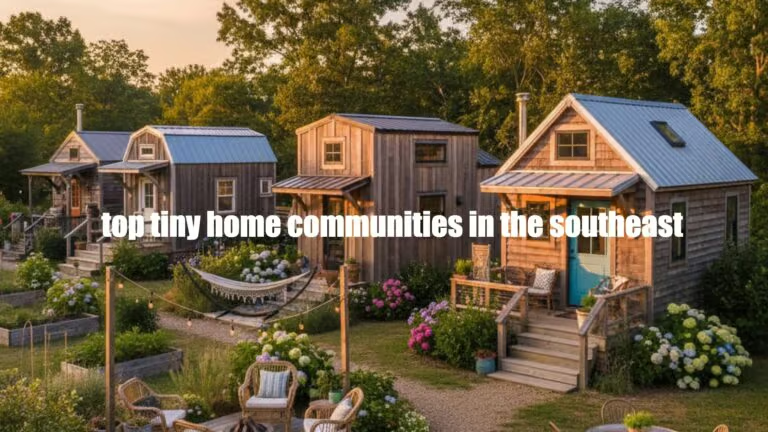
The Southern United States has embraced the tiny house movement with remarkable enthusiasm, resulting in a flourishing landscape of communities specifically designed for these compact dwellings:
In Texas, Village Farm in Austin stands as one of the largest tiny house communities in the country, offering over 100 tiny home lots with resort-style amenities. Lot leases start around $650 monthly plus home purchase (homes range from $75,000-$150,000). Vintage Grace in the Hill Country near San Antonio allows tiny homeowners to purchase lots outright (starting at $45,000 for quarter-acre parcels).
In Georgia, The Cottages at Meriwether in Woodstock features 29 foundation-based tiny homes arranged around a central green space. Homes range from 250-400 sq ft and sell for $125,000-$175,000. Little River Escape near Lookout Mountain offers a more nature-focused experience with lots selling for $35,000-$65,000 depending on size and location.
In Florida, Orlando Lakefront at College Park hosts over 50 tiny homes on the shores of Lake Fairview with lot leases of $450-$600 monthly. The Sanctuary at Spruce Creek offers a more secluded experience on 30 acres of wooded land with lot leases of $400-$550 monthly.
In North Carolina, The Nest in Flat Rock features 35 tiny house lots arranged to maximize privacy while fostering community connections. Lot purchases range from $50,000-$75,000 with monthly HOA fees of approximately $150. Simple Life communities in both Flat Rock and Asheville offer professionally managed developments with homes ranging from $100,000-$200,000.
When considering community living versus private property placement, we find several advantages to tiny house communities:
- Pre-established zoning and legal compliance
- Built-in social connections and support networks
- Shared amenities that would be costly for individual homeowners
- Reduced setup costs for utilities and infrastructure
- Enhanced security through community presence
Legal and Zoning Considerations for Tiny Houses in Southern States
Navigating the legal landscape for tiny houses in the South requires careful research and planning:
- Research state-specific tiny house regulations
Texas has emerged as one of the most tiny house-friendly states, with multiple counties adopting specific ordinances. Georgia has made significant strides with the passage of Appendix Q of the International Residential Code. Florida varies dramatically by county, with some coastal areas being restrictive while rural counties offer more flexibility.
- Understand local county and city zoning laws
County and city regulations ultimately determine where you can place your tiny house. In Texas, Spur became the first “tiny house friendly” town by eliminating minimum square footage requirements, while Austin has created specific ordinances for backyard tiny homes as ADUs. Rural counties throughout the South generally offer more flexibility.
- Differentiate between tiny houses on wheels vs. foundation requirements
In most Southern jurisdictions, permanent tiny houses must comply with residential building codes, while THOWs may fall under RV regulations. Georgia has pioneered hybrid approaches in some counties, allowing THOWs to be placed permanently with proper tie-downs and utility connections.
- Navigate building codes and minimum square footage requirements
North Carolina and Georgia have been leaders in adopting Appendix Q of the International Residential Code, which provides specific guidelines for homes under 400 sq ft. Tennessee and parts of Texas have eliminated minimum square footage requirements in certain jurisdictions.
- Understand utility hookup regulations
For water and sewer, many rural Southern counties allow composting toilets and alternative wastewater systems, while urban areas typically require connection to municipal systems. Texas has been particularly progressive with water collection and off-grid systems in rural areas.
- Explore legal classification options
Throughout the South, we see three primary classification approaches: RV Classification (most appropriate for THOWs), ADU Classification (growing in popularity across Southern cities), and Primary Residence Classification (most common in rural areas with flexible zoning).
Financing and Insuring Your Tiny House in the South
Financing Options for Southern Tiny Homeowners
RV Loans for Tiny Houses on Wheels
For RVIA-certified tiny houses on wheels, RV loans offer one of the most accessible financing paths. Lenders like LightStream, USAA, and regional credit unions including Delta Community Credit Union in Georgia offer RV loans with terms of 5-15 years, interest rates ranging from 5-15%, and down payments of 10-20%.
Personal Loans
Personal loans remain common for tiny houses across the South, particularly for non-certified homes or custom builds. Online lenders like SoFi, Upgrade, and Marcus offer personal loans with amounts up to $100,000, terms of 2-7 years, and interest rates from 6-36% based on credit score.
Tiny House-Specific Lenders
Rock Solid Funding, based in Florida, specializes in tiny house financing across the Southern states. Liberty Bank’s Tiny Home Financing program serves many Southern states with loans specifically structured for tiny houses on foundations.
Credit Unions in Southern States
Credit unions across the South have emerged as tiny house financing leaders, including Truliant Federal Credit Union (North Carolina), Redstone Federal Credit Union (Alabama), and Texas Trust Credit Union.
Insurance Options for Tiny Houses in the South
Stationary Tiny Home Insurance
Farm Bureau Insurance, State Farm, and Allstate have developed programs in some Southern states for tiny homes on foundations. Policies typically cost $500-$1,000 annually, with additional windstorm coverage essential in coastal areas.
Mobile Tiny Home Insurance
For tiny houses on wheels, specialized RV insurance from Progressive, Good Sam Insurance Agency, and American Family Insurance provides comprehensive coverage ranging from $600-$1,200 annually.
Coverage Considerations for Southern Weather Events
The South’s unique weather patterns require specific insurance considerations, including hurricane coverage for coastal areas, flood insurance in vulnerable zones, tornado coverage, and protection against extreme heat events.
Step-by-Step Guide to Buying a Tiny House in the South
- Determine your needs and budget
Clarify your vision and financial parameters, including ideal size, must-have features for Southern living, preferred location, mobility preferences, and total budget. Southern tiny homes typically range from $40,000-$80,000 for entry-level models to $120,000+ for high-end custom builds.
- Research builders and models
The South boasts numerous reputable tiny house builders specializing in designs adapted to the region’s climate. Notable Southern builders include Mustard Seed Tiny Homes (Georgia), Wind River Tiny Homes (Tennessee), and Movable Roots (Florida).
- Visit showrooms and tiny home communities
Schedule visits to builder showrooms, attend tiny house festivals, tour communities, and arrange overnight stays in tiny house rentals to test livability. Major events include the Georgia Tiny House Festival, Florida Tiny House Festival, and the Tiny House NC Street Festival.
- Understand customization options
Most Southern builders offer customization options including climate-specific adaptations, floor plan modifications, finish selections, and specialized features for Southern living like screened porches and enhanced ventilation.
- Secure financing
Apply to multiple lenders to compare terms, prepare documentation, understand down payment requirements (typically 10-20%), and review loan terms carefully.
- Choose land or a community
Research zoning regulations, explore established tiny house communities, consider climate factors, evaluate accessibility to amenities, and understand utility availability and connection costs.
- Navigate zoning and permits
Consult with local planning departments, determine classification (RV, ADU, or primary dwelling), submit building plans, apply for necessary permits, and schedule required inspections.
- Prepare for delivery and setup
Clear and level the site, install foundation or pad, prepare utility connections, ensure adequate drainage, and create access for delivery. In hurricane-prone areas, additional anchoring systems may be required.
- Connect utilities
Establish water connection, wastewater solution, electrical connection, propane setup if needed, and internet services.
- Move in and adapt to tiny living
Downsize possessions, organize belongings with space-efficient storage, develop systems for daily living, create outdoor living areas, and connect with the local tiny house community.
Frequently Asked Questions
What makes tiny houses particularly appealing in the Southern United States?
Tiny houses in the South combine the region’s mild climate, affordable land, and evolving zoning laws to offer a sustainable and cost-effective lifestyle. The warm weather allows for extended outdoor living, while lower property taxes and utility costs make them an attractive option for downsizers and first-time buyers. According to recent data, interest in tiny homes has grown over 50% in Southern states since 2020, driven by communities in places like Texas and North Carolina.
How do tiny houses compare in cost to traditional homes in the South?
Tiny houses provide dramatic affordability, often priced between $50,000 and $120,000, compared to median home prices exceeding $375,000 in cities like Atlanta. Southern tiny homeowners typically save 60-75% on utilities due to the smaller footprint and energy-efficient designs tailored to the warmer climate. This makes them ideal for those seeking financial freedom without sacrificing quality of life.
Are there established tiny house communities in Southern states?
Yes, the South is experiencing an explosion of tiny home communities, with Texas boasting over a dozen and Georgia featuring spots like The Cottages at Meriwether. These developments offer amenities designed for tiny living, fostering a sense of community while embracing Southern hospitality and sustainable practices. Abundant rural land in states like Arkansas and Mississippi further supports this growth.
How does the Southern climate enhance tiny house living?
The year-round mild climate in the South extends living spaces outdoors for 8-10 months, with features like screened porches and decks becoming integral to designs in states such as Florida and Louisiana. This setup maximizes comfort and sustainability, allowing for solar installations that can lead to near-zero utility bills. Tiny homes here often incorporate cross-ventilation and energy-efficient elements to thrive in the warm environment.
What role does Great Lakes Tiny Homes play in the Southern tiny house market?
Great Lakes Tiny Homes has observed the flourishing tiny house movement in the South, highlighting opportunities from affordable land to favorable zoning. Their custom builds emphasize designs that maximize outdoor spaces and energy efficiency for warmer climates, helping buyers integrate traditional Southern elements with modern minimalism across states like Alabama, Georgia, and Florida.
Conclusion: Key Takeaways for Finding Your Perfect Southern Tiny Home
The tiny house movement continues to gain momentum across Southern states, with growing communities, expanding builder networks, and increasingly accommodating regulations. Whether you’re looking for a permanent residence, vacation property, or investment opportunity, the South offers diverse options to match your tiny house vision.
Key takeaways include:
- Climate advantages transform tiny living in the South – Extended warm seasons expand your living space through outdoor areas, making the tiny footprint feel more spacious than in northern regions.
- Location research is critical for legal placement – Zoning regulations vary dramatically across Southern states and counties, with rural areas typically offering more flexibility.
- Southern-specific design features enhance livability – The most successful tiny houses incorporate elements adapted to regional conditions: elevated foundations in flood-prone areas, hurricane-resistant construction in coastal regions, and generous outdoor living spaces.
- Financing options continue to expand – From specialized tiny house lenders to Southern credit unions with dedicated programs, financing options are becoming more accessible.
- Community options provide simplified pathways – The proliferation of tiny house communities across the South offers ready-made solutions for legal placement with established infrastructure.
The tiny house journey requires thorough research and careful planning, but the rewards of affordable, sustainable living in the beautiful Southern landscape make the effort worthwhile. Whether you’re drawn to coastal Florida, the rolling hills of Tennessee, or the diverse landscapes of Texas, there’s a perfect tiny house solution waiting for you in the South.
At Great Lakes Tiny Homes, we understand the unique considerations of tiny living in Southern climates. Our experience with custom builds and turnkey solutions makes us a valuable resource for anyone exploring tiny home options across the lower 48 states. While we don’t operate showrooms in every location, our ability to deliver quality modular and park model homes to Southern states provides a reliable option worth considering in your tiny house journey.