

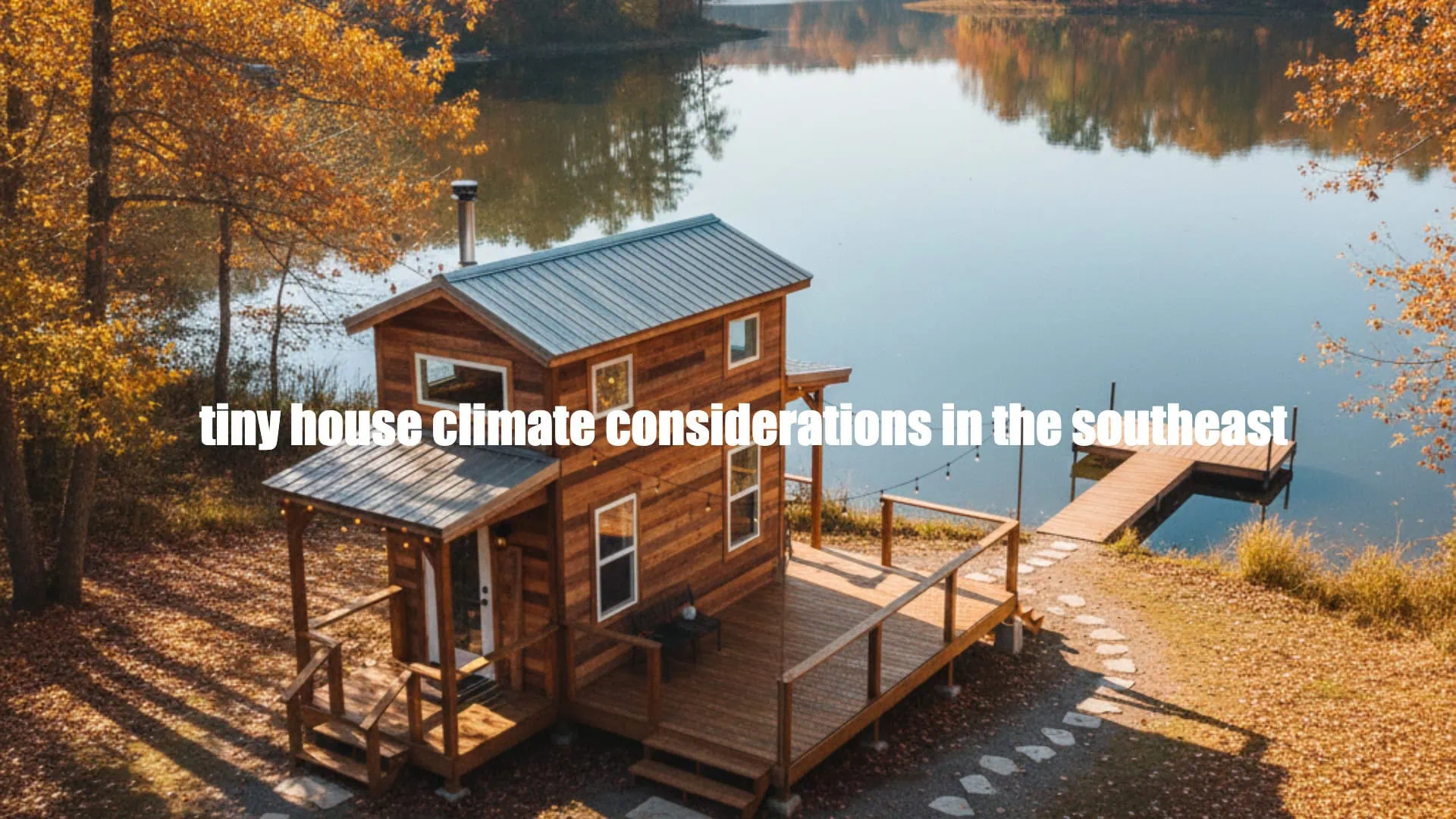
Understanding Climate Considerations for Tiny Houses in the Southeast
When we consider tiny house living in the Southeast, climate considerations become absolutely crucial for creating a comfortable, energy-efficient home. The Southeast region presents unique challenges including extreme heat, high humidity levels, intense UV radiation, and severe weather events like hurricanes and thunderstorms. With summer temperatures regularly exceeding 90°F and humidity levels often reaching 80-90%, we must carefully plan every aspect of our tiny house design.
The Southeast experiences average summer temperatures ranging from 85-95°F, with heat indices frequently climbing above 105°F. Winter temperatures typically range from 40-60°F, creating significant seasonal variation. Annual precipitation varies from 40-60 inches across the region, with coastal areas receiving more during hurricane season.
At Great Lakes Tiny Homes, we understand these unique regional challenges. As a full-service manufacturer of modular and park model homes, we deliver turnkey builds to all 48 lower U.S. states, including comprehensive solutions for the Southeast’s demanding climate. Whether you choose wheels or without wheels, and with or without RVIA certification, we design our models to handle the region’s specific weather patterns while maintaining energy efficiency.
Proper climate planning can reduce energy costs by 30-40% while significantly improving indoor comfort. Schedule a consultation with our climate specialists to discuss how we can customize your tiny house for optimal Southeast performance.
Southeast Climate Patterns: What Tiny House Owners Need to Know
We need to understand the Southeast’s complex climate patterns spanning from Virginia to Florida and west to Louisiana, encompassing diverse microclimates that significantly impact our building strategies.
Seasonal Temperature Variations: The Southeast experiences a subtropical climate with hot, humid summers and mild winters. Summer temperatures consistently reach 85-95°F with heat indices often exceeding 105°F. Winter temperatures range from 35°F in northern areas to 60°F in southern Florida. This 50-60 degree annual temperature swing requires flexible heating and cooling systems.
Humidity and Precipitation: Relative humidity levels remain high year-round, typically 60-80% even during winter months. Summer humidity often reaches 85-95%, creating challenging conditions for moisture management. Annual precipitation ranges from 40 inches inland to over 60 inches along the Gulf Coast.
Extreme Weather Events: We must prepare for hurricanes along coastal areas, with wind speeds potentially exceeding 150 mph. Severe thunderstorms occur frequently, bringing damaging winds, hail, and tornadoes. Ice storms can impact northern areas, while flooding remains a concern throughout due to heavy rainfall events.
These climate patterns directly impact our tiny house energy consumption, with cooling costs typically representing 60-70% of annual energy bills. Understanding these patterns helps us optimize our tiny house design for maximum comfort and efficiency.
Choosing Durable Building Materials for Southeast Conditions
Selecting appropriate building materials for the Southeast’s challenging climate requires careful consideration of heat resistance, moisture management, and durability against extreme weather.
Exterior Siding Options: Fiber cement siding performs exceptionally well in the Southeast, offering excellent moisture resistance and UV stability. Metal siding provides superior durability and reflects heat effectively. Vinyl siding offers affordability but requires UV-resistant formulations to prevent fading and brittleness.
Roofing Materials: Metal roofing excels in the Southeast, reflecting solar heat and withstanding high winds up to 150+ mph when properly installed. We prefer standing seam or corrugated steel with reflective coatings. Architectural shingles work well but require impact-resistant ratings for hail protection.
Window Selections: Low-E double-pane windows with argon gas fill provide optimal performance, reducing heat gain by 30-50% compared to standard windows. We recommend impact-resistant glass in hurricane-prone areas and ensure all windows meet local wind load requirements.
Material Considerations: The Southeast’s temperature swings cause significant material expansion and contraction. We use flexible sealants and allow for movement in our construction details. UV resistance becomes crucial, as intense sunlight degrades many materials rapidly.
Working with experienced professionals who understand the Southeast’s unique requirements ensures proper material selection and installation. At Great Lakes Tiny Homes, we’ve developed expertise in building quality tiny homes that meet the region’s demanding conditions. Our understanding of local building codes, combined with our customization options, allows us to create comfortable living spaces that withstand the Southeast’s climate challenges.
Book a consultation with our building experts to discuss material options that best suit your specific location and budget requirements.
Seasonal Preparation and Maintenance Schedules
We must maintain our Southeast tiny houses year-round to ensure optimal performance in the region’s demanding climate.
Spring Preparation (March-May): We begin with thorough HVAC system servicing, including filter replacement, ductwork inspection, and refrigerant level checks. This season requires comprehensive exterior seal inspection around windows, doors, and roof penetrations. We clean gutters and downspouts to prepare for heavy summer rainfall, and inspect the roof for any winter damage.
Summer Maintenance (June-August): Our focus shifts to cooling system optimization and moisture management. We monitor HVAC performance closely, as systems work hardest during these months. Monthly filter changes become essential due to increased runtime. We inspect and clean condensate drains to prevent overflow and moisture damage.
Fall Hurricane Preparation (September-November): We secure all exterior items and inspect tie-downs for tiny houses on wheels. Emergency supply preparation includes water, non-perishable food, and backup power options. We trim nearby trees and clear drainage areas around the tiny house.
Winter Maintenance (December-February): Although winters are mild, we still perform heating system checks and inspect for any freeze damage in northern areas. This season provides an opportunity for deep cleaning and maintenance projects.
Monthly Maintenance Checklist:
- HVAC filter inspection and replacement as needed
- Condensate drain cleaning and inspection
- Exterior seal visual inspection
- Gutter and downspout cleaning
- Interior humidity level monitoring
- Electrical system inspection for moisture issues
- Plumbing leak checks, especially around fixtures
Location-Specific Climate Considerations Across Southeast States
Each Southeast state presents unique climate challenges that influence our tiny house design and preparation strategies.
Florida: We face the most extreme heat and humidity, with year-round cooling needs and hurricane threats along both coasts. We recommend enhanced moisture barriers, impact-resistant windows, and robust tie-down systems.
Georgia and South Carolina: These states experience more seasonal variation, with actual winter heating needs in northern areas. The coastal regions face hurricane threats and high humidity, while inland areas deal with more temperature fluctuation.
North Carolina: The state’s elevation changes create distinct microclimates, from coastal plains to mountain foothills. Western areas require more robust heating systems and different insulation strategies. Understanding local regulations becomes crucial as building codes vary significantly across the state’s diverse geography.
Tennessee and Kentucky: These northern Southeast states experience more pronounced winters, requiring balanced heating and cooling systems. Humidity remains high during summer months, but winter heating becomes a significant consideration.
Alabama, Mississippi, and Louisiana: High humidity year-round combines with hurricane threats along the Gulf Coast. These states require robust moisture management and storm preparation.
Virginia: As the northernmost Southeast state, Virginia requires the most balanced approach to heating and cooling. Northern areas experience more significant winter weather, while southern regions align more closely with typical Southeast patterns.
We customize our tiny house features based on these specific location requirements, ensuring optimal performance regardless of where you choose to place your home within the Southeast region.
Cost Analysis: Investing in Climate-Appropriate Features
We must carefully analyze the costs and benefits of climate-appropriate features for Southeast tiny houses to make informed investment decisions.
Insulation Investment: Upgrading from standard R-13 wall insulation to R-20 spray foam costs approximately $3,000-5,000 additional but reduces cooling costs by 25-30% annually. This typically saves $800-1,200 per year on energy bills, providing payback within 4-5 years.
HVAC System Optimization: A properly sized, high-efficiency heat pump system costs $8,000-12,000 but provides both heating and cooling with superior humidity control. High-efficiency systems reduce energy consumption by 30-40% while providing better comfort.
Window and Door Upgrades: Impact-resistant, low-E windows cost $300-500 per window compared to $150-250 for standard windows. However, they reduce cooling loads by 30-50% and provide storm protection that could save thousands in potential damage.
Solar Power Considerations: A 6kW solar system costs $15,000-20,000 after incentives but can offset 80-100% of energy costs in the sunny Southeast. With average electricity costs of $150-250 monthly for tiny house cooling, solar systems typically pay for themselves within 8-10 years.
Great Lakes Tiny Homes Pricing: We offer a variety of park models, cabins, and tiny homes on wheels, each designed for comfort and style in challenging climates. Our prices start around $61,000 for smaller models like The Pinnacle Tiny House on Wheels, while larger park models like the A-Frame Luxe start at about $155,000. All homes can be customized with climate-appropriate finishes and features to fit your lifestyle and local conditions.
Proper climate planning reduces total cost of ownership by 20-30% over the home’s lifetime while significantly improving comfort and durability. View our portfolio of climate-optimized builds to see how we’ve successfully addressed Southeast climate challenges for other clients.
Expert Tips and Best Practices
We’ve learned valuable lessons from years of building and maintaining tiny houses in the Southeast’s challenging climate.
Common Mistakes to Avoid: We frequently see builders underestimate the importance of moisture management, leading to mold and structural issues. Oversizing HVAC systems is another common error that results in poor humidity control and inefficient operation. Many builders also neglect proper ventilation, assuming that smaller spaces don’t require dedicated fresh air systems.
Innovative Climate Solutions: We’ve successfully implemented mini-split heat pump systems with individual zone control, allowing precise temperature and humidity management. Radiant barrier roof sheathing reduces attic temperatures by 20-30°F, significantly decreasing cooling loads.
Professional Builder Advantages: Working with experienced professionals who understand the Southeast’s unique requirements ensures proper system integration and code compliance. We’ve developed specialized techniques for managing moisture during construction, preventing problems that might not appear for months or years.
At Great Lakes Tiny Homes, we’ve refined our Southeast building practices through hundreds of successful installations. Our expertise in regional climate challenges, combined with our commitment to quality construction, ensures your tiny house performs optimally from day one.
Schedule a consultation with our Southeast specialists to discuss how our experience can benefit your specific project and location requirements.
Frequently Asked Questions About Tiny House Climate Considerations in the Southeast
Note: The responses in this FAQ section provide general guidance on climate-related questions for tiny houses in the Southeast based on regional patterns. Individual circumstances vary, so consult with local experts or Great Lakes Tiny Homes for tailored recommendations.
What are typical cooling costs for a tiny house in the Southeast?
In the Southeast, cooling costs for a tiny house typically represent 60-70% of annual energy bills due to high summer temperatures and humidity. For a well-insulated 200-400 square foot tiny home, expect monthly cooling expenses of $50-150 during peak summer months, depending on system efficiency and usage. Proper climate planning, such as energy-efficient HVAC and reflective roofing, can reduce these costs by 30-40%, as implemented in our Great Lakes Tiny Homes designs.
How much insulation do we need for Southeast tiny houses?
Southeast tiny houses require R-30 to R-38 insulation in walls and ceilings to handle the region’s hot, humid summers and mild winters with temperature swings of 50-60 degrees. We recommend spray foam insulation for superior moisture resistance and air sealing, combined with rigid foam boards under siding to prevent heat gain. At Great Lakes Tiny Homes, our builds meet or exceed these levels to ensure energy efficiency and comfort year-round.
Which materials resist humidity and mold growth best?
For humidity and mold resistance in the Southeast, fiber cement siding and metal roofing stand out due to their non-porous surfaces and durability in 60-95% relative humidity. Interior options like treated lumber and mold-resistant drywall, paired with proper ventilation, minimize growth risks. Our experience at Great Lakes Tiny Homes shows these materials maintain structural integrity during heavy precipitation and coastal conditions.
How do we ensure adequate ventilation in humid conditions?
Adequate ventilation in Southeast humid conditions involves installing energy recovery ventilators (ERVs) to exchange stale, moist air with fresh air while controlling humidity levels below 60%. Combine this with exhaust fans in kitchens and bathrooms, plus dehumidifiers during peak seasons. Great Lakes Tiny Homes integrates these systems into our designs to prevent mold and maintain indoor air quality without excessive energy use.
Planning Your Climate-Ready Southeast Tiny House
We’ve covered the essential climate considerations for successful tiny house living in the Southeast, and now it’s time to create your action plan. The region’s unique combination of heat, humidity, and severe weather requires careful planning, but with proper preparation, we can create comfortable, efficient homes that thrive in this challenging environment.
Priority Climate Features Checklist:
- High Priority: Enhanced insulation (R-20 walls, R-38 ceiling), properly sized HVAC system with humidity control, impact-resistant windows, and comprehensive moisture barriers
- Medium Priority: Solar power system, whole-house ventilation, upgraded electrical service for high cooling loads, and storm-resistant exterior materials
- Lower Priority: Backup power systems, advanced home automation, and luxury comfort features
Budget Allocation Strategy: We suggest allocating 25-30% of your total budget to climate-related features including insulation, HVAC, windows, and moisture management systems. This upfront investment pays significant dividends in long-term comfort and operating costs.
Working with Great Lakes Tiny Homes ensures all these climate adaptations are properly integrated into your design from the beginning. Our experience with Southeast conditions, combined with our comprehensive customization options, allows us to create homes that excel in this demanding climate. We handle the complex technical details while you focus on the exciting aspects of designing your dream tiny house.
The Southeast offers incredible opportunities for tiny house living, from beautiful coastal areas to charming mountain communities. With proper climate planning, your tiny house will provide comfortable, efficient living while withstanding whatever weather the region brings.
We’re ready to help you navigate every aspect of creating your climate-ready Southeast tiny house. Book your consultation today to begin planning a home that will provide years of comfortable, efficient living in the beautiful Southeast region.