

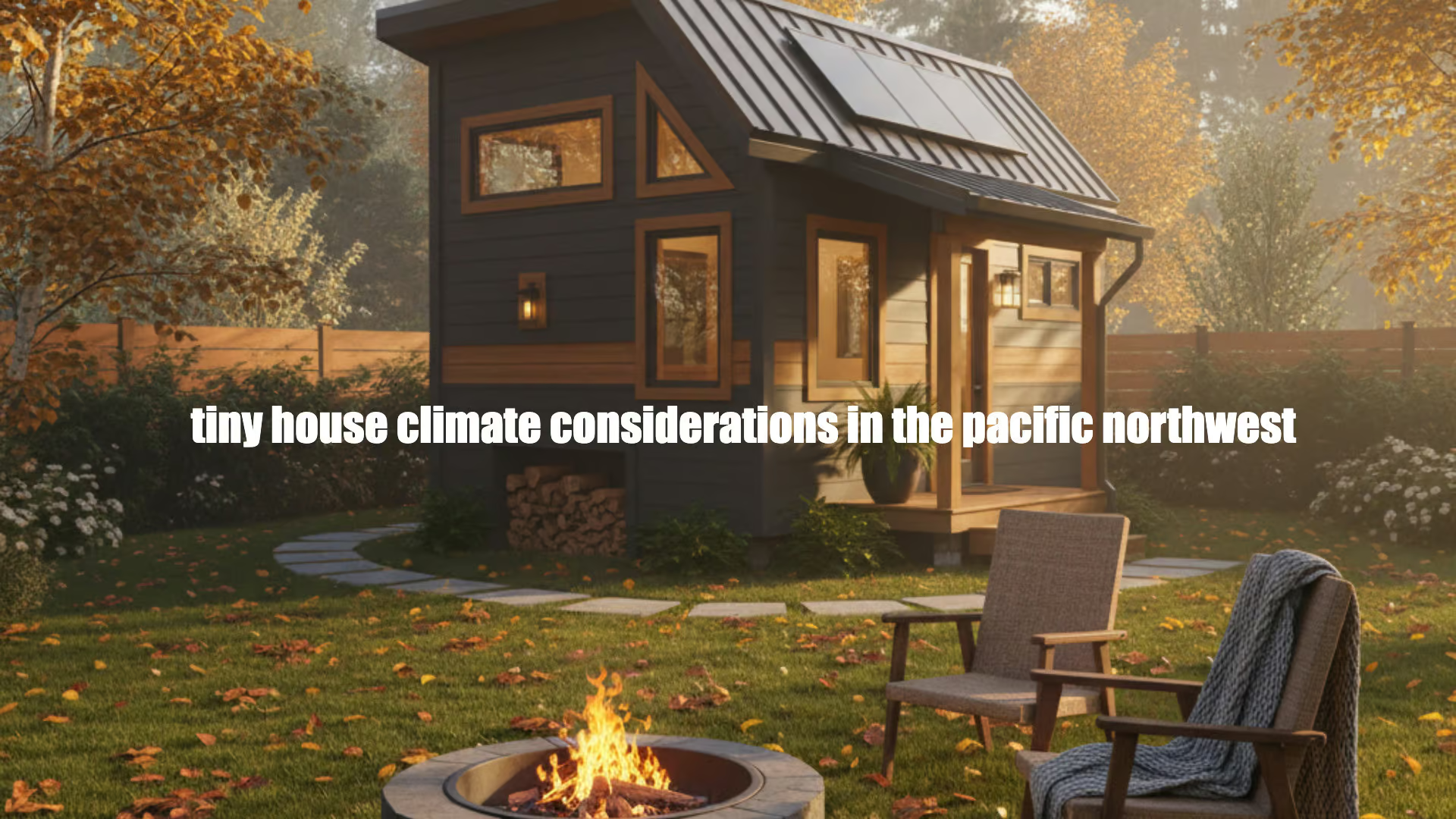
Understanding Climate Considerations for Tiny Houses in the Pacific Northwest
The Pacific Northwest presents unique climate challenges that make careful planning essential for successful tiny house living. With our region experiencing heavy rainfall, high humidity, temperature swings, and occasional extreme weather events, we understand that proper climate considerations can make the difference between a comfortable home and a constant struggle against the elements.
Our region sees average annual rainfall ranging from 37 inches in Seattle to over 140 inches in some coastal areas, with winter temperatures typically hovering between 35-45°F and summer highs reaching 75-85°F. These conditions create specific challenges including moisture management, heating efficiency, and material durability that we must address in every tiny house design.
At Great Lakes Tiny Homes, we specialize in creating climate-appropriate solutions for the Pacific Northwest’s demanding conditions. As a full-service manufacturer of modular and park model homes, we deliver turnkey builds designed to withstand regional weather patterns while maintaining energy efficiency and comfort. Whether you choose a home with wheels or without, with or without RVIA certification, we ensure every build meets the specific climate demands of your location.
Ready to discuss your climate-specific tiny house needs? Schedule a consultation with our experts to explore how we can create the perfect weather-ready home for your Pacific Northwest location.
Pacific Northwest Climate Patterns: What Tiny House Owners Need to Know
Understanding the Pacific Northwest’s complex climate patterns is crucial for successful tiny house living. Our region experiences a marine west coast climate characterized by wet winters, dry summers, and significant variations between coastal and inland areas.
Winter temperatures typically range from 35-45°F in most areas, though inland regions can experience freezing conditions. Summer brings comfortable temperatures of 70-85°F, with occasional heat waves pushing temperatures above 90°F. These moderate temperature swings mean we need heating systems capable of handling consistent cool weather rather than extreme cold.
The region’s defining characteristic is its precipitation pattern. We experience wet seasons from October through April, with some areas receiving over 100 inches annually. Coastal regions like the Olympic Peninsula can see 140+ inches, while eastern areas receive significantly less. This heavy rainfall creates challenges for moisture management, foundation stability, and exterior material selection.
High humidity levels, often exceeding 80% during winter months, create ongoing moisture management challenges. We must design tiny houses with superior ventilation systems and moisture barriers to prevent condensation, mold, and structural damage.
Washington’s coastal areas experience the most extreme rainfall and moderate temperatures, while eastern Washington sees drier conditions with greater temperature variations. Oregon’s coast mirrors Washington’s patterns, but the Cascade Range creates distinct microclimates. Idaho’s northern regions experience more continental climate influences with colder winters and lower humidity.
These climate patterns directly impact energy consumption, with heating costs representing the largest utility expense for most tiny house owners. We typically see 6-8 months of heating requirements annually, making efficient heating systems and superior insulation critical investments.
Choosing Durable Building Materials for Pacific Northwest Conditions
Selecting appropriate building materials for Pacific Northwest tiny houses requires understanding how constant moisture, temperature fluctuations, and UV exposure affect different materials over time. We focus on materials that resist moisture penetration, handle thermal expansion, and maintain structural integrity in our challenging climate.
For exterior siding, we recommend fiber cement boards as our top choice for Pacific Northwest conditions. These materials resist moisture absorption, don’t rot or warp, and handle temperature fluctuations without significant expansion or contraction. Cedar siding offers natural beauty and good weather resistance but requires regular maintenance. Metal siding, particularly steel or aluminum, performs excellently in our wet climate with proper installation and coating.
Metal roofing stands out as our preferred choice for Pacific Northwest tiny houses. Steel or aluminum roofing with proper coatings handles heavy rain loads, resists moss growth, and provides excellent longevity. Asphalt shingles work but require more frequent replacement due to moss and algae growth in our humid conditions.
Windows must handle significant moisture exposure while providing energy efficiency. We specify double or triple-pane windows with low-E coatings and quality weatherstripping. Vinyl or fiberglass frames outperform wood frames in our climate, requiring less maintenance while providing better moisture resistance.
For doors, we recommend fiberglass or steel construction with proper weatherstripping and storm door protection. These materials resist warping and provide better insulation than traditional wood doors.
Working with experienced professionals who understand Pacific Northwest building requirements ensures proper material selection and installation techniques. We bring extensive knowledge of local building codes, material performance in regional conditions, and customization options that address specific climate challenges. Our commitment to creating comfortable, durable living spaces means we carefully evaluate every material choice against long-term performance expectations.
Considering a climate-appropriate tiny house for the Pacific Northwest? Book a consultation with our building experts to discuss material options and design strategies that will keep your home comfortable and durable for years to come.
Seasonal Preparation and Maintenance Schedules
Maintaining a tiny house in the Pacific Northwest requires proactive seasonal preparation to address our region’s moisture, temperature variations, and weather patterns. We’ve developed comprehensive maintenance schedules that help prevent problems before they start.
Fall Preparation (September-November)
Fall preparation focuses on winterizing systems and protecting against increased rainfall. We recommend cleaning gutters and downspouts thoroughly, as falling leaves can create blockages that lead to water damage. Service heating systems before cold weather arrives, including cleaning or replacing filters, checking ductwork, and testing thermostats. Inspect weatherstripping around doors and windows, replacing any damaged sections.
Winter Maintenance (December-February)
Winter maintenance emphasizes moisture management and system monitoring. Check ventilation systems monthly to ensure proper operation, as reduced air circulation can lead to condensation problems. Monitor humidity levels and run dehumidifiers if necessary to maintain 30-50% relative humidity. Inspect plumbing monthly for freeze protection, particularly in areas with minimal insulation.
Spring Preparation (March-May)
Spring preparation involves thorough inspections and system tune-ups after winter weather. Inspect exterior siding, roofing, and foundation areas for winter damage. Service air conditioning systems before summer heat arrives, including cleaning coils, checking refrigerant levels, and testing operation.
Summer Maintenance (June-August)
Summer maintenance focuses on cooling system efficiency and preparation for fall rains. Clean air conditioning filters monthly during peak usage periods. Perform exterior maintenance tasks like painting, staining, or sealing that require dry weather. Check and maintain drainage systems around the foundation.
Location-Specific Climate Considerations Across Pacific Northwest States
The Pacific Northwest’s diverse geography creates distinct microclimates that require specific tiny house adaptations. Understanding these regional variations helps us design homes that perform optimally in their specific locations.
Washington State Variations
Western Washington experiences the region’s most challenging moisture conditions, with coastal areas receiving 100+ inches of annual rainfall. Tiny houses in these areas need superior moisture management systems, including enhanced ventilation, dehumidification capabilities, and moisture-resistant materials throughout.
Eastern Washington presents dramatically different challenges with lower rainfall (8-15 inches annually) but greater temperature extremes. Homes in this region need enhanced insulation for cold winters and efficient cooling for hot summers.
Oregon Climate Zones
Oregon’s coastal region mirrors Washington’s wet conditions but with slightly milder temperatures. The Willamette Valley experiences moderate rainfall (40-50 inches) with distinct wet and dry seasons, requiring balanced heating and cooling systems.
Eastern Oregon faces high desert conditions with low humidity, significant temperature swings, and intense UV exposure. Tiny houses in this region need enhanced insulation, UV-resistant materials, and efficient heating systems for cold winters.
Northern Idaho Considerations
Northern Idaho experiences more continental climate influences with colder winters, lower humidity, and distinct seasonal variations. Tiny houses in this region need robust heating systems, enhanced insulation, and materials that handle freeze-thaw cycles.
Elevation significantly affects climate conditions throughout the Pacific Northwest. For every 1,000 feet of elevation gain, we typically see 3-5°F temperature decrease and increased precipitation. Higher elevations require enhanced insulation, structural support for snow loads, and heating systems sized for extreme conditions.
Cost Analysis: Investing in Climate-Appropriate Features
Understanding the financial impact of climate-appropriate features helps Pacific Northwest tiny house owners make informed decisions about upfront investments versus long-term operating costs. We analyze these costs to help clients optimize their investment for maximum comfort and efficiency.
Insulation Investment Analysis
Enhanced insulation represents one of the most cost-effective climate adaptations for Pacific Northwest tiny houses. Upgrading from standard R-13 wall insulation to R-20 or higher typically adds $2,000-4,000 to construction costs but can reduce heating expenses by 25-40% annually.
Spray foam insulation, while more expensive initially ($3,000-6,000 premium), provides superior moisture resistance and air sealing that prevents costly moisture damage over time. The investment typically pays for itself within 5-7 years through reduced energy costs and maintenance expenses.
Heating System Cost Comparisons
Heat pump systems, while requiring higher upfront investment ($4,000-8,000), provide excellent efficiency in our moderate climate. These systems can reduce heating costs by 30-50% compared to electric resistance heating while providing cooling capabilities for increasingly warm summers.
High-efficiency gas furnaces ($3,000-6,000) offer reliable heating with lower operating costs than electric systems. Radiant floor heating ($2,000-4,000) provides excellent comfort and efficiency but requires careful integration with other systems.
Moisture Management System Investments
Whole-house ventilation systems ($1,500-3,500) are essential investments for Pacific Northwest tiny houses. These systems prevent moisture damage that can cost $10,000+ to repair while improving indoor air quality and comfort.
Great Lakes Tiny Homes Pricing
We offer a variety of park models, cabins, and tiny homes on wheels, each designed for comfort and style in challenging climates. Our prices start around $61,000 for smaller models like The Pinnacle Tiny House on Wheels, while larger park models like the A-Frame Luxe start at about $155,000. All homes can be customized with climate-appropriate finishes and features to fit your lifestyle and local conditions.
Our typical builds range from $100,000 to $150,000, incorporating the climate-appropriate features necessary for comfortable Pacific Northwest living. This investment includes proper insulation, efficient heating systems, moisture management, and durable materials that perform well in our challenging climate.
Explore our portfolio of climate-ready homes and see how we’ve helped other Pacific Northwest residents create comfortable, efficient living spaces. View our past projects to see examples of successful climate adaptations in action.
Expert Tips and Best Practices
Through years of experience building tiny houses for Pacific Northwest conditions, we’ve learned valuable lessons about what works and what doesn’t in our challenging climate. These expert insights can help you avoid common mistakes and create a more comfortable, durable home.
Common Mistakes to Avoid
One of the most frequent mistakes we see is inadequate ventilation planning. Many builders focus on insulation and air sealing without providing sufficient controlled ventilation, leading to moisture problems and poor indoor air quality. We always design ventilation systems that provide fresh air while managing humidity levels.
Undersizing heating systems is another common error. While our climate is moderate, the consistent cool temperatures and high humidity require heating systems that can maintain comfort efficiently. We size systems based on actual heat loss calculations rather than square footage alone.
Innovative Climate Solutions
Heat recovery ventilation systems provide excellent solutions for our climate, bringing in fresh air while recovering heat from exhaust air. These systems maintain air quality while minimizing heating costs.
Smart home technology helps optimize system operation for our variable climate conditions. Programmable thermostats, humidity controls, and automated ventilation systems adapt to changing conditions automatically.
Working with experienced professionals who understand Pacific Northwest building requirements ensures proper system integration and code compliance. We bring knowledge of local conditions, material performance, and installation techniques that prevent problems before they occur.
Ready to benefit from our Pacific Northwest building expertise? Schedule a consultation to discuss how we can help you avoid common mistakes and create a climate-ready tiny house that performs beautifully in our unique environment.
Frequently Asked Questions About Tiny House Climate Considerations in the Pacific Northwest
What are the biggest climate challenges for tiny houses in the Pacific Northwest?
The primary challenges include heavy rainfall ranging from 37 inches in Seattle to over 140 inches in coastal areas, high humidity often exceeding 80% in winter, and moderate temperature swings with winters at 35-45°F and summers reaching 75-85°F. These conditions demand strong focus on moisture management to prevent mold and structural damage, efficient heating for extended cool seasons, and durable materials that resist rot and warping.
How do I prevent moisture and mold problems in a tiny house?
To combat moisture and mold, incorporate superior ventilation systems like exhaust fans and dehumidifiers, along with moisture barriers in walls and foundations. Choose materials such as fiber cement siding and metal roofing that resist water absorption, and ensure proper installation of double or triple-pane windows with low-E coatings and quality weatherstripping to minimize condensation in high-humidity environments.
What heating system works best for Pacific Northwest tiny houses?
For the region’s consistent cool weather over 6-8 months, efficient systems like heat pumps or high-efficiency electric heaters paired with superior insulation are ideal. These options handle the moderate winters without the extremes of colder climates, keeping energy costs manageable while maintaining comfort in small spaces.
What exterior materials last longest in Pacific Northwest weather?
Fiber cement boards and metal siding, such as steel or aluminum with protective coatings, offer the best longevity due to their resistance to moisture, rot, and temperature fluctuations. Metal roofing also excels in handling heavy rain and preventing moss growth, outperforming asphalt shingles that require more frequent replacement in humid conditions.
Planning Your Climate-Ready Pacific Northwest Tiny House
Creating a successful tiny house for Pacific Northwest conditions requires careful planning that addresses our region’s unique climate challenges while maximizing comfort and efficiency. We’ve developed a systematic approach that ensures every climate consideration is properly addressed from the initial design phase through construction completion.
Priority Climate Features Checklist
Start with moisture management as your top priority. This includes whole-house ventilation systems, proper vapor barriers, enhanced drainage around the foundation, and moisture-resistant materials throughout the structure. These features prevent the most common and expensive problems we see in Pacific Northwest tiny houses.
Next, focus on thermal performance through proper insulation (minimum R-20 walls, R-30 roof), high-performance windows and doors, and efficient heating systems sized for our climate. Heat pumps offer the best combination of efficiency and comfort for most locations.
Working with Great Lakes Tiny Homes
Our experience with Pacific Northwest conditions ensures your tiny house incorporates all necessary climate adaptations from the beginning. We understand local building codes, material performance in regional conditions, and system sizing requirements for optimal performance.
We work with you to customize designs that address your specific location’s microclimate while meeting your lifestyle needs and budget requirements. Our turnkey approach means you get a complete, climate-ready home without the stress of coordinating multiple contractors and systems.
The Pacific Northwest offers incredible opportunities for tiny house living when climate considerations are properly addressed. With careful planning, quality materials, and experienced professional guidance, you can create a comfortable, efficient home that performs beautifully in our unique environment for decades to come.
Ready to start planning your climate-ready Pacific Northwest tiny house? Schedule your consultation today to discuss how we can help you create the perfect home for your specific location and lifestyle needs.