

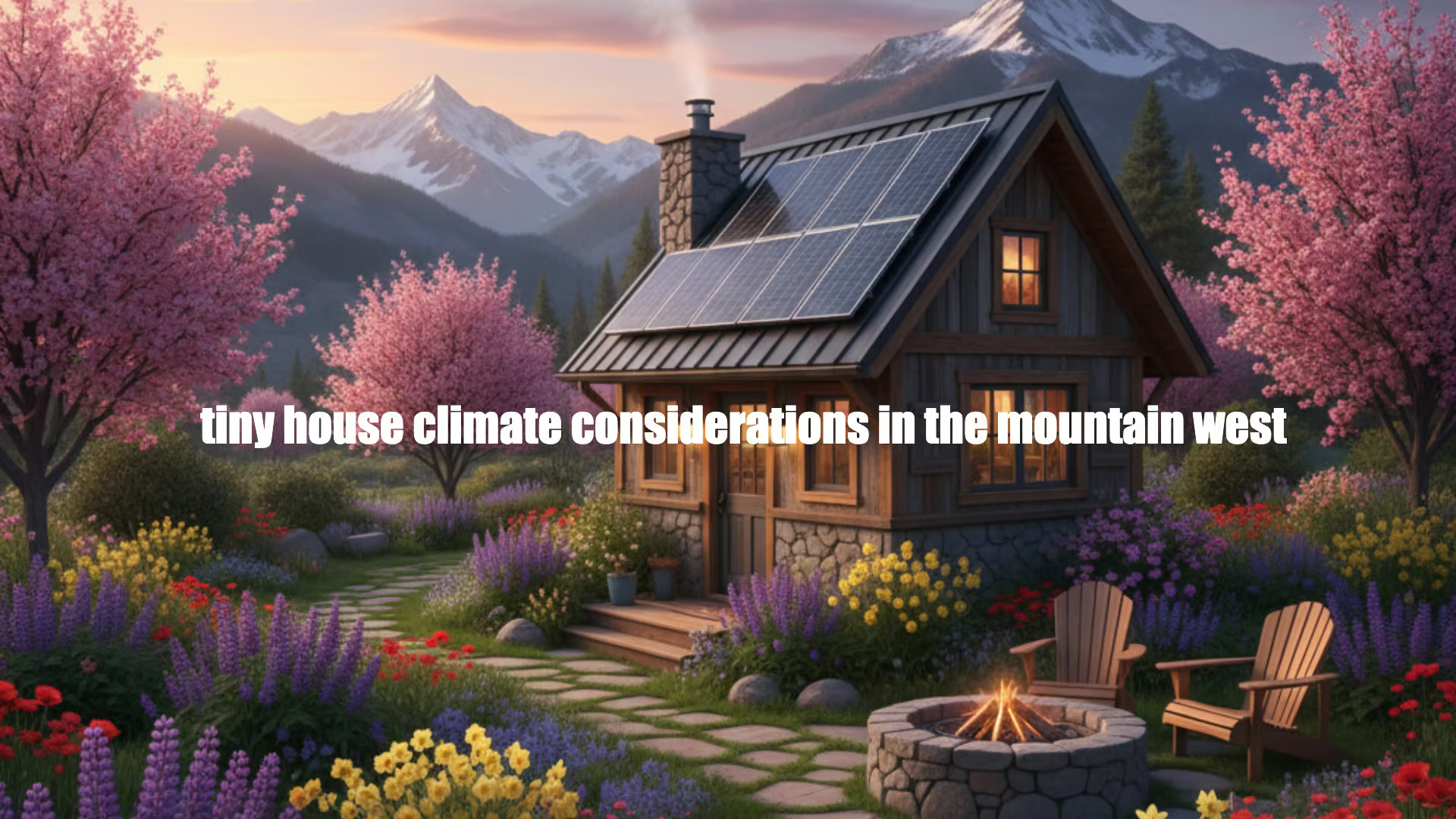
Understanding Climate Considerations for Tiny Houses in the Mountain West
Living in a tiny house in the Mountain West presents unique climate challenges that require careful planning and preparation. This region, encompassing states like Colorado, Utah, Wyoming, Montana, Idaho, Nevada, and parts of Arizona and New Mexico, experiences some of the most diverse and extreme weather conditions in the United States. From scorching summer temperatures exceeding 100°F in desert valleys to bone-chilling winter lows dropping below -30°F at high elevations, we face dramatic temperature swings that can stress both our homes and our comfort systems.
The Mountain West’s climate is characterized by intense UV radiation due to high altitude, sudden temperature fluctuations that can span 50°F in a single day, low humidity levels often below 20%, and extreme weather events including blizzards, thunderstorms, and flash floods. These conditions demand specialized building approaches, materials, and systems that traditional construction methods cannot handle effectively.
At Great Lakes Tiny Homes, we understand these unique challenges intimately. As a full-service manufacturer of modular and park model homes, we deliver turnkey builds to all 48 lower U.S. states, including throughout the challenging Mountain West region. Our expertise in creating climate-appropriate tiny homes means we can help you choose between wheels or without wheels, and with or without RVIA certification, ensuring your home meets the specific demands of your Mountain West location.
Proper climate planning can dramatically improve energy efficiency, reduce utility costs by up to 40%, and ensure year-round comfort in your tiny home. Throughout this comprehensive guide, we’ll explore the critical climate factors including insulation strategies, heating and cooling systems, material selection, and seasonal maintenance requirements that make tiny house living not just possible, but comfortable and sustainable in the Mountain West. Schedule a consultation with our climate specialists to discuss how we can customize your tiny home for your specific Mountain West location.
Mountain West Climate Patterns: What Tiny House Owners Need to Know
The Mountain West’s climate patterns create a complex web of challenges that we must understand to build successful tiny homes. This region experiences what meteorologists call a \”continental semi-arid\” climate, characterized by dramatic seasonal variations and significant daily temperature swings. Average winter temperatures range from 15°F to 35°F in valleys, while summer temperatures typically span 70°F to 95°F, though desert areas can exceed 110°F.
Precipitation patterns vary dramatically across the region. Northern areas like Montana and Idaho receive 15-30 inches annually, primarily as snow, while southern desert regions may see less than 10 inches per year. The monsoon season affects southern portions from July through September, bringing intense thunderstorms and flash flood risks. Humidity levels remain consistently low, typically 10-30%.
Elevation plays a crucial role in climate variations across Mountain West states. For every 1,000 feet of elevation gain, temperatures drop approximately 3.5°F, meaning a tiny house at 8,000 feet in Colorado will experience vastly different conditions than one at 2,000 feet in Nevada. High-altitude locations face additional challenges including increased UV exposure, rapid weather changes, and extreme temperature fluctuations.
Wind patterns significantly impact tiny house design requirements. Chinook winds in Montana and Wyoming can reach 100+ mph, while desert areas experience sustained winds of 20-40 mph during spring months. These conditions demand robust structural engineering and careful consideration of tiny house orientation and anchoring systems.
These climate patterns directly impact tiny house energy consumption, with heating costs potentially comprising 60-70% of annual utility expenses in northern areas, while cooling costs dominate in southern desert regions. Understanding these patterns allows us to design systems that work efficiently year-round.
Choosing Durable Building Materials for Mountain West Conditions
Selecting appropriate building materials for Mountain West tiny houses requires understanding how extreme temperature fluctuations, intense UV radiation, and low humidity affect different materials over time. Standard construction materials often fail prematurely in these conditions, making specialized material selection crucial for long-term durability.
For exterior siding, we recommend fiber cement boards or engineered wood products with UV-resistant coatings. These materials handle temperature swings from -30°F to 100°F without significant expansion or contraction issues. Metal siding, particularly steel or aluminum with high-quality paint systems, performs exceptionally well but requires proper insulation backing to prevent condensation issues.
Roofing material selection proves critical in the Mountain West’s challenging conditions. Metal roofing with reflective coatings excels in this environment, shedding snow effectively while reflecting summer heat. Asphalt shingles require premium grades rated for extreme temperature variations, while clay tiles work well in southern desert areas but may crack in freeze-thaw cycles.
Window selection demands careful consideration of both energy efficiency and durability. We specify triple-pane windows with low-E coatings and argon fills for northern locations, while double-pane windows with specialized UV-blocking films work well in southern areas. Window frames must handle significant thermal expansion, making fiberglass or quality vinyl frames preferable to aluminum.
Insulation choices significantly impact both comfort and energy costs. We typically specify closed-cell spray foam insulation for its superior air sealing properties and resistance to moisture infiltration. In extreme cold areas, we may recommend R-30 to R-40 wall insulation and R-50 to R-60 ceiling insulation, far exceeding standard tiny house specifications.
Working with experienced professionals who understand Mountain West building requirements makes the difference between a comfortable, durable home and one that struggles against the climate. At Great Lakes Tiny Homes, our expertise in regional building codes, material performance, and climate-specific customization options ensures your tiny home will thrive in Mountain West conditions. Book a consultation with our building experts to discuss material selections that will keep your tiny home comfortable and durable for decades to come.
Seasonal Preparation and Maintenance Schedules
Maintaining a tiny house in the Mountain West requires a proactive approach to seasonal preparation and ongoing maintenance. The extreme climate variations demand specific attention to different systems throughout the year.
Spring Preparation (March-May): As snow melts and temperatures begin rising, we focus on post-winter inspections and system preparations. Check roof and gutters for winter damage, inspect exterior caulking and seals, and service air conditioning systems before summer heat arrives. Test all plumbing connections for freeze damage and ensure proper drainage around the foundation.
Summer Maintenance (June-August): High temperatures and intense UV radiation require specific attention during summer months. Inspect and clean air conditioning systems monthly, check exterior finishes for UV damage, and ensure adequate ventilation to prevent overheating. Monitor electrical systems for increased loads from cooling equipment.
Fall Winterization (September-November): Preparing for winter proves critical in the Mountain West. Drain and winterize exterior water lines, inspect heating systems and replace filters, check insulation for any settling or damage, and seal any air leaks. Clean gutters and downspouts, inspect roof for loose materials, and ensure emergency supplies are stocked.
Winter Monitoring (December-February): Cold weather maintenance focuses on preventing freeze damage and maintaining efficiency. Monitor heating systems for proper operation, keep snow loads reasonable on roofs, maintain clear ventilation paths, and check for ice dam formation. Inspect plumbing regularly for freeze risks.
High-Altitude Specific Maintenance: Tiny houses above 6,000 feet require additional considerations. UV protection needs more frequent renewal, heating systems work harder in thin air, and rapid weather changes demand more frequent inspections. We recommend quarterly professional HVAC inspections at high altitudes.
Location-Specific Climate Considerations Across Mountain West States
Each Mountain West state presents distinct climate challenges that influence tiny house design and maintenance requirements. Understanding these regional differences helps us customize homes for optimal performance in specific locations.
Colorado: The state’s diverse elevation range creates multiple climate zones within short distances. Eastern plains experience continental climate with hot summers and cold winters, while mountain areas face alpine conditions with heavy snow loads. We recommend enhanced insulation packages for mountain locations and robust cooling systems for lower elevations. Explore tiny house options for Colorado to see location-specific customizations.
Utah: Northern Utah’s Great Salt Lake effect creates unique weather patterns with lake-effect snow and temperature inversions. Southern Utah’s red rock country experiences desert conditions with extreme heat and minimal precipitation. Salt Lake City area tiny houses need systems capable of handling both heavy snow and summer heat.
Wyoming: Known for extreme weather conditions, Wyoming presents challenges including sustained high winds, bitter cold temperatures, and rapid weather changes. Chinook winds can cause 50°F temperature swings in hours. We specify extra-heavy structural anchoring and robust heating systems for Wyoming installations.
Montana: The state’s continental climate brings long, cold winters and short, warm summers. Northern areas can experience temperatures below -40°F, while southern valleys may see 100°F+ summer days. Tiny houses in Montana require maximum insulation packages and efficient heating systems. Discover tiny home communities in Montana that understand these climate demands.
Idaho: Southern Idaho’s Snake River Plain experiences hot, dry summers and cold winters, while northern Idaho receives significant precipitation and milder temperatures. Boise area tiny houses need balanced heating and cooling systems, while northern locations require enhanced moisture management.
Nevada: The state’s desert climate creates extreme temperature variations and minimal precipitation. Las Vegas area tiny houses face intense heat and UV exposure, requiring maximum cooling efficiency and UV-resistant materials. Northern Nevada’s higher elevations bring cold winters and require heating systems capable of handling temperature extremes.
Cost Analysis: Investing in Climate-Appropriate Features
Investing in climate-appropriate features for Mountain West tiny houses requires balancing upfront costs against long-term energy savings and comfort benefits. Our analysis shows that proper climate planning can reduce total ownership costs by 25-40% over a 10-year period while dramatically improving livability.
Insulation Investment Analysis: Upgrading from standard R-13 wall insulation to R-20 closed-cell spray foam costs approximately $3,000-5,000 additional but reduces heating costs by 30-40% annually. In northern Mountain West locations with $200+ monthly winter heating bills, this upgrade pays for itself within 3-4 years.
HVAC System Comparisons: Standard heat pump systems cost $4,000-6,000 but struggle in extreme cold below 20°F. Cold-climate heat pumps with backup resistance heating cost $6,000-8,000 but maintain efficiency to -10°F and reduce operating costs by 40-50% compared to resistance heating alone.
Window and Door Upgrades: Triple-pane windows with low-E coatings cost 40-60% more than double-pane units but reduce heat loss by 50% and eliminate condensation issues. For a typical tiny house with 150 square feet of windows, the $2,000-3,000 upgrade reduces annual energy costs by $300-500 in northern climates.
Solar Power Considerations: The Mountain West’s high altitude and abundant sunshine make solar power highly effective. A 4kW solar system costs $12,000-16,000 after incentives but can eliminate electric bills entirely in many locations. Battery backup systems add $8,000-12,000 but provide energy security during frequent power outages.
Great Lakes Tiny Homes Pricing: We offer a variety of park models, cabins, and tiny homes on wheels, each designed for comfort and style in challenging climates. Our climate-ready builds typically range from $100,000 to $150,000, with prices starting around $61,000 for smaller models like The Pinnacle Tiny House on Wheels, while larger park models like the A-Frame Luxe start at about $155,000. All homes can be customized with climate-appropriate finishes and features to fit your Mountain West lifestyle. View our portfolio of climate-ready tiny homes to see how we’ve customized homes for various Mountain West locations.
Expert Tips and Best Practices
Through years of building and supporting tiny homes in the Mountain West, we’ve identified key strategies that separate successful installations from problematic ones. These expert insights can help you avoid common pitfalls and ensure your tiny house thrives in challenging conditions.
Orientation and Site Selection: Position your tiny house to maximize winter solar gain while minimizing summer heat exposure. South-facing orientations work best in northern areas, while east-west orientations help in desert regions. Avoid low-lying areas prone to cold air pooling and ensure adequate drainage for snowmelt and flash floods.
Thermal Bridge Prevention: One of the most common mistakes we see is inadequate attention to thermal bridging. Metal framing and fasteners create pathways for heat loss that can reduce insulation effectiveness by 30-40%. We use thermal breaks, continuous insulation, and advanced framing techniques to minimize these issues.
Emergency Preparedness: Mountain West weather can change rapidly and severely. Every tiny house should include backup heating sources, emergency water supplies, and communication equipment. We recommend wood stoves or propane heaters as backup systems and battery banks for essential electronics during outages.
System Redundancy: Single-point failures can be catastrophic in extreme weather. We design systems with redundancy, including backup heating sources, multiple water supply options, and emergency power capabilities. This approach prevents minor issues from becoming major problems during severe weather.
Working with experienced professionals who understand the unique requirements of tiny houses in the Mountain West makes the difference between a successful project and ongoing problems. At Great Lakes Tiny Homes, our expertise in regional climate challenges, building codes, and proven solutions helps ensure your tiny home performs optimally from day one. Schedule a consultation with our Mountain West specialists to discuss how our experience can benefit your project.
Frequently Asked Questions About Tiny House Climate Considerations in the Mountain West
What are the typical heating costs for a tiny house in the Mountain West?
Heating costs vary significantly by location and home efficiency. Well-insulated tiny houses in northern areas typically spend $150-300 monthly during peak winter months, while less efficient homes may see $400-600 monthly bills. Southern desert areas may have minimal heating costs but face $200-400 monthly cooling expenses during summer.
How much insulation do I need for Mountain West conditions?
We recommend minimum R-20 wall insulation and R-40 ceiling insulation for most Mountain West locations. Northern areas and high elevations benefit from R-25 walls and R-50 ceilings. Desert areas can use slightly lower values but need excellent air sealing. Closed-cell spray foam provides the best performance for challenging temperature swings.
Can solar power work effectively in Mountain West tiny houses?
Yes, the Mountain West offers excellent solar potential due to high altitude, low humidity, and abundant sunshine. Most locations receive 250-300 sunny days annually. A 4-6kW system typically meets most tiny house energy needs, though battery backup becomes important for grid reliability issues common in rural areas.
How do I protect my tiny house from high winds?
Wind protection requires proper anchoring systems rated for local wind loads, typically 90-120 mph in most Mountain West areas. Tiny houses on wheels need heavy-duty tie-down systems with ground anchors. Permanent foundations should extend below frost lines and use engineered connections.
How do I prevent pipes from freezing in extreme cold?
Pipe freeze prevention requires multiple strategies: insulate all water lines, use heat tape on exposed sections, maintain interior temperatures above 55°F, and install shut-off valves accessible from inside. We recommend PEX plumbing for its freeze resistance and design plumbing runs through heated spaces whenever possible.
Planning Your Climate-Ready Mountain West Tiny House
Successfully planning a climate-ready tiny house for the Mountain West requires systematic attention to the unique challenges this region presents. By prioritizing the right features and working with experienced professionals, you can create a comfortable, efficient home that thrives in extreme conditions while keeping operating costs manageable.
Priority Planning Checklist: Start with insulation and air sealing as your foundation – these provide the biggest impact on comfort and energy costs. Next, focus on HVAC system selection appropriate for your specific climate zone and backup heating options for emergencies. Plan your electrical system with adequate capacity for heating and cooling loads, and consider solar power integration early in the design process.
Location-Specific Considerations: Research your specific microclimate conditions including elevation effects, prevailing wind patterns, and local weather extremes. Understand local building codes and permit requirements, which vary significantly across Mountain West jurisdictions. Consider utility availability and costs, as some rural areas have limited options or higher rates.
Budget Planning: Allocate 15-25% additional budget for climate-appropriate features compared to standard tiny house builds. Prioritize investments that provide both immediate comfort and long-term savings, such as superior insulation and efficient HVAC systems.
Working with Great Lakes Tiny Homes ensures your Mountain West tiny house incorporates proven climate adaptations from the design phase through completion. Our experience across diverse Mountain West conditions means we understand the specific challenges your location presents and can customize solutions accordingly. We’ll help you navigate local building requirements, select appropriate systems and materials, and create a home that provides comfortable, efficient living regardless of what Mountain West weather brings.
The feasibility and benefits of well-planned tiny house living in the Mountain West are substantial. With proper climate considerations, you can enjoy the region’s natural beauty and outdoor lifestyle while maintaining a comfortable, efficient home base. Ready to start planning your climate-ready Mountain West tiny house? Book a consultation with our climate specialists to discuss your specific location, needs, and goals.