
Introduction to Tiny Home Living in the Southwest
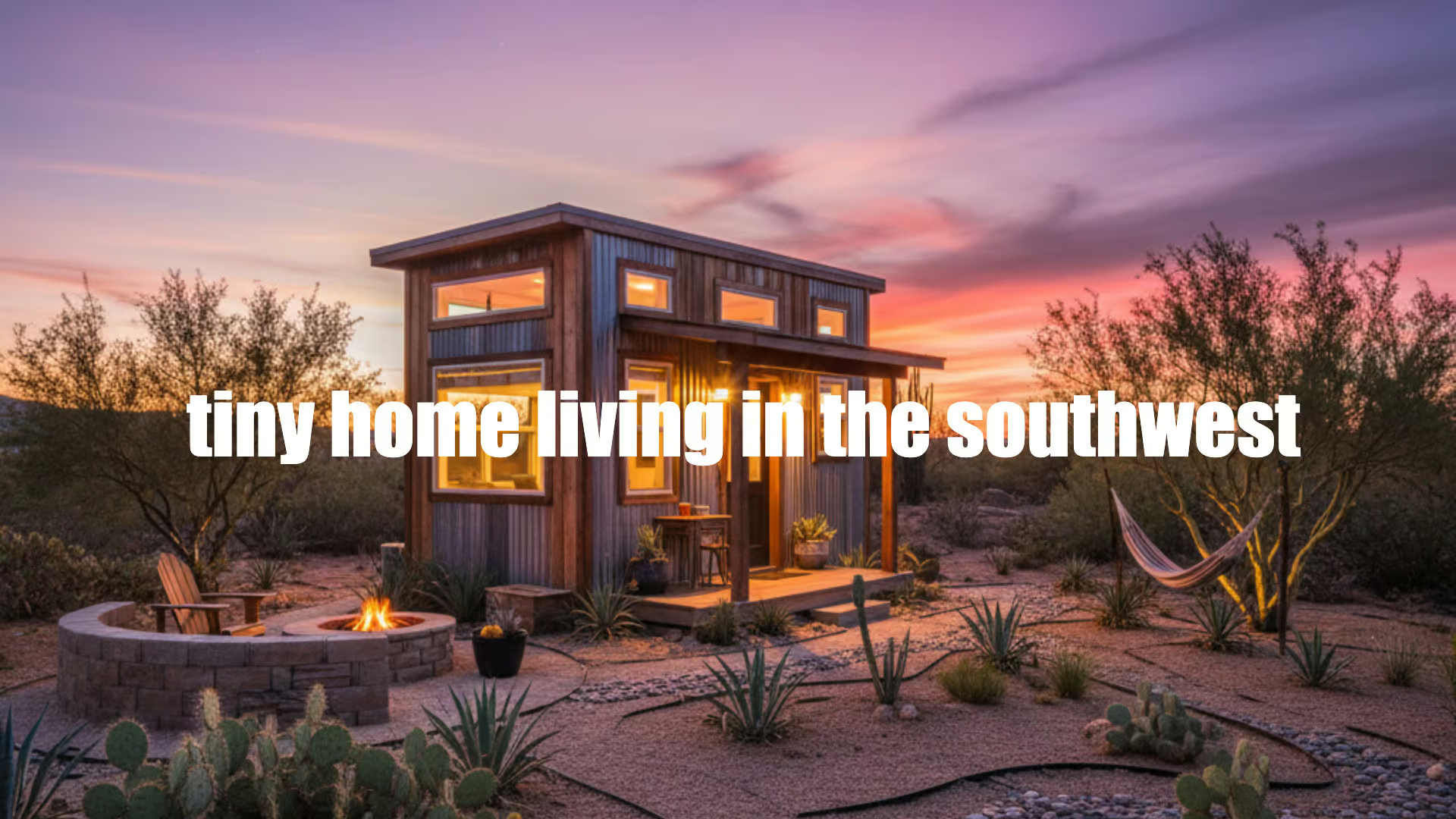
The Southwest United States offers an extraordinary canvas for tiny home living in the southwest, where vast desert landscapes meet stunning mountain ranges and year-round sunshine creates the perfect backdrop for sustainable living. From Arizona’s Sonoran Desert to New Mexico’s high plains, Nevada’s rugged terrain to Utah’s red rock country, we’ve witnessed a remarkable surge in tiny home enthusiasts choosing this region for their minimalist lifestyle journey.
Tiny home living represents more than just downsizing – it’s a conscious choice toward affordable housing, environmental responsibility, and lifestyle freedom. The movement has gained tremendous momentum as people seek alternatives to traditional homeownership, driven by rising housing costs and a growing desire for sustainable living practices. The Southwest’s unique advantages make it particularly appealing: mild winters, abundant sunshine for solar power, diverse terrain for different lifestyle preferences, and generally more permissive zoning laws.
At Great Lakes Tiny Homes, we understand the unique appeal of tiny home living in the southwest. As a full-service manufacturer of modular and park model tiny homes, we deliver turnkey builds to all 48 lower U.S. states, offering both wheeled and foundation options with or without RVIA certification. Our park models with RVIA certification are particularly popular in the Southwest’s many RV-friendly communities. Whether you’re drawn to Arizona’s best tiny home communities or exploring what counties in Nevada allow tiny houses, we’re here to help make your southwestern tiny home dreams a reality. Contact us to learn more about our customizable options.
Throughout this comprehensive guide, we’ll address the most pressing questions about tiny home living in the southwest: Is tiny home living feasible in this region? What are the specific regulations across southwestern states? Which communities offer the best amenities and lifestyle fit? We’ll provide detailed regulatory guidance, transparent cost breakdowns, and insider knowledge about the region’s top tiny home communities.
The Benefits of Tiny Home Living in the Southwest
The Southwest offers unparalleled advantages for tiny home living, combining natural beauty with practical benefits that make this region ideal for embracing a minimalist lifestyle. We’ve identified the key benefits that draw people to tiny home living in the southwest:
- Financial Freedom: Tiny homes in the Southwest typically cost 60-80% less than traditional housing. With median home prices exceeding $400,000 in many southwestern cities, our modular tiny homes starting around $100,000 provide significant savings on both purchase price and ongoing expenses like utilities, maintenance, and property taxes.
- Environmental Sustainability: The Southwest’s eco-conscious communities embrace tiny homes as eco-friendly housing solutions. Reduced energy consumption, smaller carbon footprints, and the ability to incorporate solar power systems align perfectly with the region’s environmental values and abundant sunshine.
- Climate Advantages: Year-round mild weather eliminates many challenges faced by tiny home dwellers in harsher climates. Minimal heating costs, extended outdoor living seasons, and reduced weather-related maintenance make the Southwest ideal for tiny home living.
- Lifestyle Freedom and Mobility: The Southwest’s diverse landscapes allow tiny home owners to experience different environments while maintaining their home base. Many southwestern states offer more flexible zoning for tiny homes on wheels, providing greater location options.
- Community and Wellness: Access to outdoor recreation, hiking trails, and natural wellness opportunities supports the minimalist lifestyle philosophy. The region’s many tiny home communities foster connections among like-minded individuals pursuing intentional living.
- Lower Utility Costs: Abundant sunshine makes solar power highly effective, while mild winters significantly reduce heating expenses. Many tiny home owners in the Southwest achieve near-zero utility bills through efficient design and renewable energy systems.
Navigating Tiny Home Regulations in the Southwest
Understanding tiny home regulations across the Southwest requires navigating a complex landscape of state, county, and municipal laws. We’ve compiled comprehensive guidance to help you successfully navigate these requirements for tiny home living in the southwest.
State-Level Regulatory Overview
Each southwestern state approaches tiny home regulations differently. Arizona leads in tiny home-friendly policies, with recent legislation clarifying tiny homes as legitimate housing options. New Mexico allows tiny homes in many rural areas with minimal restrictions. Nevada and Utah have varying county-by-county approaches, while Colorado has embraced tiny homes in many municipalities.
RVIA Certification vs. Foundation Requirements
The choice between RVIA-certified park models and foundation-based tiny homes significantly impacts regulatory compliance. RVIA-certified units are treated as recreational vehicles, allowing placement in RV parks and many private properties. Foundation-based tiny homes must meet local building codes but offer more permanent housing options. Our team at Great Lakes Tiny Homes helps clients choose the right certification based on their intended location and lifestyle goals.
Permit Requirements by State
Arizona requires building permits for foundation-based tiny homes but allows RVIA units in designated areas. What counties in Arizona allow tiny houses varies significantly, with rural counties generally more permissive. New Mexico’s rural areas often require only septic and well permits for tiny homes. Nevada and Utah require careful research of local zoning ordinances, as regulations vary dramatically between counties.
Common Regulatory Pitfalls
We’ve identified frequent compliance issues that can derail tiny home projects. Setback requirements often catch new owners off-guard, as many areas require specific distances from property lines. Utility connections must meet local codes, particularly for electrical and septic systems. Some areas restrict tiny homes to specific zones or require them as accessory dwelling units only.
Top Tiny Home Communities in the Southwest
The Southwest hosts some of the nation’s most desirable tiny home communities, offering diverse lifestyle options from desert retreats to mountain hideaways. We’ve curated the top communities based on amenities, regulations, and overall quality of life for tiny home living in the southwest.
Arizona Communities
Tiny House Siesta in Sahuarita offers a premier tiny home community experience with full hookups, community gardens, and stunning desert views. The community welcomes both RVIA-certified and custom tiny homes, making it perfect for our modular builds.
Escalante Village near Durango provides a unique tiny home community focused on sustainable living and community connection. The development includes shared spaces, workshops, and access to outdoor recreation.
New Mexico Options
Earthship Biotecture near Taos represents innovative sustainable living, though not exclusively tiny homes. The community embraces alternative housing and off-grid living, welcoming tiny home enthusiasts seeking environmental sustainability.
Las Cruces Tiny Home Village offers affordable tiny home living with community amenities and proximity to urban conveniences while maintaining a small-town feel.
Nevada and Utah Communities
Tiny House Block in Las Vegas provides urban tiny home living with full amenities and community events. The location offers access to city conveniences while maintaining the tiny home lifestyle.
Moab Tiny Home Community in Utah combines stunning red rock scenery with outdoor recreation access, perfect for adventure-seeking tiny home dwellers.
Costs and Financing Options for Tiny Homes in the Southwest
Understanding the complete financial picture of tiny home living in the southwest helps potential owners make informed decisions. We provide transparent cost breakdowns and financing guidance based on our extensive experience in the region.
Build Costs
Our modular tiny homes typically range from $100,000 to $150,000, depending on size, features, and customization level. This includes high-quality construction, energy-efficient systems, and compliance with regional requirements. Southwestern builds often include enhanced insulation for desert climates and pre-wiring for solar systems.
Land and Community Costs
Lot rental in southwestern tiny home communities ranges from $300 to $800 monthly, depending on location and amenities. Private land purchase varies dramatically, from $20,000 for rural desert parcels to $100,000+ for mountain properties with utilities. RV park spaces typically cost $400-600 monthly for long-term stays.
Financing Options
We work with specialized lenders who understand tiny home financing. RV loans often provide the best rates for RVIA-certified units, with terms up to 20 years. Personal loans work for smaller builds, while some lenders offer tiny home-specific products. Our financing partnerships help clients secure competitive rates and favorable terms.
Total Ownership Costs
Monthly expenses for tiny home living in the southwest typically include:
- Loan payment: $500-800
- Lot rent/land costs: $300-800
- Utilities: $50-150 (often much lower with solar)
- Insurance: $50-100
- Maintenance: $100-200
Total monthly costs of $1,000-2,050 compare favorably to traditional housing costs in the Southwest, which often exceed $2,500-4,000 monthly.
How to Choose and Build Your Tiny Home in the Southwest
Successfully transitioning to tiny home living in the southwest requires careful planning and expert guidance. We’ve developed a comprehensive step-by-step approach to help you navigate this exciting journey.
Step 1: Assess Your Needs
Begin by evaluating your lifestyle requirements, including space needs, location preferences, and budget constraints. Consider whether you prefer desert, mountain, or urban environments within the Southwest. Determine if you need mobility (wheels) or prefer a permanent foundation. Factor in work requirements, family size, and long-term goals.
Step 2: Select Your Builder
Choosing the right builder is crucial for successful tiny home living in the southwest. Working with experienced professionals who understand the unique requirements of southwestern climates and regulations ensures your investment is protected. Great Lakes Tiny Homes brings extensive expertise in building quality tiny homes that meet regional regulations and climate demands.
Our understanding of local building codes across southwestern states, combined with our customization options and commitment to creating comfortable living spaces, makes us a trusted resource for your tiny home journey. We specialize in both RVIA-certified park models and foundation-based builds, allowing us to match your specific needs and location requirements. Schedule a consultation with our team to discuss your specific needs and explore how we can help bring your southwestern tiny home vision to life.
Step 3: Navigate Permits and Regulations
Work with local authorities early in the process to understand specific requirements for your chosen location. Obtain necessary permits before beginning construction or placement. Consider hiring local consultants familiar with regional regulations if building in areas with complex zoning requirements.
Step 4: Customize for Southwestern Climate
Southwestern tiny homes require specific adaptations for regional climate conditions. Enhanced insulation protects against temperature extremes, while efficient cooling systems manage summer heat. Solar panel pre-wiring takes advantage of abundant sunshine, and water conservation features address regional concerns. Our builds incorporate these regional considerations as standard features.
Step 5: Final Setup and Maintenance
Proper site preparation ensures long-term success. This includes utility connections, foundation or pad preparation, and landscaping considerations. Develop maintenance schedules appropriate for southwestern conditions, including HVAC system care and exterior protection against UV exposure and dust.
DIY vs. Professional Building
While DIY builds may seem cost-effective, professional construction offers significant advantages in the Southwest. Our factory-controlled environment ensures consistent quality despite weather conditions. Professional builds include warranties, regulatory compliance, and efficient construction timelines. The complexity of southwestern climate adaptations and varying local codes makes professional construction particularly valuable in this region. Explore our custom builds to see how professional construction can meet your specific needs.
Key Takeaways for Tiny Home Living in the Southwest
As we conclude our comprehensive guide to tiny home living in the southwest, we want to highlight the essential insights that will help you succeed in this exciting lifestyle transition:
- Climate Advantages: The Southwest’s year-round mild weather, abundant sunshine, and diverse landscapes create ideal conditions for tiny home living, offering both lifestyle benefits and practical advantages like reduced utility costs and extended outdoor living seasons.
- Regulatory Navigation: Success requires understanding state and local regulations, with RVIA certification often providing the most flexibility for placement options. Working with experienced builders familiar with southwestern requirements streamlines the approval process.
- Community Options: The region offers diverse tiny home communities from desert retreats to mountain hideaways, each providing unique amenities and lifestyle opportunities that cater to different preferences and budgets.
- Financial Benefits: Tiny home living in the southwest typically costs 60-80% less than traditional housing, with total monthly expenses often under $2,000 compared to $2,500-4,000 for conventional homes in the region.
- Sustainability Impact: The combination of energy-efficient tiny homes and the Southwest’s solar potential creates opportunities for near-zero utility bills and significantly reduced environmental footprints.
- Professional Guidance Value: The complexity of regional regulations, climate considerations, and quality construction requirements makes working with experienced builders like Great Lakes Tiny Homes a valuable investment in your success.
Great Lakes Tiny Homes stands as a valuable and trustworthy option for anyone exploring tiny home living in the southwest. Our experience delivering turnkey modular and park model homes across the lower 48 U.S. states, combined with our understanding of regional requirements and climate adaptations, makes us a practical and reliable choice for your southwestern tiny home journey. Book a call with our experts to discuss how we can help make your tiny home dreams a reality.
Frequently Asked Questions About Tiny Home Living in the Southwest
Is tiny home living legal in the Southwest?
Yes, tiny home living is legal throughout the Southwest, though regulations vary by state, county, and municipality. Arizona, New Mexico, Nevada, Utah, and Colorado all allow tiny homes under various circumstances. RVIA-certified park models generally have the most placement flexibility, while foundation-based tiny homes must comply with local building codes.
What’s the average cost of a tiny home in the Southwest?
Quality tiny homes in the Southwest typically range from $100,000 to $150,000 for professionally built modular units. Additional costs include land or community fees ($300-800 monthly), utilities ($50-150 monthly with solar potential), and insurance ($50-100 monthly). Total monthly costs usually range from $1,000-2,050, significantly less than traditional housing.
What are the best places to park a tiny home in the Southwest?
The Southwest offers numerous options including dedicated tiny home communities, RV parks accepting long-term residents, and private land. Popular communities include Tiny House Siesta in Arizona, Escalante Village in Colorado, and various developments in New Mexico and Utah. Rural areas often provide the most flexibility for private land placement.
Can I finance a tiny home in the Southwest?
Yes, several financing options exist for tiny homes in the Southwest. RV loans offer competitive rates for RVIA-certified units with terms up to 20 years. Personal loans work for smaller builds, while some lenders specialize in tiny home financing. We work with financing partners who understand tiny home lending and can help secure favorable terms.
How do I find tiny home communities in the Southwest?
Research online directories, contact local tiny home associations, and connect with builders familiar with the region. We maintain relationships with communities throughout the Southwest and can provide recommendations based on your lifestyle preferences and budget. Many communities welcome visitors for tours.
What’s the difference between tiny homes and RVs in the Southwest?
Tiny homes are built to residential standards with better insulation, higher-quality materials, and permanent fixtures, while RVs are designed for temporary use. Tiny homes offer superior comfort for full-time living, especially in the Southwest’s climate extremes. RVIA-certified tiny homes combine residential quality with RV placement flexibility.
How do tiny homes handle Southwest winters?
The Southwest’s mild winters make tiny home living comfortable year-round. Quality insulation and efficient heating systems easily handle occasional cold snaps. Many owners use minimal heating due to the region’s abundant sunshine and moderate temperatures.
How can Great Lakes Tiny Homes help with my Southwest tiny home project?
We provide comprehensive support from initial consultation through final delivery and setup. Our experience across all southwestern states helps navigate local regulations, while our modular construction ensures quality builds adapted to regional climate conditions. We offer both RVIA-certified and foundation options, customization for southwestern living, and ongoing support throughout your tiny home journey.