
Introduction to Tiny Home Living in Texas
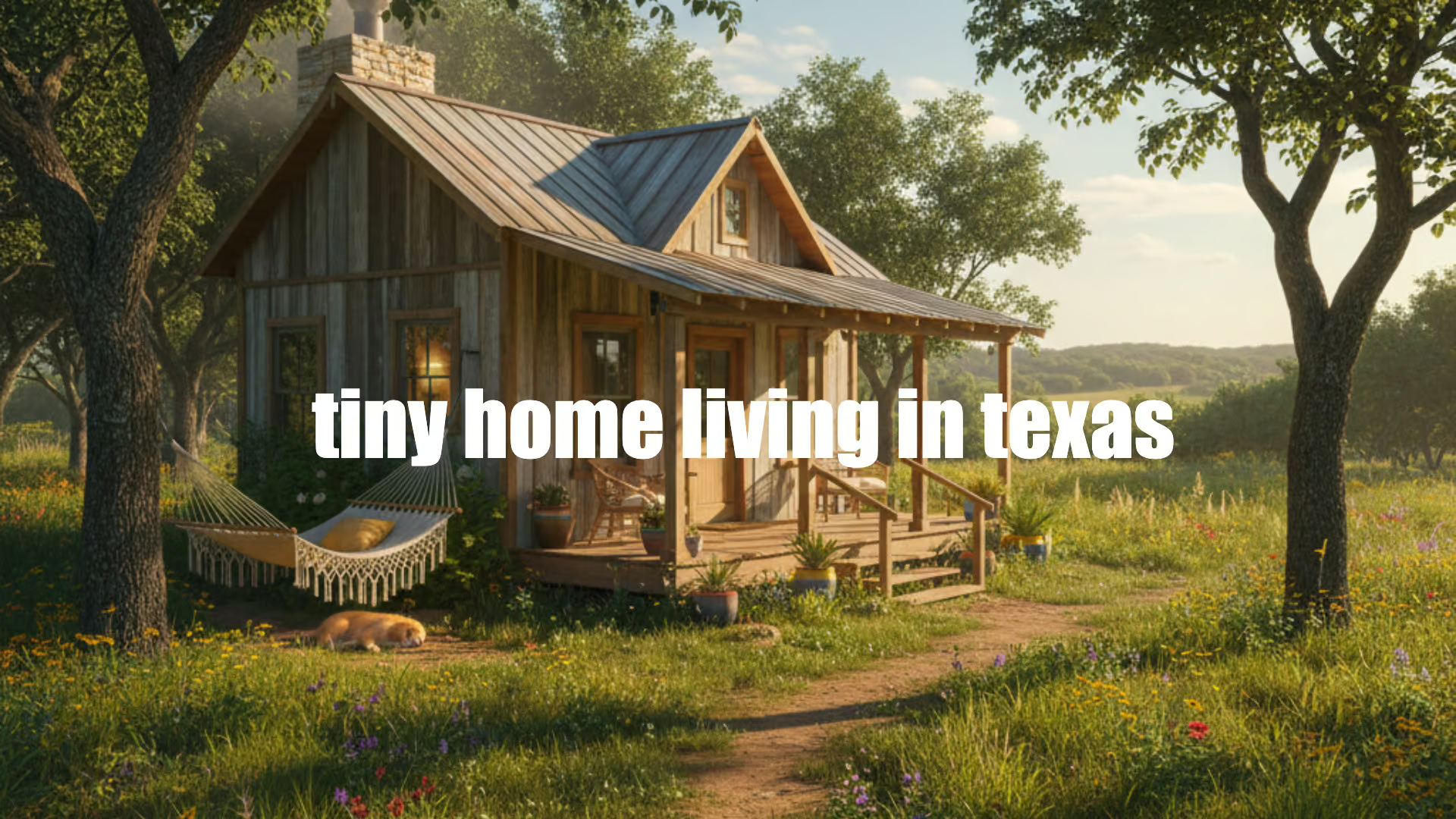
Tiny home living in Texas represents more than just a housing trend—it’s a lifestyle revolution capturing hearts across the Lone Star State. As housing costs soar and environmental consciousness grows, we’re witnessing an unprecedented shift toward sustainable living and affordable housing solutions that tiny homes uniquely provide.
Texas offers an exceptional backdrop for tiny home living, with diverse landscapes from rolling hill country to coastal plains, desert regions to pine forests. The state’s mild climate, abundant open spaces, and strong property rights culture create ideal conditions for those seeking freedom and flexibility through downsizing to a minimalist lifestyle.
At Great Lakes Tiny Homes, we understand the unique appeal of tiny home living in Texas. As a full-service manufacturer of modular and park model tiny homes, we deliver turnkey builds to all 48 lower U.S. states, including throughout Texas. Whether you’re interested in a home with wheels for mobility or a foundation-based model, and whether you need RVIA certification for park model living, we provide customized solutions that meet Texas regulations and your lifestyle needs. Contact us to learn how we can help make your Texas tiny home dreams reality.
This guide addresses pressing questions from prospective tiny home owners: Is tiny home living feasible in Texas? What are specific regulations and permit requirements? Where are the best communities? We’ll explore county-by-county regulations, showcase top communities, break down costs and financing options, and provide actionable steps for choosing and building your perfect tiny home in Texas.
The Benefits of Tiny Home Living in Texas
Texas offers unique advantages that make tiny home living particularly appealing. We’ve identified key benefits drawing people to embrace this lifestyle throughout the Lone Star State:
- Significant Financial Savings: With traditional home prices in major Texas cities reaching record highs, tiny homes offer substantial savings. We typically see 60-80% savings compared to conventional housing costs, allowing residents to redirect funds toward experiences, travel, or investments.
- Environmental Benefits: Texas leads the nation in renewable energy production, making it ideal for eco-friendly housing. Tiny homes naturally reduce energy consumption by 45-65%, and many clients incorporate solar panels to achieve near-zero energy costs in Texas’s abundant sunshine.
- Lifestyle Freedom and Mobility: Texas’s vast spaces and diverse regions mean tiny home owners can experience coastal living near Galveston, hill country charm around Austin, desert landscapes in West Texas, or forest settings in East Texas—all within the same state.
- Reduced Maintenance: Texas weather can be demanding on traditional homes. Tiny homes require significantly less maintenance, and our modular construction ensures durability against Texas weather while minimizing ongoing upkeep costs.
- Community and Wellness Benefits: The tiny home movement in Texas has fostered strong communities focused on sustainable living, shared resources, and outdoor activities. Many residents report improved mental health from simplified living and increased nature connection.
- Property Tax Advantages: Texas has no state income tax, and tiny homes often qualify for significantly lower property tax assessments, especially when classified as RVs or park models.
Navigating Tiny Home Regulations in Texas
Understanding Texas tiny home regulations requires navigating state guidelines, county ordinances, and municipal codes. We’ve helped numerous clients successfully navigate these requirements:
State-Level Framework: Texas follows the International Residential Code (IRC) with state-specific amendments. The Texas Department of Housing and Community Affairs oversees manufactured housing regulations, while the Texas Department of Motor Vehicles handles RV and park model certifications. Tiny homes can be classified as permanent structures (requiring foundation and building permits) or as RVs/park models (requiring RVIA certification).
RVIA Certification vs. Foundation-Based Builds: We offer both options to meet different regulatory requirements. RVIA-certified park models are treated as recreational vehicles and can be placed in RV parks, some residential areas, and designated tiny home communities. Foundation-based tiny homes must meet full residential building codes but offer more placement flexibility.
County-by-County Variations: Texas counties have significant autonomy in zoning decisions. Progressive counties like Travis (Austin), Harris (Houston), and Denton have embraced tiny home communities and developed specific ordinances. Rural counties often have fewer restrictions but may lack infrastructure. For specific guidance on what counties in Texas allow tiny houses, regulations vary dramatically between neighboring counties.
Common Permit Requirements: Most jurisdictions require electrical, plumbing, and mechanical permits regardless of tiny home type. Foundation-based homes need building permits and inspections. RVIA-certified units typically need placement permits and utility connections.
Zoning Considerations: Many Texas municipalities are updating zoning codes to accommodate tiny homes. Look for areas zoned for “Accessory Dwelling Units” (ADUs), mixed-use developments, or specific tiny home overlay districts. Cities like Austin have created pilot programs for tiny home communities.
Top Tiny Home Communities in Texas
Texas hosts some of the most innovative tiny home communities in the nation. We recommend the following based on amenities, community culture, and client experiences:
1. Community First! Village (Austin): This groundbreaking 51-acre community focuses on affordable housing and community support. The village includes tiny homes, RVs, and micro-homes with shared community spaces, gardens, and support services, showcasing innovative design and community planning.
2. Spur Freedom (Spur, West Texas): This unique community welcomes tiny homes, RVs, and alternative housing with minimal restrictions. Located in a small town that actively courts tiny home residents, Spur offers affordable land, basic utilities, and supportive local government.
3. Vintage Grace Wedding Venue & Tiny Home Community (Fredericksburg): Nestled in Texas Hill Country, this community combines tiny home living with event venue amenities. Residents enjoy access to beautiful grounds, event facilities, and charming Fredericksburg.
4. Tiny House Siesta (Dripping Springs): Located near Austin, this community offers tiny home rentals and sales opportunities. The development includes utilities, community gardens, and recreational facilities—excellent for experiencing tiny home living before purchasing.
5. WeeCasa Tiny House Resort (Lyra): While primarily a resort, WeeCasa offers long-term residency options and showcases various tiny home designs. Located in Colorado County, it provides peaceful rural setting with modern amenities.
For those exploring best tiny home communities in Texas, our modular tiny homes integrate seamlessly into these communities, meeting specific requirements while providing quality and customization clients expect.
Costs and Financing Options for Tiny Homes in Texas
Understanding true costs of tiny home living in Texas requires examining both upfront investments and ongoing expenses. We provide transparent pricing to help clients make informed decisions:
Build Costs: Our modular tiny homes typically range from $100,000 to $150,000, depending on size, features, and customization. This includes professional construction, quality materials, and code compliance. RVIA-certified park models often cost slightly more due to certification requirements but offer greater placement flexibility.
Land and Lot Fees in Texas:
- RV park spaces: $300-$800 per month depending on location and amenities
- Tiny home community lots: $200-$600 monthly rental, $15,000-$50,000 purchase
- Private land purchase: $2,000-$15,000 per acre in rural areas, higher near major cities
- ADU placement on family property: Minimal ongoing costs but may require utility upgrades
Financing Options: We work with financing partners to make tiny home ownership accessible:
- RV loans for RVIA-certified units: 10-20 year terms, 4-8% interest rates
- Personal loans: 5-7 year terms, higher rates but faster approval
- Construction loans converting to permanent financing for foundation-based homes
- Cash purchases: Many clients use proceeds from selling traditional homes
Total Ownership Costs: Tiny home living in Texas typically saves $1,000-$2,500 monthly compared to traditional housing. This includes lower utilities (average $50-150/month), minimal maintenance costs, reduced property taxes, and no HOA fees.
For those interested in available options, explore tiny houses for sale in Texas to understand current market offerings and pricing.
How to Choose and Build Your Tiny Home in Texas
Successfully transitioning to tiny home living in Texas requires careful planning and the right partners. We recommend following these essential steps:
Step 1: Assess Your Needs
Evaluate space requirements, lifestyle preferences, and long-term goals. Consider work-from-home needs, storage requirements, entertaining preferences, and whether you want mobility or permanent location. Texas’s diverse regions offer different lifestyle opportunities.
Step 2: Select an Experienced Builder
Choosing the right builder is crucial for navigating Texas’s regulatory environment and ensuring quality construction. Great Lakes Tiny Homes brings extensive expertise in building quality tiny homes that meet Texas regulations, from RVIA-certified park models to foundation-based custom builds.
Our understanding of local building codes, utility requirements, and community standards ensures your tiny home will be compliant and comfortable. We offer extensive customization options to create living spaces perfectly suited to Texas living. Schedule a consultation with our team to discuss your specific needs and explore how we can help bring your vision to life.
Step 3: Navigate Permits and Regulations
Work with your builder and local authorities to understand all permit requirements for your chosen location. This includes building permits, electrical and plumbing permits, septic or sewer connections, and special zoning approvals.
Step 4: Customize for Texas Climate
Texas weather demands specific design considerations. We incorporate enhanced insulation, efficient HVAC systems, storm-resistant construction, and proper ventilation. Solar panel preparation is popular given Texas’s abundant sunshine.
Step 5: Plan Final Setup
Consider utility connections, internet access, and ongoing maintenance requirements. Our custom builds are designed for minimal maintenance while maximizing comfort and efficiency.
If you’re looking for experienced tiny house builders in Texas, our turnkey approach eliminates complexity while ensuring code compliance and quality construction.
Key Takeaways for Tiny Home Living in Texas
As we conclude our comprehensive guide, here are essential points to remember:
- Texas offers ideal conditions for tiny home living with diverse landscapes, favorable climate, abundant space, and growing regulatory acceptance.
- Regulatory navigation is manageable with proper guidance—focus on understanding local zoning laws, permit requirements, and whether RVIA certification or foundation-based construction suits your needs.
- Multiple community options exist throughout Texas, from innovative urban developments to rural communities, each offering unique amenities and lifestyle opportunities.
- Significant cost savings are achievable with typical savings of $1,000-$2,500 monthly compared to traditional housing, plus reduced maintenance and lower utilities.
- Environmental and lifestyle benefits include reduced energy consumption, smaller environmental footprint, simplified living, and increased community connection.
- Professional construction ensures success by navigating complex regulations, meeting quality standards, and providing ongoing support.
Ready to start your tiny home journey in Texas? Great Lakes Tiny Homes offers the expertise and support needed to make your transition successful. With our experience in modular and park model construction, understanding of Texas regulations, and commitment to quality, we’re positioned to help you navigate this exciting lifestyle change. Contact our experts to discuss your specific needs and begin planning your Texas tiny home adventure.
Frequently Asked Questions About Tiny Home Living in Texas
Is tiny home living legal in Texas?
Yes, tiny home living is legal in Texas, but regulations vary by county and municipality. RVIA-certified tiny homes are generally accepted as RVs and can be placed in designated parks and communities. Foundation-based tiny homes must meet local building codes but offer more placement flexibility.
What’s the average cost of a tiny home in Texas?
Quality tiny homes in Texas typically range from $100,000 to $150,000 for professionally built, code-compliant homes. Additional costs include land or lot fees ($200-800 monthly for rentals), utilities setup, and permits. Total monthly costs are typically $1,000-2,500 less than traditional housing.
Where are the best places to park a tiny home in Texas?
Best locations depend on lifestyle preferences. Urban areas offer tiny home communities with amenities and job opportunities. Rural areas provide privacy and lower costs. Popular options include dedicated communities, RV parks welcoming long-term residents, private land purchases, and ADU placement on family property.
Can I finance a tiny home in Texas?
Yes, several financing options exist. RVIA-certified homes qualify for RV loans with 10-20 year terms and competitive rates. Personal loans, construction loans, and specialized tiny home financing are also available. We work with financing partners to help clients find the best options.
How do I find tiny home communities in Texas?
Research online directories, contact local builders, visit RV parks welcoming long-term residents, and connect with tiny home groups on social media. Many communities are developing rapidly, so staying connected helps identify new opportunities.
What’s the difference between tiny homes and RVs in Texas?
Tiny homes are built to higher construction standards with residential-grade materials, better insulation, and permanent fixtures. RVIA-certified tiny homes meet both RV and residential standards. Traditional RVs are designed for temporary use, while tiny homes are built for permanent living with superior comfort and durability.
How do tiny homes handle Texas weather?
Quality tiny homes are designed for Texas climate challenges. We incorporate enhanced insulation, efficient HVAC systems, storm-resistant construction, and proper ventilation. Many clients add solar panels to take advantage of Texas sunshine.