

Tiny house living embodies a minimalist philosophy that prioritizes meaningful experiences and strong relationships over accumulating material possessions. Residents in these compact homes demonstrate how a simpler lifestyle can lead to greater fulfillment and sustainability. As more people seek alternatives to traditional large homes, the appeal of tiny home communities continues to grow across the United States. These communities offer not just affordable housing but also a sense of belonging and shared values. With environmental concerns and economic pressures on the rise, tiny homes provide a practical solution for many seeking to downsize without sacrificing quality of life. This trend has inspired innovative living arrangements that blend community spirit with eco-friendly design.
In recent years, the shift toward tiny home communities has accelerated, driven by younger generations and retirees alike who value flexibility and reduced overhead costs. These neighborhoods foster connections among like-minded individuals, promoting a lifestyle that emphasizes less consumption and more connection to nature. From urban fringes to rural retreats, tiny home communities are popping up nationwide, each with unique features tailored to their locale. As zoning laws evolve to accommodate this movement, more opportunities arise for prospective residents to join these vibrant enclaves. Whether motivated by financial freedom or environmental stewardship, the tiny home lifestyle resonates with a diverse array of people looking to redefine home.
What Are Tiny Home Communities?
A tiny home community is a designated area where individuals can legally reside in compact dwellings, typically ranging from a handful of homes to over a hundred units. These communities vary in size and setting, from intimate clusters in bustling cities to expansive developments in rural landscapes. They provide the infrastructure and permissions needed for tiny homes, whether built on foundations or mounted on wheels. Residents enjoy shared amenities while maintaining personal space, creating a balance between independence and communal living. As the tiny home movement gains momentum, these communities serve as hubs for innovation in sustainable housing. With supportive zoning and community guidelines, they enable a lifestyle that minimizes environmental impact and maximizes social interaction.
Some tiny home communities integrate seamlessly into urban environments, offering easy access to city conveniences, while others embrace rural serenity with ample green spaces. The diversity in design reflects the varied needs of residents, from families to solo adventurers. Currently, over 50 such communities exist across America, with more emerging as states update their building codes to embrace this housing trend. This growth indicates a broader acceptance of alternative living options that challenge conventional notions of homeownership. In these settings, tiny homes on wheels can function like RVs, allowing for mobility, while permanent structures provide long-term stability. Ultimately, these communities foster a sense of solidarity among residents who share smaller ecological and financial footprints compared to traditional suburban living.
Where Can You Park Your Tiny House?
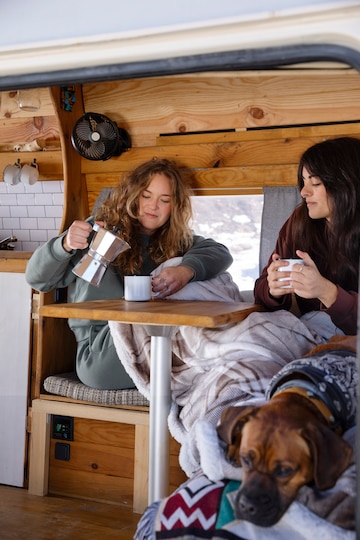
Finding the right spot for your tiny house requires strategic planning, open dialogue with local authorities, and a touch of persistence, but the rewards of a suitable location make the effort worthwhile. Navigating zoning regulations and community preferences can present challenges, yet numerous resources exist to guide your search. By exploring various options, from established parks to private arrangements, you can secure a place that aligns with your lifestyle goals. Understanding the distinctions between short-term and long-term parking options helps in making informed choices. With the tiny home movement’s expansion, more welcoming spots are becoming available nationwide. Starting with online tools and local networks can streamline the process and connect you with supportive communities.
My Tiny House Parking
My Tiny House Parking, part of the Tiny House Network, offers a user-friendly map-based platform listing private parking spots, farm-based sites, dedicated tiny home zones, and RV parks suitable for tiny dwellings. This resource simplifies the search by highlighting verified locations and providing direct contact information for owners. Users can filter options based on amenities like utilities, pet policies, and rental terms, ensuring a good fit for their needs. As a community-driven service, it also features user reviews and updates to keep listings current. For those new to tiny living, this tool serves as an essential starting point, reducing the guesswork in locating compliant and welcoming parking. Regularly updated with new additions, it reflects the ongoing growth in tiny home-friendly accommodations across the country.
Campgrounds, RV Parks, and National Parks
If your tiny home is certified by the Recreational Vehicle Industry Association (RVIA), it can typically be parked in any location that accommodates RVs, opening up a wide array of campgrounds, RV parks, and even certain national park sites. These venues provide essential hookups for water, electricity, and sewage, making them viable for tiny house setups. However, most enforce stay limits, such as 14 to 30 days, positioning them as excellent short-term solutions rather than permanent residences. Seasonal availability and reservation requirements add layers to planning, but they offer scenic backdrops and recreational opportunities. For tiny home owners seeking adventure, these spots allow exploration while testing different environments. As national parks update policies, more opportunities for eco-conscious tiny living emerge, blending travel with sustainable practices.
Tiny House Map
Tiny House Map connects landowners offering rental properties with tiny home builders and seekers of parking spots, creating a dynamic marketplace for this niche. Beyond rentals, it includes forums where users share building tips, local regulations, and networking opportunities to foster community growth. The platform’s interactive features allow for easy navigation by state or region, highlighting both urban and rural options. Contributors often post detailed descriptions, including utility access and community vibes, aiding informed decisions. As the tiny home scene evolves, this map stays relevant by incorporating user-submitted updates and emerging trends. It empowers individuals to find not just a spot, but a supportive network that enhances the tiny living experience.
Ultimately, the abundance of resources available today makes locating a parking spot more accessible than ever; thorough research into local laws ensures compliance and peace of mind. Combining multiple platforms increases your chances of discovering the perfect fit tailored to your preferences and requirements. Engaging with online communities can uncover hidden gems not listed on major sites. This multifaceted approach accounts for varying state regulations and personal needs, from full hookups to off-grid setups. With persistence, most tiny home owners successfully secure long-term arrangements that support their minimalist lifestyle.
Tiny House-Friendly Towns
Several U.S. cities and towns have proactively embraced tiny home living, often to revitalize declining populations or promote affordable housing initiatives. These locales update zoning ordinances to permit accessory dwelling units (ADUs) or dedicated tiny home districts, easing entry for residents. Spur, Texas, stands out as a pioneering example, initially offering free land to attract dwellers before refining its approach to sustainable growth. Other areas, like portions of Oregon and Colorado, integrate tiny homes into broader housing strategies to address shortages. Motivations vary, but common threads include economic development and environmental goals. Prospective residents benefit from researching municipal websites for the latest incentives and guidelines.
Online Classifieds
Platforms like Craigslist, Facebook Marketplace, and eBay Classifieds frequently list short- or long-term parking opportunities for tiny homes, often posted by homeowners with extra space in driveways or backyards. These listings detail availability, hookup options, and rental rates, allowing direct negotiations with property owners. Local regulations must be verified, as some areas restrict overnight parking or require permits for extended stays. Joining tiny home-focused Facebook groups or attending meetups can reveal unadvertised spots through personal recommendations. This grassroots method builds connections and uncovers flexible arrangements not found on formal sites. As digital marketplaces evolve, they remain vital for discovering affordable, community-oriented parking solutions.
Participating in online forums and events not only aids in finding parking but also enriches your understanding of tiny living challenges and triumphs shared by others. Networking often leads to collaborations, such as shared land use or group purchases of utilities. This social aspect transforms the search from a solitary task into a communal endeavor. With millions of users, these platforms ensure a steady stream of opportunities, adaptable to various budgets and locations.
Tiny House Hosting
The Facebook group Tiny House Hosting bridges the gap between landowners and tiny home residents by facilitating posts about available properties, complete with details on location, lease terms, utility hookups, and photos. Members categorize listings for clarity, such as LFS for land for sale, LFR for land for rent, LW for land wanted, THR for tiny homes for rent, and CO for community opportunities. This structured approach streamlines browsing and matching needs with offerings. The group thrives on community trust, with users sharing experiences to guide newcomers. As a free resource, it democratizes access to tiny living options across diverse regions. Regular engagement keeps participants informed of new developments and best practices.
- Land for sale: LFS
- Land for rent: LFR
- Land wanted: LW
- Tiny Home For Rent: THR
- Community Opportunity: CO
Rural or Disguised Locations
For discreet tiny homes under 400 square feet, rural or low-visibility urban edges offer viable options where enforcement is lax, allowing long-term residency without frequent scrutiny. Code violations typically stem from neighbor complaints, so maintaining good relations and blending in can prevent issues. Some owners successfully place multiple units on acreage in restricted zones, sustaining them for years through low profiles. Rural counties often lack stringent building departments, providing flexibility for custom builds. However, verifying property taxes and access to services remains crucial for sustainability. This approach suits those prioritizing privacy and self-sufficiency in their tiny home journey.
Towns with Fewer Rules
Many rural American areas and small towns impose minimal or no restrictions on construction, enabling tiny homes without extensive permitting processes. Proximity to cities like Chattanooga, Tennessee, or Asheville, North Carolina, allows access to urban amenities while enjoying regulatory leniency just beyond city limits. Certain counties operate without dedicated building departments, streamlining approvals for alternative structures. This environment encourages experimentation with off-grid features and eco-designs. As awareness grows, these locales attract tiny home enthusiasts seeking hassle-free setups. Researching county records ensures alignment with any subtle ordinances that may apply.
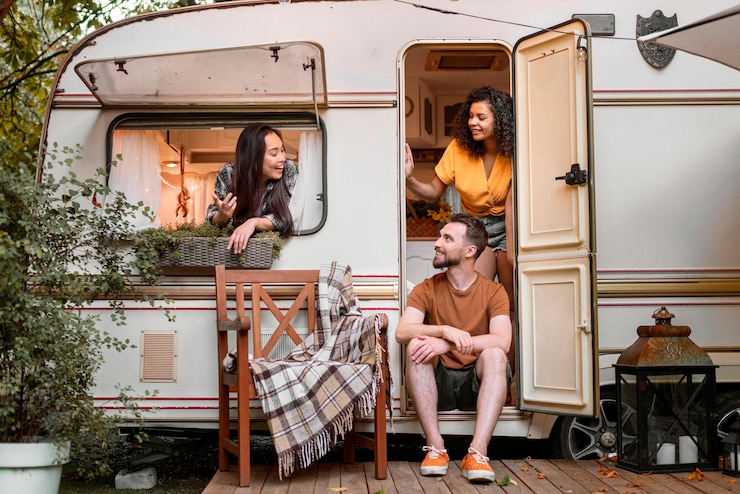
Best Tiny House Communities In America
Sequoia National Park
Lemon Cove Village, nestled in the Sierra Nevada foothills near California’s Sequoia National Park, allows lot purchases for custom tiny home builds in a welcoming RV- and tiny house-friendly environment. Monthly fees range from $450 to $595, covering access to amenities like a community garden, laundromat, and dog park, mimicking urban conveniences in a rural setting. During construction, discounted rents ease the transition for new owners. The community also offers a few pre-built tiny homes for sale and accepts renovated trailers, catering to various budgets. Surrounded by natural beauty, it appeals to nature lovers seeking sustainable living close to hiking trails and wildlife. Ongoing community events strengthen bonds among residents committed to eco-conscious lifestyles.
This location’s proximity to national parks provides endless outdoor recreation, from exploring ancient sequoias to stargazing in clear skies. Utilities and high-speed internet ensure modern comforts without compromising the minimalist ethos. As one of the established tiny communities, it sets a standard for balanced living that integrates convenience with conservation. Prospective buyers appreciate the transparent pricing and supportive management. With California’s evolving housing policies, such villages represent the future of accessible, low-impact residences.
Orlando Lakefront
Orlando Lakefront at College Park pioneered the RV and tiny home community model in 2015, transforming a rundown 1950s RV park into a modern, vibrant village that buzzes with active residents’ energy. Perched on Lake Fairview, just 10 minutes from downtown Orlando, Florida, it offers scenic views and quick access to urban attractions. A popular restaurant across the lake is reachable by boat, enhancing the recreational appeal for locals and visitors alike. Though currently at capacity, a $200 waitlist fee secures your spot for future openings. The community’s layout promotes walkability and social interaction, fostering a lively atmosphere. Updated facilities, including upgraded utilities and communal spaces, reflect ongoing investments in resident satisfaction.
Residents enjoy water-based activities like kayaking and fishing, complementing the tiny home lifestyle’s emphasis on experiences over possessions. Proximity to theme parks and cultural sites makes it ideal for families and adventurers. As Florida’s housing market tightens, this community provides an affordable alternative with resort-like perks. Management’s vision continues to evolve, incorporating feedback to maintain its status as a top tiny home destination. For those drawn to a blend of city excitement and lakeside tranquility, Orlando Lakefront exemplifies innovative community design.
Tiny Tranquility
Situated in the Pacific Northwest, Tiny Tranquility offers a serene tiny home community with direct beach access, a BBQ area, fitness center, community gardens, and shared buildings for larger gatherings. This setup encourages outdoor living and communal activities, aligning with the region’s emphasis on wellness and nature. Rental units provide an accessible entry point for those testing tiny living without full commitment, with options varying in size and features. The community’s design prioritizes sustainability, incorporating solar panels and native landscaping to minimize environmental impact. Pet-friendly policies and inclusive events create a welcoming vibe for diverse residents. As demand grows in this picturesque area, availability remains competitive, rewarding early inquiries.
Renting allows flexibility to experience seasonal changes, from misty coastal mornings to vibrant summer festivals. Nearby trails and markets enhance daily life, promoting a balanced routine. This community stands out for its holistic approach, supporting mental and physical health through integrated amenities. For Pacific Northwest enthusiasts, it captures the essence of relaxed, eco-focused living. Long-term leases offer stability for those ready to settle into this idyllic setting.
Cedar Springs Tiny Village
As Ohio’s inaugural tiny home community, Cedar Springs Tiny Village lies about an hour from Columbus and Indianapolis, trading urban hustle for tranquil lake views and peaceful surroundings. Tailored for tiny homes on wheels, it provides full hookups for under $500 monthly, making it an economical choice for mobile dwellers. Dog owners appreciate the extensive walking paths that wind through wooded areas, promoting exercise and exploration. Year-round activities abound, including summer farmers’ markets, winter tubing, and lake access for fishing or scuba diving at the adjacent resort’s pool. This central location balances seclusion with accessibility to major cities’ amenities. Community governance ensures maintenance of shared spaces, enhancing overall livability.
The village’s establishment marked a milestone for Midwest tiny living, inspiring similar projects in neighboring states. Residents often highlight the strong sense of camaraderie formed through casual lakeside gatherings. Affordable entry and low ongoing costs appeal to budget-conscious individuals. With Ohio’s supportive stance on alternative housing, Cedar Springs continues to thrive as a model for regional communities. Its natural setting provides a restorative backdrop for those embracing simplicity.
Seasonal events, like harvest festivals, keep the calendar engaging, while proximity to cultural hubs offers weekend escapes. This blend of rural charm and convenience defines its enduring popularity.
Sprout Tiny Homes
Sprout Tiny Homes manages two ambitious tiny home village projects in Colorado, starting with developments in La Junta and expanding to larger scales. The flagship in Salida, dubbed the “heart of the Rockies,” aims to be America’s largest tiny neighborhood with 200 rental units from 260 to 760 square feet, ideal for retirees and seasonal residents. Nestled in mountainous terrain, it emphasizes energy-efficient designs and communal facilities to support off-grid elements. The second project in Walsenburg features 33 micro-homes starting at $60,000, targeting first-time buyers with customizable options. Both initiatives prioritize affordability and sustainability, aligning with Colorado’s progressive housing policies. Construction progress reflects growing investor confidence in tiny communities’ viability.
Salida’s project includes trails, gardens, and wellness centers, fostering a holistic living experience amid stunning vistas. Walsenburg’s smaller scale allows for intimate community dynamics with shared resources. These developments address housing shortages by offering scalable solutions. Sprout’s expertise ensures high-quality builds that withstand Rocky Mountain weather. As completion nears, they promise to redefine tiny living in high-altitude regions.
Prospective residents can tour models to envision their space, with financing partnerships easing purchases. The focus on community input shapes amenities to meet real needs.
The Sanctuary Minnesota
The Sanctuary in Ogilvie, Minnesota, an adults-only retreat north of Minneapolis, spans 80 acres of forested trails and natural beauty, promoting quiet reflection and outdoor pursuits. Minimum six-month rentals ensure committed residency, with some pet restrictions to maintain harmony. Off-grid features like rainwater harvesting and composting toilets highlight its rural ethos, supplemented by a shared building with full bathrooms and laundry. Power hookups provide basic needs, while the expansive grounds encourage hiking and wildlife observation. This setup appeals to those seeking disconnection from urban stress in a supportive environment. Community rules emphasize respect for nature and neighbors, cultivating a peaceful atmosphere.
Winter activities, such as snowshoeing, complement summer foraging in community gardens. The sanctuary’s isolation offers therapeutic solitude, balanced by occasional group events. As Minnesota’s tiny home scene matures, it exemplifies eco-resort-style living. Long-term residents value the sustainable practices that reduce costs and carbon footprints. Access to nearby lakes adds recreational variety year-round.
Lake Walk Community
Lake Walk Community in Greer, South Carolina, near picturesque Lake Cunningham, accommodates parking for tiny homes on wheels or rentals of compact units, with nearby mountains offering hiking and biking trails. A community center and fire pits facilitate neighborly interactions, building lasting connections in a relaxed setting. Purchasing a home here costs under $100,000, providing value in a scenic locale, while rentals require at least six months for stability. Full utilities and maintenance services ensure hassle-free living. The community’s layout promotes walkability to the lake for boating or picnics. As South Carolina warms to alternative housing, Lake Walk gains traction among Southern tiny home seekers.
Seasonal lake events and trail access enhance leisure options, appealing to active lifestyles. Proximity to Greenville’s dining and shopping adds convenience without urban density. This blend of nature and community defines its charm. Management’s focus on inclusivity welcomes diverse backgrounds. For those envisioning lakeside simplicity, it delivers on promise.
Extended rentals allow trial periods to assess fit, with options for upgrades like deck additions.
Best Practices For Living In A Tiny Home Community
Each tiny home community operates under specific guidelines to ensure harmony and sustainability, so familiarizing yourself with them is key to a smooth integration into the movement. Adhering to these practices not only avoids conflicts but also enriches the collective experience. From respecting shared spaces to embracing communal values, thoughtful participation strengthens the fabric of these neighborhoods. As communities evolve, best practices adapt to include modern considerations like remote work setups and green initiatives. Proactive engagement with rules sets a positive tone for your tiny living adventure. Ultimately, these habits contribute to the movement’s reputation for responsible, joyful living.
Be A Good Citizen and Neighbor
Regardless of your parking choice, prioritizing neighborly conduct is essential, as code enforcement often triggers from complaints, underscoring the importance of positive relations. Introduce yourself early and share your tiny home plans to preempt misunderstandings and build rapport. Transparent communication, such as notifying about construction noise or gatherings, fosters trust and cooperation. Participating in community cleanups or events demonstrates commitment to shared spaces. In close-knit settings, small gestures like sharing garden produce can create lasting bonds. This approach not only prevents issues but enhances the supportive network vital to tiny living.
Over time, being a reliable neighbor yields reciprocal benefits, from advice on local vendors to emergency assistance. In diverse communities, cultural sensitivity amplifies harmony. Consistent respect for quiet hours and property boundaries maintains peace. As the movement grows, exemplary citizenship inspires broader acceptance of tiny homes.
Research the Rules
Thoroughly investigate community regulations by consulting management, neighbors, or official documents to avoid surprises, such as pet restrictions that could affect your plans. Understanding nuances like waste disposal or vehicle parking ensures compliance from day one. Local zoning variations influence everything from home modifications to guest policies. Online resources and resident forums provide insights into unwritten norms. This diligence safeguards your investment and integration. As rules update with state laws, staying informed keeps your setup current and viable.
Avoid Being Aggressive
When interacting with officials inquiring about your tiny home, maintain a polite and cooperative demeanor to de-escalate potential tensions, recognizing their role as duty-bound enforcers rather than adversaries. Respond calmly to questions, presenting rental agreements or ownership papers readily to demonstrate legitimacy. A friendly approach often leads to leniency or helpful guidance on compliance. Documenting interactions protects your interests while showing respect for processes. In rare escalations, seeking legal advice from tiny home advocacy groups can clarify rights. This strategy preserves goodwill and supports the movement’s positive image.
Building alliances with local authorities through community involvement can preempt inspections. Patience in resolutions reflects the minimalist ethos of non-confrontation. Over time, constructive dialogues influence favorable policy changes.
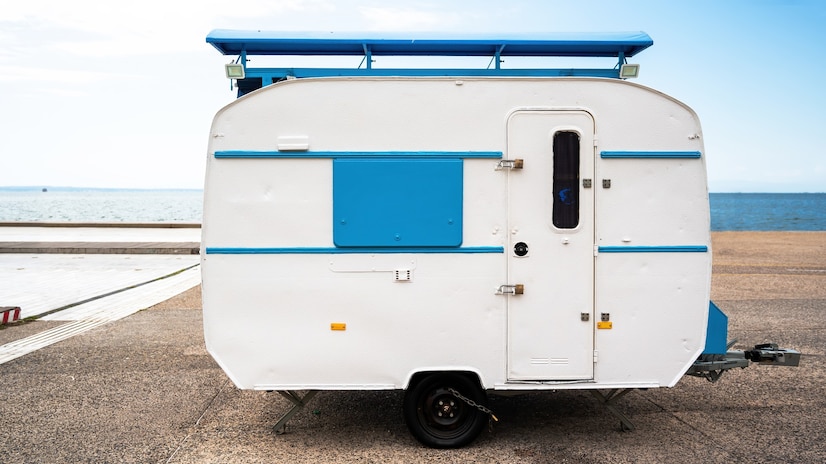
FAQ
Q: Are Tiny Homes Difficult to Move Around?
A: Tiny homes, especially those on wheels, are designed for mobility and are not inherently difficult to relocate with proper planning. Larger models may require specialized towing equipment like gooseneck trailers for stability during transport. Professional movers experienced in tiny homes handle logistics, including route scouting and permit acquisition, to ensure safe journeys. Factors like weight distribution and road conditions influence ease, but many owners move annually without major issues. Consulting RV transport services can simplify the process for infrequent relocations. As infrastructure improves for alternative vehicles, moving becomes even more straightforward.
Q: Are Tiny Homes Adaptable for Children?
A: Tiny homes can adapt well to family life with children, though space constraints demand creative organization and minimalism. Generations have thrived in small dwellings by focusing on shared spaces and outdoor activities rather than material accumulation. Multifunctional furniture, like loft beds and storage ottomans, maximizes utility in compact layouts. Parental approaches emphasizing experiences over possessions help children embrace the lifestyle. Community playgrounds and nearby parks extend living areas beyond walls. With thoughtful design, tiny homes foster close family bonds in nurturing environments.
Q: Are Tiny Homes Communities Illegal Anywhere?
A: While most U.S. states increasingly support tiny home communities through updated codes, about 20 remain challenging, including New York and Connecticut, due to strict zoning and minimum size requirements. Researching state-specific appendices to building codes reveals varying degrees of permissiveness. Advocacy groups track legislative progress, with many restrictive areas easing rules amid housing crises. Coastal and urban zones often pose more hurdles than rural ones. Before relocating, verify local ordinances via municipal sites or legal experts. The national trend favors accommodation, promising broader legality soon.
The Wrap-Up
With tiny home communities proliferating nationwide, the timing is ideal to embrace this transformative movement, whether in desert landscapes, mountain retreats, or metropolitan edges. Each offers tailored charms that align with diverse preferences, from adventure-filled days to serene evenings. This guide aims to equip you with insights for your journey, highlighting pathways to sustainable, joyful living. As laws and innovations advance, opportunities expand for all. Explore, connect, and discover the community that resonates with your vision. Best wishes on embarking into tiny home bliss!