
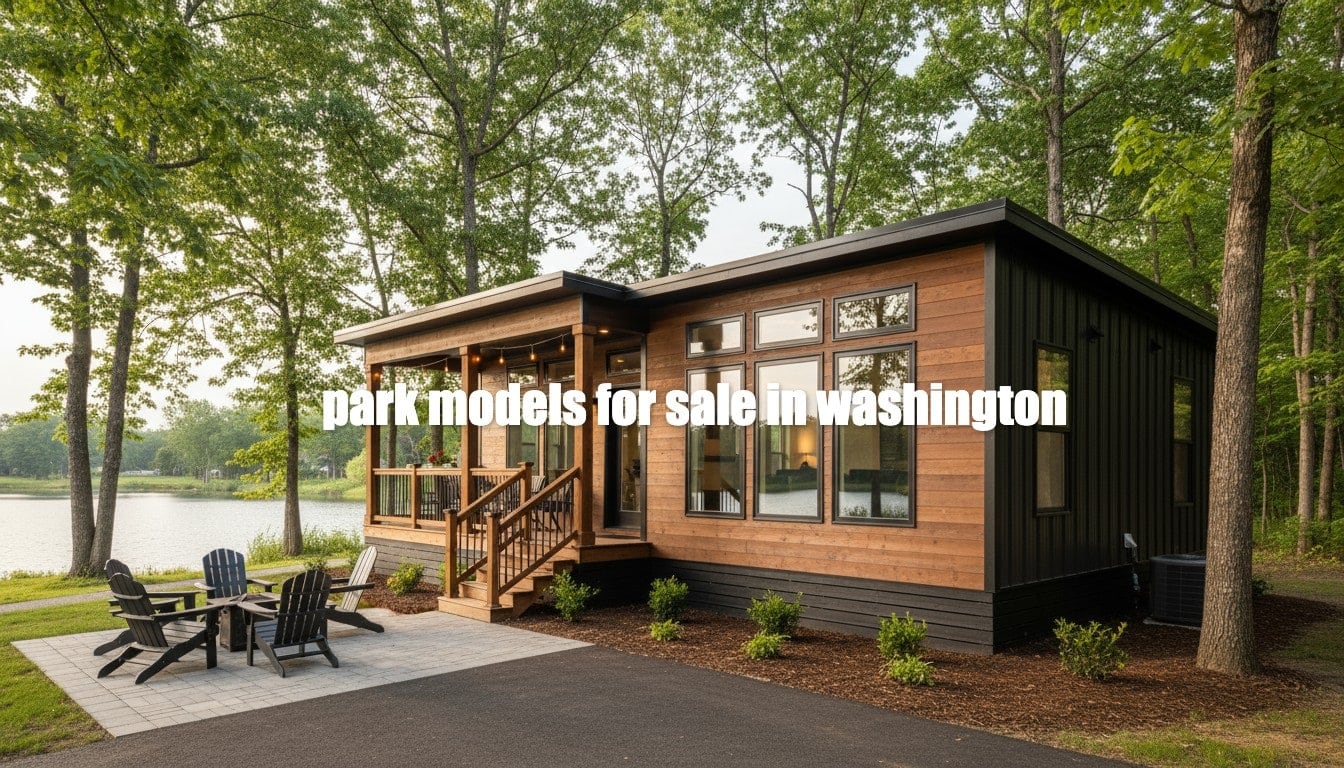
We’re excited to share our guide to park models for sale in Washington, where compact living meets the Pacific Northwest’s stunning natural beauty. Park models are small, mobile recreational units typically under 400 square feet that offer comfortable, efficient living. These homes have become increasingly popular throughout Washington as an affordable housing alternative, vacation retreat, and smart rental investment opportunity.
At Great Lakes Tiny Homes, we understand the appeal of simplified, intentional living in compact spaces. Our experience in the tiny home industry has shown us that Washington residents are increasingly seeking alternatives to traditional housing—whether for full-time living, seasonal getaways, or investment properties. We’ve seen firsthand how park models can provide the quality, comfort, and functionality that modern homeowners demand, all within a footprint that makes them accessible and affordable.
What Are Park Models? Understanding These Compact Homes
We want to ensure you have a clear understanding of what park model homes are and how they differ from other housing options. Park models are recreational vehicles (RVs) designed for temporary accommodation, typically measuring 400 square feet or less. Unlike traditional RVs built for frequent travel, park models are designed to be transported to a location and then remain stationary for extended periods.
Park model homes are built to ANSI A119.5 standards, which governs recreational park trailers. This is a crucial distinction from manufactured homes, which are built to HUD code. Because park models are classified as RVs rather than permanent structures, they offer different regulatory and tax advantages.
The typical park model features a well-designed floor plan that maximizes every square foot of space. Most models include a full kitchen with standard appliances, a bathroom with shower or tub, a living area, and one or two bedrooms or sleeping lofts. Despite their compact size, quality park models offer amenities comparable to traditional homes.
In Washington’s climate, park models are built to withstand our wet winters and warm summers. Quality manufacturers use weather-resistant materials, proper insulation, and durable exterior finishes that hold up well to our Pacific Northwest conditions. With proper maintenance, a well-built park model can provide comfortable living for decades.
Benefits of Owning a Park Model Home in Washington
We’ve identified numerous compelling benefits to owning a park model home in Washington that make these compact dwellings an attractive option for a wide range of buyers.
Affordability Compared to Traditional Housing: With Washington’s median home prices continuing to rise, especially in the Seattle metro area, park models offer an accessible entry point to homeownership. We’re talking about homes that typically cost between $50,000 and $150,000, compared to traditional homes that often exceed $500,000 in many Washington markets.
Lower Maintenance Costs: The compact size of park models means significantly reduced maintenance expenses. We spend less on heating and cooling, repairs are more manageable, and the smaller footprint means less exterior maintenance.
Reduced Environmental Footprint: For environmentally-conscious Washington residents, park models offer a way to minimize our impact. These homes require fewer materials to build, consume less energy to heat and cool, and encourage a lifestyle that naturally reduces consumption and waste.
Flexibility in Location: Park models can be placed in RV parks, campgrounds, or on private property with proper zoning. This flexibility allows us to live in desirable Washington locations—from beachfront communities to mountain retreats—that might otherwise be financially out of reach.
Rental Income Potential: Washington’s thriving tourism industry creates excellent opportunities for park model rental income. Whether placed near popular destinations like the San Juan Islands, Mount Rainier, or the Columbia River Gorge, park models can generate substantial revenue through platforms like Airbnb and VRBO.
Simplified Lifestyle: Living in a park model naturally encourages us to simplify our lives, reduce clutter, and focus on experiences rather than possessions. Many Washington residents find this lifestyle shift refreshing and liberating.
Popular Park Model Types
We’re proud to showcase the stunning collection of park models available from Great Lakes Tiny Homes, each designed to suit different lifestyles and preferences.
A-Frame Luxe: Our A-Frame Luxe measures 14′ x 43′ and represents the most substantial model in our A-Frame collection. This park model combines distinctive style with exceptional functionality, making it ideal as a full-time residence, vacation getaway, or rental property.
Nova: The Nova is our modern 1 bedroom/1 bathroom park model featuring sleek metal siding with cedar accents and a distinctive single-sided roof design. We’ve created a contemporary aesthetic with painted birch plywood walls, quartz countertops, and a large U-shaped kitchen that maximizes functionality.
Twilight: Our Twilight model offers 396 square feet with 2 bedrooms and 1 bathroom, featuring metal siding with beautiful cedar accents. The bedrooms are positioned on opposite ends of the home, making it perfect for small families or hosting guests.
Grizzly: The Grizzly is our longest and most roomy park model at 388 square feet with 1 bedroom and 1 bathroom. We’ve included a full kitchen, spacious living area, and an impressive 8-foot porch that’s ideal for hosting guests or enjoying Washington sunsets.
Firefly: Our Firefly model delivers authentic cabin charm with 396 square feet, 2 bedrooms, and 1 bathroom. We’ve crafted this home with half log siding and a metal roof for that classic cabin look, while the interior features rustic tongue and groove pine walls and ceiling.
Aspen: The Aspen measures 12′ x 26′ (278 square feet) and includes 1 bedroom plus loft and 1 bathroom. This model has become popular as a seasonal Airbnb rental in Washington’s tourist destinations.
We invite you to explore our park models in detail and discover which design best fits your Washington lifestyle and dreams.
Best Locations for Park Models in Washington
We’ve explored Washington extensively and identified the most popular and suitable locations for park model homes throughout our diverse state.
Puget Sound and Coastal Communities: The Puget Sound region offers numerous RV resorts and parks that welcome park models. Areas like Whidbey Island, the San Juan Islands, and communities along Hood Canal provide stunning waterfront settings. Coastal locations typically charge lot rental fees ranging from $500 to $1,200 per month, depending on amenities and proximity to the water.
Cascade Mountain Region: Mountain communities near Leavenworth, Cle Elum, and along the Mountain Loop Highway offer excellent park model opportunities. We love these locations for their four-season recreation access and stunning alpine scenery. Lot costs in mountain areas typically range from $400 to $800 monthly.
Columbia River Gorge: The Gorge area, including communities near Stevenson and the White Salmon Valley, provides spectacular scenery and excellent park model locations. We appreciate this region for its access to windsurfing, hiking, and wine tasting. Lot fees typically range from $450 to $900 monthly.
Eastern Washington Wine Country: Areas around Walla Walla, Yakima Valley, and the Tri-Cities offer park model opportunities in wine country settings. The drier climate means less moisture-related maintenance concerns. Lot costs are often more affordable, ranging from $350 to $700 monthly, and the investment potential for vacation rentals is strong.
Olympic Peninsula: Communities around Sequim, Port Angeles, and the western Olympic Peninsula provide diverse park model opportunities. Sequim’s rain shadow makes it particularly attractive for year-round living with less precipitation. We see lot fees ranging from $450 to $950 monthly.
For those interested in exploring tiny homes for sale in Washington, we’ve found that many of the same locations that work well for park models also accommodate other tiny home options, giving you flexibility in your housing choice.
Legal and Zoning Considerations for Washington Park Models
We understand that navigating the legal landscape for park models in Washington can be complex, so we’ve compiled the essential information you need to ensure compliance with state and local regulations.
Classification as RVs: In Washington, park models are classified as recreational vehicles rather than permanent structures. This classification is crucial because it determines how they’re regulated, taxed, and where they can be placed. The Washington State Department of Licensing oversees RV registration, and park models must be registered as recreational vehicles.
Zoning Restrictions: Zoning regulations for park models vary significantly across Washington’s counties and municipalities. We’ve found that most jurisdictions allow park models in designated RV parks and campgrounds without special permits. However, placing a park model on private property typically requires compliance with local zoning codes.
Full-Time Residency Considerations: The question of living full-time in a park model in Washington is nuanced. While park models are designed for temporary accommodation, many Washington residents do live in them year-round, particularly in RV parks that allow permanent residency. We recommend verifying the specific regulations in your intended location before committing to full-time park model living.
Title and Registration Requirements: In Washington, park models must be titled and registered with the Department of Licensing as recreational vehicles. We need to renew registration annually, and the unit must display current registration tabs.
Tax Implications: Because park models are classified as personal property (RVs) rather than real estate, we generally don’t pay property taxes on the unit itself. However, if you own the land where your park model sits, you’ll pay property taxes on the land.
Those researching what counties in Washington allow tiny houses will find similar variability in regulations, making local research essential.
Financing Your Washington Park Model Home
We’ve helped many buyers navigate the financing landscape for park models in Washington, and we understand that securing funding for these unique homes requires a different approach than traditional mortgages.
RV Loans: Since park models are classified as recreational vehicles, RV loans are the most common financing option we see. These loans are specifically designed for recreational vehicles and typically offer terms of 10 to 20 years for park models. Interest rates for RV loans in Washington currently range from approximately 6% to 12%, depending on credit score, down payment, and loan term. We generally see lenders requiring down payments of 10% to 20%.
Personal Loans: For smaller park model purchases or buyers who prefer shorter terms, personal loans can be an option. We find that personal loans typically offer terms of 3 to 7 years with interest rates ranging from 7% to 15% based on creditworthiness.
Manufacturer Financing Programs: Many park model manufacturers and dealers offer financing programs, sometimes with promotional rates or terms. Great Lakes Tiny Homes works with financing partners to help make our park models accessible to qualified buyers.
Why Traditional Mortgages Don’t Apply: Traditional mortgages are secured by real estate, and since park models are classified as personal property (RVs) rather than real estate, conventional mortgage lenders won’t finance them.
Improving Loan Approval Chances: We recommend several strategies to improve your financing prospects: maintain a credit score above 680, save for a down payment of at least 15-20%, reduce existing debt to improve your debt-to-income ratio, gather documentation of stable income, and consider a co-signer if your credit is borderline.
Customizing Your Park Model: Making It Your Own
We believe that your park model should reflect your personal style and meet your specific needs, which is why we’re excited to share the extensive customization options available when purchasing a park model in Washington.
Interior Customization Options: We can personalize nearly every aspect of your park model’s interior. Flooring options typically include luxury vinyl plank, laminate, tile, or traditional hardwood. For cabinetry, we can choose from various wood species, finishes, and hardware styles. Appliance packages can be upgraded to include stainless steel, energy-efficient models, or even apartment-size versions of premium brands.
Exterior Choices: The exterior of our park model can be customized with various siding materials including traditional lap siding, board and batten, log siding, or modern metal panels. Roof options typically include metal roofing in various colors and profiles, or architectural shingles, with metal being particularly popular in Washington for its durability.
Porches, Decks, and Outdoor Living: Given Washington’s beautiful outdoor seasons, we highly recommend investing in outdoor living spaces. Custom porches and decks can significantly expand your living area and are particularly popular additions.
Great Lakes Tiny Homes Customization: At Great Lakes Tiny Homes, we offer extensive customization options for our park models. We work closely with buyers to understand their vision and needs, then craft a home that reflects their lifestyle.
Energy-Efficient Upgrades: Washington buyers often prioritize energy efficiency, and we have several upgrade options available. Enhanced insulation packages help with our cool, wet winters. High-efficiency mini-split heat pumps provide both heating and cooling. Energy-efficient windows with low-E coatings reduce heat loss.
Timeline and Process: Custom park model orders typically take 8 to 16 weeks from order to delivery, depending on the complexity of customization and manufacturer schedules. Stock models with minimal customization can sometimes be available in 4 to 8 weeks.
Delivery and Setup Process for Park Models in Washington
We want to ensure you understand the complete delivery and setup process for park models in Washington, as proper planning makes the difference between a smooth installation and a stressful experience.
Site Preparation Requirements: Before our park model arrives, we need to prepare the site properly. This includes clearing and leveling the placement area, ensuring adequate drainage, installing utility connections or running lines to the site location, and creating a stable foundation or pad. In Washington’s wet climate, proper drainage is particularly critical.
Transportation Logistics: Park models are transported on specialized trailers by professional haulers. We need to ensure the delivery route can accommodate the wide load, which typically requires permits for oversized transport. In Washington, narrow rural roads, low-hanging trees, and tight turns can complicate delivery, particularly in mountain or island communities.
Delivery Timeframes and Costs: Delivery within Washington typically takes 1 to 3 days from the manufacturer or dealer location, depending on distance and route complexity. Delivery costs vary significantly based on distance and difficulty, ranging from $2,000 to $8,000 or more for challenging locations.
Utility Connections: Once the park model is positioned, we need to connect utilities. Water connections require running supply lines from the source to the unit. For sewer, we either connect to existing sewer systems, install a septic system, or connect to RV park facilities. Electrical service typically requires a 50-amp RV connection or, for permanent installations, a 100-200 amp residential service panel.
Foundation and Blocking Requirements: Park models require proper support and leveling. We typically use concrete blocks, jack stands, or permanent foundation piers. The unit must be level to ensure doors close properly, appliances function correctly, and to prevent structural stress.
Approximate Costs: Beyond the delivery cost mentioned earlier, we should budget for site preparation ($1,000-$5,000), utility connections ($2,000-$8,000 depending on distance and complexity), foundation/blocking ($500-$2,000), skirting ($800-$3,000), steps/deck ($500-$5,000+), and permits/inspections ($300-$1,500). Total setup costs typically range from $7,000 to $25,000 depending on site conditions and desired amenities.
Maintaining Your Park Model Home in Washington’s Climate
We understand that proper maintenance is essential to protect your investment and ensure your park model provides comfortable living for years to come. Washington’s diverse climates—from wet coastal areas to dry eastern regions—require specific maintenance approaches.
Western Washington Seasonal Maintenance: In our wet western regions, we focus heavily on moisture management. Fall preparation includes cleaning gutters and downspouts, inspecting roof for damage or leaks, checking and resealing windows and doors, and inspecting skirting for gaps. Winter maintenance involves monitoring for ice dams, ensuring proper ventilation to prevent condensation, and checking heating systems. Spring is time for thorough exterior inspection and cleaning any mildew or moss growth.
Eastern Washington Seasonal Maintenance: In our drier eastern regions, we face different challenges. Summer heat requires ensuring air conditioning systems are serviced and efficient, checking for sun damage to exterior finishes, and maintaining proper ventilation. Winter in eastern Washington can be harsh, requiring us to winterize plumbing if the unit will be unoccupied and ensure heating systems are functioning properly.
Weatherproofing: Regardless of location, we recommend annual weatherproofing maintenance including inspecting and replacing worn weather stripping, resealing around windows and doors, checking roof penetrations for proper sealing, and inspecting the underbelly for any damage or gaps.
HVAC Maintenance: We should service heating and cooling systems annually, including changing filters monthly or as recommended, cleaning mini-split units, inspecting ductwork for leaks, and ensuring thermostats are functioning properly.
Extending Lifespan: With proper maintenance, we can expect our park model to last 30-50 years or more. Keys to longevity include addressing any issues immediately rather than letting them worsen, keeping the unit clean and dry, maintaining all systems according to manufacturer recommendations, and ensuring proper ventilation to prevent moisture accumulation.
Maintenance Costs: We should budget approximately $500-$1,500 annually for routine maintenance, including HVAC service, minor repairs, cleaning supplies, and preventive treatments. Major maintenance like roof replacement or system replacements will cost more but should be infrequent with proper care.
Park Models as Investment Properties in Washington
We’ve seen tremendous growth in park models as investment properties throughout Washington, and we’re excited to share the opportunities and considerations for those interested in this income-generating strategy.
Vacation Rental Opportunities: Washington’s thriving tourism industry creates excellent opportunities for park model vacation rentals. Popular platforms like Airbnb and VRBO have made it easier than ever to market and manage short-term rentals. We’ve seen park models in prime locations generate substantial income.
Rental Rates by Region: Rental rates vary significantly across Washington. In the San Juan Islands, we see nightly rates of $150-$350 for well-appointed park models during peak season. Mountain locations near ski areas command $100-$250 per night. Wine country park models typically rent for $125-$275 nightly. Coastal locations range from $100-$300 per night. Eastern Washington recreational areas generally see $80-$200 per night.
Occupancy Rates: We’ve observed that well-marketed park models in prime locations achieve 50-70% occupancy during peak season (May through September) and 20-40% during off-season. Overall annual occupancy rates of 40-60% are realistic for well-managed properties in good locations.
Return on Investment Analysis: Let’s consider a typical scenario: A $75,000 park model in a good location with $500 monthly lot rent, generating an average of $150 per night with 50% annual occupancy. This produces approximately $27,375 in annual gross revenue. After deducting expenses, we net approximately $11,975 annually. This represents about a 16% return on investment before considering any financing costs.
Management Considerations: Successfully managing a park model rental requires attention to guest communications, cleaning coordination, regular maintenance, and prompt issue resolution. Many owners hire property management companies, which typically charge 20-30% of rental income but handle all operational aspects.
Legal Requirements for Short-Term Rentals: Washington’s short-term rental regulations vary by jurisdiction, and we must comply with all applicable laws. Many cities and counties require short-term rental permits or licenses, collection and remittance of state and local lodging taxes, compliance with zoning regulations, and adherence to health and safety standards.
Tax Implications: The tax treatment of park model rentals is complex, and we strongly recommend consulting with a tax professional. Generally, rental income is taxable, but we can deduct expenses including mortgage interest, lot rent, utilities, maintenance, depreciation, management fees, and supplies. We must collect and remit all applicable lodging taxes.
Frequently Asked Questions About Washington Park Models
Can we live in a park model full-time in Washington? Yes, we can live in a park model full-time in Washington, but with important considerations. Park models are classified as RVs and designed for temporary accommodation, but many people do use them as permanent residences, particularly in RV parks that allow year-round occupancy. We need to verify the specific regulations in our intended location before committing to full-time park model living.
How much does it cost to move a park model in Washington? Moving a park model within Washington typically costs between $2,000 and $8,000, depending on distance and route complexity. Factors affecting cost include the distance traveled, route difficulty, whether permits are needed for oversized loads, and whether any obstacles need to be temporarily removed.
How long do park models last in Washington’s climate? With proper maintenance, we can expect our park model to last 30-50 years or more in Washington’s climate. The key is addressing moisture issues promptly in western Washington’s wet climate and protecting against sun damage in eastern Washington’s drier regions.
What’s the difference between park models and manufactured homes? Park models are built to ANSI A119.5 standards, are 400 square feet or less, are classified as RVs, and are designed for temporary accommodation. Manufactured homes are built to HUD code, can be much larger, are classified as real property when permanently affixed, and are designed as permanent residences.
Can we customize a park model before purchase? Yes, we have extensive customization options when ordering a new park model. We can select floor plans, choose interior finishes, select appliances and fixtures, choose exterior siding and colors, add porches or decks, and upgrade systems. Manufacturers like Great Lakes Tiny Homes work closely with buyers to create customized park models that meet specific needs and preferences.
What insurance do we need for a park model in Washington? We need specialized RV insurance for our park model, which typically includes liability coverage, physical damage coverage, and personal property coverage. If we’re financing the park model, lenders will require comprehensive coverage. Annual insurance costs typically range from $500-$1,500.
Can we place a park model on our own land in Washington? Possibly, but it depends on local zoning regulations. Many Washington counties allow park models on private property in certain zones, but requirements vary significantly. We always recommend contacting our county planning department before purchasing a park model for placement on private property.
Are park models energy efficient? Modern park models can be quite energy efficient, especially with the right features and upgrades. We look for quality insulation, energy-efficient windows, efficient HVAC systems, LED lighting throughout, and Energy Star appliances. While the compact size inherently makes park models more efficient than larger homes, choosing quality construction and efficient systems maximizes our energy savings.
Finding Your Perfect Washington Park Model: Next Steps
We’ve covered extensive ground in this guide to park models for sale in Washington, and we hope you now have a comprehensive understanding of these versatile, affordable homes and the opportunities they offer throughout our beautiful state.
Park models provide a unique solution to Washington’s housing challenges, offering affordability, flexibility, and quality living in a compact footprint. Whether we’re seeking a full-time residence, a vacation retreat, or an investment property, park models deliver exceptional value. From the coastal communities of the San Juan Islands to the mountain retreats of the Cascades, from the wine country of Walla Walla to the recreational destinations of the Olympic Peninsula, Washington offers diverse and attractive locations for park model living.
As we move forward, we encourage you to take these actionable next steps in your park model journey. First, clarify your goals and needs—determine whether you’re seeking a primary residence, vacation home, or investment property. Second, research specific locations throughout Washington, visiting potential communities or properties and understanding local zoning and regulations. Third, explore financing options by checking your credit score and contacting lenders who specialize in RV loans.
Fourth, visit dealers and manufacturers to see park models in person—there’s no substitute for walking through different floor plans and experiencing the quality of construction firsthand. We strongly encourage visiting Great Lakes Tiny Homes and other reputable manufacturers to explore the range of options available.
At Great Lakes Tiny Homes, we’ve built our reputation on delivering quality park models and modular homes across the lower 48 U.S. states. Our turnkey approach means we handle everything from customization to delivery, making the process seamless for our clients. Whether you’re in Washington or anywhere else in the continental United States, we’re equipped to help you find the perfect park model solution. Our experience with diverse climates and regulations means we understand the specific considerations for Washington buyers, and we’re here to guide you through every step of the process.
The growing popularity of alternative housing options like park models reflects a broader shift in how we think about home and lifestyle. In Washington’s challenging housing market, where traditional homes are increasingly unaffordable for many residents, park models offer a path to homeownership, financial freedom, and the ability to live in the places we love.
Your perfect Washington park model is out there, waiting to become your home, your retreat, or your investment success story. We encourage you to take that first step today—whether it’s visiting a park model community, contacting a manufacturer like Great Lakes Tiny Homes, or simply driving through Washington’s beautiful landscapes imagining where your park model might be placed.
Welcome to the park model lifestyle in Washington—we think you’re going to love it. For those interested in exploring related housing options, we invite you to learn about the best tiny home communities in Washington and discover tiny house builders in Washington who can help bring your compact living dreams to reality.