
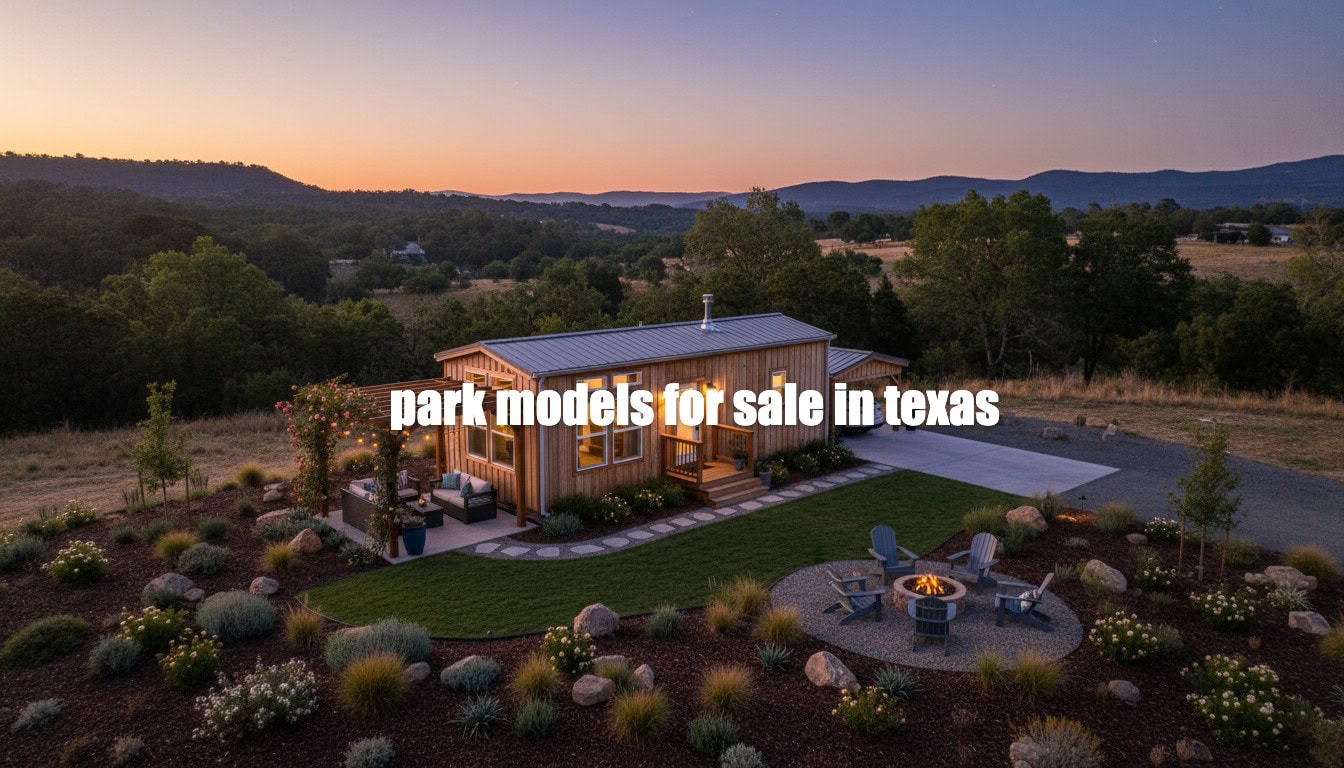
We’re excited to share our comprehensive guide to park models for sale in Texas. Park models are compact recreational units typically under 400 square feet that offer comfortable living as an affordable housing alternative, vacation home, or rental investment. Texas has become one of the most attractive markets for park model living, combining diverse climates, outdoor lifestyle opportunities, and locations from Gulf Coast beaches to Hill Country retreats.
At Great Lakes Tiny Homes, we understand the growing appeal of simplified living. While we’re based in the Great Lakes region, we deliver turnkey park model and modular homes across the lower 48 states, including throughout Texas. Our experience in quality construction and thoughtful design helps families and individuals transition to intentional, affordable living—whether for full-time residence, vacation getaways, or investment properties.
What Are Park Models? Understanding These Compact Homes
Park models are recreational vehicles built on a single chassis, designed for temporary accommodation for recreation, camping, or seasonal use. These homes are typically 400 square feet or less, classified as RVs rather than permanent structures. This classification affects zoning, taxation, and placement options significantly.
Park models are built to ANSI A119.5 standards, not the HUD code governing manufactured homes. Unlike manufactured homes designed for permanent placement, park models are built as RVs with mobility in mind—semi-permanent structures that can be relocated when necessary.
Most park models include full kitchens with modern appliances, complete bathrooms, sleeping areas for one or two bedrooms, and thoughtfully designed living spaces. Common features include open-concept designs, loft areas, slide-outs that expand living space, and clever storage solutions. While technically mobile, they’re designed for semi-permanent placement. With proper maintenance in Texas’s climate, park models can last 30-50 years or more.
Benefits of Owning a Park Model Home in Texas
We’ve identified numerous compelling benefits to park model ownership in Texas:
- Exceptional Affordability: Quality park models range from $50,000 to $150,000, offering tremendous value compared to traditional Texas homes.
- Lower Maintenance Costs: Smaller square footage means reduced utilities, repairs, and upkeep expenses.
- Reduced Environmental Footprint: Park models require less energy, use fewer building materials, and encourage minimalist living.
- Flexibility in Location: We can position park models in RV parks, campgrounds, or on properly zoned private property across diverse Texas locations.
- Tax Advantages: As RVs rather than real estate, park models often qualify for minimal or no property taxes, varying by location and use.
- Rental Income Potential: Park models generate substantial income through platforms like Airbnb and VRBO in tourist areas.
- Simplified Lifestyle: Living in a park model naturally encourages focusing on what truly matters.
- Community Connections: Many park model locations foster meaningful connections with like-minded neighbors.
- Access to Desirable Areas: We can afford lakefront, coastal, or hill country living at a fraction of traditional housing costs.
Popular Park Model Types
Great Lakes Tiny Homes offers a stunning collection of park models designed for different lifestyles. Each model maximizes living space while offering unique features.
A-Frame Luxe
The A-Frame Luxe measures 14′ x 43′, combining style and functionality as the most substantial model in the A-Frame collection. It’s ideal for full-time residence, vacation getaway, or rental property.
Nova
The Nova features 1 bedroom/1 bathroom with metal siding, cedar accents, and a distinctive single-sided roof. Modern aesthetics include painted birch plywood walls and quartz countertops. The large U-shaped kitchen maximizes cooking space, while the bathroom includes a laundry center. A mini-split system provides year-round comfort.
Twilight
The Twilight offers 396 square feet with 2 bedrooms and 1 bathroom, featuring metal siding with cedar accents. The large L-shaped kitchen includes stainless steel sink, refrigerator, and electric range. Bedrooms positioned on opposite ends provide privacy, perfect for small families or guests.
Grizzly
The Grizzly provides 388 square feet with 1 bedroom and 1 bathroom. The full kitchen and roomy living area offer plenty of space, while the 8-foot porch is ideal for hosting guests and enjoying Texas sunsets.
Firefly
The Firefly features authentic cabin aesthetics with 396 square feet, 2 bedrooms, and 1 bathroom wrapped in half log siding with metal roof. Tongue and groove pine walls and ceiling create warm, cozy atmosphere. Perfect for lakeside or mountain getaways.
Aspen
The Aspen measures 12′ x 26′ (278 square feet) with 1 bedroom plus loft and 1 bathroom. Tongue and groove pine ceiling and white MDF board walls with pine trim create attractive, durable finishes. Popular as seasonal Airbnb rental.
A-Frame United
The A-Frame United measures 10′ x 20′ featuring two skylights that flood the interior with natural light. This model includes kitchen and bathroom, redefining glamping by blending luxury and nature.
We encourage you to explore these models in detail and discover which best fits your vision for park model living in Texas.
Best Locations for Park Models in Texas
We’ve identified the most popular and suitable locations for park model homes throughout Texas.
Gulf Coast Communities
Coastal areas around Galveston, Port Aransas, and South Padre Island offer year-round mild temperatures with hurricane preparedness considerations. RV resorts and parks welcome park models with lot rental fees typically $400-$800 monthly. Excellent rental income potential from coastal tourism.
Hill Country Region
Areas around Fredericksburg, Wimberley, and Canyon Lake offer beautiful scenery, mild winters, and thriving tourism centered on wineries and outdoor recreation. Lot costs range $300-$700 monthly with strong investment potential.
East Texas Piney Woods
Areas like Lake Palestine, Lake Fork, and Caddo Lake offer lush forests and excellent fishing. More affordable lot rental fees range $250-$500 monthly, attracting fishing enthusiasts and nature lovers.
Central Texas
Austin and San Antonio outskirts offer RV parks and communities welcoming park models. Lot rental fees range $500-$1,000 monthly, with proximity to urban amenities and employment centers.
West Texas and Desert Regions
Areas around Big Bend, Marfa, and Davis Mountains offer stunning desert landscapes and clear skies. Growing rental potential for unique, off-grid experiences.
Lakefront Communities
Texas lakes including Lake Travis, Lake Conroe, Lake Texoma, and Toledo Bend offer excellent recreational opportunities. Lot rental fees range $350-$700 monthly, with higher rates for waterfront locations.
Zoning regulations vary significantly across Texas. We always verify local zoning before committing to a location. Hill Country and coastal areas currently offer the best investment returns, while East Texas provides excellent value for affordable living.
Legal and Zoning Considerations for Texas Park Models
Park models are classified as recreational vehicles (RVs) in Texas, governed by the Texas Department of Motor Vehicles and Texas Department of Housing and Community Affairs. This RV classification fundamentally affects regulations.
Texas law generally allows park models in licensed RV parks and campgrounds, on private property zoned for RV or agricultural use with proper permits, and sometimes as accessory dwelling units where local ordinances permit. Zoning regulations vary significantly by county and municipality.
Living full-time in park models is legal in properly zoned RV parks and campgrounds. However, some municipalities restrict how long we can occupy an RV on private property, even if we own the land.
We must register park models with the Texas Department of Motor Vehicles as RVs, obtaining title and paying annual registration fees. We need RV insurance rather than homeowners insurance, typically costing $500-$1,500 annually.
The RV classification means we generally don’t pay property taxes on the unit itself in Texas. If we own the land, we pay property taxes on the land only. Some Texas cities now allow ADUs, and park models may qualify if they meet specific requirements.
Financing Your Texas Park Model Home
RV loans are the most common financing option, offered by banks, credit unions, and specialized RV lenders. Interest rates typically range 4%-9% with loan terms of 10-20 years and down payments of 10%-20%.
Personal loans are available for lower-priced park models with higher interest rates (6%-15%) and shorter terms (3-7 years). Many manufacturers, including Great Lakes Tiny Homes, offer financing programs with competitive rates and simplified approval.
Traditional mortgages don’t apply to park models since they’re classified as personal property (RVs) rather than real property (real estate). To improve loan approval chances, we maintain credit scores of 680 or higher, reduce debt-to-income ratios below 43%, save larger down payments, and shop multiple lenders.
Seller financing is sometimes available for used park models. We carefully review terms, ensure reasonable interest rates, verify clear title upon final payment, and have attorneys review agreements.
Customizing Your Park Model
We have extensive customization options for interior and exterior features. Interior choices include luxury vinyl plank, laminate, or tile flooring, various cabinetry wood species and finishes, appliances from standard to high-end, and customized fixtures including faucets, lighting, and bathroom features.
Exterior options include various siding materials (lap siding, board and batten, log siding, metal), extensive color choices, and metal or architectural shingle roofing. Popular add-ons include covered porches, decks, outdoor kitchens, pergolas, and screened porches.
Smart home technology integration includes smart thermostats, smart locks, voice-controlled systems, and security cameras. Energy-efficient upgrades include spray foam insulation, high-efficiency mini-split HVAC, LED lighting, low-E windows, and tankless water heaters.
Solar options include roof-mounted panels, portable generators, solar water heaters, and battery storage systems. While initial investment is significant, solar can dramatically reduce electricity costs.
Stock models deliver within weeks, while custom orders typically take 3-6 months from order to delivery. We balance customization with resale value, focusing on quality upgrades like energy-efficient features and durable materials.
Delivery and Setup Process
Site preparation includes leveling the pad, installing utility connections, clearing delivery paths, and obtaining permits. Foundation options include gravel pads, concrete piers, or concrete slabs.
Delivery costs typically range $3-$5 per mile with minimum charges of $1,500-$3,000. For out-of-state manufacturers, we might pay $5,000-$10,000 or more. Delivery timeframes vary from 1-2 weeks for Texas-based manufacturers to 2-4 weeks or more for out-of-state sources.
Utility connections include electrical (typically 50-amp RV service), water (RV hookup or direct connection), and sewer (RV hookup, septic, or municipal connection). On private property, utility installation costs $5,000-$20,000 or more.
Skirting encloses the space beneath park models, improving appearance, providing insulation, preventing animal nesting, and protecting plumbing. Options include vinyl ($1,000-$3,000), metal, or wood skirting. Steps and deck installation ranges from $500 for basic steps to $5,000+ for extensive decks.
Total delivery and setup costs typically range $10,000-$30,000 depending on site conditions, distance, and improvements. Thorough preparation ensures smooth delivery and faster move-in.
Maintaining Your Park Model in Texas’s Climate
Proper maintenance protects our investment and ensures comfort for decades. Texas’s diverse climates require tailored maintenance strategies.
In coastal areas, we focus on salt air corrosion prevention, hurricane preparedness, and moisture control. In desert regions, we prioritize sun protection, dust control, and water conservation. Hill Country and Central Texas require balancing hot summers and occasional cold winters. East Texas requires moisture control, mold prevention, and pest management.
Weatherproofing includes regularly inspecting and replacing caulking, checking roof seals, ensuring secure skirting, and applying weatherstripping. HVAC maintenance includes monthly filter changes during heavy use, annual professional service, and cleaning condenser coils.
In freezing areas, we winterize plumbing by draining water lines, adding antifreeze, insulating exposed pipes, and disconnecting water hoses. Roof care includes biannual inspections, cleaning gutters, checking for damage, and trimming overhanging branches.
Exterior maintenance depends on siding type. We wash vinyl siding annually, check metal siding for rust, and maintain log siding with regular inspections, protective finishes every 2-3 years, and proper drainage.
Pest control includes sealing entry points, maintaining cleanliness, securing skirting, and addressing termites or rodents immediately. We budget $1,000-$3,000 annually for routine maintenance, with additional funds for major repairs.
Park Models as Investment Properties in Texas
Park models generate excellent returns as rental properties in Texas’s tourist destinations. Vacation rental opportunities through Airbnb and VRBO are strong in Hill Country, coastal communities, lake areas, and unique destinations.
Typical rental rates vary by location: Hill Country $100-$250 per night, coastal areas $125-$300 per night, lake locations $75-$200 per night, and unique destinations $150-$350 per night. Prime tourist areas achieve 60%-80% occupancy during peak seasons and 30%-50% during off-seasons.
Example ROI calculation: $80,000 park model plus $15,000 delivery/setup equals $95,000 investment. With $500 monthly lot rent and 15 nights monthly at $150/night, we generate $27,000 annual rental income. After expenses (lot rent, utilities, maintenance, insurance, cleaning, platform fees), net income is approximately $11,700 annually—a 12.3% return on investment.
We can self-manage to maximize profits or hire property management companies (20%-30% of rental income) for hands-off operation. Successful marketing includes professional photography, detailed descriptions, competitive pricing, prompt communication, and encouraging reviews.
Legal requirements vary by location. Some cities require short-term rental permits, collect hotel occupancy taxes, have zoning restrictions, and impose occupancy limits. We research local regulations before beginning rental operations.
Park models typically depreciate like RVs rather than appreciate like real estate. However, excellent maintenance, strategic upgrades, and desirable locations minimize depreciation. Rental income often exceeds depreciation concerns, resulting in positive overall returns.
Tax implications are significant. We can deduct lot rent, utilities, maintenance, insurance, depreciation, platform fees, cleaning supplies, and travel expenses. We must report all rental income and pay taxes on net profit. We work with tax professionals to maximize deductions while remaining compliant.
Frequently Asked Questions
Can we live full-time in a park model in Texas?
Yes, we can legally live full-time in park models located in properly zoned RV parks or campgrounds. Many Texans successfully use park models as primary residences. However, some municipalities restrict using RVs as permanent housing on private property. We always verify local zoning regulations first.
How much does it cost to move a park model in Texas?
Moving costs typically range $3-$5 per mile with minimum charges of $1,500-$3,000. For longer Texas distances, we might pay $5,000-$10,000 or more, depending on distance, route difficulty, and permits required.
How long do park models last in Texas’s climate?
With proper maintenance, park models last 30-50 years or more in Texas. Key factors include construction quality, maintenance diligence, weather protection, and specific climate conditions. Regular maintenance and prompt repairs maximize lifespan.
What’s the difference between a park model and a manufactured home?
Park models are built to ANSI A119.5 standards and classified as RVs, typically 400 square feet or less. Manufactured homes are built to HUD code, classified as real property, and are larger. These differences affect taxation, zoning, financing, and insurance.
Can we place a park model on our own land in Texas?
It depends on local zoning regulations. Some Texas counties allow park models on private property, especially in agricultural zones. Many municipalities prohibit RVs as permanent residences on property zoned for traditional housing. We check with local planning departments before purchasing.
Finding Your Perfect Texas Park Model: Next Steps
We’ve explored every aspect of park model living in Texas—from diverse locations to available models, financing options, legal considerations, and investment potential. The benefits are compelling: affordability compared to traditional housing, simplified lifestyle, rental income potential, and flexibility to live in desirable areas.
We recommend these actionable next steps: research Texas locations aligning with your lifestyle goals, explore manufacturers with particular attention to Great Lakes Tiny Homes’ impressive collection, visit display models in person, explore financing options by checking credit scores and contacting multiple lenders, and consider your specific needs for full-time residence, vacation getaway, or investment property.
As you explore park model options, we invite you to consider Great Lakes Tiny Homes as your trusted partner. With our experience in quality construction and thoughtful design, we deliver turnkey park model and modular homes across the lower 48 U.S. states, including throughout Texas. Our team works with you to create homes that meet your specific needs—whether you’re seeking affordable full-time living, a vacation retreat, or a rental investment. We’re committed to helping you transition to intentional, simplified living with confidence and support every step of the way.
We cannot overemphasize the importance of visiting display models in person before making final decisions. Photos help, but nothing replaces walking through a park model, testing the layout, and imagining yourself living in the space.
We’re excited about the growing popularity of alternative housing options like park models in Texas’s challenging housing market. With traditional home prices rising, park models offer quality construction, thoughtful design, and affordable pricing for retirees downsizing, young professionals seeking affordable homeownership, and investors seeking rental income.
We’re here to support you on your park model journey. Whether you’re ready to purchase or just beginning research, the world of park model living in Texas offers exciting possibilities. Welcome to our community of park model owners and enthusiasts—we think you’re going to love it here.