
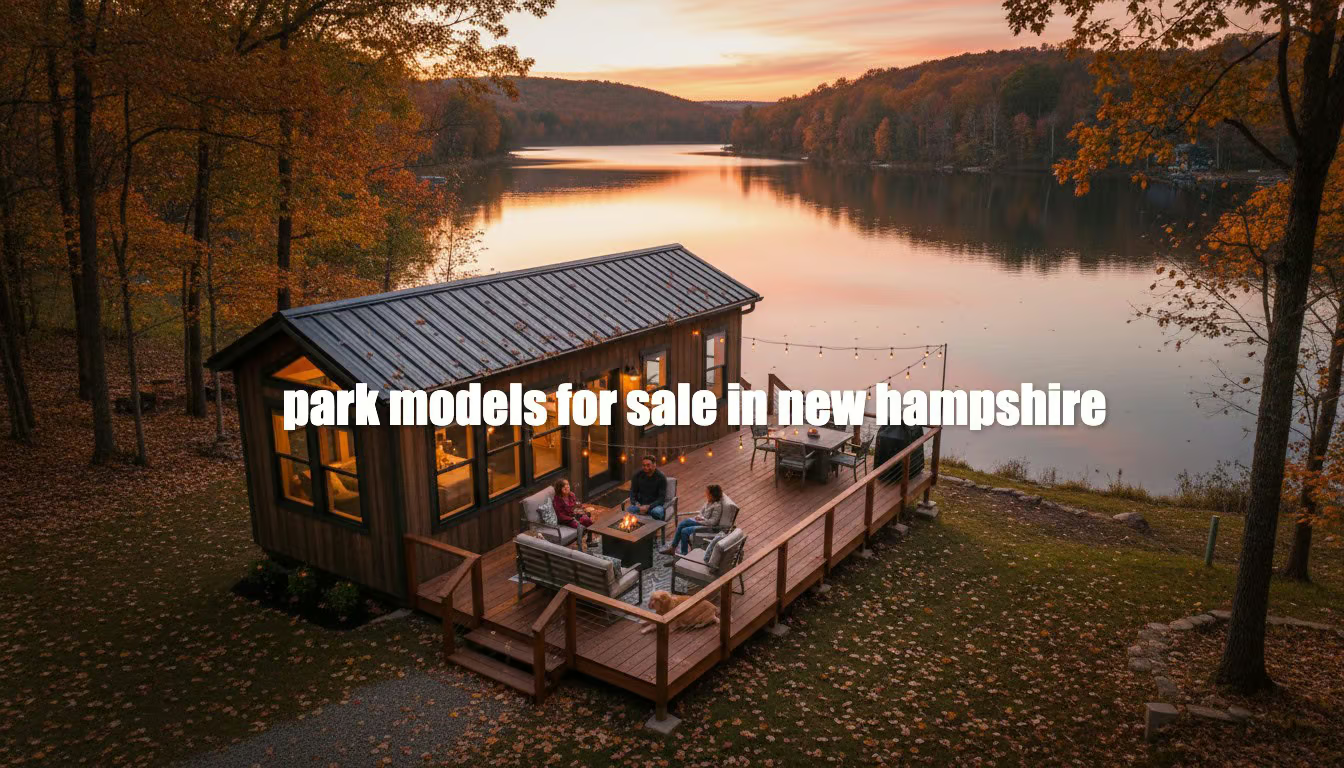
We’re excited to share our comprehensive guide to park models for sale in New Hampshire, where compact living meets the beauty of the Granite State. Park models are small recreational units typically under 400 square feet that offer comfortable, efficient living in a compact space. These homes have become increasingly popular as affordable housing alternatives, vacation homes, and rental investments that allow us to embrace a simpler lifestyle without sacrificing quality.
In this guide, we’ll explore everything you need to know about purchasing and owning a park model in New Hampshire, from understanding what these homes are to navigating legal requirements, financing options, and finding the perfect location. New Hampshire offers an attractive setting for park model living with its four distinct seasons, stunning natural landscapes from the White Mountains to Lake Winnipesaukee, and outdoor recreational opportunities.
At Great Lakes Tiny Homes, we understand the appeal of downsizing without compromise. Our experience in the tiny home industry has shown us that people are increasingly seeking alternatives to traditional housing—whether for financial freedom, environmental consciousness, or simply a desire to live more intentionally. We’ve seen how park models and tiny homes can provide the quality, craftsmanship, and functionality that modern homeowners demand, all within a compact, efficient footprint.
What Are Park Models? Understanding These Compact Homes
Park models are recreational vehicles built on a single chassis designed to provide temporary accommodation for recreation, camping, or seasonal use. These compact homes typically measure 400 square feet or less and are classified as RVs rather than permanent structures, which has important implications for zoning, financing, and taxation.
Park model RVs are built to ANSI standards specifically designed for park model recreational vehicles, rather than the HUD code that governs manufactured homes. This distinction affects where we can place these homes and how they’re regulated. Unlike traditional mobile homes, park models are designed with mobility in mind, though they’re not intended to be moved as frequently as travel trailers.
The typical park model features a well-designed floor plan that maximizes every square foot. We often see open-concept layouts with combined living and kitchen areas, one or two bedrooms, a full bathroom, and efficient storage solutions. Many park models include full-size appliances, quality cabinetry, and amenities that rival traditional homes. Construction quality has improved dramatically, with better insulation and durable materials suitable for year-round living in New Hampshire’s varied climate.
Park models differ from tiny houses in several important ways. While tiny houses are often custom-built on trailers, park models are manufactured to specific ANSI standards and titled as recreational vehicles. They’re also distinct from manufactured homes, which are larger, built to HUD code, and designed for permanent placement. In New Hampshire’s climate, park models can last for decades with proper maintenance.
Benefits of Owning a Park Model Home in New Hampshire
The affordability factor is perhaps the most compelling advantage—park models typically cost a fraction of traditional housing in New Hampshire, where median home prices have risen significantly. This makes homeownership accessible to people who might otherwise be priced out of the market.
Lower maintenance costs are another significant benefit. With less square footage to heat, cool, and maintain, our utility bills are substantially lower than in traditional homes. The reduced environmental footprint aligns with New Hampshire’s conservation values, as these compact homes require fewer resources to build and operate.
The flexibility in location is a major advantage. We can place them in RV parks, campgrounds, or on private property with proper zoning, giving us options to live in desirable areas throughout New Hampshire—from the Lakes Region to the White Mountains to the Seacoast.
Park models offer potential tax advantages since they’re classified as RVs rather than real estate in many cases. This classification can mean minimal or no property taxes in many situations. For those interested in generating income, park models present excellent rental opportunities, especially in New Hampshire’s tourist areas where vacation rentals command premium rates during peak seasons.
The simplified lifestyle that comes with park model living is increasingly valuable. With less space to fill and maintain, we’re freed from the burden of accumulating unnecessary possessions and can focus on experiences rather than things. Many park model communities foster a strong sense of community where we can connect with like-minded neighbors.
Popular Park Model Types
Great Lakes Tiny Homes offers a stunning collection of park models designed to suit different lifestyles and preferences. Each model combines quality construction with thoughtful design to create homes that are both beautiful and functional.
A-Frame Luxe – Our A-Frame Luxe measures 14′ x 43′ and combines distinctive style with exceptional functionality. This is the most substantial model in our A-Frame collection, ideal as a full-time residence, vacation getaway, or rental property.
Nova – The Nova is our 1 bedroom/1 bathroom park model featuring metal siding with cedar accents and a distinctive single-sided roof design. We’ve created a modern aesthetic with painted birch plywood walls, quartz countertops, and a large U-shaped kitchen. The bathroom includes a laundry center, and the unit comes with a mini-split system for year-round comfort.
Twilight – Our Twilight offers 396 square feet with 2 bedrooms and 1 bathroom, featuring metal siding with cedar accents. The interior showcases painted birch plywood walls and a large L-shaped kitchen. We’ve positioned the bedrooms on opposite ends, making it perfect for small families or guests who value privacy.
Grizzly – The Grizzly is our longest park model at 388 square feet with 1 bedroom and 1 bathroom. We’ve designed it with a full kitchen, spacious living area, and an impressive 8-foot porch ideal for hosting guests or enjoying New Hampshire sunsets.
Firefly – Our Firefly brings authentic cabin charm with 396 square feet, 2 bedrooms, and 1 bathroom. We’ve used half log siding and a metal roof to create that classic cabin look, while the interior features rustic tongue and groove pine walls and ceiling.
Aspen – The Aspen measures 12′ x 26′ (278 square feet) with 1 bedroom plus loft and 1 bathroom. We’ve finished the interior with tongue and groove pine ceiling and white MDF board walls with pine trim. This model has become popular as a seasonal Airbnb rental in New Hampshire’s tourist areas.
A-Frame United – Our A-Frame United measures 10′ x 20′ and features two skylights that flood the interior with natural light and offer breathtaking views of New Hampshire’s beautiful skies. This model includes a kitchen and bathroom, redefining glamping by blending luxury with nature.
We invite you to explore our park models in detail and discover which design best fits your vision for life in New Hampshire.
Best Locations for Park Models in New Hampshire
We’ve researched the most popular and suitable locations for park model homes throughout New Hampshire. The state offers diverse settings from the Seacoast to the White Mountains, each with unique advantages.
The Lakes Region is one of our favorite areas for park models. Lake Winnipesaukee, Squam Lake, and numerous smaller lakes offer stunning waterfront settings. Many RV resorts and campgrounds in this region welcome park models, offering amenities like boat launches, beaches, and recreational facilities. The Lakes Region provides excellent rental potential during summer months. Typical lot rental fees range from $3,000 to $8,000 annually depending on location and amenities.
The White Mountains region offers spectacular natural beauty and outdoor recreation opportunities. We can find RV parks and campgrounds near popular destinations like North Conway, Lincoln, and Franconia that accommodate park models. This area is ideal for those who love hiking, skiing, and mountain activities. The rental market here is strong year-round, with both summer and winter tourist seasons.
The Seacoast region, including areas near Hampton Beach, Rye, and Portsmouth, provides coastal living opportunities. Several campgrounds and RV parks in this area accept park models, offering proximity to beaches, restaurants, and cultural attractions. Lot rental fees tend to be higher in this desirable region, often ranging from $5,000 to $10,000 annually. The rental income potential is excellent during summer months.
Southern New Hampshire, including areas near Concord, Manchester, and the Massachusetts border, offers more affordable options with easier access to employment centers. We can find several RV parks and campgrounds that welcome park models, often with lower lot fees than tourist-heavy regions. This area is suitable for those considering park models as primary residences while working in nearby cities.
When considering locations, we need to research zoning regulations carefully, as they vary significantly by town and county. We should also consider whether we want a seasonal or year-round community, as this affects both cost and lifestyle. We recommend visiting potential locations during different seasons to get a true sense of the community and climate before making our decision.
Legal and Zoning Considerations for New Hampshire Park Models
We need to understand the legal landscape for park models in New Hampshire before making our purchase. Park models are classified as recreational vehicles rather than permanent structures, which significantly affects where and how we can use them.
In New Hampshire, park models must be titled and registered as RVs with the Department of Motor Vehicles. The RV classification means that park models are generally not subject to property taxes in the same way traditional homes are, though we may pay fees to the community or campground where our park model is located.
Zoning restrictions are perhaps the most critical consideration. New Hampshire towns have significant local control over land use, and regulations vary widely. In most cases, we cannot simply place a park model on any piece of land we own. Park models are typically restricted to licensed campgrounds, RV parks, or recreational camping parks. Some towns may allow park models on private property under specific circumstances, such as temporary housing during construction or as accessory structures, but these situations require special permits and are subject to time limitations.
The question of full-time residency in park models is complex. While park models are designed for recreational and seasonal use, many people do live in them full-time. However, the legality depends on local ordinances and the rules of the specific park or campground. Some RV parks in New Hampshire explicitly allow year-round residency, while others restrict occupancy to seasonal use only.
Recent discussions about Accessory Dwelling Units (ADUs) in New Hampshire have opened some new possibilities for park models. Some towns have adopted ADU ordinances that may allow park models on residential properties as accessory structures, though this varies by municipality and often comes with restrictions.
We strongly recommend consulting with local planning and zoning officials before purchasing a park model to ensure we understand all applicable regulations. What’s allowed in one New Hampshire town may be prohibited in another.
Financing Your New Hampshire Park Model Home
We’ve explored the various financing options available for purchasing a park model in New Hampshire. Unlike traditional homes, park models don’t qualify for conventional mortgages because they’re classified as recreational vehicles. However, several financing alternatives are available.
RV loans are the most common financing method for park models. These loans are specifically designed for recreational vehicles and are offered by banks, credit unions, and specialized RV lenders. We can typically finance park models for terms ranging from 10 to 20 years. Interest rates generally range from 5% to 10%, depending on our credit score, down payment, and loan term. Most lenders require a down payment of 10% to 20% of the purchase price.
To qualify for an RV loan, we’ll typically need a credit score of at least 650, though some lenders may work with lower scores at higher interest rates. Lenders will evaluate our debt-to-income ratio, employment history, and overall financial stability.
Personal loans are another option, especially for lower-priced park models. These unsecured loans don’t require the park model as collateral, but they typically come with higher interest rates (8% to 15% or more) and shorter repayment terms (5 to 7 years).
Some park model manufacturers and dealers, including Great Lakes Tiny Homes, offer financing programs or can connect us with preferred lenders who understand park models and tiny homes. Credit unions often provide excellent financing options for park models, sometimes with better rates and terms than traditional banks.
For those purchasing used park models, seller financing may be an option. In these arrangements, the seller acts as the lender, and we make payments directly to them according to agreed-upon terms.
To improve our chances of loan approval and secure the best rates, we should take steps to strengthen our financial profile before applying. This includes paying down existing debt, correcting any errors on our credit report, saving for a larger down payment, and gathering documentation of stable income.
Customizing Your Park Model: Making It Your Own
We believe that customization is one of the most exciting aspects of purchasing a park model in New Hampshire. Great Lakes Tiny Homes offers extensive customization options that allow us to create a park model that’s uniquely ours.
Interior customization options are extensive. We can choose from various flooring options including luxury vinyl plank, laminate, tile, or traditional hardwood. Cabinet choices range from standard painted or stained options to custom cabinetry with specialized storage solutions that maximize our limited space.
Appliance selections allow us to balance functionality with our budget. We can opt for full-size appliances or choose apartment-sized units that fit better in compact spaces. Energy-efficient appliances are particularly valuable in park models, as they reduce our utility costs and environmental impact.
Fixture choices throughout the park model allow us to add personal touches. We can select from various faucet styles, lighting fixtures, cabinet hardware, and bathroom fixtures that match our design vision.
Exterior customization options are equally important, especially in New Hampshire where our park model needs to withstand varied weather conditions. We can choose from different siding materials including vinyl, metal, log, or board-and-batten styles. Color choices for exterior siding and trim allow us to create a look that’s either bold and distinctive or subtle and natural.
Porches, decks, and outdoor living spaces are popular additions that significantly expand our usable space, especially during New Hampshire’s beautiful summer months. We can add covered porches for rain protection, open decks for sunbathing and entertaining, or screened porches to enjoy the outdoors without insects.
Smart home technology integration is becoming increasingly popular. We can include smart thermostats, lighting controls, security systems, and even voice-activated assistants that make our compact home more convenient and efficient.
Energy-efficient upgrades are especially relevant in New Hampshire, where heating costs can be significant. We can opt for enhanced insulation, high-efficiency windows, upgraded HVAC systems, and even solar panels to reduce our energy consumption and costs.
When considering customizations, we need to balance our personal preferences with resale value. We recommend focusing on quality upgrades that have broad appeal, such as better insulation, quality appliances, and durable materials, while keeping highly personal design choices to elements that can be easily changed.
Delivery and Setup Process for Park Models in New Hampshire
We want to walk you through the delivery and setup process for park models in New Hampshire so you know exactly what to expect. Proper planning and preparation are essential for a smooth installation.
Site preparation is the critical first step that must be completed before our park model arrives. The site needs to be level, cleared of vegetation and debris, and properly graded for drainage. If we’re placing our park model in an established RV park or campground, the site is typically already prepared with utilities in place.
The foundation or blocking system must be properly installed to support our park model. Most park models are placed on concrete piers, blocks, or a gravel pad rather than a permanent foundation. In New Hampshire’s climate, we need to ensure the foundation system accounts for frost heave and seasonal ground movement.
Transportation logistics for park models in New Hampshire require careful planning. Park models are typically 10 to 14 feet wide and up to 43 feet long, making them oversized loads that require special permits and professional transport. Delivery costs within New Hampshire generally range from $2,000 to $5,000 depending on distance and accessibility of our site.
Utility connections are essential for making our park model livable. We’ll need to connect to water, sewer (or septic), and electrical service. In established RV parks, these connections are typically available at each site. On private property, we’ll need to install these utilities or connect to existing systems, which requires permits and professional installation.
Skirting installation is important in New Hampshire’s climate for both aesthetics and functionality. Skirting encloses the space beneath our park model, protecting plumbing from freezing, reducing heat loss, and preventing animals from nesting underneath. We can choose from vinyl skirting, metal skirting, or custom wood skirting.
Steps and deck installation provide safe access to our park model and expand our outdoor living space. These structures should be properly anchored and built to withstand New Hampshire’s weather conditions, including snow loads.
Total setup costs beyond the delivery fee can range from $2,000 to $10,000 depending on site conditions and the extent of work required. We recommend being present during delivery and setup to address any questions or issues that arise.
Maintaining Your Park Model Home in New Hampshire’s Climate
We understand that proper maintenance is essential for protecting our investment and ensuring our park model provides comfortable living for years to come. New Hampshire’s climate presents unique challenges with cold winters, humid summers, and significant seasonal temperature variations.
Seasonal maintenance schedules help us stay on top of necessary tasks. In spring, we should inspect our park model for any winter damage, check the roof for leaks, clean gutters and downspouts, inspect skirting, check all seals and caulking around windows and doors, and test all appliances and systems.
Summer maintenance focuses on protecting our park model from sun damage and preparing for the humid season. We should inspect and clean our air conditioning system, check for any signs of moisture or mold, inspect window screens, maintain outdoor decking or porches, and ensure proper ventilation.
Fall maintenance prepares our park model for the harsh New Hampshire winter. We need to inspect and service our heating system, check insulation, seal any gaps or cracks where cold air might enter, inspect the roof, and prepare our plumbing for freezing temperatures.
Winter maintenance for year-round residents includes regularly removing snow from the roof to prevent excessive weight and ice dams, keeping skirting vents clear of snow, maintaining heat tape on water lines, and ensuring proper ventilation to prevent condensation.
Weatherproofing is critical in New Hampshire’s climate. We should regularly inspect and replace caulking around windows, doors, and any exterior penetrations. Weather stripping around doors and windows should be checked annually and replaced when worn.
HVAC maintenance ensures our comfort year-round. We should change or clean air filters monthly during heavy use periods, have our heating system professionally serviced annually before winter, and have our air conditioning system serviced before summer.
Plumbing considerations in New Hampshire’s climate are particularly important. For year-round living, we need to ensure all water lines are properly insulated and protected from freezing. Heat tape on exposed pipes is essential. If we’re using our park model seasonally, proper winterization is critical.
Estimated annual maintenance costs for a park model in New Hampshire typically range from $500 to $2,000 depending on whether we do the work ourselves or hire professionals. Regular maintenance not only prevents costly repairs but also extends the lifespan of our park model and maintains its value for potential resale.
Park Models as Investment Properties in New Hampshire
We’ve analyzed the investment potential of park models in New Hampshire’s market and found compelling opportunities for those interested in generating rental income. Park models offer unique advantages as investment properties, particularly in New Hampshire’s strong tourism market.
Vacation rental opportunities through platforms like Airbnb and VRBO have transformed park models into viable income-producing assets. New Hampshire’s tourist destinations—including the Lakes Region, White Mountains, and Seacoast—attract millions of visitors annually who are seeking unique, affordable accommodations.
Typical rental rates for park models in New Hampshire vary significantly by location and season. In prime tourist areas during peak summer months, we can command $150 to $300 per night for a well-appointed park model. Annual gross rental income for a park model in a desirable location with good occupancy can range from $15,000 to $40,000 or more.
Return on investment calculations must account for all costs, not just rental income. We need to factor in the purchase price, lot rental fees (typically $3,000 to $10,000 annually), utilities, insurance, maintenance, cleaning fees, platform fees (typically 3% to 5% of bookings), and property management if we’re not managing the rental ourselves. After accounting for these expenses, net annual returns of 8% to 15% on our investment are achievable in strong markets.
Management considerations are important for rental success. We can self-manage our park model rental if we live nearby and have the time to handle bookings, guest communications, cleaning, and maintenance. Alternatively, we can hire property management companies that handle all aspects of rental operations for typically 20% to 30% of gross rental income.
Marketing strategies significantly impact our rental success. Professional photography is essential—high-quality photos dramatically increase booking rates. We should write compelling property descriptions that highlight unique features and nearby attractions. Competitive pricing based on market research helps us maximize both occupancy and revenue.
Legal requirements for short-term rentals in New Hampshire vary by municipality. Some towns have adopted regulations requiring registration, permits, or licenses for short-term rentals. We must also comply with state rooms and meals tax requirements, collecting and remitting the 8.5% tax on rental income.
We believe park models represent an accessible entry point into real estate investing for those who may not have the capital for traditional rental properties. The lower purchase price, strong rental demand in tourist areas, and relatively simple management make park models an attractive investment option.
Frequently Asked Questions About New Hampshire Park Models
Can we live in a park model full-time in New Hampshire?
The legality of full-time residency depends on local ordinances and the specific RV park or campground rules. Some RV parks in New Hampshire explicitly allow year-round residency, while others restrict occupancy to seasonal use. We must verify regulations with both the municipality and the park before planning full-time residency.
How much does it cost to move a park model in New Hampshire?
Moving costs typically range from $2,000 to $5,000 depending on distance, accessibility of both sites, and any special permits required. We should factor in additional costs for disconnecting and reconnecting utilities, removing and reinstalling skirting, and any site preparation needed at the new location.
How long do park models last in New Hampshire’s climate?
With proper maintenance, park models can last 30 years or more in New Hampshire’s climate. The lifespan depends on construction quality, materials used, and how well we maintain the unit. Regular maintenance including roof inspections, weatherproofing, and prompt repairs significantly extends the life of our park model.
What’s the difference between a park model and a manufactured home?
Park models are built to ANSI standards for recreational vehicles, are 400 square feet or less, and are titled as RVs. Manufactured homes are built to HUD code, are typically much larger (600 to 2,000+ square feet), and are designed as permanent residences. Park models are more mobile and can be placed in RV parks, while manufactured homes typically require permanent placement.
Can we customize our park model?
Yes, extensive customization options are available when we order a new park model. We can select flooring, cabinetry, appliances, fixtures, exterior siding and colors, roof materials, and add features like porches or upgraded insulation. Great Lakes Tiny Homes offers comprehensive customization to create a park model that meets our specific needs and preferences.
What insurance do we need for a park model?
We need specialized RV insurance for our park model rather than traditional homeowners insurance. This insurance should include coverage for the structure, personal property, liability, and potentially loss of use. If we’re financing our park model, the lender will require comprehensive coverage. Insurance costs typically range from $500 to $1,500 annually.
Can we place a park model on our own land in New Hampshire?
Placing a park model on private land is subject to local zoning regulations that vary significantly by municipality. In most cases, park models are restricted to licensed campgrounds and RV parks. However, some towns may allow park models on private property under specific circumstances. We must check with local planning and zoning officials before purchasing a park model with the intention of placing it on our own land.
Finding Your Perfect New Hampshire Park Model: Next Steps
We’ve covered everything you need to know about park models for sale in New Hampshire, from understanding what these compact homes are to navigating the legal landscape, financing options, and investment potential. Park models offer us an affordable, flexible, and sustainable housing option that’s perfectly suited to New Hampshire’s diverse environments and outdoor lifestyle.
The unique benefits of park model living in New Hampshire are clear: we can enjoy lakefront summers, mountain retreats, or coastal living at a fraction of traditional housing costs. We gain the freedom to simplify our lives, reduce our environmental footprint, and focus on experiences rather than possessions.
If you’re ready to pursue park model ownership, we recommend taking these actionable next steps. First, research locations throughout New Hampshire to identify areas that match your lifestyle preferences and budget. Visit RV parks and campgrounds that welcome park models to get a sense of the community and amenities. Second, explore park model options from quality manufacturers like Great Lakes Tiny Homes, reviewing floor plans, features, and customization possibilities.
Next, get your finances in order by checking your credit score, saving for a down payment, and exploring financing options with RV lenders and credit unions. Create a realistic budget that includes not just the purchase price but also lot fees, utilities, insurance, and maintenance costs. Consult with local planning officials about zoning regulations and placement options in your desired location.
We encourage you to take your time with this decision and gather all the information you need to move forward confidently. Visit multiple parks, talk to current park model owners about their experiences, and ask manufacturers and dealers plenty of questions.
The growing popularity of alternative housing options like park models reflects a broader shift in how we think about home, value, and quality of life. In New Hampshire’s challenging housing market where traditional home prices have become increasingly unaffordable, park models offer a practical path to homeownership and financial freedom.
At Great Lakes Tiny Homes, we’ve built our reputation on delivering turnkey modular and park model homes that combine quality craftsmanship with thoughtful design. Our ability to deliver across the lower 48 U.S. states means that wherever you are in New Hampshire, we can help you find the perfect park model solution. We understand the unique requirements of New Hampshire’s climate and can guide you toward models and customizations that will serve you well for decades to come.
Your perfect New Hampshire park model is waiting—let’s take the first step toward finding it together. Explore tiny homes for sale in New Hampshire to see what’s available in your desired location, or learn more about the best tiny home communities in New Hampshire to find the ideal setting for your park model. We’re here to help you navigate every step of your park model journey.