
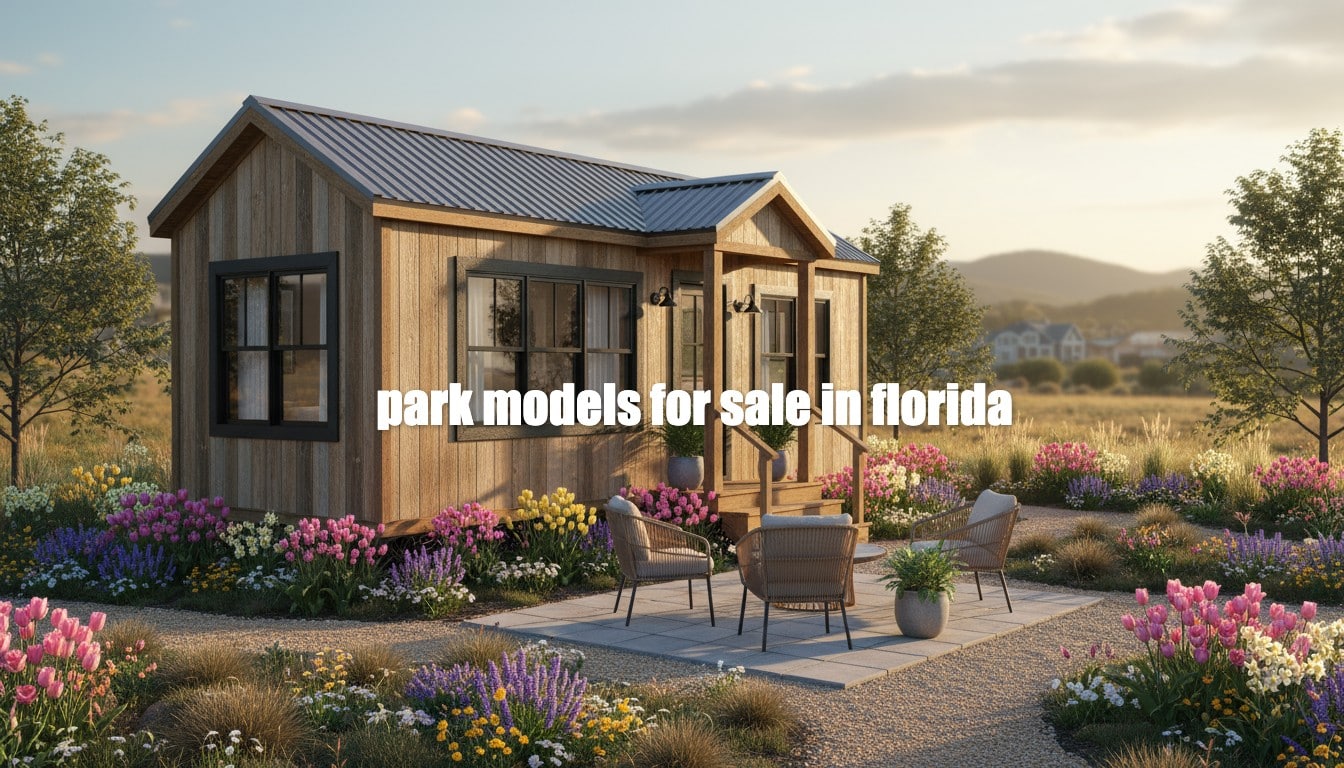
We’re excited to share our comprehensive guide to park models for sale in Florida, where affordable, comfortable living meets the Sunshine State’s incredible lifestyle. Park models are mobile recreational units under 400 square feet that offer surprisingly comfortable living in compact, efficient spaces. These innovative homes have become increasingly popular in Florida as affordable housing alternatives, vacation getaways, and smart rental investments.
At Great Lakes Tiny Homes, we understand the growing appeal of simplified living without sacrificing quality or comfort. While we’re based in the Great Lakes region, we deliver turnkey park models and modular homes across the lower 48 states, including Florida. Our experience in crafting thoughtfully designed compact homes positions us as a valuable resource for anyone exploring park model living in the Sunshine State.
What Are Park Models? Understanding These Compact Homes
Park models are recreational vehicles designed to provide temporary accommodation for recreation, camping, or seasonal use. These towable units typically measure 400 square feet or less, maximizing every inch with thoughtful design and efficient layouts.
Unlike manufactured homes, park models are classified as RVs and built to ANSI A119.5 standards rather than HUD code. This distinction affects financing, placement options, and tax implications. They’re more substantial than typical RVs, featuring residential-style construction, full-size appliances, and home-like finishes. Common configurations include studio layouts, one-bedroom designs, and even 2 bedroom 2 bath park models.
Modern park models feature full kitchens with residential appliances, complete bathrooms, sleeping lofts or separate bedrooms, living areas with entertainment centers, and often laundry facilities. With proper maintenance, we can expect a park model to last 30-50 years in Florida’s subtropical climate, making them sound long-term investments.
Benefits of Owning a Park Model Home in Florida
We’ve identified numerous compelling benefits to park model ownership in Florida:
- Exceptional Affordability: Quality park models start at $40,000-$80,000, with luxury models reaching $100,000-$150,000—a fraction of conventional Florida home costs.
- Reduced Maintenance Costs: Monthly costs can be 50-70% less than traditional homes due to smaller square footage.
- Environmental Benefits: Reduced environmental footprint with fewer materials and less energy consumption.
- Location Flexibility: Place in RV resorts, campgrounds, or properly zoned private property, accessing premium Florida locations affordably.
- Tax Advantages: RV classification may reduce or eliminate property tax burdens in certain situations.
- Rental Income Potential: Florida’s thriving tourism creates excellent opportunities for Airbnb and VRBO rentals.
- Simplified Lifestyle: Encourages decluttering and focusing on experiences over possessions.
- Community Living: Many communities offer resort-style amenities and strong social connections.
Popular Park Model Types
We’re thrilled to introduce Great Lakes Tiny Homes’ stunning collection of park models designed for different lifestyles and preferences.
A-Frame Luxe
The A-Frame Luxe measures 14′ x 43′ and combines distinctive style with exceptional functionality—ideal as a full-time residence, vacation getaway, or premium rental property.
Nova
This 1 bedroom 1 bath park model features sleek metal siding with cedar accents and a distinctive single-sided roof. Inside, we’ll find painted birch plywood walls, quartz countertops, and a large U-shaped kitchen. The bathroom includes a laundry center, and a mini-split system ensures year-round comfort.
Twilight
The Twilight offers 396 square feet with 2 bedrooms and 1 bathroom, featuring metal siding with cedar accents. The modern interior includes painted birch plywood walls and a large L-shaped kitchen. Bedrooms positioned on opposite ends provide privacy—perfect for small families or hosting guests.
Grizzly
At 388 square feet with 1 bedroom and 1 bath, the Grizzly is our longest and most roomy model. The full kitchen and spacious living area flow to an 8-foot porch—ideal for hosting, morning coffee, or watching Florida sunsets.
Firefly
This 396 sq ft cabin-style park model features 2 bedrooms and 1 bathroom with authentic half log siding and metal roof. The rustic interior showcases tongue and groove pine walls and ceiling, creating warm, inviting atmosphere—perfect for lakeside or nature getaways.
Aspen
The Aspen measures 12′ x 26′ (278 sq ft) with 1 bedroom plus loft and 1 bathroom. The interior features tongue and groove pine ceiling and white MDF board walls with pine trim. This model is particularly popular as a seasonal Airbnb rental.
A-Frame United
Measuring 10′ x 20′, the A-Frame United features two skylights that flood the interior with natural light. This model includes kitchen and bathroom, redefining glamping by blending luxury with nature.
We encourage you to explore these models in detail and discover which park model best fits your Florida lifestyle dreams.
Best Locations for Park Models in Florida
We’ve explored Florida extensively and identified the most suitable locations for park model homes throughout the state.
Coastal Communities
Florida’s coastal areas are among the most desirable for park model living. The Gulf Coast offers communities in Naples, Fort Myers, and the Panhandle with stunning sunsets and white sand beaches. The Atlantic Coast provides options near Daytona Beach, St. Augustine, and the Space Coast. Typical lot rent ranges from $600-$1,200 monthly, with premium waterfront locations commanding higher rates.
Central Florida
The Ocala area offers more affordable lot rent, typically $400-$700 monthly, while providing access to natural springs, outdoor recreation, and mild climate. Several RV resort park model communities welcome our tiny homes with amenities like fishing lakes and hiking trails.
South Florida
Communities near Fort Lauderdale, West Palm Beach, and the Keys offer year-round warmth. Lot costs tend to be higher at $800-$1,500 monthly, but proximity to beaches, entertainment, and cultural attractions makes it worthwhile for many.
North Florida and the Panhandle
Areas around Tallahassee, Jacksonville, and Panhandle beaches offer beautiful settings with lower costs. Lot rent typically ranges from $350-$650 monthly, with communities near state parks, rivers, and less crowded beaches.
Zoning regulations vary significantly by location. Seasonal communities are common in South Florida for snowbirds, while year-round communities are more prevalent in Central and North Florida. For investment potential, coastal tourist areas and communities near Orlando offer the best rental income opportunities.
Legal and Zoning Considerations for Florida Park Models
We want to ensure you understand the legal landscape for park models in Florida, as navigating these regulations is crucial for successful purchase and placement.
In Florida, park models are classified as recreational vehicles rather than permanent structures. This RV classification means they fall under different regulations than manufactured homes. We must ensure our park model meets ANSI A119.5 standards and is properly titled and registered as an RV with the Florida Department of Highway Safety and Motor Vehicles.
We can legally place park models in licensed RV parks and campgrounds throughout Florida. However, placing a park model on private property is more complex and depends on local zoning ordinances. Most residential zones don’t permit RVs as primary residences, though some counties allow them in agricultural zones.
While we can legally live full-time in a park model within a licensed RV park, using one as a permanent residence on private residential property often violates local zoning codes. We recommend thoroughly researching county and municipal regulations before committing to a location.
We must register our park model with the state as an RV, requiring proof of ownership, manufacturer’s certificate of origin, and registration fees. Insurance typically falls under RV policies rather than homeowners insurance.
Tax implications are generally favorable—because park models are classified as personal property rather than real estate, we typically don’t pay property taxes on the unit itself. We strongly advise consulting with a local attorney or tax professional to ensure compliance with all applicable laws.
Financing Your Florida Park Model Home
We understand that financing is critical when purchasing a park model, and we’re here to guide you through available options in Florida.
The most common financing method is through RV loans. We can typically secure RV loans through specialized lenders, credit unions, and some banks. Interest rates currently range from 5% to 10%, depending on credit score, down payment, and loan term. Terms generally range from 10 to 20 years, with most lenders requiring 10-20% down payment.
Personal loans represent another option, especially for lower-priced park models. These unsecured loans offer faster approval but typically come with higher interest rates (8-15%) and shorter terms (3-7 years).
Many manufacturers and dealers, including Great Lakes Tiny Homes, offer financing programs that streamline the purchase process with competitive rates and terms specifically designed for park model purchases.
Traditional mortgages typically don’t apply to park models because they’re not considered real estate. However, if we own land and plan permanent placement, we might explore land-home packages in some cases.
To improve loan approval chances and secure the best rates, we recommend: maintaining a credit score above 680, saving for a larger down payment (20% or more), reducing debt-to-income ratio, and shopping multiple lenders to compare offers.
Customizing Your Park Model: Making It Your Own
We’re excited to share the extensive customization options available when purchasing a park model in Florida.
For interior customization, we can select from various flooring options including luxury vinyl plank, tile, hardwood, or carpet. Cabinet choices range from standard laminate to custom wood cabinetry. We can upgrade appliances to stainless steel, energy-efficient models, or specialty items. Fixtures and hardware can be customized to match our aesthetic preferences.
Exterior customization options include various siding materials—traditional vinyl, modern metal panels, authentic log siding, or board-and-batten styles. Color selections allow us to create bold statements or homes that blend naturally with Florida’s landscapes. Roof options include metal roofing in various colors or traditional shingle roofs.
We particularly love outdoor living additions popular in Florida’s climate. Covered porches, extended decks, screened enclosures, and outdoor kitchens transform our park model’s living space and enhance rental appeal.
Great Lakes Tiny Homes offers extensive customization options, working with us to create park models that meet exact specifications. We can modify floor plans, add built-in storage solutions, incorporate multi-functional furniture, and select every finish detail.
Smart home technology integration is increasingly popular, including programmable thermostats, smart locks, security cameras, and voice-controlled systems. Energy-efficient upgrades such as LED lighting, high-efficiency HVAC systems, and enhanced insulation are particularly valuable in Florida. Solar options can reduce utility costs and provide energy independence.
The timeline for custom orders typically ranges from 8-16 weeks, depending on customization complexity and production schedule. Stock models can often be delivered within 2-4 weeks.
Delivery and Setup Process for Park Models in Florida
We want to walk you through the delivery and setup process so you know exactly what to expect when your new home arrives.
Site preparation is our first critical step. We need a level pad, typically constructed of gravel, concrete, or pavers, slightly larger than our park model’s footprint and properly graded for drainage—essential in Florida’s rainy climate. We’ll also need utility connections stubbed to the site, including water, sewer (or septic), and electrical service.
Park models are transported on their RV chassis using specialized towing equipment. We should expect delivery costs ranging from $3-$7 per mile, with minimum charges around $1,500-$3,000. Delivery timeframes typically range from 1-4 weeks after our park model is ready.
Upon arrival, our park model will be positioned on the prepared pad and leveled using jacks or blocking. We prefer concrete blocks or engineered plastic blocks for Florida’s humid climate. Licensed professionals should handle electrical hookups, ensuring proper service meets code requirements. We should budget $1,000-$3,000 for professional utility connections.
Skirting installation is important in Florida for pest control and storage. We can choose from vinyl, metal, or composite materials, with costs ranging from $800-$2,500. Steps and deck installation provide safe access and outdoor living space, with pre-fabricated steps costing $200-$500 and custom decks ranging from $1,500-$10,000.
Total setup costs beyond the park model purchase typically range from $5,000-$15,000, depending on site conditions and customization choices.
Maintaining Your Park Model Home in Florida’s Climate
We’ve developed comprehensive maintenance strategies specific to park models in Florida’s unique climate, helping us protect our investment and ensure years of comfortable living.
Florida’s subtropical climate presents specific challenges: high humidity, intense sun exposure, heavy rainfall, salt air in coastal areas, and minimal freezing. We’ve created seasonal maintenance schedules to address these conditions.
Spring Maintenance
We inspect our roof for damage, clean gutters and downspouts, check and clean our AC system, inspect skirting for pest entry points, and power wash exterior surfaces to remove pollen and mildew.
Summer Maintenance
We monitor AC system performance closely, inspect and seal gaps where cool air escapes, check for moisture intrusion during rainy season, treat exterior wood surfaces to prevent sun damage, and ensure proper drainage during thunderstorms.
Fall Maintenance
We prepare for potential hurricane season impacts, inspect windows and doors for proper sealing, check roof condition, service our heating system, and inspect plumbing for leaks.
Winter Maintenance
In northern Florida, we winterize plumbing when freezes are possible, inspect for pest issues, check heating system operation, and inspect exterior caulking and seals.
For coastal locations, we combat salt air corrosion by regularly rinsing exterior surfaces, using marine-grade hardware, and applying protective coatings to metal components. In inland areas, we focus on humidity control using dehumidifiers and monitoring for mold and mildew.
HVAC maintenance is critical in Florida. We change air filters monthly during heavy-use seasons, schedule professional service twice yearly, and keep outdoor units clear of debris.
We estimate annual maintenance costs at $1,200-$2,500 for most park models, including HVAC service, pest control, exterior cleaning, minor repairs, and preventive treatments.
Park Models as Investment Properties in Florida
We’ve analyzed the investment potential of park models in Florida’s robust vacation rental market and found compelling opportunities for generating income.
Florida’s tourism industry creates exceptional demand for unique vacation accommodations. We can successfully rent park models on platforms like Airbnb and VRBO, particularly in high-demand areas. Coastal locations near beaches, communities close to Orlando’s theme parks, and scenic areas near springs generate the strongest rental interest.
Rental Rates and ROI
We’ve observed typical nightly rental rates ranging from $100-$300 depending on location, amenities, and season. Well-managed park models in tourist areas achieve 60-80% occupancy during peak season and 30-50% during off-season.
A $75,000 park model in a good location with $500 monthly lot rent might generate $25,000-$40,000 in annual gross rental income. After expenses, net income typically ranges from $12,000-$25,000 annually, representing a 16-33% return on investment. We’ve seen investors achieve payback periods of 3-5 years in prime locations.
Management and Marketing
We can self-manage if we live nearby or hire property management companies that typically charge 20-30% of rental income. We recommend professional photography, compelling listing descriptions, competitive pricing, encouraging guest reviews, and maintaining presence on multiple platforms.
Legal Requirements
We must navigate Florida’s short-term rental regulations, which vary by county. Requirements typically include business tax receipts, tourist development tax collection, compliance with local zoning, and proper insurance coverage. Some RV parks prohibit short-term rentals, so we verify park policies before purchasing.
We should understand that park models typically depreciate like RVs rather than appreciate like real estate. Our investment returns come primarily from rental income rather than property appreciation, making cash flow analysis more important than appreciation potential.
Frequently Asked Questions About Florida Park Models
Can we legally live full-time in a park model in Florida?
Yes, we can legally live full-time in a park model within licensed RV parks and resorts in Florida. However, using a park model as a permanent residence on private residential property typically violates local zoning codes.
How much does it cost to move a park model in Florida?
We typically pay $3-$7 per mile for park model transportation, with minimum charges around $1,500-$3,000. Total moving costs within Florida generally range from $2,000-$8,000 depending on distance and complexity.
How durable are park models in Florida’s climate?
We’ve found that quality park models are very durable in Florida’s subtropical climate when properly maintained. With regular maintenance, we can expect our park model to last 30-50 years or more.
What’s the difference between a park model and a manufactured home?
Park models are under 400 sq ft and built to ANSI A119.5 RV standards, while manufactured homes are larger and built to HUD code. Park models are classified as RVs and titled as vehicles, while manufactured homes are considered real property.
Can we customize a park model to our preferences?
Absolutely! We can customize nearly every aspect of our park model, including floor plans, interior finishes, appliances, cabinetry, flooring, exterior siding and colors, and add-ons like porches and decks.
What insurance do we need for a park model in Florida?
We need specialized RV insurance for our park model, which covers the structure, personal property, and liability. In Florida, we should ensure our policy includes coverage for hurricanes and wind damage. Annual premiums typically range from $800-$1,500.
Can we place a park model on our own land in Florida?
We may be able to place a park model on our own land, but it depends heavily on local zoning regulations. Most residential zones don’t permit RVs as primary residences. We must research our specific county and municipal codes before placing a park model on private property.
Are park models energy efficient in Florida’s heat?
Yes, we find modern park models quite energy efficient when properly equipped. Their small size means less space to cool, and quality insulation, energy-efficient windows, and modern HVAC systems keep operating costs low. Monthly utility costs typically range from $80-$150 in Florida.
Finding Your Perfect Florida Park Model: Next Steps
We’ve covered everything you need to know about park models for sale in Florida, from understanding what these innovative homes are to navigating the purchase, setup, and ownership process. The unique benefits of park model living in Florida’s diverse environments make these compact homes an increasingly attractive option for residents, vacationers, and investors alike.
We believe park models represent an exceptional opportunity to embrace affordable, simplified living without sacrificing comfort or location. Whether we’re seeking a full-time residence, vacation getaway, or rental investment property, Florida’s welcoming climate, diverse communities, and growing acceptance of alternative housing make it an ideal state for park model ownership.
Our recommended next steps include:
- Research locations: Identify Florida regions that match our lifestyle preferences, budget, and intended use.
- Visit RV parks and resorts: Tour potential communities, assess amenities, understand lot rent costs, and evaluate the overall environment.
- Explore financing options: Contact multiple lenders to compare rates, terms, and qualification requirements.
- Visit manufacturers and dealers: See park models in person to understand quality, layout options, and customization possibilities.
- Review legal requirements: Understand zoning regulations, permit requirements, and any restrictions in our chosen location.
As we explore park model options, Great Lakes Tiny Homes stands ready to help us find the perfect solution. With our experience delivering turnkey modular and park model homes across the lower 48 U.S. states, we offer the expertise, quality craftsmanship, and diverse model selection to make our Florida park model dreams a reality. Our commitment to thoughtful design and customer satisfaction makes us a trusted partner in this exciting journey.
We’re excited about the future of park model living in Florida and confident that with the information we’ve shared in this guide, you’re well-equipped to begin your journey toward finding the perfect park model home in the Sunshine State.