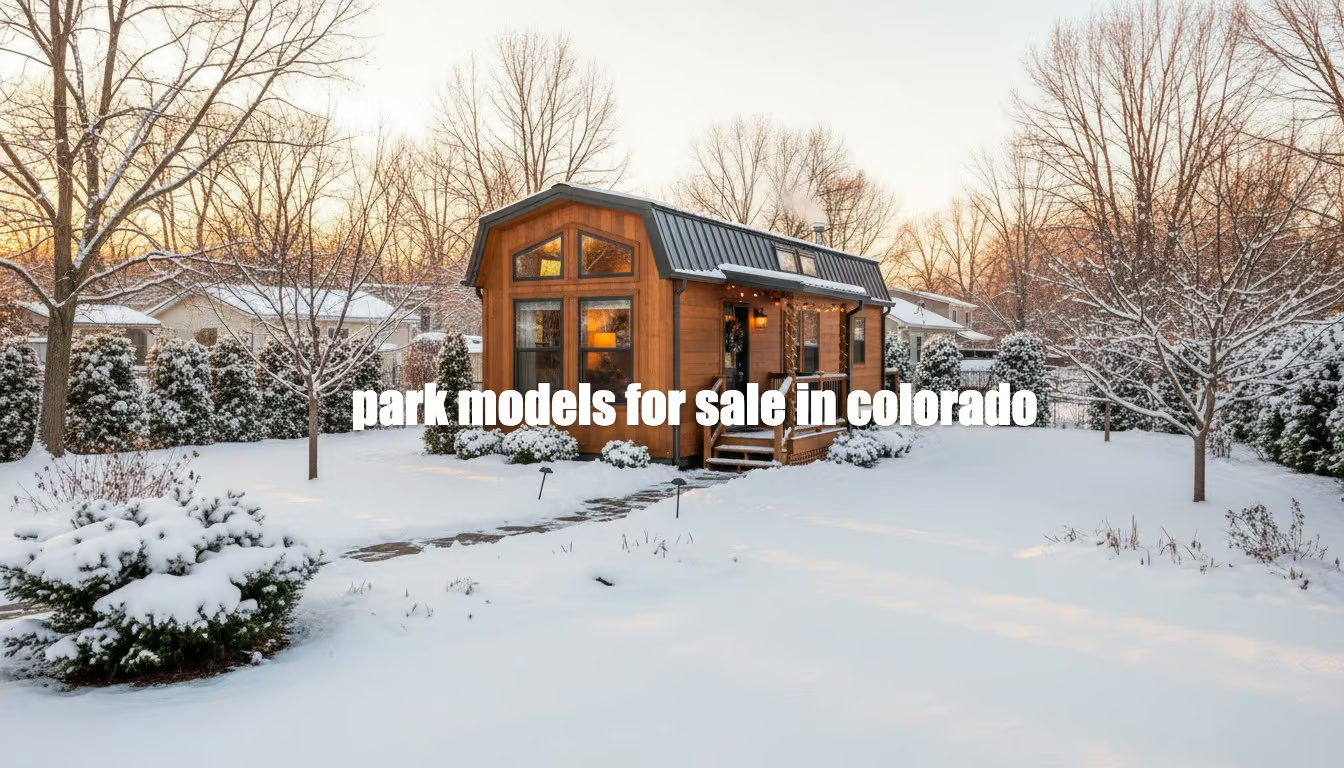
We’re excited to share our comprehensive guide to park models for sale in Colorado, where compact living meets mountain majesty. Park models are small, mobile recreational units typically under 400 square feet that offer comfortable, efficient living in a beautifully compact space. These versatile homes have become increasingly popular throughout Colorado as affordable housing alternatives, vacation retreats, and lucrative rental investments.
Colorado’s appeal for park model living is undeniable. From stunning Rocky Mountain vistas to charming mountain towns like Pagosa Springs, from vibrant Colorado Springs to peaceful creek-side communities, our state offers diverse locations that perfectly complement the park model lifestyle. Whether we’re seeking a weekend mountain cabin, downsizing from a larger home, or looking for an investment property in one of Colorado’s thriving tourist destinations, park models offer flexibility, affordability, and quality construction that traditional housing simply can’t match.
As we explore park model options in Colorado, we’ve found that quality craftsmanship and thoughtful design make all the difference in compact living. Great Lakes Tiny Homes brings years of expertise in creating park models that exceed expectations. Our understanding of what makes a small space feel like home, combined with our commitment to using premium materials and innovative layouts, helps individuals and families transition to park model living with confidence.
What Are Park Models? Understanding These Compact Homes
Park models are recreational vehicles (RVs) designed to provide temporary accommodation for recreation, camping, or seasonal use. By definition, these homes are built to a maximum of 400 square feet. Unlike conventional RVs or travel trailers, park models are built to ANSI A119.5 standards rather than the HUD code that governs manufactured homes.
What sets park models apart is their unique position in the housing spectrum. While manufactured homes are built to HUD standards and designed as permanent residences, park models are classified as RVs. This classification has significant implications for zoning, taxation, and where we can place our home.
We’ve observed that park models typically feature open-concept floor plans that maximize the feeling of space. Common amenities include full kitchens with standard appliances, complete bathrooms, sleeping lofts or separate bedrooms, living areas with residential-style furniture, and often covered porches that extend living space outdoors. The construction quality of modern park models is impressive, with many featuring residential-grade insulation, quality cabinetry, durable flooring, and energy-efficient windows.
Benefits of Owning a Park Model Home in Colorado
We’ve identified numerous compelling benefits to owning a park model home in Colorado:
- Exceptional Affordability: Park models offer an accessible entry point to homeownership or vacation property ownership, often ranging from $50,000 to $150,000 compared to median home prices exceeding $500,000 in many Colorado markets.
- Dramatically Lower Maintenance Costs: With less square footage to heat, cool, and maintain, we save thousands annually on utilities and upkeep. Colorado’s 300+ days of sunshine mean lower heating costs in many locations.
- Reduced Environmental Footprint: Park model living aligns with Colorado’s environmental consciousness. Smaller spaces require fewer resources to build, less energy to operate, and generate less waste.
- Remarkable Location Flexibility: Park models can be placed in RV parks, campgrounds, or on private property where zoning allows, enabling us to choose premium Colorado locations that would be financially out of reach with traditional housing.
- Potential Tax Advantages: Because park models are classified as RVs, we often avoid traditional property taxes and instead pay registration fees similar to other recreational vehicles.
- Rental Income Potential: Colorado’s thriving tourism industry makes park models excellent investment properties. We can generate substantial rental income through platforms like Airbnb and VRBO, with weekly rental rates ranging from $800 to $2,500 depending on location.
- Simplified Lifestyle: Park model living naturally encourages a more intentional, clutter-free lifestyle, allowing us to focus on what truly matters and spend more time enjoying Colorado’s incredible outdoor recreation.
Popular Park Model Types
We’re thrilled to showcase the stunning collection of park models from Great Lakes Tiny Homes, each designed to suit different lifestyles and preferences.
A-Frame Luxe
Our A-Frame Luxe measures 14′ x 43′ and represents the pinnacle of our A-Frame collection, combining distinctive style with maximum functionality. The iconic A-frame design is practical for Colorado’s snowy conditions, allowing snow to slide off easily.
Nova
We designed our Nova park model as a sleek, modern 1 bedroom/1 bathroom home featuring metal siding with cedar accents. The interior showcases a contemporary aesthetic with painted birch plywood walls, quartz countertops, and a large U-shaped kitchen. We’ve included a laundry center in the bathroom and a mini-split system for year-round comfort.
Twilight
Our Twilight model offers 396 square feet with 2 bedrooms and 1 bathroom, featuring metal siding with cedar accents. The modern interior includes painted birch plywood walls and a large L-shaped kitchen. We positioned the bedrooms on opposite ends, making it perfect for small families or hosting guests.
Grizzly
We’re particularly proud of our Grizzly, the longest and most spacious park model in our collection at 388 square feet with 1 bedroom and 1 bathroom. The impressive 8-foot porch is perfect for hosting guests, enjoying morning coffee with mountain views, or watching Colorado sunsets.
Firefly
Our Firefly park model captures authentic cabin charm with its 396 square feet, 2 bedrooms, and 1 bathroom layout. We’ve clad this beauty in half log siding with a metal roof, creating that classic Colorado cabin aesthetic. The rustic interior features tongue and groove pine walls and ceiling.
Aspen
We named our Aspen model after Colorado’s iconic mountain town. Measuring 12′ x 26′ (278 square feet) with 1 bedroom plus loft and 1 bathroom, this efficient design maximizes every inch. We’ve found this model is particularly popular as a seasonal Airbnb rental in mountain communities.
A-Frame United
Our A-Frame United measures 10′ x 20′ and redefines glamping by blending luxury with nature. We’ve incorporated two skylights that flood the interior with natural light and offer breathtaking views of Colorado’s star-filled skies or mountain peaks.
We invite you to explore our complete park model collection in detail and discover which design best fits your Colorado lifestyle dreams.
Best Locations for Park Models in Colorado
We’ve explored park model opportunities throughout Colorado and identified the most popular and suitable locations across our diverse state.
Mountain Communities
We find that Colorado’s mountain regions are among the most popular destinations for park models. Pagosa Springs, nestled in the San Juan Mountains, offers natural hot springs, world-class skiing, and a welcoming community for park model owners. Several RV resorts in the area accept park models for seasonal or year-round placement, with lot rental fees typically ranging from $400 to $800 per month. We also see strong park model presence near Estes Park, where proximity to Rocky Mountain National Park creates excellent rental income potential.
Front Range Communities
We’ve observed growing acceptance of park models in Front Range communities, particularly around Colorado Springs. The climate here is milder than the high country, making year-round living more practical. Several RV parks and resorts in the Pikes Peak region welcome park models, with monthly lot fees ranging from $500 to $900.
Western Slope and Wine Country
We’re seeing increased interest in park models on Colorado’s Western Slope, particularly near Grand Junction and in wine country. This region offers excellent value, with lot rental fees often lower than mountain communities, typically $350 to $650 per month. The growing wine tourism industry creates rental income opportunities.
High Country Resort Areas
We find that areas like Breckenridge, Frisco, and Silverthorne offer premium park model opportunities. These locations command top dollar for rentals—we’re talking $1,500 to $3,000 per week during ski season—but lot fees and regulations are more restrictive.
Legal and Zoning Considerations for Colorado Park Models
We want to ensure you understand the legal landscape for park models in Colorado before making your investment. The regulatory environment can be complex, varying significantly by county and municipality.
In Colorado, park models are classified as recreational vehicles (RVs) rather than permanent structures. This classification means park models fall under different regulations than manufactured homes or site-built houses. We’re subject to RV park regulations and zoning ordinances specific to recreational vehicles.
Regarding where we can legally place park models in Colorado, the options typically include licensed RV parks and campgrounds that specifically allow park models, private property in areas zoned for RV use or agricultural use with proper permits, and some planned communities designed specifically for park model living. We cannot simply place a park model on any residential lot—most residential zoning districts prohibit RVs as primary residences.
The question of full-time residency in park models is nuanced in Colorado. While park models are designed for temporary or seasonal use, many Coloradans do live in them full-time within RV parks that permit such use. However, we must be aware that some jurisdictions restrict the number of consecutive days we can occupy an RV. We always recommend checking with local code enforcement and the specific RV park or community where you plan to locate your park model.
For title and registration, we register park models with the Colorado Department of Motor Vehicles as recreational vehicles, not as real property. This means we receive a title similar to a vehicle title, and we pay annual registration fees rather than property taxes in most cases.
We strongly recommend working with local zoning officials, the park or community where you plan to place your park model, and potentially a real estate attorney familiar with Colorado RV and tiny home regulations before finalizing your purchase.
Financing Your Colorado Park Model Home
We understand that financing is a critical consideration when purchasing a park model in Colorado. Because park models are classified as RVs rather than real estate, traditional mortgage financing isn’t available, but we have several viable alternatives.
RV Loans
We find that RV loans are the most common financing method for park models. These loans are specifically designed for recreational vehicles and are offered by banks, credit unions, and specialized RV lenders. Interest rates typically range from 5% to 10%, depending on our credit score, down payment, and loan term. We can usually secure terms from 10 to 20 years for park models. Most lenders require a down payment of 10% to 20%, though we may find options with lower down payments if we have excellent credit.
Personal Loans
We sometimes use personal loans for park model purchases, especially for lower-priced units. Personal loans typically have shorter terms (3 to 7 years) and higher interest rates (7% to 15% or more) than RV loans, but they offer more flexibility in how we use the funds.
Manufacturer and Dealer Financing
We’re pleased to note that many park model manufacturers and dealers, including Great Lakes Tiny Homes, offer financing programs or partnerships with lenders who understand park models. These programs can streamline the financing process and sometimes offer promotional rates or terms.
Colorado-Specific Lending Considerations
While Colorado doesn’t have state-specific lending programs for park models, we do have access to credit unions throughout the state that are often more flexible with RV loans than traditional banks. We’ve found that Colorado-based credit unions like Ent Credit Union, Elevations Credit Union, and Premier Members Credit Union have experience with park model financing.
Customizing Your Park Model: Making It Your Own
We believe that customization is where park models truly become homes that reflect our personal style and meet our specific needs.
Interior Customization Options
We can select from various flooring options including luxury vinyl plank, traditional hardwood or engineered wood, tile in bathrooms and kitchens, or carpet in bedroom areas. For cabinetry, we choose from different wood species, stains, and paint colors, and we can upgrade to soft-close drawers and doors or add custom storage solutions. Appliance packages range from standard to high-end, and we can choose energy-efficient models or upgrade to stainless steel appliances.
Exterior Customization
We have numerous exterior options to ensure our park model fits perfectly in Colorado’s diverse landscapes. Siding materials include traditional lap siding in various colors, log or half-log siding for authentic Colorado cabin feel, metal siding with wood accents for a modern aesthetic, or board and batten for farmhouse style. Roofing options typically include metal roofing in various colors (excellent for snow shedding in Colorado) or architectural shingles.
Technology and Efficiency Upgrades
We’re seeing increasing interest in smart home technology and energy-efficient upgrades for park models. Options include smart thermostats, smart locks and security systems, LED lighting throughout, upgraded insulation for Colorado’s temperature extremes, energy-efficient windows and doors, tankless water heaters, and solar panel systems. Solar installations can significantly reduce or eliminate electricity costs, and we may qualify for federal tax credits and Colorado-specific solar incentives.
Great Lakes Tiny Homes Customization
We’re proud to offer extensive customization options at Great Lakes Tiny Homes. Our team works closely with each client to understand their vision and needs, then creates a park model that exceeds expectations. From selecting the perfect floor plan to choosing every finish detail, we guide our customers through the customization process.
Delivery and Setup Process for Park Models in Colorado
We want to walk you through the typical delivery and setup process for park models in Colorado so you know exactly what to expect when your new home arrives.
Site Preparation Requirements
Before our park model arrives, we need to ensure the site is properly prepared. This includes verifying that the site is level and stable, clearing the area of vegetation, rocks, and debris, ensuring adequate drainage, and confirming that utility connections are accessible. For sites in mountain areas, we may need additional grading or foundation work to account for slopes or unstable soil.
Transportation Logistics
We coordinate transportation from the manufacturer to our Colorado site. Park models are typically transported on specialized trailers by professional haulers. Delivery costs vary based on distance, with typical costs ranging from $3 to $5 per mile, meaning a delivery from out of state could cost $2,000 to $5,000 or more. Within Colorado, shorter distances might cost $1,000 to $3,000.
Foundation and Blocking
Once our park model arrives, we need proper foundation and blocking. Options include concrete piers or pads at strategic points under the frame, gravel pads with blocking, full concrete slab foundations, or specialized RV park pedestals. In Colorado, we must consider frost depth—foundations should extend below the frost line (typically 36 to 48 inches in most of Colorado) to prevent shifting during freeze-thaw cycles.
Utility Connections
We need to connect our park model to essential utilities, which typically include water, sewer, and electrical (typically 50-amp service for park models). Some of us also add propane for heating and cooking. In established RV parks, utility hookups are usually already in place, but on private property, we may need to install these systems, which can cost $5,000 to $15,000 or more.
Timeline and Costs
We should budget both time and money for the complete setup process. From delivery to move-in ready, the timeline typically ranges from 1 to 4 weeks. Total setup costs (beyond the park model purchase price) typically range from $5,000 to $20,000, including delivery, site preparation, foundation/blocking, utility connections, skirting, and steps/deck.
Maintaining Your Park Model Home in Colorado’s Climate
We know that proper maintenance is essential to protecting our investment and ensuring our park model remains comfortable and functional in Colorado’s diverse climate conditions.
Seasonal Maintenance for Mountain Locations
For those of us with park models in Colorado’s mountain regions, we face the most demanding climate conditions. Our fall preparation should include inspecting and sealing any exterior gaps or cracks, checking roof for damage, winterizing plumbing if we won’t be using the park model in winter, draining water heater and all water lines, adding antifreeze to drains and toilet, insulating exposed pipes, checking heating system operation, and ensuring skirting is secure and well-insulated.
Roof Maintenance
We can’t overstate the importance of roof maintenance in Colorado. We should inspect our roof at least twice yearly (spring and fall), check for any damage after major storms, ensure proper drainage, inspect and maintain roof sealants and flashings, and clear debris from roof and gutters.
HVAC Maintenance
We need to maintain our heating and cooling systems diligently. This includes changing or cleaning filters regularly (monthly during heavy use), having professional service annually, ensuring vents and returns are not blocked, and cleaning outdoor condenser units. Colorado’s temperature extremes mean our HVAC systems work hard, so proper maintenance extends their lifespan significantly.
Pest Control
We need to be proactive about pest control in Colorado. We should seal any gaps or openings in skirting and exterior, store food in sealed containers, keep the area around our park model clean and free of debris, consider professional pest control service, and install vent covers to prevent rodent entry.
Park Models as Investment Properties in Colorado
We’re excited to share the investment potential of park models in Colorado’s thriving tourism market. Our state’s natural beauty, outdoor recreation opportunities, and year-round attractions create excellent opportunities for park model rental income.
Rental Rates and Occupancy
We see significant variation in rental rates depending on location and season. In premium mountain locations near ski resorts, we can charge $150 to $400 per night during peak ski season, with weekly rates of $1,000 to $2,500. Summer rates in mountain areas typically range from $100 to $250 per night. In areas like Pagosa Springs, we might see more consistent occupancy with rates of $100 to $200 per night year-round.
Occupancy rates vary by location and our marketing efforts, but we typically see 40% to 70% occupancy in well-marketed properties in good locations.
Return on Investment Analysis
We can calculate potential ROI based on typical scenarios. For a $100,000 park model in a good location with average nightly rate of $150 and 50% occupancy (approximately 180 nights per year), we’d see gross rental income of $27,000 annually. After expenses including lot rental, utilities, cleaning and maintenance, platform fees, insurance, and supplies, our net income might be $9,000 to $13,000 annually. This represents a 9% to 13% return on investment before considering any financing costs.
Marketing Strategies
We’ve found that successful park model rentals require effective marketing. Key strategies include listing on multiple platforms (Airbnb, VRBO, Booking.com), creating compelling listings with professional photos, highlighting unique features and local attractions, maintaining excellent reviews through outstanding guest experiences, and offering competitive pricing with strategic discounts for longer stays.
Legal Requirements for Short-Term Rentals
We must comply with Colorado’s short-term rental regulations, which vary by location. Requirements typically include business licenses and permits, sales tax collection and remittance, lodging taxes, safety requirements (smoke detectors, carbon monoxide detectors, fire extinguishers), and HOA or park rules compliance.
Frequently Asked Questions About Colorado Park Models
Can we live in a park model full-time in Colorado?
We can live in a park model full-time in Colorado, but with important limitations. Park models are classified as RVs, so we can only use them as full-time residences in locations that permit such use—typically RV parks, campgrounds, or properly zoned private property. Many RV parks in Colorado do allow full-time residency. We should verify local zoning ordinances and park rules before committing to full-time park model living.
How much does it cost to move a park model in Colorado?
We typically pay $3 to $5 per mile for professional park model transportation in Colorado, with minimum charges usually around $1,000 to $1,500. Moving a park model across the state might cost $2,000 to $4,000, while shorter local moves might run $1,000 to $2,000. Additional costs may include permits, escort vehicles, setup and blocking at the new location, and utility disconnection and reconnection.
How long do park models last in Colorado’s climate?
We can expect a well-maintained park model to last 20 to 30 years or more in Colorado, though lifespan varies based on climate zone, quality of construction, maintenance practices, and usage patterns. Quality construction, like we provide at Great Lakes Tiny Homes, combined with diligent maintenance, can significantly extend lifespan.
What’s the difference between a park model and a manufactured home?
Park models are built to ANSI A119.5 standards and classified as RVs, limited to 400 square feet, designed for temporary or seasonal use, and registered with the DMV like vehicles. Manufactured homes are built to HUD code, can be much larger (typically 600-2,000+ square feet), designed as permanent residences, and titled as real property when permanently installed.
Can we customize a park model from Great Lakes Tiny Homes?
Absolutely! We offer extensive customization options at Great Lakes Tiny Homes. We can select floor plans, choose interior finishes, customize exterior siding and colors, upgrade appliances and systems, add porches or decks, and incorporate smart home technology or energy-efficient upgrades. We work closely with each customer to create a park model that meets their specific needs and preferences.
How long does it take to build and deliver a park model?
We typically complete stock park models in 4 to 8 weeks, while custom builds take 3 to 6 months depending on the extent of customization and our current production schedule. After completion, delivery to Colorado locations usually occurs within 1 to 2 weeks. We recommend starting the process several months before you need the park model.
Do we need special insurance for a park model in Colorado?
Yes, we need RV insurance rather than traditional homeowners insurance for our park model. This insurance should include physical damage coverage, liability coverage, and additional coverage options. If we’re financing our park model, the lender will require specific coverage levels. If we’re using it as a rental property, we need additional liability coverage.
Finding Your Perfect Colorado Park Model: Next Steps
We’ve covered extensive ground in this guide to park models for sale in Colorado, from understanding what park models are to exploring financing, customization, legal considerations, and investment potential. We hope you now have a comprehensive understanding of the opportunities and considerations involved in park model ownership in our beautiful state.
The benefits of park model living in Colorado are compelling: we can enjoy affordable access to some of the most desirable locations in the state, from mountain retreats to Front Range communities. We can simplify our lives, reduce our environmental footprint, and focus on experiences rather than maintaining large homes.
Colorado’s diverse environments—from the snow-capped peaks of the Rockies to the sunny Western Slope, from charming mountain towns like Pagosa Springs to vibrant communities along the Front Range—provide the perfect backdrop for park model living. We can wake up to mountain views, enjoy world-class outdoor recreation, and be part of welcoming communities that embrace the park model lifestyle.
As we move forward, we recommend taking these actionable next steps. First, clarify your goals: determine whether you’re seeking a vacation home, full-time residence, or investment property. Second, research locations by exploring different regions of Colorado and understanding local zoning regulations. Third, establish your budget by determining how much you can afford and exploring financing options.
Fourth, explore park model options by reviewing different manufacturers and models. We invite you to explore our Great Lakes Tiny Homes collection and consider which floor plans and features best meet your needs. Fifth, visit display models in person—there’s no substitute for walking through park models to get a feel for the space and quality.
Great Lakes Tiny Homes stands ready to help you navigate the park model journey with confidence. Our experience in creating high-quality, thoughtfully designed park models, combined with our commitment to customer satisfaction, makes us a valuable partner in your search. We deliver turnkey modular and park model homes across the lower 48 U.S. states, making us a practical and reliable choice for anyone exploring this type of living, regardless of where you’re located.
We’re witnessing a significant shift in how people think about housing in Colorado. As traditional home prices continue to climb and more people prioritize experiences and flexibility over square footage, alternative housing options like park models are gaining momentum. We’re part of a growing movement of Coloradans who are choosing to live more intentionally, more affordably, and more connected to the natural beauty that makes our state so special.
Whether you’re dreaming of a cozy cabin in the mountains, a modern retreat near Colorado Springs, or an investment property in a tourist destination, we’re confident that park models offer a path to making that dream a reality. The journey to finding your perfect Colorado park model starts with a single step—and we’re here to walk alongside you every step of the way.