
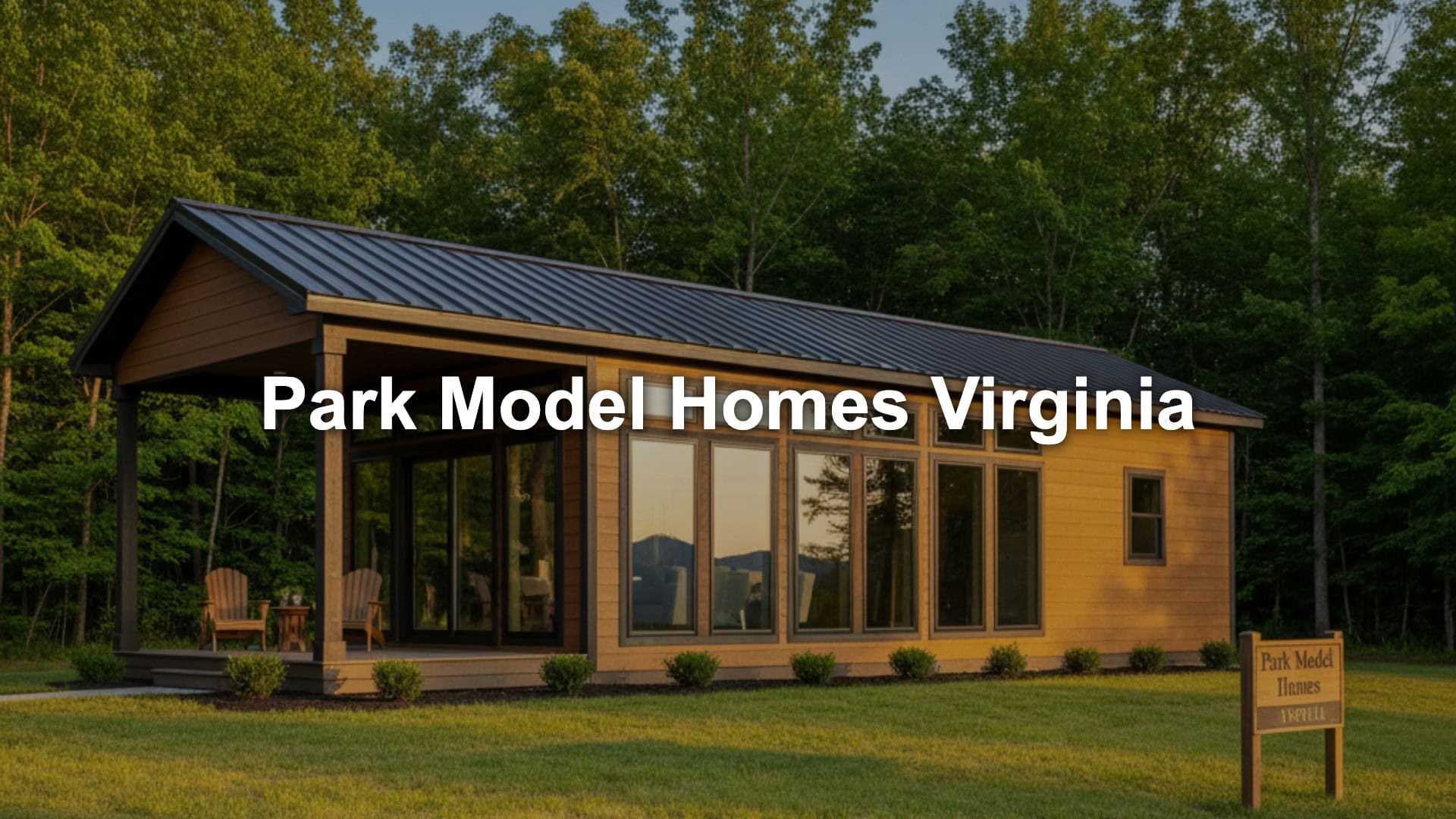
When families gather around the dinner table in their new park model home, sharing stories of the day while watching the sun set through expansive windows, they discover what home truly means. Park model homes in Virginia offer an affordable path to homeownership that combines comfort, quality, and flexibility in ways traditional housing simply cannot match. These thoughtfully designed homes bridge the gap between RV living and traditional housing, providing spacious interiors that feel like permanent residences while maintaining the mobility and affordability that modern families need.
Virginia’s diverse geography, from the Blue Ridge Mountains to the Chesapeake Bay, creates countless opportunities for park model living. Whether you’re seeking a full-time residence, a vacation retreat, or an investment property, we’ll explore everything you need to know about park model homes in the Old Dominion State. The state’s rich history, mild climate, and abundant recreational opportunities make it an ideal location for park model communities, while Virginia’s progressive zoning laws in many counties provide more flexibility for alternative housing solutions than neighboring states.
Why Choose a Park Model Home in Virginia
From the scenic Shenandoah Valley to Virginia’s bustling metropolitan areas, park model homes provide an ideal housing solution that adapts to the state’s varied landscape and climate conditions. Virginia’s unique position on the East Coast offers residents access to both mountain recreation and coastal activities, making park model homes particularly attractive for those who value mobility and lifestyle flexibility.
- Built for Virginia’s Four-Season Climate: Our park models feature enhanced insulation, energy-efficient windows, and climate control systems designed to handle Virginia’s humid summers and cold winters with ease. Virginia’s climate presents unique challenges with high humidity levels reaching 70-80% during summer months, while winter temperatures can drop below freezing in mountain regions. Our advanced moisture management systems, including proper vapor barriers and ventilation, prevent condensation issues that plague lesser-quality structures. The reinforced construction handles Virginia’s occasional severe weather, including thunderstorms, ice storms, and high winds that can exceed 60 mph during coastal weather events.
- Exceptional Energy Performance: Advanced construction techniques and high-quality materials ensure your Virginia park model maintains comfortable temperatures year-round while keeping utility costs low. Our double-pane, low-E windows reduce heat transfer by up to 40% compared to standard RV windows, while our upgraded insulation packages provide R-values of R-13 in walls and R-19 in ceilings. Virginia residents report average monthly utility bills between $80-150, significantly lower than comparable traditional homes. The energy efficiency becomes particularly valuable during Virginia’s hot, humid summers when air conditioning costs can strain household budgets.
- Multiple Housing Options: Whether you need a primary residence, Airbnb rental property, or accessory dwelling unit, our park models adapt to Virginia’s diverse zoning requirements and lifestyle needs. Virginia’s growing tourism industry, particularly around Shenandoah National Park, Virginia Beach, and wine country regions, creates excellent opportunities for short-term rental income. Many owners report occupancy rates above 75% during peak seasons, generating $1,200-2,500 monthly rental income. As ADUs, park models provide affordable housing solutions for aging parents or adult children while maintaining family proximity and independence.
- Virginia-Wide Delivery Network: We coordinate professional delivery and setup services throughout Virginia, from Norfolk to Winchester, ensuring your park model arrives ready for immediate occupancy. Our delivery partners understand Virginia’s unique transportation challenges, including weight restrictions on historic bridges, narrow mountain roads, and urban delivery constraints. We handle all necessary permits, route planning, and coordination with local utilities to ensure seamless installation. Our network includes certified technicians familiar with Virginia building codes and inspection requirements in each jurisdiction.
- Quick Construction Timeline: While traditional Virginia home construction often takes 6-12 months, our park models typically complete within 8-12 weeks, getting you into your new home faster. Virginia’s construction industry faces significant delays due to material shortages, labor constraints, and permitting backlogs that can extend traditional home builds well beyond initial timelines. Our controlled manufacturing environment eliminates weather delays and supply chain disruptions common in site-built construction, providing predictable delivery schedules that allow better planning for your housing transition.
How Ordering a Park Model From Great Lakes Tiny Homes Works
Many Virginia buyers wonder about the complexity of ordering a custom park model home, but our proven process eliminates guesswork and ensures a smooth experience from concept to completion. We’ve refined our approach through hundreds of Virginia deliveries, understanding the specific challenges and opportunities that Virginia’s diverse geography and regulations present.
- Initial Discovery Call: We discuss your Virginia location, intended use, budget parameters, and design preferences during a comprehensive consultation. Our Virginia specialists understand local zoning variations, from Virginia Beach’s coastal regulations to Fairfax County’s suburban requirements and rural Appalachian county guidelines. We review your site conditions, including soil type, drainage, utility access, and setback requirements to identify potential challenges before construction begins. This thorough planning prevents costly surprises and ensures your park model meets all local compliance requirements.
- Design Selection & Customization: Choose your floor plan, finishes, and Virginia-specific features like enhanced HVAC systems or porch configurations. Virginia’s diverse climate zones require different approaches – coastal areas benefit from elevated designs and moisture-resistant materials, while mountain regions need enhanced heating systems and snow load considerations. We offer Virginia-popular features including screened porches for bug-free outdoor living, upgraded kitchen packages for entertaining, and flexible room configurations that adapt to changing family needs. Our design team helps optimize your layout for your specific Virginia lifestyle and location.
- Professional Construction: Our skilled craftsmen build your park model using RVIA-certified processes and quality materials in our controlled manufacturing environment. Every Virginia park model receives enhanced quality control inspections, including moisture testing, electrical system verification, and structural integrity assessments. We use premium materials specifically chosen for Virginia’s climate, including moisture-resistant subflooring, corrosion-resistant hardware, and UV-protected exterior finishes that maintain their appearance despite Virginia’s intense summer sun and seasonal temperature variations.
- Virginia Delivery & Installation: We transport your completed park model to your Virginia site and handle all setup requirements, including utility connections and final inspections. Our Virginia delivery process includes route surveys for challenging locations, coordination with local utility companies for connection scheduling, and arrangement of any required permits or inspections. We work with certified Virginia contractors for site preparation, ensuring proper grading, utility trenching, and foundation preparation that meets local codes. Our installation teams complete full system testing and provide comprehensive orientation on all home systems and maintenance requirements.
- Ongoing Customer Support: Receive comprehensive documentation, warranty coverage, and continued assistance for maintenance questions or future modifications. Our Virginia support includes seasonal maintenance reminders specific to the state’s climate, connections to local service providers for routine maintenance, and priority support during extreme weather events. We maintain detailed records of your home’s specifications and provide ongoing consultation for any modifications or upgrades you might want to make as your needs evolve.
Ready to start your Virginia park model journey? Schedule your consultation with our team today.
Park Model Living in Virginia
Picture yourself waking up to morning mist over Smith Mountain Lake or enjoying evening breezes on your park model’s covered porch while watching deer graze in nearby fields. Virginia’s geography creates exceptional opportunities for park model living that few other states can match. The state’s 400+ years of history blend seamlessly with modern conveniences, creating communities where park model residents enjoy both cultural richness and natural beauty.
Virginia’s extensive lake systems, including Smith Mountain Lake, Lake Anna, and Claytor Lake, provide ideal settings for waterfront park model communities and private lakeside retreats. These lakes offer year-round recreation opportunities, from summer swimming and boating to winter fishing and scenic walks, making waterfront park model living particularly appealing. The state’s moderate climate, with average temperatures ranging from 35°F in winter to 85°F in summer, makes year-round park model living comfortable throughout most of Virginia, though mountain regions may experience more extreme temperature variations that require enhanced heating systems. Many residents appreciate how park models integrate seamlessly with Virginia’s outdoor recreation culture, from hiking the Appalachian Trail to exploring Shenandoah National Park, while providing a low-maintenance home base that doesn’t require constant upkeep like traditional vacation properties. Virginia’s extensive state park system, wine country regions, and coastal areas provide endless exploration opportunities within easy driving distance of most park model communities. For those exploring tiny homes in Virginia, park models offer similar benefits with additional space and amenities that make them suitable for full-time living or extended stays.
The climate considerations that make Virginia attractive for park model living include mild winters that rarely require extreme heating measures, though proper insulation remains important for comfort and energy efficiency. Virginia’s humidity levels, particularly in summer months, make proper ventilation and moisture control essential features that our park models address through advanced HVAC design and building envelope construction. The state’s tornado risk is relatively low compared to Midwest regions, though severe thunderstorms and occasional hurricanes require sturdy construction that meets enhanced wind resistance standards.
Where Can You Put a Park Model in Virginia
Contrary to popular belief, Virginia park models aren’t limited to RV parks – the state’s zoning framework actually provides numerous legal placement options for RVIA-certified park model homes. Understanding Virginia’s complex zoning landscape requires knowledge of how the state’s 95 counties and 38 independent cities approach alternative housing, with regulations varying significantly between jurisdictions and even within counties based on specific zoning districts.
Park model communities represent the fastest-growing placement option in Virginia, with dedicated developments in areas like Lake Anna, Smith Mountain Lake, and the Northern Virginia region offering resort-style amenities, maintenance services, and established utility infrastructure. These communities often provide clubhouses, swimming pools, boat ramps, and social activities that create vibrant neighborhoods where residents form lasting friendships and support networks. Many Virginia park model communities cater to specific demographics, including active adult communities for residents 55+, family-friendly developments with playgrounds and recreational facilities, and luxury communities with high-end amenities like golf courses and spa facilities.
Traditional RV parks and campgrounds throughout Virginia welcome park models as permanent or seasonal residences, providing immediate access to recreational facilities, social activities, and professional management services. Virginia’s campground industry has evolved to accommodate long-term residents, with many facilities offering annual leases, mail service, and enhanced utilities including high-speed internet that makes remote work feasible. Seasonal residents often appreciate the flexibility to travel during extreme weather while maintaining their Virginia home base during pleasant months.
Private land placement requires proper zoning compliance – many Virginia counties permit park models on agricultural or rural residential properties with appropriate setbacks and utility connections, though local regulations vary significantly between jurisdictions. Rural Virginia counties often provide the most flexibility, particularly for agricultural properties where park models serve as farm worker housing or family retreat centers. However, utilities access can be challenging in remote areas, potentially requiring well and septic systems, propane for heating and cooking, and solar power systems for off-grid living.
Accessory dwelling unit applications are emerging in Virginia’s suburban areas, where park models serve as in-law suites, home offices, or rental units on existing residential properties, subject to local ADU ordinances and permit requirements. Northern Virginia jurisdictions have been particularly progressive in ADU regulations, recognizing the need for affordable housing solutions in high-cost markets where traditional homes often exceed $500,000.
Since Virginia’s 95 counties and 38 independent cities maintain different zoning codes, we recommend confirming local regulations before finalizing your park model placement. Our RVIA certification and permanent wheel configuration provide flexibility for most Virginia jurisdictions, though some areas may require foundation installation or specific permits that can affect placement timelines and costs.
How Much Does a Park Model Cost in Virginia
With Virginia’s median home price approaching $350,000 in many markets, and exceeding $500,000 in Northern Virginia counties like Fairfax and Loudoun, park model homes offer significant value compared to traditional housing options throughout the state. The affordability advantage becomes even more pronounced when considering Virginia’s property taxes, which average 0.74% annually but can exceed 1.0% in high-value areas, making the lower assessment values of park models particularly attractive for budget-conscious buyers.
Great Lakes Tiny Homes park models and tiny homes typically run about $61,000 (e.g., The Pinnacle Tiny House on Wheels) to about $155,000 (e.g., the A-Frame Luxe), with customization options. Virginia-specific factors affecting final pricing include enhanced climate control systems for humid summers, where upgraded HVAC units with better dehumidification capabilities add $3,000-5,000 to base pricing but provide significant comfort and energy savings. Upgraded insulation packages for mountain regions where winter temperatures regularly drop below freezing can add $2,000-4,000 but reduce heating costs by 25-30% annually. Covered porch additions popular throughout the state for outdoor living and weather protection typically cost $4,000-8,000 depending on size and complexity, while screened porch options add another $2,000-3,000 but provide bug-free outdoor enjoyment during Virginia’s mosquito season.
Delivery distances from our manufacturing facility significantly impact transportation costs, with Virginia deliveries typically ranging from $3,000-7,000 depending on destination accessibility and route complexity. Northern Virginia deliveries often cost more due to urban navigation challenges and permit requirements, while rural mountain locations may require specialized transportation equipment for narrow or winding roads.
Site preparation costs vary significantly across Virginia’s terrain – level lots in Tidewater regions require minimal preparation, typically $2,000-5,000 for basic utility connections and pad preparation, while mountain locations may need extensive grading, utility extensions, or access road improvements that can add $5,000-15,000 to your total investment. Rocky soil conditions common in Virginia’s Piedmont region can increase foundation preparation costs, while coastal areas may require elevated installations and additional drainage considerations that affect site preparation complexity and expense.
Explore our completed projects and pricing options at our portfolio gallery to see what’s possible for your Virginia location.
Park Models Available Across Virginia
Serving Virginia from the Appalachian Mountains to the Atlantic Coast, we deliver park models to communities throughout the Commonwealth, navigating the state’s diverse transportation infrastructure and geographic challenges to ensure reliable delivery service regardless of your location.
- Richmond
- Virginia Beach
- Norfolk
- Chesapeake
- Newport News
- Alexandria
- Hampton
- Portsmouth
- Suffolk
- Roanoke
- Lynchburg
- Harrisonburg
- Charlottesville
- Winchester
- Fredericksburg
- Danville
- Bristol
- Martinsville
- Waynesboro
- Staunton
Frequently Asked Questions About Park Models in Virginia
What does a park model cost in Virginia?
Park models in Virginia typically range from $61,000 to $155,000 depending on size, features, and customization level. Virginia-specific options like enhanced HVAC systems, covered porches, and climate-appropriate materials may affect pricing. Site preparation and delivery costs vary based on your location within the state, with mountain and remote locations typically requiring higher investment for access and utilities.
Can park models handle Virginia’s climate year-round?
Absolutely – our park models are engineered for four-season living with enhanced insulation, energy-efficient windows, and robust HVAC systems. Virginia’s moderate climate, ranging from 35°F winters to 85°F summers, falls well within our design parameters. Many Virginia residents live in park models full-time without climate-related issues, though mountain regions may require supplemental heating during extreme cold snaps.
How do I finance a park model in Virginia?
Park models qualify for RV loans, personal loans, and sometimes conventional financing depending on placement and foundation requirements. Virginia credit unions and specialized RV lenders often provide competitive rates for park model purchases, typically offering terms from 10-20 years with rates ranging from 4-8% depending on credit qualifications. We can connect you with financing partners familiar with Virginia park model transactions and local lending requirements.
What’s the difference between RVIA certification and regular RVs?
RVIA-certified park models meet stricter construction standards than typical RVs, including residential-grade materials, enhanced insulation, and permanent electrical systems. This certification ensures your Virginia park model meets building codes for long-term occupancy while maintaining mobility for zoning compliance. The construction quality and safety standards significantly exceed typical RV manufacturing, providing durability and comfort suitable for permanent residence.
How long does delivery take to Virginia?
Delivery to Virginia typically occurs within 2-3 weeks after your park model completes construction. We coordinate with local contractors for site preparation, utility connections, and final setup to ensure your Virginia park model is ready for immediate occupancy upon arrival. Weather conditions, permit processing, and site accessibility can affect delivery schedules, particularly during Virginia’s winter months when mountain access may be limited.
Where can I legally place a park model in Virginia?
Virginia allows park models in RV parks, campgrounds, properly zoned private land, park model communities, and some residential areas as ADUs. Each of Virginia’s 95 counties and 38 cities maintains different regulations, so we recommend confirming local zoning requirements before purchase. Our team can help navigate Virginia’s complex zoning landscape and connect you with local officials for compliance verification.
Do park models hold their value in Virginia?
Quality park models typically maintain strong resale value in Virginia’s active recreational and housing markets. Factors like location, condition, and community amenities significantly influence resale potential. Virginia’s growing park model community market supports healthy appreciation for well-maintained units, particularly in desirable locations near lakes, mountains, or urban centers where housing demand remains strong.
Get Your Park Model in Virginia
From Virginia’s mountain retreats to coastal communities, a Great Lakes Tiny Homes park model delivers the perfect combination of quality construction, energy efficiency, and affordable luxury that makes homeownership accessible throughout the Commonwealth. Virginia’s welcoming communities, diverse recreational opportunities, and reasonable cost of living create an ideal environment for park model living, whether you’re seeking a permanent residence, vacation home, or investment property.
Book a Call With Our Experts — we have helped hundreds of customers make their tiny home dreams a reality.