
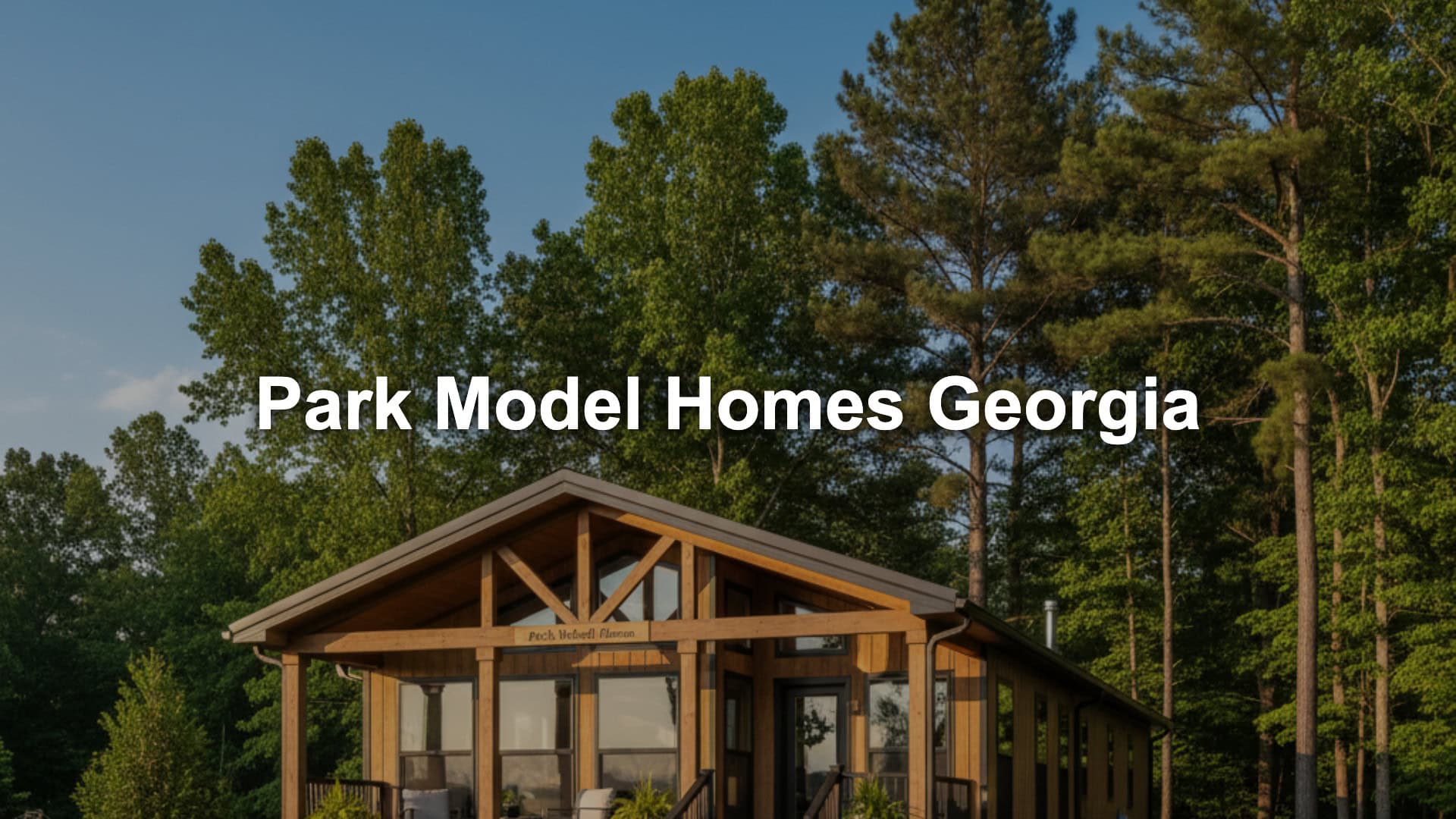
Georgia’s housing market has reached new heights with median home prices climbing above $300,000, making traditional homeownership increasingly challenging for many residents. Park model homes present a compelling alternative that combines affordability, flexibility, and quality construction to help you achieve your housing goals without the financial burden of a conventional mortgage. These innovative dwellings offer the perfect solution for first-time buyers, downsizing retirees, investment-minded entrepreneurs, and anyone seeking an escape from the endless cycle of rent increases that have plagued Georgia’s major metropolitan areas.
The appeal of park model homes extends far beyond simple cost savings. Unlike traditional site-built homes that can take 8-12 months to complete, park models offer immediate housing solutions with professional construction standards that rival conventional residential buildings. Our RVIA-certified homes meet stringent safety and quality standards while providing the flexibility to relocate if your circumstances change. This adaptability proves especially valuable in Georgia’s dynamic economy, where job opportunities and lifestyle preferences can shift rapidly across different regions of the state.
Why Choose a Park Model Home in Georgia
Georgia’s competitive real estate market demands creative housing solutions that offer both value and versatility. The state’s robust tourism industry, growing population, and diverse geography create unique opportunities for park model owners who understand how to leverage these advantages. Here are five key advantages of choosing a Great Lakes Tiny Homes park model in Georgia:
- Rental Investment Potential – Generate income through Airbnb or long-term rentals in Georgia’s thriving tourism markets from the mountains to the coast. Popular destinations like Blue Ridge, Helen, Tybee Island, and Lake Lanier command premium nightly rates, with some park model owners reporting annual rental incomes exceeding $40,000. The state’s year-round appeal means consistent booking opportunities, whether guests are seeking fall foliage in North Georgia, spring festivals in Savannah, or summer lake activities throughout the region.
- Rapid Construction Timeline – Complete your build and move in within months instead of waiting years for traditional home construction. While conventional homes in Georgia face material shortages, labor delays, and permitting backlogs that can extend timelines indefinitely, our controlled manufacturing environment ensures predictable delivery schedules. This speed-to-market advantage proves crucial for rental investors who want to start generating income quickly or families facing immediate housing needs.
- Regional Delivery Network – We coordinate seamless delivery and professional setup throughout Georgia with our established logistics partners who understand local terrain, permitting requirements, and utility connections. Our delivery teams have successfully navigated everything from mountain access roads in Rabun County to coastal installations near Brunswick, ensuring your park model arrives safely regardless of your chosen location.
- Minimal Upkeep Requirements – Spend more time enjoying Georgia’s outdoor recreation instead of maintaining your home with our low-maintenance designs that feature durable exterior materials, efficient mechanical systems, and thoughtful layouts that minimize cleaning time. Unlike traditional homes that require constant painting, roof repairs, and landscaping maintenance, park models free up weekends for exploring Georgia’s state parks, attending festivals, or simply relaxing.
- Excellent Resale Performance – Maintain strong property values with RVIA-certified construction that appeals to Georgia’s growing tiny home market and increasing acceptance of alternative housing solutions. As more counties update zoning codes to accommodate smaller dwellings and sustainable living options, park model values continue strengthening across the state.
How Ordering a Park Model From Great Lakes Tiny Homes Works
Getting your park model delivered to Georgia is simpler and faster than you might expect, but the process involves several important steps that ensure your satisfaction and successful installation. Our streamlined approach eliminates the confusion and delays common in traditional home construction while maintaining the highest quality standards. Here’s what to expect throughout your journey with us:
- Initial Discovery Call – We discuss your specific Georgia location, intended use, and design preferences during our comprehensive consultation that typically lasts 45-60 minutes. During this conversation, we explore your budget parameters, timeline requirements, site conditions, and local zoning considerations to ensure we recommend the most suitable options for your situation. Our team asks detailed questions about your lifestyle needs, aesthetic preferences, and long-term goals to create a foundation for all subsequent decisions.
- Design Selection and Customization – Choose from our proven models and personalize features, finishes, and layouts to match your vision while staying within budget and timeline constraints. This phase includes reviewing floor plans, selecting interior and exterior finishes, choosing appliance packages, and determining any special modifications needed for Georgia’s climate or your intended use. We provide detailed renderings and material samples to help visualize your completed home before construction begins.
- Professional Construction Phase – Our skilled craftsmen build your home using premium materials and time-tested construction methods in our climate-controlled facility, ensuring consistent quality regardless of weather conditions. Throughout this 6-8 week process, we provide regular updates with photos and progress reports, allowing you to see your investment taking shape. Quality control inspections at multiple stages guarantee that every component meets our exacting standards before final assembly.
- Georgia Delivery and Setup – We coordinate transportation to your site and handle complete installation with utility connections and final inspections, working closely with local contractors and permitting offices to ensure compliance with all regulations. Our delivery team conducts thorough site preparation assessments, coordinates utility rough-ins, and provides comprehensive walkthrough training so you understand all systems and maintenance requirements.
- Continued Partnership – Access ongoing support and maintenance guidance to keep your investment performing at its best, including seasonal maintenance reminders, warranty service coordination, and consultation on any modifications or upgrades you might consider. We maintain detailed records of your specific configuration to expedite any future service needs or questions that arise.
Ready to start your park model journey? Schedule your consultation to explore how we can bring your vision to life.
Park Model Living in Georgia
Georgia attracts over 130 million visitors annually, creating exceptional opportunities for park model owners who want to capitalize on tourism income while enjoying a simplified lifestyle. The state’s strategic location in the Southeast, combined with world-class attractions like the Georgia Aquarium, Okefenokee Swamp, and numerous historical sites, ensures steady visitor traffic throughout most of the year. This tourism infrastructure translates directly into rental opportunities for strategically located park models, particularly those within driving distance of major attractions or natural recreation areas.
The state’s mild climate allows comfortable year-round living, with average winter temperatures rarely dropping below freezing except in the northernmost mountain counties. This weather advantage means lower heating costs, reduced maintenance concerns, and the ability to enjoy outdoor activities in every season. Spring arrives early in Georgia, extending the prime tourism season and creating additional rental income opportunities for park model owners who market to visitors seeking comfortable accommodations during peak travel periods.
Whether you’re drawn to rural mountain settings near Helen and Dahlonega or prefer proximity to urban centers like Atlanta and Savannah, Georgia accommodates both approaches to park model living with distinct advantages for each choice. Mountain locations offer cooler summers, spectacular fall foliage, and access to hiking trails, waterfalls, and outdoor adventure activities that attract visitors willing to pay premium rates for unique experiences. Urban-adjacent placements provide easier access to employment opportunities, cultural amenities, and the convenience of city services while maintaining the affordability and simplicity of park model living.
The state’s tourism seasons create natural rental opportunities, particularly in mountain regions during fall leaf season and coastal areas during spring and summer months. Savannah’s historic district draws visitors year-round, while beach communities like St. Simons Island and Jekyll Island see peak demand from March through October. Lake Lanier, one of the most visited lakes in America, generates consistent rental demand from Atlanta residents seeking weekend getaways and out-of-state visitors exploring Georgia’s recreational opportunities. For those seeking permanent residence, tiny homes in Georgia offer an affordable path to homeownership while maintaining access to major employment centers and recreational activities.
Where Can You Put a Park Model in Georgia?
Your placement strategy depends on your primary goals, whether that’s generating rental income, creating a permanent residence, or establishing a vacation retreat. Georgia’s diverse regulatory environment means that placement options vary significantly between counties, with some areas embracing alternative housing solutions while others maintain more restrictive approaches. Understanding these differences helps you choose locations that align with your intended use and long-term objectives. Georgia provides several legal placement options, each with distinct advantages and requirements:
Accessory Dwelling Units (ADUs) – Many Georgia counties now permit ADUs on existing residential properties, offering family members independent housing or creating rental income streams while maintaining property tax advantages and neighborhood compatibility. Atlanta’s recent ADU ordinance allows units up to 750 square feet, while counties like Gwinnett and Fulton have adopted similar provisions with varying size and placement restrictions. This option works particularly well for multi-generational families, property owners seeking rental income, or those wanting to test tiny living before committing to a standalone property. Check local zoning requirements as regulations vary significantly between municipalities, and some areas require owner occupancy of either the primary residence or the ADU.
RV Parks and Campgrounds – Our RVIA-certified park models qualify for placement in recreational vehicle parks throughout Georgia, providing immediate utility hookups and community amenities without the complexity of residential zoning approvals. Georgia hosts over 200 RV parks and campgrounds, ranging from basic utility hookups to resort-style facilities with pools, clubhouses, and organized activities. This option offers the most straightforward path to placement with minimal permitting requirements, making it ideal for those who want to begin park model living quickly or test different locations before making permanent commitments.
Private Land with Proper Zoning – Rural properties zoned for residential or agricultural use often accommodate park models, especially when installed on permanent foundations that comply with local building codes. Georgia’s agricultural zoning typically allows farm worker housing, which can include park models used for family members or seasonal workers. Some counties permit park models as primary residences on lots as small as one acre, while others require larger parcels or specific setback distances from property lines. Verify local building codes and obtain necessary permits before delivery, as requirements for electrical, plumbing, and septic systems vary considerably across different jurisdictions.
Park Model Communities – Specialized developments designed for park model homes provide shared amenities, maintenance services, and community atmosphere while maintaining individual property ownership rights or long-term lease arrangements. These communities often feature clubhouses, swimming pools, walking trails, and organized social activities that appeal to active adults and retirees seeking maintenance-free living with built-in social connections. Georgia hosts several established park model communities, particularly in retirement-friendly areas like the coast and foothills.
Remember that our park models come with wheels for initial delivery but can be permanently installed on foundations depending on your local requirements and long-term plans. Foundation installation often triggers residential building code requirements, including inspections for electrical, plumbing, and structural components. However, permanent installation can increase property values and may be required for certain financing options or insurance coverage. Always confirm specific zoning regulations with local authorities before finalizing your placement decision, as enforcement practices and interpretation of regulations can vary even within the same county.
How Much Does a Park Model Cost in Georgia?
Budget planning starts with understanding that our park models offer exceptional value compared to Georgia’s median home prices, which have increased over 15% annually in many markets. Traditional single-family homes in desirable Georgia locations often exceed $400,000, making park models an attractive alternative for buyers seeking quality construction without overwhelming mortgage payments. Great Lakes Tiny Homes park models and tiny homes typically run about $61,000 (e.g., The Pinnacle Tiny House on Wheels) to about $155,000 (e.g., the A-Frame Luxe), with customization options that let you balance features with budget constraints while achieving your specific lifestyle and functional requirements.
Several factors influence your final investment in Georgia, including overall square footage, premium finishes and appliances, and delivery distance from our manufacturing facility. Larger models with full-size appliances, hardwood flooring, and luxury bathroom fixtures naturally command higher prices, while efficient layouts with standard finishes provide excellent value for budget-conscious buyers. Georgia’s climate considerations such as enhanced insulation for mountain regions or coastal moisture protection can add value while ensuring long-term performance and energy efficiency that reduces operating costs over time.
Delivery costs to Georgia typically range from $3,000 to $8,000 depending on your location’s distance from our facility and accessibility challenges such as narrow roads or steep terrain. Site preparation expenses vary widely based on existing conditions, with level lots requiring minimal work while sloped or undeveloped sites might need grading, utility extensions, or foundation preparation. Many customers find that financing options make park model ownership accessible even with modest down payments, creating immediate housing solutions without traditional mortgage complications or the lengthy approval processes common with conventional home loans.
Additional costs to consider include utility connections, permitting fees, and any required site improvements such as driveways, landscaping, or storage buildings. Insurance costs for park models typically run lower than traditional homeowner’s policies, especially when the unit retains its wheels and RVIA certification. Property taxes also tend to be significantly lower than comparable square footage in site-built homes, providing ongoing savings that improve the long-term affordability equation.
Explore our completed projects and pricing details at our past projects gallery to see real examples of what’s possible within different budget ranges.
Park Models Available Across Georgia
We deliver park models throughout Georgia and work with local contractors and delivery specialists to ensure professional installation wherever you’re located in the state. Our extensive delivery network covers urban centers, rural communities, and everything in between, with experienced drivers who understand the unique challenges of navigating Georgia’s diverse terrain from mountain switchbacks to coastal lowlands.
- Atlanta
- Augusta
- Columbus
- Macon
- Savannah
- Athens
- Sandy Springs
- Roswell
- Johns Creek
- Albany
- Warner Robins
- Alpharetta
- Marietta
- Valdosta
- Smyrna
Frequently Asked Questions About Park Models in Georgia
What zoning laws apply to park models in Georgia?
Georgia zoning varies significantly by county and municipality, with some areas treating RVIA-certified park models as recreational vehicles while others require residential building permits. Most counties allow park models in agricultural zones, RV parks, and designated tiny home communities, but specific regulations depend on local ordinances and enforcement practices. Some progressive areas like certain Atlanta suburbs have updated codes to specifically accommodate tiny homes and ADUs, while more conservative jurisdictions maintain traditional minimum square footage requirements. Always verify local regulations before purchasing, as some areas have minimum square footage requirements or restrictions on permanent installation that could affect your intended use.
How much do park models cost in Georgia?
Park models in Georgia range from $61,000 to $155,000 depending on size, features, and customization level, making them significantly more affordable than traditional homes in most Georgia markets. Additional costs include delivery (typically $3,000-$8,000 depending on distance), site preparation, utility connections, and any required permits, which can add $10,000-$25,000 to the total project cost depending on site conditions and local requirements. Financing options are available to qualified buyers, making monthly payments comparable to apartment rent in many Georgia markets while building equity instead of paying rent indefinitely.
Can park models handle Georgia’s climate year-round?
Yes, our park models are engineered for four-season living with proper insulation, efficient heating and cooling systems, and moisture-resistant construction materials designed to handle Georgia’s humid subtropical climate. Georgia’s mild winters and warm summers are well within our design parameters, with features like vapor barriers, proper ventilation, and energy-efficient HVAC systems ensuring comfort throughout the year. We recommend enhanced ventilation for coastal humidity and upgraded insulation for mountain regions where temperatures drop below freezing, but standard construction handles most of Georgia’s climate challenges effectively.
Do park models retain their value in Georgia?
RVIA-certified park models typically maintain strong resale values, especially in Georgia’s growing alternative housing market where demand continues increasing faster than supply. Quality construction, popular floor plans, and good maintenance preserve value better than traditional RVs, with well-maintained units often selling for 70-80% of original purchase price after several years. Location factors such as proximity to tourist attractions, lakefront access, or desirable communities can actually appreciate value over time, particularly as more areas embrace tiny home communities and alternative housing solutions.
What’s the difference between park models and regular RVs?
Park models are built to residential standards with 2×6 wall construction, residential appliances, and permanent installation capability, while RVs prioritize mobility with lighter construction materials and systems designed for temporary use. Our park models exceed RV industry standards for insulation, electrical systems, and structural integrity, making them suitable for full-time living rather than temporary camping. Park models also feature residential-style windows, standard door sizes, and ceiling heights that create a more home-like living experience compared to the cramped feel of most travel trailers.
How long does delivery take to Georgia?
Delivery to Georgia typically takes 8-16 weeks from order confirmation, depending on customization complexity and our current production schedule, with most standard configurations completing within 10-12 weeks. We coordinate with local contractors for site preparation and utility connections to ensure your park model is move-in ready upon arrival, often scheduling these services during the construction phase to minimize delays. Weather conditions and permit processing may affect final delivery dates, but we provide regular updates throughout the process to keep you informed of any schedule changes.
What utility connections do park models need?
Park models require standard electrical service (30 or 50 amp), fresh water connection, and sewer hookup, similar to RV installations but with residential-grade capacity to handle full-size appliances and extended use. Many Georgia installations also include propane for heating and cooking, internet/cable connections, and backup power options for areas prone to storm-related outages. We provide detailed utility specifications during the design phase to coordinate with local contractors, including electrical load calculations, plumbing fixture schedules, and HVAC requirements that ensure proper system sizing and code compliance.
Get Your Park Model in Georgia
Georgia’s combination of affordable land, tourism opportunities, and year-round climate makes it an ideal state for park model living, whether you’re seeking investment income, downsized living, or a vacation retreat. The state’s growing acceptance of alternative housing solutions, combined with increasing housing costs in traditional markets, creates a perfect environment for park model ownership success. With our proven construction methods, local delivery network, and ongoing support, we make park model ownership straightforward and rewarding while helping you achieve your housing goals without the financial stress of conventional mortgages.
Book a Call With Our Experts — we have helped hundreds of customers make their tiny home dreams a reality.