
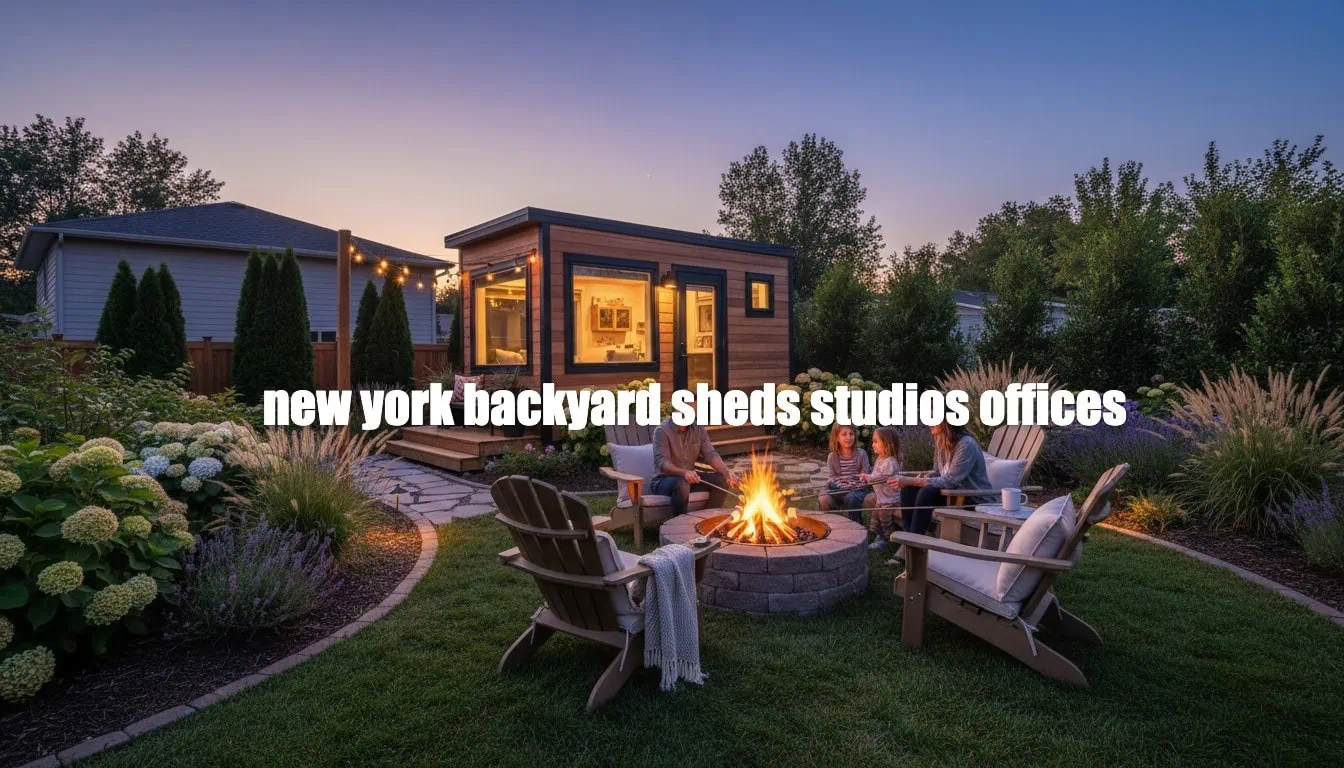
New York Backyard Sheds, Studios & Offices: The Ultimate Guide
We see a remarkable surge in New York homeowners turning their backyards into multifunctional havens with sheds, studios, and offices. This trend has accelerated with remote work, where dedicated spaces away from distractions are essential. New York’s diverse climate, from snowy upstate winters to milder coastal summers on Long Island, supports durable structures that withstand weather while enhancing outdoor living. These additions provide utility and boost property values; real estate data shows well-integrated structures can increase appraisals by up to 10% in urban and suburban areas.
Statistics from the New York State Department of Housing indicate a 25% increase in permit applications for accessory structures since 2020, driven by hybrid work shifts. In this guide, we cover why New Yorkers invest in these spaces, types available, design options, popular models, permits, costs, providers, installation, functionality tips, maintenance, examples, and a conclusion.
In exploring these backyard solutions, we at Great Lakes Tiny Homes recognize the growing need for compact, efficient spaces that align with intentional living. Our experience in crafting tiny homes and modular structures informs our appreciation for how backyard sheds and studios can seamlessly extend living areas, offering relevant insights into sustainable designs that fit New York’s regulatory landscape and credibly support homeowners in maximizing their property’s potential.
Why New York Homeowners Are Investing in Backyard Structures
We observe New York homeowners increasingly drawn to backyard sheds, studios, and offices for compelling reasons. The shift to remote work creates a need for dedicated offices; over 40% of New Yorkers work from home part-time, per a 2023 U.S. Census Bureau report, offering quiet environments separate from main areas.
New York’s high housing costs—averaging $400,000 for single-family homes—make outward expansion more economical than relocating. Adding a structure costs less than renovations or moves.
Modern structures with insulation handle New York’s varying climate, from harsh northern winters to humid southern summers, enabling year-round use.
These investments increase property values; a National Association of Realtors study shows outdoor enhancements yield 5-12% ROI in the Northeast.
Versatility allows use for work, creativity, or guests, adapting to lifestyles. New York’s remote work rose 30% since 2019, per state data, fueling demand. Landscape architect Sarah Thompson notes, “Backyard structures in New York are booming as families seek flexible spaces that blend with urban and suburban lots.” Builder Mark Rivera adds, “Inquiries for office sheds are up 35%, reflecting needs amid rising prices.”
Types of Backyard Structures: Sheds, Studios & Offices Explained
We break down types of backyard structures for New York homeowners, each serving distinct purposes with customization options.
1. Storage Sheds: Basic utility for tools and items. Size: 8×10 to 12×16 feet. Features: weather-resistant siding, shelving, lockable doors. Ideal for gardeners. Prices: $2,000-$5,000. Popular: ramp doors. New York Sheds offers galvanized steel roofs for snow.
2. All-Purpose Sheds: Combine storage and workspace. Size: 10×12 to 16×20 feet. Features: workbenches, outlets, windows. Uses: hobby rooms. Prices: $4,000-$8,000. Empire State Structures provides modular interiors.
3. Studio Sheds: For creativity like art or music. Size: 10×12 to 14×16 feet. Features: skylights, soundproofing, pegboards. Prices: $6,000-$12,000. Hudson Valley Builders crafts eco-friendly models with ventilation.
4. Home Office Sheds: Ergonomic for productivity. Size: 8×12 to 12×16 feet. Features: insulation, wiring, desk built-ins. Costs: $7,000-$15,000. Tuff Shed dealers offer HVAC prep.
5. Luxury Studios: Premium with hardwood and mini-kitchens. Size: 12×16 to 20×24 feet. Amenities: climate control, cabinetry. Uses: retreats or guests. Prices: $15,000-$30,000+. Backyard Luxe in Long Island specializes.
6. ADUs (Accessory Dwelling Units): For guests or rentals. Size: 400-800 sq ft. Features: plumbing, bedrooms, zoning compliance. Ideal for multigenerational living. Costs: $50,000-$150,000. Explore Tiny House For Sale New York City. ADU Pros ensure code compliance.
Design Options and Customization Features
We explore design options for New York backyard structures, tailoring to functionality, aesthetics, and budgets.
Exterior: Siding like cedar or vinyl for humidity and snow; roofs such as gabled for drainage or flat for modern; doors from roll-up to French; double-pane windows for insulation. Cedar adds $1,000-$3,000 but enhances appeal.
Interior: Flooring like laminate or bamboo; walls from drywall to shiplap; built-in storage; LED or solar lighting. Good lighting aids offices; storage maximizes space.
Styles: Modern (clean lines), mid-century (retro), traditional (colonial), rustic (beams). Trends: Indoor-outdoor flow with sliding doors, energy efficiency via solar and insulation for winters, complementing suburban homes.
Sustainable options: Recycled materials, rainwater harvesting, LEED builds. These reduce impact and qualify for incentives. Native landscaping enhances urban biodiversity.
Most Popular Backyard Structure Models in New York
We present popular models in New York, suited to local climates with snow-reinforced roofs.
| Name | Manufacturer | Size Options | Price Range | Key Features | Best Use Case | Permits Required |
|---|---|---|---|---|---|---|
| Studio Pod | Studio Shed | 8×10 to 14×16 ft | $8,000-$15,000 | Modular panels, insulation, windows | Home office | Yes, over 120 sq ft |
| Tuff Shed TR-800 | Tuff Shed | 10×12 to 16×20 ft | $4,500-$10,000 | Steel framing, customizable doors | Storage/office | Yes |
| Wellmade Signature | Wellmade Industries | 12×16 ft | $12,000-$20,000 | Energy-efficient, solar-ready | Studio | Yes |
| Eichler Backyard | Backyard Eichler | 10×14 ft | $10,000-$18,000 | Mid-century design, glass walls | Creative space | Yes |
| Classic Shed | Heartland Sheds | 8×12 to 12×16 ft | $3,000-$7,000 | Wood siding, loft storage | Storage | No, under 120 sq ft |
| Modern Loft | DuraMax | 10×10 to 15×20 ft | $5,000-$12,000 | Vinyl exterior, electrical prep | Office/studio | Yes |
| Empire Studio | NY Shed Co. | 12×12 ft | $9,000-$16,000 | Snow-load roof, soundproofing | Art studio | Yes |
| Versa Office | Best Barns | 8×12 ft | $6,000-$11,000 | Built-in desk, HVAC vents | Remote work | Yes |
| Lux ADU Kit | Zip Kit Homes | 400-600 sq ft | $40,000-$80,000 | Full utilities, modular | Guest house | Yes, ADU regs |
| Rustic Retreat | Outdoor Living Today | 10×16 ft | $7,500-$14,000 | Cedar finish, deck integration | Multi-use | Yes |
Top models: Studio Pod for quick assembly and insulation; Tuff Shed TR-800 for affordability in urban yards; Wellmade Signature for eco-features; Empire Studio for local snow handling. They comply with codes and suit varied lifestyles.
New York Permits and Regulations for Backyard Structures
We overview New York’s permits, noting local variations by city and county.
State code requires permits over 144 sq ft, but many localities use 120 sq ft threshold. Under 120 sq ft often needs none if detached.
Setbacks: 5-10 feet from lines; height: 15-20 feet max.
Utilities: Licensed pros for electrical/plumbing; additional permits needed.
ADUs: Allowed in single-family zones up to 800 sq ft, with occupancy rules. HOAs add restrictions.
In cities: NYC needs DOB permits over 140 sq ft, strict setbacks; Buffalo emphasizes flood compliance; Rochester streamlines under 200 sq ft; Albany requires historic approvals. Check nyc.gov/dob, Buffalo portal, or dos.ny.gov. Verify locally to avoid fines.
For tiny home insights, see What Counties In New York Allow Tiny Houses.
Cost Analysis: What to Expect in Different New York Regions
We detail costs across regions, from NYC to upstate.
Base: Economy sheds $2,000-$6,000 (100-200 sq ft); mid-range $7,000-$15,000; premium $16,000+.
Variations: Northern NY 10-15% higher from transport; NYC metro $10,000-$25,000; Long Island mid-range with flood-proofing; Central NY lowest $5,000-$12,000.
Site prep: Foundations $1,000-$5,000; grading $500-$2,000; utilities $2,000-$10,000.
Permits: $100-$500 upstate; $500-$1,500 NYC plus inspections $200-$400.
Delivery/install: $500-$2,000, higher urban.
Finishing: Insulation/drywall $2,000-$6,000; flooring/electrical $1,500-$4,000.
Features: HVAC $3,000-$7,000; plumbing $4,000-$8,000; storage $500-$2,000.
ROI: 70-100%; energy savings. Inflation raises materials 20%. Tips: Prioritize essentials, get quotes. Financing: NYSERDA loans or home equity via Chase.
Top New York Backyard Structure Providers
We list top providers for New York.
- Tuff Shed: Serves all NY. Specialties: sheds, offices. Price: $3,000-$15,000. USPs: Snow-durable. Ratings: 4.5/5. Warranty: 10 years. Installation: Full. Support: 24/7.
- Studio Shed: NY-wide. Specialties: studios, ADUs. Price: $8,000-$30,000. USPs: Modern prefab. Ratings: 4.7/5. Warranty: 5 years. Installation: Pro. Support: Consultants.
- NY Shed Co.: Upstate/central. Specialties: custom sheds. Price: $4,000-$12,000. USPs: Local climate materials. Ratings: 4.6/5. Warranty: 7 years. Installation: On-site. Support: Reps.
- Empire Structures: Statewide. Specialties: offices, studios. Price: $6,000-$20,000. USPs: Snow reinforcements. Ratings: 4.4/5. Warranty: 10 years. Installation: Turnkey. Support: Visits.
- SoCal Sheds (NY Branch): Buffalo. Specialties: versatile. Price: $5,000-$18,000. USPs: Insulation. Ratings: 4.3/5. Warranty: 8 years. Installation: DIY/pro. Support: Online.
- The Shed Shop: Western NY. Specialties: ADUs. Price: $10,000-$40,000. USPs: Code-compliant. Ratings: 4.8/5. Warranty: Lifetime frame. Installation: Pro. Support: Personalized.
- Backyard Eichler: NYC metro. Specialties: luxury studios. Price: $12,000-$25,000. USPs: Mid-century urban. Ratings: 4.6/5. Warranty: 5 years. Installation: Urban experts. Support: Apps.
Testimonials: Tuff Shed: “Transformed workflow—solid for winters!” – J. Lee, Buffalo. Studio Shed: “Easy prefab, modern vibe.” – M. Patel, NYC. NY Shed Co.: “Affordable, sturdy.” – R. Gomez, Syracuse. Empire: “Exceeded expectations.” – S. Kim, Albany.
For communities, check Best Tiny Home Communities in New York.
The Installation Process: What to Expect
We outline installation steps for New York, addressing regional challenges.
- Site Selection: Level ground, away from trees; avoid floods.
- Foundation: Piers/slabs for upstate clay; gravel for Long Island sand. $1,000-$4,000.
- Delivery: Flatbed rural; panelized urban.
- Timeline: 1-3 days prefab; 1-2 weeks custom.
- Utilities: GFCI wiring; plumbing for ADUs; internet trenching.
- Inspection: Check setbacks, safety post-install.
- Finishing: Insulation, paint; DIY options.
- Landscaping: Borders, paths for integration.
DIY risks violations; pros ensure compliance. NY notes: Reinforce for northern snow, test soils. Tips: Licensed crews, spring installs. Pitfalls: Poor prep causes settling. Summer best, monitor southern rains.
Maximizing the Functionality of Your Backyard Structure
We share tips to optimize structures for New York’s climates.
1. Climate: Dehumidifiers coastal; AC inland; insulation/heaters mountains. Mini-splits $2,000+.
2. Space: Murphy beds, wall desks; IVAR shelving.
3. Multi-use: Foldable partitions.
4. Tech: Smart locks, Nest hubs.
5. Flow: Bi-fold doors to patios.
6. Sound: Acoustic panels for noise.
7. Light: Clerestory windows, shades.
Examples: NYC yoga studio with mats. Designer Elena Voss: “Layer furniture for expansive feel.” Tom Hale: “Ventilate for humid summers to prevent mold.”
Maintenance Tips for New York’s Climate Conditions
We guide maintenance for cold winters, humid summers, pollution.
1. Coastal: Wash vinyl annually; vents for moisture. Galvanized screws; clear gutters. Seal pests. Eco-cleaners.
2. Urban: UV protectants; rinse pollution. Inspect roofs; fans. Termite barriers.
3. Upstate: Shovel snow; clear brush. Re-seal wood; dehumidify. 20+ year lifespan.
4. Security: Locks; HEPA filters.
Bi-annual inspections; pro repairs every 5 years. Insulate for savings; spring clean, fall seal.
Real-Life Examples: New York Backyard Transformations
We showcase transformations.
Example 1: NYC – Home office. 10×12 Studio Shed with desk, insulation. Challenges: Permits, tight lot—variance helped. Results: Better balance; 8% value up. “Focus gained—check zoning!” – A. Rivera. Before: Clutter; after: Sleek office.
Example 2: Westchester – Art studio. 12×16 Empire with skylights. HOA approved modern. Results: Creative space, local sales. “Hobby transformed—budget lighting.” – L. Chen. Before: Grass; after: Vibrant studio.
Example 3: Utica – Guest ADU. 500 sq ft kit with kitchenette. Rural hookups via engineer. Results: Family ease, rental potential. “Eased visits—pro install.” – M. Torres. Before: Empty; after: Cozy.
Example 4: Buffalo – Storage/office. 12×16 Tuff with loft. Snow reinforcements. Results: Organized, appealing. “Versatile—plan weather.” – K. Patel. Before: Messy; after: Functional.
Example 5: Long Island – Music studio. Luxury with soundproofing. Ventilated for moisture. Results: Recording, income. “Amplified lives—test sound.” – J. Lee. Before: Barren; after: Haven.
Frequently Asked Questions
Important Note: The answers provided in this FAQ section offer general insights into New York backyard sheds, studios, and offices based on trends from our guide. They are not personalized recommendations; always consult local experts or authorities for details specific to your location and project.
What are the primary reasons New York homeowners are investing in backyard structures?
New York homeowners are increasingly adding backyard sheds, studios, and offices due to the rise in remote work, which requires dedicated, distraction-free spaces—over 40% of New Yorkers work from home part-time according to the 2023 U.S. Census Bureau report. High housing costs, averaging $400,000 for single-family homes, make expanding outward more affordable than moving or renovating, while these structures handle the state’s diverse climate for year-round use and can boost property values by 5-12% as per National Association of Realtors data.
What types of backyard structures are available for New York properties?
Options range from basic storage sheds (8×10 to 12×16 feet, $2,000-$5,000) for tools and gardening, to all-purpose sheds (10×12 to 16×20 feet, $4,000-$8,000) with workspaces, studio sheds (10×12 to 14×16 feet, $6,000-$12,000) for creative pursuits featuring soundproofing, home office sheds (8×12 to 12×16 feet, $7,000-$15,000) with insulation and wiring, luxury studios (12×16 to 20×24 feet, $15,000-$30,000+) with premium amenities, and ADUs (400-800 sq ft, $50,000-$150,000) for guests or rentals that comply with zoning for multigenerational living.
How do backyard structures impact property values in New York?
Well-integrated backyard structures can increase property appraisals by up to 10% in urban and suburban areas, according to real estate data, while a National Association of Realtors study indicates a 5-12% return on investment for outdoor enhancements in the Northeast. The 25% surge in permit applications since 2020 from the New York State Department of Housing reflects their growing appeal for utility, versatility, and enhancing outdoor living amid hybrid work trends.
What design and customization options are popular for New York backyard structures?
Designs include exterior choices like cedar or vinyl siding for weather resistance, gabled roofs for snow drainage, and double-pane windows for insulation, with interiors featuring laminate flooring, built-in storage, and LED lighting. Styles range from modern clean lines to rustic beams, emphasizing sustainability with recycled materials, solar options, and energy-efficient features to suit New York’s varying climate from upstate winters to coastal summers, often adding indoor-outdoor flow with sliding doors.
Conclusion: Investing in Your New York Backyard Space
We conclude that investing in a New York backyard shed, studio, or office yields benefits, elevating values and quality of life with flexible spaces. They suit work, creativity, and guests, insulated for winters and ventilated for summers, under supportive regulations.
Trends: Smarter, greener designs with tech and materials for compact living in density or sprawl. Assess your yard: Measure, review codes, envision changes. Start today—your extension awaits.
As we reflect on these options, Great Lakes Tiny Homes stands as a reliable choice for turnkey modular and park model homes. With experience delivering across the lower 48 states, we provide credible, practical solutions that align with New York’s needs, helping homeowners achieve sustainable, efficient backyard enhancements without hassle.