
As you navigate the challenges of caring for aging family members in Pennsylvania, granny pods offer a practical and compassionate solution. These compact, self-contained units allow your loved ones to stay close while enjoying their independence. With Pennsylvania’s growing senior population and varying local regulations, understanding granny pods can help you make informed decisions for your family’s future.
In Pennsylvania, where family ties run deep amid the state’s diverse landscapes from urban Philadelphia to rural farmlands, options like those from Great Lakes Tiny Homes provide versatile tiny house solutions that function as granny pods. You can select models with or without wheels, and with or without RVIA certification for added flexibility in placement and compliance. As you consider these options, Great Lakes Tiny Homes brings context through their focus on modular and park model homes designed for multigenerational living, making them relevant for Pennsylvania families seeking affordable elder care alternatives. Their credibility stems from years of delivering compliant, high-quality builds across the U.S., ensuring you get reliable guidance tailored to local needs.
What Are Granny Pods?
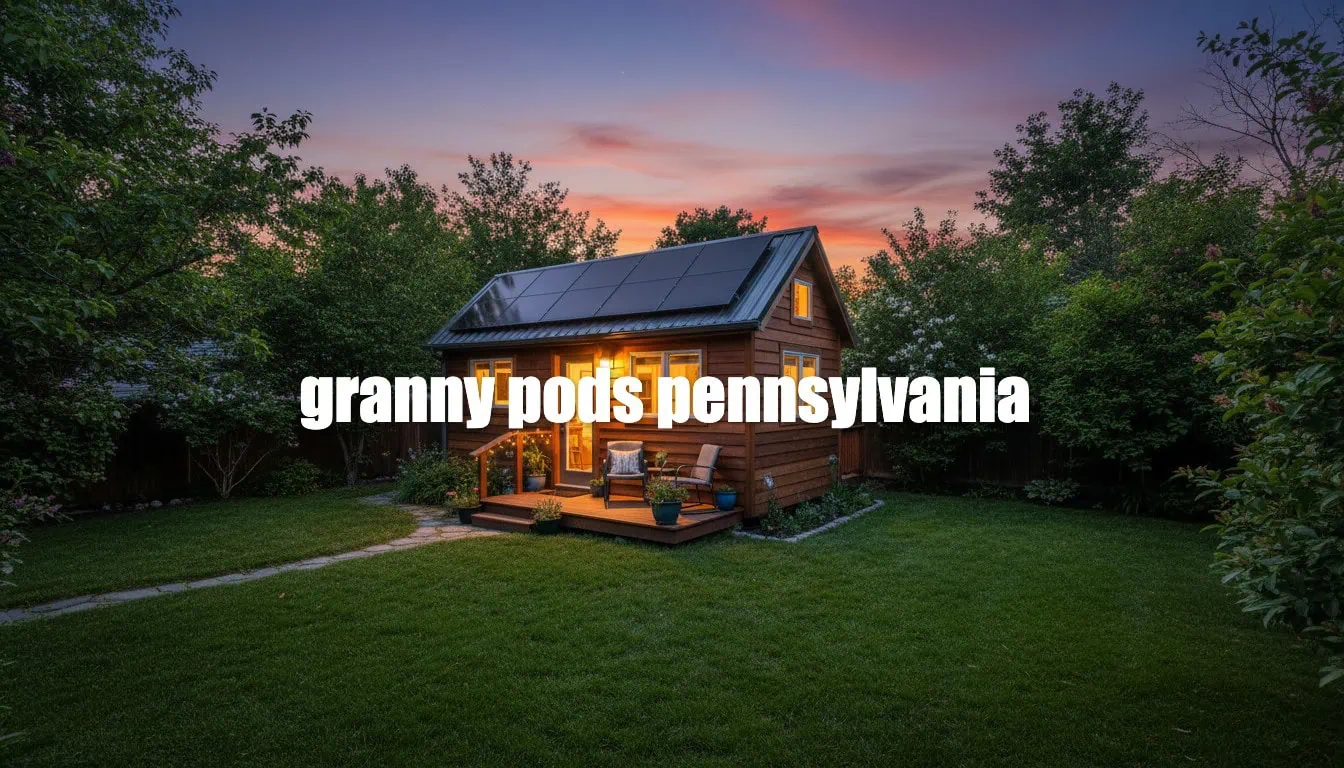
You might be wondering what exactly granny pods are and why they’re gaining traction in Pennsylvania. Granny pods, also known as backyard cottages or in-law suites, are small, detached dwelling units designed specifically for aging relatives. They enable your elderly family members to live on your property, close enough for easy support but with their own private space to maintain independence.
In Pennsylvania, their popularity is surging due to the state’s aging demographic—over 18% of residents are 65 or older, according to recent census data—and the desire to avoid costly institutional care. These pods typically range from 300 to 800 square feet, offering a cozy yet functional home away from your main residence. Great Lakes Tiny Homes offers tiny houses that serve as ideal granny pods, giving you choices like wheeled versions for mobility or stationary ones for permanence, and RVIA-certified park models that simplify zoning approvals in many areas. For instance, if you’re in a suburban neighborhood near Pittsburgh, a wheeled model allows you to relocate if needed, while a stationary one provides a more permanent setup for long-term care.
The appeal lies in their affordability and customization. Unlike traditional homes, granny pods can be installed quickly, often in weeks rather than months, making them a smart choice for Pennsylvania families facing rising elder care costs, which average $4,500 monthly for assisted living in the state. You can customize interiors with personal touches, such as favorite colors or family photos, to make the space feel like home right away. Additionally, these units often incorporate sustainable features like low-flow fixtures and energy-star appliances, reducing your overall environmental footprint while keeping utility bills manageable in Pennsylvania’s variable climate.
Inside the Modern Granny Pod: Features, Design, and Purpose
Granny pods, or accessory dwelling units (ADUs), are more than just tiny homes; they’re purpose-built for senior living. You can expect sizes between 300 and 800 square feet, featuring essentials like a bedroom, bathroom, kitchenette, and living area. Amenities often include energy-efficient appliances, ample storage, and open floor plans to maximize space.
Different types suit various needs: prefab granny pods arrive ready-to-assemble, saving you time and labor; custom-built options let you tailor every detail to your loved one’s preferences; and converted structures, like shipping containers, offer eco-friendly alternatives. What sets them apart for elderly relatives is the focus on accessibility—think zero-step entries, non-slip flooring, lever-style door handles, and spacious bathrooms with walk-in showers. For example, in a prefab model, you might add fold-down beds to save space during the day, allowing more room for hobbies or relaxation.
Medical monitoring capabilities enhance safety, with options for built-in alert systems or smart devices that notify you of falls or health issues. Unlike standard tiny homes, which prioritize minimalism for young adventurers, granny pods emphasize comfort and durability, incorporating senior-friendly elements like adjustable-height counters and wide hallways for wheelchairs. In Pennsylvania’s variable climate, you’ll appreciate insulated walls and HVAC systems designed for efficient heating during harsh winters. These systems can include programmable thermostats that learn your loved one’s routines, ensuring consistent comfort without manual adjustments.
These features ensure your family member feels secure and dignified, blending modern design with practical purpose to support aging in place. You can also integrate natural light through large windows or skylights, which not only brightens the space but also promotes better sleep and mood, crucial for seniors dealing with seasonal affective challenges in Pennsylvania’s shorter winter days.
Benefits of Granny Pods for Pennsylvania Families
For Pennsylvania families, granny pods bring numerous advantages that align with the state’s close-knit culture and challenging weather. First, they provide proximity for care—you can check on your loved one daily without the logistics of separate households, fostering emotional bonds in a state where multigenerational living is increasingly valued. This setup allows you to share meals or attend local events together, strengthening family connections in communities like those in Lancaster County.
Independence remains key; your relative enjoys privacy with their own entrance and amenities, reducing feelings of burden. Cost savings are significant—nursing homes in Pennsylvania average $9,000 monthly, while a granny pod costs far less upfront and ongoing. The state’s aging population, projected to reach 25% seniors by 2030, underscores this need, as elder care facility costs have risen 15% in recent years. Over time, this translates to substantial savings, freeing up funds for other family priorities like education or travel.
Property value increases too; adding a granny pod enhances your home’s appeal, potentially boosting resale by 10-20% in accommodating areas. For $100,000 to $150,000—typical for builds from Great Lakes Tiny Homes—this investment retains value, unlike the cumulative expense of assisted living, which can exceed $500,000 over five years. In urban areas like Philadelphia, where housing demand is high, this addition can make your property stand out to buyers seeking flexible living spaces.
Emotionally, keeping family close combats isolation, especially in Pennsylvania’s rural counties where community support varies. In colder climates, insulated pods mean safer winters without relocation stress. Overall, granny pods promote dignity, savings, and stronger family ties tailored to Pennsylvania’s way of life. They also offer flexibility for future needs, such as adapting the space for visiting grandchildren or even your own downsizing later in life.
To explore tiny house options that fit as granny pods, consider checking out tiny house for sale Pennsylvania listings or tiny house builder Pennsylvania services for local inspiration.
Legal Considerations for Granny Pods in Pennsylvania
Navigating the legal landscape for granny pods in Pennsylvania requires careful attention, as regulations vary widely. At the state level, Pennsylvania doesn’t have uniform ADU laws, deferring to local zoning and building codes under the Uniform Construction Code. You’ll need to comply with setback requirements, typically 5-10 feet from property lines, and ensure the pod doesn’t exceed 50% of your primary home’s size in many areas. This means reviewing your deed and plat maps early to avoid surprises during planning.
Zoning laws classify granny pods as accessory structures; residential zones often allow them, but rural agricultural areas may restrict. Permit requirements include site plans, engineering reports, and health department approvals for septic if not on city sewer. Counties like Philadelphia and Allegheny are more accommodating, permitting ADUs with streamlined processes, while stricter ones like Chester demand variances. In practice, this could involve public hearings where you present your case for family care needs, highlighting how the pod supports community values.
Major cities: Philadelphia’s zoning code explicitly allows ADUs up to 800 sq ft; Pittsburgh offers incentives for senior housing; Harrisburg requires case-by-case reviews. Recent changes include 2022 bills easing ADU approvals in urban areas to address housing shortages, with pending legislation in 2024 potentially standardizing statewide. These updates reflect a growing recognition of granny pods as a solution to Pennsylvania’s housing and care crises.
RVIA certification benefits you greatly—park models with this meet ANSI standards, often bypassing full building permits as RVs, easing installation in restrictive zones. They allow temporary placement without foundation, ideal for Pennsylvania’s permitting hurdles. For example, if you’re testing the setup before committing to permanence, this certification gives you that option without legal entanglements.
For guidance, book a call with our experts who’ve helped 100s of customers make their tiny home dreams a reality.
Link to related resources like what counties in Pennsylvania allow tiny houses for deeper county insights.
Which Pennsylvania Counties Allow Granny Pods?
Determining which Pennsylvania counties permit granny pods involves reviewing local ordinances. Below is a comprehensive table focusing on the most populated counties with clear regulations. Note that rules can change, so verify with local planning offices.
| County Name | Granny Pod Status | Minimum Lot Size Requirements | Maximum Size Allowed | Special Notes |
|---|---|---|---|---|
| Philadelphia County (Philadelphia) | Allowed | 2,500 sq ft urban, 1 acre suburban | 800 sq ft | Streamlined permits; must connect to utilities; city incentives for senior ADUs. |
| Allegheny County (Pittsburgh) | Allowed | 1/2 acre | 1,000 sq ft | Pittsburgh zoning permits with owner-occupancy; variances easy for family use. |
| Bucks County | Restricted | 1 acre | 600 sq ft | Case-by-case in townships; no rentals; environmental reviews for flood-prone areas. |
| Montgomery County | Allowed | 3/4 acre | 750 sq ft | Norristown allows prefab; must meet energy codes; tax abatements possible. |
| Delaware County | Case-by-Case | 1 acre | 500 sq ft | Stricter in Media; approvals via zoning board; focus on septic compliance. |
| Lancaster County | Restricted | 2 acres | 400 sq ft | Rural focus; Amish-influenced areas limit; park models preferred for mobility. |
| Erie County (Erie) | Allowed | 1/2 acre | 700 sq ft | Lakefront considerations; winter-proofing required in permits. |
For more on tiny home communities, visit best tiny home communities in Pennsylvania. Expanding on this, in counties like Montgomery, you might find additional benefits such as integration with local green initiatives, where solar-equipped granny pods qualify for rebates, further reducing your costs and enhancing sustainability.
Cost of Building a Granny Pod in Pennsylvania
Building a granny pod in Pennsylvania involves various costs, starting with the unit itself. Prefab models range from $50,000 to $100,000 for basic 300 sq ft setups, while custom-built options hit $150,000-$250,000 for 800 sq ft with premium finishes. Great Lakes Tiny Homes builds in the $100,000-$150,000 range, offering quality without excess. Breakdowns often include materials like durable vinyl siding for weather resistance and interior finishes such as quartz countertops for easy maintenance.
Site preparation adds $5,000-$20,000, depending on whether your pod has wheels (minimal prep, just leveling) or none (requiring a concrete foundation at $10,000+ for stability in PA’s freeze-thaw cycles). Utility connections—water, sewer, electric—cost $10,000-$30,000, higher in rural areas needing wells or septic. In places like Erie County, you might need to factor in elevated foundations to combat lake-effect snow and flooding risks.
Permits run $1,000-$5,000, plus ongoing maintenance like snow removal ($500/year) and insurance ($1,000 annually). Total: $80,000-$200,000 initially. To manage this, you can phase the project, starting with essentials and adding luxuries like a deck later.
Compared to Pennsylvania nursing homes ($108,000/year) or assisted living ($54,000/year), granny pods save $300,000+ over a decade. Financing via home equity loans (4-6% rates) or PA’s senior grants helps. Insurance riders cover ADUs under homeowners’ policies; tax implications include property value reassessments, potentially increasing taxes by 5-10%, but deductions for medical use apply. For long-term planning, consider how energy-efficient designs could qualify for federal tax credits, offsetting initial outlays.
For builders, explore tiny house builder Pennsylvania options.
The Granny Pod Installation Process in Pennsylvania
Installing a granny pod in Pennsylvania follows these steps to ensure compliance and efficiency:
- Research Local Zoning: Check your county and municipality via planning departments. In Pennsylvania, urban areas like Philly are straightforward, but rural spots may need variances—expect 2-4 weeks. Use online portals or attend town meetings to gather insights from other residents who’ve completed similar projects.
- Obtain Permits: Submit plans, including engineering for wind/snow loads (PA’s winters demand 50 psf snow rating). Fees vary; processing takes 4-8 weeks. Include detailed blueprints showing accessibility features to strengthen your application.
- Site Preparation: Clear and level the area, considering PA’s hilly terrain and clay soils. For wheeled units, gravel pads suffice ($2,000); foundation pours for permanent ones handle frost heave ($10,000+). Hire surveyors for setbacks. Soil testing can prevent future settling issues, especially in areas with expansive clays.
- Utility Connections: Coordinate with providers for hookups; winter insulation prevents freezing pipes—a common PA challenge. Budget 4-6 weeks. Opt for buried lines to protect against surface freezing and aesthetic integration.
- Delivery and Installation: Prefab arrives via truck; cranes for placement (1-2 days). Wheeled models tow easily. Coordinate with neighbors to minimize disruption during delivery.
- Final Inspections: Building officials verify codes; occupancy certificate follows (1 week). Total timeline: 2-6 months. Post-installation, test all systems like heating and alerts to ensure everything functions as intended.
Challenges include seasonal delays from snow and supply chain issues; start in spring for best results. If delays occur, have contingency plans like temporary housing to keep the project on track.
Design Considerations for Pennsylvania Granny Pods
Designing your Pennsylvania granny pod means prioritizing the state’s four seasons—hot summers, cold winters, and humid springs. Weatherproofing with metal roofing and insulated siding protects against 100+ inches of annual precipitation in some areas. Energy efficiency via LED lighting, solar panels, and high R-value insulation cuts bills by 30%, crucial for PA’s heating costs. For solar integration, south-facing roofs maximize exposure, potentially generating enough power to offset 50% of usage in sunny months.
Accessibility is vital: incorporate zero-step entries, 36-inch doorways, grab bars, and roll-in showers to support mobility. Smart home tech like voice-activated lights and health monitors adds peace of mind. These devices can connect to your phone, allowing remote checks on temperature or door status, which is invaluable during vacations.
At Great Lakes Tiny Homes, the team enjoys meeting folks like you to understand your vision, ensuring a personal touch in every build. You’re welcome to schedule site visits, tour the shop, or see models—book via their website to chat with the crew eager to guide your next steps naturally.
Utility connections should tie into your main system seamlessly, and aesthetics like matching siding blend the pod with your home. For community ideas, see best tiny home communities in Pennsylvania. Landscaping around the pod, such as native plants or low-maintenance gardens, can enhance privacy and create a welcoming outdoor space for your loved one.
Finding Expert Guidance for Your Project
When embarking on a granny pod project in Pennsylvania, partnering with professionals who know the local nuances is essential. They can navigate varying codes, from Philadelphia’s urban permits to rural setbacks, ensuring your build complies without delays. Look for builders experienced in Pennsylvania’s Uniform Construction Code to avoid costly revisions.
Great Lakes Tiny Homes stands out as a trusted option, specializing in quality granny pods that meet Pennsylvania regulations. Their expertise in local building codes allows for seamless customization, from accessibility features to climate adaptations, all while committing to comfortable spaces for your aging family. They provide detailed timelines and budgets upfront, helping you plan with confidence.
Consider scheduling a consultation to discuss your needs—they’re a helpful resource for turning ideas into reality. For personalized advice, book a call with our experts who’ve helped 100s of customers make their tiny home dreams a reality. This step can clarify options like material choices suited to Pennsylvania’s humidity, ensuring longevity.
Conclusion: Creating a Supportive Home for Your Loved Ones
Granny pods in Pennsylvania empower you to keep your family close, honoring independence while providing care. This choice goes beyond housing—it’s an investment in dignity, emotional well-being, and long-term savings amid rising elder costs.
With local expertise like that from Great Lakes Tiny Homes, the process becomes manageable, tailored to your needs. Great Lakes Tiny Homes offers credibility through their experience delivering turnkey modular and park model homes across the lower 48 U.S. states, making them a practical choice for Pennsylvania residents exploring granny pods. Their focus on compliance and quality ensures you receive a reliable solution without the hassle of out-of-state logistics. Take that first step today; your loved ones deserve a supportive, familiar home where memories thrive. Reflect on your specific situation—perhaps starting with a site assessment or budget outline—to move forward effectively.
Frequently Asked Questions About Granny Pods in Pennsylvania
How Can Great Lakes Tiny Homes Help Me On My Granny Pod Journey
Great Lakes Tiny Homes supports you throughout your granny pod journey in Pennsylvania by offering end-to-end guidance. From initial consultations where you discuss your vision—whether a wheeled park model or foundation-based unit—they provide designs compliant with local codes. They can walk you through material selections, like choosing insulation types best for Pennsylvania’s winters, to optimize comfort.
You’ll benefit from their customization options, like adding accessibility ramps or smart tech, all built to 100-150k budgets. They handle permitting advice, site prep recommendations, and even connect you with installers. Schedule a visit to tour models and meet the team, ensuring your pod fits Pennsylvania’s climate. Their focus on quality makes the process smooth, helping you create a safe space for your loved one without overwhelm. Additionally, they offer post-installation support, such as troubleshooting guides, to address any adjustments needed over time.
Are granny pods legal in all parts of Pennsylvania?
No, granny pods aren’t legal everywhere in Pennsylvania due to decentralized regulations. Statewide, they’re treated as ADUs under local zoning, allowed in most residential areas but restricted in some rural or historic zones. Urban counties like Philadelphia and Allegheny permit them outright with permits, while others like parts of Bucks require variances. In historic districts, you might need architectural reviews to ensure the design matches neighborhood aesthetics.
Always check municipal codes—recent 2023 updates in Pittsburgh eased approvals, but conservative townships may prohibit detached units. RVIA-certified models help in gray areas by classifying as RVs. Consult your local planning office to confirm legality for your property, avoiding fines up to $1,000 daily for non-compliance. Keeping records of all communications with officials can protect you if disputes arise.
Can I install a granny pod on any size property in Pennsylvania?
Installation depends on your property size and local rules in Pennsylvania. Minimum lot sizes typically range from 1/4 acre in cities to 1-2 acres in suburbs, ensuring space for setbacks and utilities. Small urban lots (under 5,000 sq ft) in Philadelphia may allow if zoned R-1 or higher, but rural areas demand larger parcels to avoid density issues. For sloped properties, engineering solutions like retaining walls might be necessary to create a level site.
HOAs can further restrict, so review covenants. For tiny lots, consider attached ADUs or park models on wheels for flexibility. Site assessments confirm feasibility—slopes or flood zones add challenges. With proper planning, even modest properties can host a granny pod, enhancing multigenerational living. Professional surveys early on can reveal hidden constraints, saving time and money.
Do I need special insurance for a granny pod?
Yes, you’ll likely need to adjust your insurance for a granny pod in Pennsylvania. Standard homeowners’ policies may cover it as an accessory structure, but for habitable units, add a dwelling coverage rider (increasing premiums by $500-1,500/year). If occupied, separate policies for liability and contents are recommended, especially for medical equipment. Consider coverage for unique risks like medical alert system failures.
Pennsylvania’s requirements include wind/hail coverage for storms; flood insurance via NFIP if in high-risk areas like near the Susquehanna. RVIA models might qualify under RV policies, cheaper at $300-800/year. Shop with providers like State Farm for bundles—disclose the pod to avoid claim denials. Annual reviews ensure adequate protection as values rise. Bundling with your main home policy often yields discounts, making comprehensive coverage more affordable.
Can I rent out my granny pod in Pennsylvania?
Renting out a granny pod in Pennsylvania is possible but regulated. Many counties allow short-term rentals (Airbnb) with permits, but long-term requires zoning approval as a duplex. Philadelphia permits ADU rentals if owner-occupied; Pittsburgh limits to family use initially, but variances exist for income generation. Background checks on tenants and regular maintenance schedules are key to successful rentals.
Tax implications include property tax hikes and income reporting; safety inspections for habitability are mandatory. Stricter areas like Lancaster prohibit non-family rentals to preserve rural character. If RVIA-certified, temporary rentals as park models are easier. Consult locals—potential income of $1,000/month offsets costs, but compliance avoids legal issues. Track all rental income meticulously for IRS compliance, and consider consulting a tax advisor familiar with Pennsylvania real estate laws.