
As Oregon’s population ages and housing costs continue to rise, we’re seeing more families explore innovative solutions to keep their loved ones close while maintaining everyone’s independence. Granny pods have emerged as one of the most practical and compassionate answers to the challenge of caring for aging relatives in our communities across the Beaver State.
At Great Lakes Tiny Homes, we understand that choosing the right housing solution for your aging family members is about more than just square footage—it’s about dignity, connection, and quality of life. We bring this commitment to excellence and personal care to every granny pod project we undertake.
What Are Granny Pods?
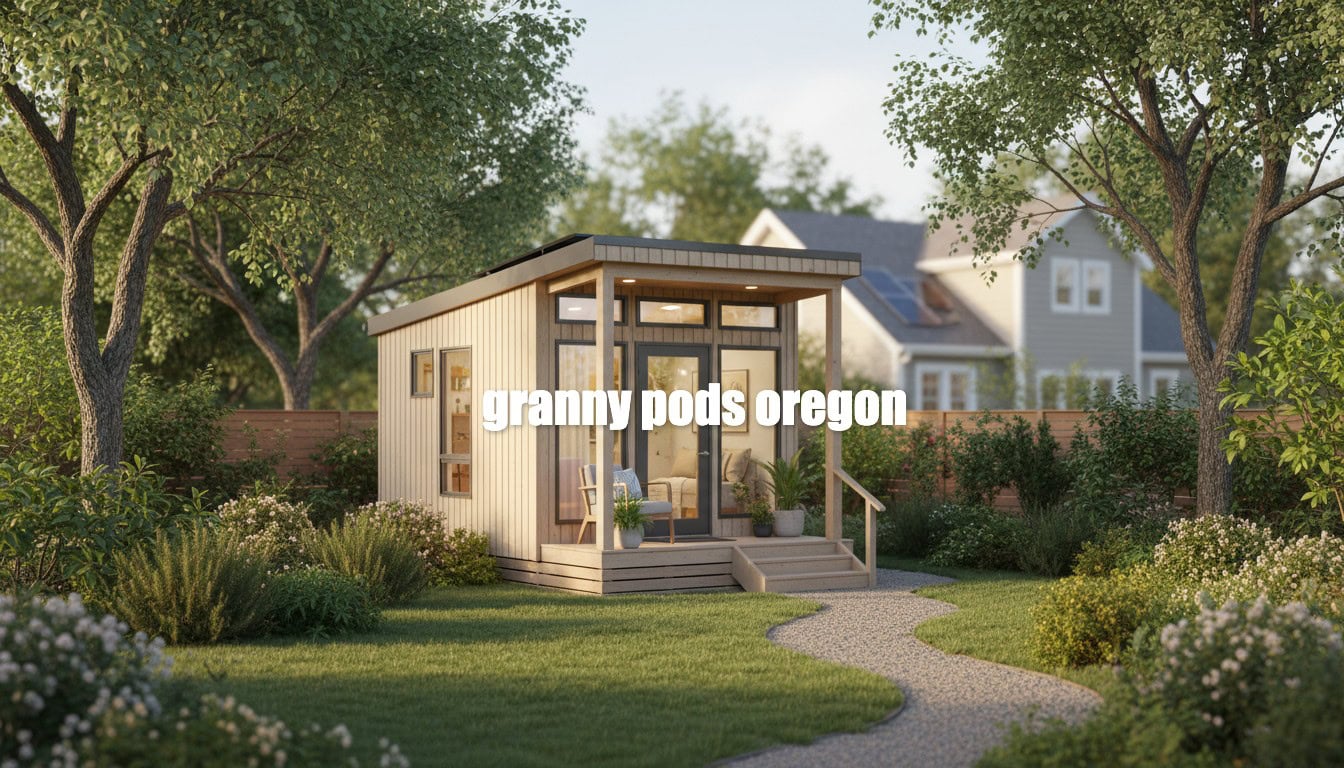
Granny pods are small, detached dwelling units specifically designed to house aging relatives on the same property as their family members. These compact homes—also known as accessory dwelling units (ADUs), in-law suites, or elder cottages—provide a perfect balance between independence and proximity to care.
We’re seeing granny pods become increasingly popular across Oregon for several compelling reasons. Oregon’s aging population is growing rapidly, with residents aged 65 and older projected to make up nearly 24% of the population by 2030. The cost of assisted living facilities in Oregon has skyrocketed, with average monthly costs ranging from $4,500 to $7,000 depending on location and level of care needed.
What makes granny pods particularly appealing to Oregon families is their flexibility. Unlike traditional additions to the main house, these separate structures allow elderly relatives to maintain their privacy and independence while remaining close enough for family members to provide daily support and care.
Inside the Modern Granny Pod: Features, Design, and Purpose
When we talk about granny pods, we’re referring to fully functional, self-contained living spaces that typically range from 300 to 800 square feet. These aren’t just simple sheds or converted garages—they’re thoughtfully designed homes equipped with everything an elderly person needs for comfortable, independent living.
A typical granny pod includes a bedroom, bathroom, kitchenette or full kitchen, and living area. We design these spaces with senior-friendly features that go far beyond what you’d find in a standard tiny house for sale in Oregon.
We incorporate several essential accessibility features into our granny pod designs: zero-step entries, wider doorways (at least 36 inches), grab bars in bathrooms and strategic locations, non-slip flooring materials, and open floor plans that maximize maneuverability.
Modern granny pods can also include advanced medical monitoring capabilities. We can integrate smart home technology that tracks movement patterns, monitors vital signs, and sends alerts to family members if something seems amiss.
There are three main types of granny pods available to Oregon families:
- Prefabricated Granny Pods: Factory-built units that arrive largely complete and can be installed relatively quickly, offering cost savings and faster installation.
- Custom-Built Granny Pods: Built from the ground up on your property, allowing for complete customization to meet specific needs and preferences.
- Converted Structures: Existing structures like detached garages or workshops converted into granny pods, which can be cost-effective if the existing structure is sound.
What distinguishes granny pods from standard tiny homes is their specific focus on senior living. While tiny homes prioritize minimalism and efficient use of space, granny pods prioritize accessibility, safety, and ease of care.
Benefits of Granny Pods for Oregon Families
We’ve witnessed firsthand how granny pods transform the lives of Oregon families, offering benefits that extend far beyond simple housing solutions.
One of the most significant benefits is proximity to family for care and support. When aging parents live in a granny pod on the same property, family members can easily check in multiple times a day, assist with medications, help with meals, and respond quickly to emergencies.
At the same time, granny pods preserve the independence and dignity that our elderly loved ones cherish. They maintain their own space, their own routines, and their own sense of autonomy.
The financial benefits are substantial. According to recent data, the average cost of a nursing home in Oregon exceeds $8,500 per month, while assisted living facilities average between $4,500 and $7,000 monthly. Over five years, these costs can easily exceed $250,000 to $500,000. In contrast, a quality granny pod might cost $75,000 to $150,000 to build and install, with minimal ongoing costs.
We also see granny pods potentially increase property values. Well-designed ADUs are attractive to future buyers, particularly in Oregon’s competitive real estate market.
For families exploring various housing options, understanding the best tiny home communities in Oregon can provide additional context for alternative living arrangements that prioritize community and accessibility.
Legal Considerations for Granny Pods in Oregon
We always advise families that understanding Oregon’s legal landscape for granny pods is crucial before beginning any project. The regulatory environment can be complex, varying significantly by location.
At the state level, Oregon has been relatively progressive regarding ADUs. In 2017, the Oregon Legislature passed House Bill 2001, which required cities with populations over 10,000 to allow ADUs in areas zoned for single-family homes. This was followed by additional legislation that further encouraged ADU development.
However, state law provides the framework, while local jurisdictions control the specific details. Generally, Oregon municipalities regulate ADUs through several key requirements:
- Lot Size Requirements: Many jurisdictions require minimum lot sizes, typically ranging from 5,000 to 7,000 square feet.
- Size Limitations: ADUs are often limited to a percentage of the primary dwelling’s square footage or a maximum absolute size (commonly 800-900 square feet).
- Setback Requirements: Granny pods must be set back a certain distance from property lines, typically 5-10 feet.
- Parking Requirements: Some jurisdictions require additional parking spaces for ADUs.
- Owner Occupancy: Some areas require that either the main house or the ADU be owner-occupied.
Major Oregon cities have taken different approaches. Portland has been a leader in ADU-friendly policies, having eliminated system development charges for ADUs and reduced parking requirements. Eugene has similarly progressive policies.
We always recommend that families research their specific county and city regulations before proceeding. For those wondering about broader regulatory frameworks, our guide on what counties in Oregon allow tiny houses provides valuable insights into local zoning approaches that often apply to granny pods as well.
Which Oregon Counties Allow Granny Pods?
We’ve compiled information about granny pod regulations across Oregon’s most populated counties to help you understand where these dwelling units are most feasible.
| County Name | Granny Pod Status | Minimum Lot Size | Maximum Size Allowed | Special Notes |
|---|---|---|---|---|
| Multnomah (Portland) | Allowed | Varies by zone; often no minimum | 800 sq ft | Portland has very ADU-friendly policies; no SDCs; reduced parking requirements |
| Washington (Beaverton, Hillsboro) | Allowed | 5,000-7,000 sq ft depending on city | 800-900 sq ft | Most cities in county allow ADUs; specific regulations vary by municipality |
| Clackamas (Oregon City) | Allowed | 6,000 sq ft typical | 800 sq ft or 75% of primary dwelling | County and most cities allow ADUs; owner occupancy may be required |
| Lane (Eugene, Springfield) | Allowed | Varies; Eugene has eliminated minimums in many zones | 800 sq ft | Eugene is particularly ADU-friendly; Springfield also accommodating |
| Marion (Salem) | Allowed | 5,000 sq ft in Salem | 900 sq ft or 50% of primary dwelling | Salem allows ADUs; some parking requirements apply |
| Deschutes (Bend) | Allowed | 6,000 sq ft in Bend | 800 sq ft or 50% of primary dwelling | Bend allows ADUs; growing demand due to housing shortage |
We encourage families to consult with local planning departments and consider working with experienced tiny house builders in Oregon who understand the nuances of local regulations and can help navigate the approval process.
Cost of Building a Granny Pod in Oregon
We understand that cost is one of the primary concerns for families considering a granny pod, so let’s break down what you can expect to invest in Oregon.
Prefabricated Granny Pods: These factory-built units typically range from $50,000 to $100,000 for a basic 300-400 square foot unit. Higher-end prefab models with premium finishes can cost $100,000 to $150,000.
Custom-Built Granny Pods: When we build a granny pod from scratch on your property, costs typically range from $150 to $300 per square foot. A 500 square foot custom granny pod might cost $75,000 to $150,000, while a larger 800 square foot unit could run $120,000 to $240,000.
Converted Structures: Converting an existing garage or outbuilding can be more economical, typically costing $30,000 to $80,000 depending on the condition of the existing structure.
Beyond the structure itself, we need to account for several additional costs:
Site Preparation: Depending on your property’s terrain and existing conditions, site preparation can cost $5,000 to $20,000.
Utility Connections: Connecting water, sewer, electricity, and potentially gas typically costs $8,000 to $25,000. If your property uses a septic system, you may need to upgrade it, which can add $10,000 to $30,000.
Permits and Fees: Building permits, plan review fees, and system development charges vary widely by jurisdiction. In Portland, where SDCs are waived for ADUs, you might pay $2,000 to $5,000. In other Oregon cities, total fees can range from $5,000 to $15,000 or more.
Landscaping and Access: Creating pathways, outdoor spaces, and landscaping typically costs $3,000 to $10,000.
Now let’s compare these costs to institutional care in Oregon. According to Genworth’s Cost of Care Survey, the average costs in Oregon are:
- Nursing home (semi-private room): $8,760 per month ($105,120 annually)
- Assisted living facility: $5,175 per month ($62,100 annually)
If we assume a granny pod costs $120,000 to build and install, with $2,400 annually in utilities and maintenance, the total five-year cost would be approximately $132,000. Compare this to five years in an assisted living facility at $310,500, or a nursing home at $525,600. The savings are substantial.
The Granny Pod Installation Process in Oregon
We’ve guided many Oregon families through the granny pod installation process. Here’s our comprehensive guide to what you can expect.
Step 1: Research Local Zoning Laws and Restrictions
Before investing time and money in planning, we always start by verifying that your property is eligible for a granny pod. Contact your local planning department to confirm that ADUs are allowed in your zone and understand size limitations, setback requirements, and any other restrictions.
Step 2: Obtain Necessary Permits
The permitting process in Oregon typically requires detailed building plans, site plans, engineering calculations, and energy compliance documentation. The review process can take anywhere from 4 to 12 weeks, depending on the jurisdiction and complexity of your project.
Step 3: Site Preparation
Once permits are approved, site preparation begins. This includes clearing and grading the area, installing the foundation, ensuring proper drainage, and preparing utility trenches. Oregon’s rainy season can complicate site work, so we often recommend scheduling during the drier summer months when possible.
Step 4: Utility Connections
Connecting utilities involves running water lines, connecting to the sewer system or septic tank, installing electrical service, and potentially connecting natural gas. Oregon’s winter conditions make proper insulation of water lines essential to prevent freezing.
Step 5: Delivery and Installation
For prefabricated granny pods, delivery and installation typically take 1-3 days. For custom-built granny pods, construction on-site typically takes 3-6 months, depending on size, complexity, and weather conditions.
Step 6: Final Inspections
Before your loved one can move in, the granny pod must pass several inspections including foundation, framing, electrical, plumbing, mechanical, insulation, and final inspection. Once all inspections are passed and you receive your certificate of occupancy, the granny pod is ready for move-in.
Design Considerations for Oregon Granny Pods
We approach every granny pod design with careful attention to Oregon’s unique climate, the specific needs of aging residents, and the desire to create a space that feels like home.
Weatherproofing for Oregon’s Climate
Oregon’s climate varies significantly across the state, but most populated areas experience wet, mild winters and dry, warm summers. For exterior materials, we recommend durable, moisture-resistant options like fiber cement siding or quality vinyl siding. Metal roofing performs excellently in Oregon, shedding rain and snow effectively while lasting 40-50 years or more.
Moisture management is critical. We install proper vapor barriers, ensure excellent ventilation, use moisture-resistant materials in bathrooms and kitchens, and design drainage systems that direct water away from the foundation.
Energy Efficiency Considerations
We prioritize energy efficiency in our granny pod designs. Key features include high-quality insulation exceeding minimum code requirements, energy-efficient windows (double or triple-pane with low-E coatings), efficient heating and cooling systems (heat pumps work particularly well in Oregon’s climate), LED lighting throughout, and Energy Star appliances.
Accessibility Features for Aging Residents
The accessibility features we incorporate into granny pods are what truly distinguish them from standard tiny homes. Zero-step entries are essential. We design entries at ground level or with gentle ramps that accommodate wheelchairs and walkers.
Interior doorways are at least 36 inches wide, allowing wheelchair passage. We use lever-style door handles rather than knobs, which are easier for arthritic hands to operate.
Bathrooms receive special attention. We install roll-in or low-threshold showers with built-in seating, grab bars near toilets and in showers, comfort-height toilets, non-slip flooring, and adequate space for wheelchair maneuvering.
Kitchens are designed for both safety and independence. We incorporate lower countertop sections for wheelchair accessibility, easy-to-reach storage with pull-out shelves, appliances with large, clear controls, and adequate task lighting.
Smart Home Technology Options
Modern technology can significantly enhance safety and peace of mind. We can integrate various smart home features including voice-controlled lighting and thermostats, video doorbells and security cameras, motion sensors that alert family members to unusual patterns, smart locks, medication reminder systems, and emergency call buttons.
Personal Connection and Customization
At Great Lakes Tiny Homes, we genuinely love meeting the people we build for. Every granny pod project is deeply personal—we’re creating a home for someone’s parent, grandparent, or beloved family member. We take this responsibility seriously and approach each project with care and attention to individual needs.
We always welcome potential customers to schedule site visits to our shop. Seeing our work in person, touring available models, and meeting our team helps families feel confident in their decision. We encourage you to book calls or visits directly through our website.
Making the Right Decision for Your Oregon Granny Pod
As we’ve explored throughout this guide, granny pods represent a significant decision that touches on financial, legal, practical, and deeply emotional considerations.
The benefits of granny pods for aging family members are substantial. We’ve seen how these structures allow elderly relatives to maintain independence and dignity while remaining close to family support. The financial advantages compared to institutional care are compelling—potentially saving hundreds of thousands of dollars over time.
Oregon’s legal landscape for granny pods has become increasingly favorable, particularly in urban areas. The state’s progressive ADU legislation has opened doors for families across Oregon.
This decision is about more than housing—it’s about how you want to care for your loved ones as they age. It’s about preserving family connections, honoring independence, and creating living arrangements that support dignity and quality of life.
Next Steps in Your Granny Pod Journey
If you’re seriously considering a granny pod for your Oregon property, we recommend following these practical steps:
1. Research Local Zoning Laws and Regulations
Start by contacting your local planning department to verify that granny pods are allowed on your property. Request information about size limitations, setback requirements, permit processes, and timelines.
2. Consult With Family Members
Have thorough conversations with everyone who will be affected by this decision. Talk with your aging relative about their preferences, concerns, and needs. Discuss with other family members how caregiving responsibilities will be shared.
3. Set a Realistic Budget
Based on the cost information we’ve provided, develop a comprehensive budget that includes not just the structure itself, but also site preparation, utility connections, permits, landscaping, and a contingency fund for unexpected expenses.
4. Explore Financing Options
Research different financing approaches including home equity loans, cash-out refinancing, construction loans, and personal loans. Consult with a financial advisor or mortgage broker who can help you identify the best option for your situation.
5. Contact Reputable Builders for Consultations
Once you’ve completed the preliminary research and planning, reach out to experienced builders who understand granny pods and Oregon’s specific requirements.
Finding Expert Guidance for Your Project
The success of your granny pod project depends significantly on working with professionals who understand the unique requirements of building for aging residents in Oregon.
We’ve built our reputation at Great Lakes Tiny Homes on exactly this kind of specialized knowledge. Our team has extensive experience with Oregon’s building codes and permitting processes across different jurisdictions. We understand the nuances of designing for accessibility and aging in place.
What sets us apart is our commitment to customization and personal service. We don’t believe in one-size-fits-all solutions. Every family’s situation is unique, and every elderly relative has different needs and preferences.
Our granny pods incorporate the accessibility features that make daily life safer and easier for aging residents—zero-step entries, wide doorways, roll-in showers, and thoughtful layouts that accommodate mobility aids.
If you’re considering a granny pod for your Oregon property, we’d welcome the opportunity to discuss your needs. We offer consultations where we can explore your specific situation, answer your questions, and help you understand what’s possible for your property and budget.
You can easily schedule a consultation through our website, or reach out to us directly to start the conversation. We’re here to help you navigate this important decision and create a living space that honors your loved one while supporting your family’s wellbeing.
Conclusion: Creating a Supportive Home for Your Loved Ones
As we conclude this comprehensive guide to granny pods in Oregon, we want to return to what matters most: the people at the heart of this decision. Granny pods aren’t ultimately about square footage, building codes, or construction costs—they’re about love, family, and the desire to care for those who once cared for us.
We’ve seen firsthand how granny pods transform family dynamics in beautiful ways. Grandparents who might otherwise be isolated in institutional settings remain integrated into daily family life. Children develop deeper relationships with their grandparents through regular, natural interactions.
The independence that granny pods provide is equally important. Our elderly loved ones maintain their autonomy, their routines, and their dignity. They have their own space to retreat to, their own front door, their own sense of home.
The investment you make in a granny pod is an investment in family, in quality of life, and in the values that matter most to you. It’s a statement that you believe in keeping family close, in honoring the dignity of aging relatives, and in creating living arrangements that support wellbeing across generations.
We at Great Lakes Tiny Homes are honored to be part of these meaningful family decisions. We’ve seen the relief on adult children’s faces when they know their parents are safe and nearby. We’ve seen the joy of grandparents who get to be part of their grandchildren’s daily lives.
If you’re considering this path for your family, we encourage you to take that first step. Research your local regulations. Have those important family conversations. Reach out to experienced professionals who can guide you through the process.
We’re here to help you navigate this journey, answer your questions, and create a granny pod that serves your family beautifully for years to come. Your loved ones deserve a home that honors their independence while keeping them connected to family. Together, we can make that vision a reality.
Frequently Asked Questions About Granny Pods in Oregon
Are granny pods legal in all parts of Oregon?
Granny pods are not legal in all parts of Oregon, though the state has made significant progress in recent years. Oregon’s House Bill 2001 and subsequent legislation require cities with populations over 10,000 to allow ADUs in areas zoned for single-family homes. However, specific regulations vary considerably by county and municipality. Major cities like Portland, Eugene, Salem, and Bend have relatively accommodating ADU policies, while some smaller cities and rural counties maintain more restrictive regulations. We always recommend checking with your local planning department to verify that granny pods are allowed on your specific property.
How much does a typical granny pod cost in Oregon?
The cost of a granny pod in Oregon varies significantly based on size, type, and features. Prefabricated units typically range from $50,000 to $150,000 for the structure itself. Custom-built granny pods generally cost between $150 and $300 per square foot. All-in costs for a complete, ready-to-occupy granny pod in Oregon typically range from $75,000 to $200,000. While this represents a significant investment, it’s important to compare these costs to institutional care, which can exceed $60,000-$100,000 annually in Oregon.
Can I install a granny pod on any size property in Oregon?
No, most Oregon jurisdictions have minimum lot size requirements for properties with granny pods. These requirements vary by location but typically range from 5,000 to 7,000 square feet. Some progressive cities like Portland and Eugene have eliminated minimum lot size requirements in certain zones. Beyond lot size, you’ll also need to meet setback requirements and maximum size limitations. We recommend consulting with your local planning department to determine whether your specific property meets the requirements for a granny pod.
How long does it take to install a granny pod in Oregon?
The timeline for installing a granny pod in Oregon varies depending on the type of granny pod and local permitting processes. For prefabricated units, once permits are approved, the total installation time is about 3-5 weeks. For custom-built granny pods, construction on-site typically takes 3-6 months after permit approval. The permitting process itself can add 4-12 weeks depending on the jurisdiction. Overall, families should expect the entire process from initial planning to move-in to take 4-9 months for prefab units and 6-12 months for custom builds.
Will a granny pod increase my property value?
In most cases, a well-designed granny pod will increase your property value. ADUs are generally viewed favorably by buyers, particularly in Oregon’s competitive real estate market. Real estate professionals estimate that ADUs typically add 20-30% of their construction cost to property value. For example, a $120,000 granny pod might add $25,000-$40,000 to your property’s market value. However, your property tax assessment will likely increase to reflect the added value. The financial benefits of a granny pod are best viewed over the long term, considering both the potential property value increase and the savings compared to institutional care.