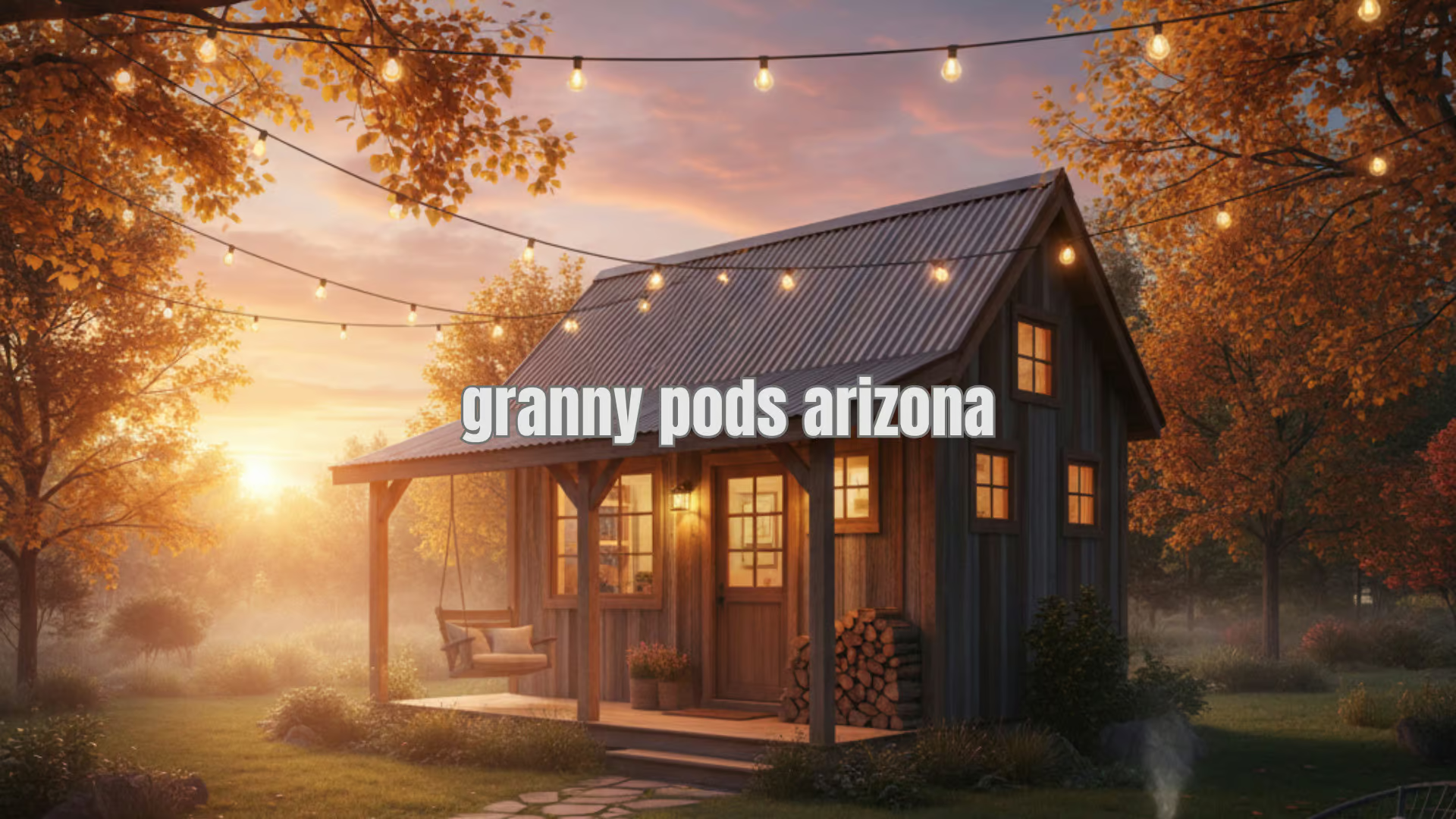
As you consider ways to support your aging relatives in Arizona’s sunny landscapes, granny pods emerge as a versatile and compassionate option. These compact living spaces allow your loved ones to stay nearby, fostering family bonds without sacrificing their autonomy. With Arizona’s growing senior population and the challenges of traditional elder care, understanding granny pods can help you make informed decisions for your family’s well-being.
In the context of Arizona’s unique housing needs, where vast deserts meet urban sprawl, granny pods offer a relevant solution for multigenerational living. They align with the state’s emphasis on independence and outdoor lifestyles, providing a way to age in place comfortably. For credibility, companies like Great Lakes Tiny Homes specialize in crafting these structures, drawing on expertise in tiny home designs that comply with local standards and prioritize senior comfort.
What Are Granny Pods?
You might be wondering what exactly granny pods are and why they’re gaining traction in Arizona. Granny pods, also known as backyard cottages or in-law suites, are small, detached dwelling units designed specifically for aging relatives. They enable your elderly family members to live close to you while enjoying their own private space and independence. Typically, these pods range from 300 to 800 square feet, offering a cozy yet functional home away from your main residence.
In Arizona, granny pods are becoming popular due to the state’s rapidly aging population. According to recent census data, over 17% of Arizona residents are 65 or older, and this number is projected to grow. The hot, dry climate and sprawling suburbs make it ideal for adding such units without disrupting your property’s layout. Families appreciate how granny pods address the rising demand for affordable elder care amid increasing healthcare costs. For instance, in bustling areas like Phoenix, where traffic can make daily visits to distant care facilities challenging, a granny pod in your backyard ensures immediate access to support, allowing you to respond quickly to any needs without the hassle of long commutes.
Great Lakes Tiny Homes offers a type of granny pod in the form of tiny houses, which you can customize to fit your needs. You have options for models with wheels for mobility or without for a more permanent setup. Additionally, choosing with or without RVIA certification allows flexibility; RVIA-certified models are often called park models and can simplify placement in certain zones. This variety ensures you find a solution that matches Arizona’s diverse living environments, from Phoenix suburbs to Tucson retreats. Consider how a wheeled model might appeal if you anticipate future moves, common among Arizona’s retiree community, providing portability while maintaining the comforts of home.
One key appeal in Arizona is how granny pods promote family closeness in a state known for its retirement communities. You can integrate these pods into your backyard, providing peace of mind knowing help is just steps away. As urban areas like Scottsdale and Sedona embrace innovative housing, granny pods represent a forward-thinking choice for your family’s future. They also adapt well to Arizona’s lifestyle, where outdoor activities are year-round; a pod with a small deck allows your loved one to enjoy the sun safely, enhancing their quality of life through simple, everyday joys.
Inside the Modern Granny Pod: Features, Design, and Purpose
Delving deeper, granny pods—formally known as accessory dwelling units (ADUs)—serve a clear purpose: supporting senior living with dignity. You design these spaces to be self-contained, complete with kitchens, bathrooms, and sleeping areas, all within a footprint of 300 to 800 square feet. Amenities often include energy-efficient appliances, ample storage, and open layouts that maximize natural light, which is abundant in Arizona’s sunny climate.
Typical features cater to comfort and convenience. You’ll find full-sized beds, compact but efficient kitchens with microwaves and refrigerators, and bathrooms equipped with walk-in showers. What sets granny pods apart from standard tiny homes is their focus on accessibility. Elements like lever-style door handles, non-slip flooring, and adjustable-height counters make daily life easier for those with mobility challenges. For example, in a pod designed for someone recovering from hip surgery, these features reduce the risk of falls and promote self-sufficiency, allowing you to focus on quality time rather than constant worry.
Different types of granny pods suit various preferences. Prefab options arrive ready-to-assemble, saving you time and labor—ideal if you’re in a hurry to accommodate a relative. Custom-built pods allow you to tailor every detail, from materials to layout, ensuring it blends with your Arizona home’s desert aesthetic. Converted structures, like repurposed sheds or garages, offer a budget-friendly entry but may require more modifications for senior safety. When choosing prefab, look for models that include pre-installed plumbing stubs, which streamline on-site work and minimize disruptions to your daily routine.
Senior-friendly designs emphasize health and security. Accessibility features such as zero-threshold entries prevent tripping hazards, while wider doorways (at least 36 inches) accommodate wheelchairs. Medical monitoring capabilities, like built-in emergency call systems or smart sensors for fall detection, provide you with remote oversight via apps. Unlike basic tiny homes, which prioritize minimalism, granny pods incorporate therapeutic elements: soft lighting to reduce eye strain, soundproofing for privacy, and even small patios for enjoying Arizona’s mild winters. These additions create a sanctuary that supports both physical and emotional well-being, helping your loved one maintain routines like gardening or reading in peace.
In Arizona’s context, these designs account for the intense heat. You’ll want insulated walls, reflective roofing, and HVAC systems optimized for cooling. The purpose remains central: empowering your loved ones to age gracefully, surrounded by family support without the institutional feel of care facilities. By choosing a granny pod, you create a nurturing extension of your home that honors independence. Integrating native plants around the pod can further enhance its harmony with the landscape, providing shade and a touch of Arizona’s natural beauty right at the door.
Benefits of Granny Pods for Arizona Families
For Arizona families, granny pods bring a host of advantages that resonate with the state’s lifestyle and challenges. First, proximity to family enhances care and support; you can check on your relative daily without long drives across expansive valleys. This setup allows for quick assistance with meals or medications, reducing stress for everyone involved. Imagine sharing evening walks in your neighborhood or preparing meals together, strengthening daily connections that might otherwise fade with distance.
Independence is another core benefit. Your elderly loved one retains privacy and autonomy in their own space, which studies show improves mental health and reduces isolation. In Arizona, where community ties are strong in places like Flagstaff or Prescott, this fosters a sense of belonging without full cohabitation. Research from the AARP highlights how such arrangements can lower depression rates among seniors by up to 30%, giving you peace of mind through visible improvements in their mood and engagement.
Cost savings are significant compared to nursing homes or assisted living. In Arizona, the average annual cost for assisted living exceeds $50,000, per Genworth’s Cost of Care Survey, while a granny pod investment of $100,000 to $150,000—like those from Great Lakes Tiny Homes—pays off over time. You avoid ongoing facility fees, potentially saving hundreds of thousands in the long run. Over a decade, this could mean retaining $400,000 or more that would otherwise go to institutional care, freeing up resources for family vacations or other priorities.
Property value increases naturally with a granny pod addition. Spending $100k to $150k on a quality unit enhances your home’s versatility, appealing to future buyers seeking multigenerational options. This investment retains value, unlike the depreciating costs of assisted living paths, which can total over $200,000 per year for nursing home care in Arizona. Real estate experts note that ADUs can boost resale prices by 10-20% in markets like Phoenix, where demand for flexible housing is rising.
Emotionally, keeping family close strengthens bonds and provides comfort. Arizona’s culture of outdoor living and retirement vibrancy amplifies this; imagine shared sunsets in your backyard pod. With the state’s senior population nearing 1.3 million and elder care costs rising 5% annually, granny pods offer practical relief tailored to desert living—durable against heat and dust, promoting healthier aging through family proximity. They also encourage intergenerational activities, like teaching grandchildren about local history during backyard gatherings, creating lasting memories.
Statistically, Arizona’s aging demographic underscores the need: by 2030, seniors will comprise 20% of residents. Granny pods address this by enabling affordable, climate-adapted care, ensuring your family thrives in the Grand Canyon State’s warmth.
Legal Considerations for Granny Pods in Arizona
Navigating the legal landscape for granny pods in Arizona requires careful attention, as regulations blend state guidelines with local variations. At the state level, Arizona encourages ADUs through flexible zoning, but implementation differs by county and municipality. You’ll need to comply with the International Residential Code (IRC) for construction, ensuring your pod meets safety standards. This includes standards for fire resistance, especially important in Arizona’s wildfire-prone regions, where materials must withstand high temperatures.
Zoning laws typically classify granny pods as accessory structures, permitted in residential zones but often restricted in historic districts. Building codes mandate proper foundations, electrical, and plumbing—crucial in Arizona’s seismic and flood-prone areas. Permit requirements involve submitting plans to local planning departments; expect fees of $500 to $2,000 and inspections for occupancy. During the application, you might need to provide soil tests to address the expansive clay soils common in the state, which can shift with moisture changes.
More accommodating areas include Maricopa County (Phoenix area), where cities like Tempe and Mesa allow ADUs up to 1,000 sq ft on lots over 7,500 sq ft. Pima County (Tucson) is progressive, permitting them in urban zones with minimal setbacks. Stricter spots, like parts of Yavapai County (Prescott), require case-by-case approvals and larger setbacks due to rural preservation. In these areas, variances can be sought if your property borders agricultural land, potentially expanding allowable uses through appeals to the zoning board.
Recent changes, such as House Bill 2723 in 2022, eased ADU restrictions statewide, promoting housing density. Pending bills aim to standardize permits, potentially simplifying your process. For legal ease, consider RVIA-certified park models; their compliance with RV standards often bypasses some building codes, allowing quicker installation on wheels without full foundations. This certification ensures mobility and resale value, beneficial in Arizona’s transient retiree market. It also facilitates temporary placements while permanent permits are processed, giving you flexibility during transitions.
To explore your options further, book a call with our experts at Great Lakes Tiny Homes. They’ve helped hundreds of customers make their tiny home dreams a reality. Schedule your consultation today.
If you’re interested in what counties in Arizona allow tiny houses, this ties directly into granny pod feasibility.
Which Arizona Counties Allow Granny Pods?
Determining county-specific rules is essential for your granny pod project in Arizona. Below is a comprehensive table focusing on populated counties with clear regulations. Note that city rules within counties can add layers—always verify with local authorities.
| County Name | Granny Pod Status | Minimum Lot Size Requirements | Maximum Size Allowed | Special Notes |
|---|---|---|---|---|
| Maricopa (Phoenix) | Allowed | 7,500 sq ft | 1,000 sq ft | Cities like Phoenix and Scottsdale permit ADUs with owner-occupancy; no separate utilities required in some areas. |
| Pima (Tucson) | Allowed | 6,000 sq ft | 800 sq ft | Tucson allows detached units; recent ordinances favor prefab models. Check for historic district restrictions. |
| Pinal | Case-by-Case | 1 acre | 600 sq ft | Rural focus; approvals easier in unincorporated areas but require septic systems. |
| Mohave (Kingman) | Restricted | 10,000 sq ft | 400 sq ft | Limited to attached units in urban zones; wheels-based park models preferred for mobility. |
| Yavapai (Prescott) | Case-by-Case | 1 acre | 750 sq ft | Stricter in Prescott Valley; environmental reviews needed for desert terrain. |
| Coconino (Flagstaff) | Allowed | 8,000 sq ft | 900 sq ft | Flagstaff supports ADUs for workforce housing; snow-load considerations in designs. |
For major counties, Maricopa’s Phoenix allows up to two ADUs per lot with parking provisions. Pima’s Tucson streamlines permits for seniors, waiving some fees. Always consult the county planning department, as rules evolve. In Coconino, for example, designs must account for higher elevations and cooler temperatures, incorporating better insulation. Linking to broader tiny home options, explore best tiny home communities in Arizona for inspiration. These communities often share insights on integrating granny pods, helping you visualize placements that enhance neighborhood harmony.
Cost of Building a Granny Pod in Arizona
Building a granny pod in Arizona involves various costs, but the investment yields long-term value. Prefab models start at $80,000 for basic 300 sq ft units, while custom-built options range from $120,000 to $200,000 for 600-800 sq ft with premium finishes. Quality levels affect pricing: entry-level uses standard materials, mid-range adds insulation for heat, and high-end incorporates smart tech. For mid-range, expect additions like energy-efficient windows that cut cooling costs by 20-30% in Arizona’s summers.
Site preparation costs $5,000 to $15,000, depending on terrain. In Arizona’s rocky deserts, grading and leveling are key; if your unit lacks wheels and requires a foundation, add $10,000-$20,000 for concrete slabs to handle expansive soils. Wheeled models skip this, offering easier relocation. Additional expenses might include erosion control measures, such as retaining walls, to protect against flash floods during monsoon season.
Utility connections run $3,000-$10,000, including septic or sewer ties and solar-ready electrical in sunny Arizona. Permits average $1,000-$3,000, with ongoing maintenance like AC servicing at $500 yearly due to the climate. Solar installations, while upfront costly, qualify for federal tax credits up to 30%, offsetting expenses and promoting sustainability.
Compared to Arizona’s assisted living ($4,500/month or $54,000/year) or nursing homes ($7,000/month or $84,000/year), a $100k-$150k granny pod from builders like Great Lakes Tiny Homes pays for itself in 2-3 years. Financing options include home equity loans at 5-7% interest or ADU-specific grants in progressive counties. Insurance adds $500-$1,000 annually as an endorsement; tax implications may include property value reassessments, but exemptions exist for senior housing. Overall, this approach saves you significantly while enhancing your property. Breaking it down, the initial outlay covers not just construction but also peace of mind, as the pod’s durability reduces repair needs in harsh conditions.
For builders, check tiny house builders in Arizona locations like Phoenix.
The Granny Pod Installation Process in Arizona
Installing a granny pod in Arizona follows a structured process tailored to the state’s regulations and environment. Start by researching local zoning: use county websites or planners to confirm allowances—expect 2-4 weeks. This phase involves mapping your property to identify setbacks and easements, ensuring the pod won’t encroach on neighbors or utilities.
Next, obtain permits: submit blueprints, site plans, and engineering reports. In Maricopa, this takes 30-60 days; include environmental impact for desert ecosystems. Engineers might recommend wind-resistant anchoring to withstand haboobs, the intense dust storms common in the region.
Site preparation considers Arizona’s arid terrain: clear brush to prevent fire risks, ensure drainage for monsoon rains. For non-wheeled units, pour foundations resistant to heat expansion; wheeled ones need stable pads. Compacting the soil properly prevents settling, which could affect door alignments over time.
Utility connections are vital, especially water and power for summer heat. Tie into mains or install wells/solar—budget for trenching in sandy soil. In remote areas, off-grid options like rainwater harvesting systems add resilience, aligning with Arizona’s water conservation efforts.
Delivery and installation: prefab units arrive in 1-2 days via flatbed; cranes lift into place. Timeline: 4-8 weeks total, weather permitting. Coordinate with local crews experienced in desert logistics to avoid delays from heat-related slowdowns.
Final inspections verify code compliance; challenges include dust storms delaying work or HOA disputes. Practical tip: hire locals familiar with Arizona’s codes for smoother execution. Document each step with photos to support any future appeals or sales.
Design Considerations for Arizona Granny Pods
Designing your Arizona granny pod means prioritizing the desert climate’s demands. Weatherproofing includes UV-resistant exteriors and sealed windows to combat intense sun and occasional dust storms. For four seasons—hot summers, mild winters—opt for passive cooling like overhangs and ventilation. Strategic shading from ramadas can lower indoor temperatures by 10-15 degrees, reducing reliance on air conditioning.
Energy efficiency is crucial: solar panels leverage Arizona’s 300+ sunny days, reducing bills by 50%. Insulate with foam for heat retention in cooler nights. Pair this with LED lighting and low-flow fixtures to minimize your environmental footprint while keeping costs down.
Accessibility features ensure safety: zero-step entries, 36-inch doorways, and grab bars in bathrooms. Roll-in showers and lever faucets accommodate aging needs. Consider automated shades for windows to control glare without physical effort, enhancing comfort during peak sun hours.
Smart home tech, like voice-activated lights and health monitors, integrates seamlessly. At Great Lakes Tiny Homes, the team loves meeting the people they build for, taking a personal approach to understand your vision. You’re always welcome to schedule site visits, tour the shop or available models, and meet the team—book calls or visits directly through the website. They’re eager to help you take the next step toward your dream home.
Utility connections should match your main home’s setup, with efficient plumbing for water conservation. Ensure the pod’s aesthetic—perhaps adobe-inspired siding—complements your property, blending into Arizona’s scenic backdrops. Incorporating drought-resistant landscaping around the pod not only beautifies but also supports local wildlife, creating a holistic living environment.
Finding Expert Guidance for Your Project
Working with professionals who grasp Arizona’s granny pod nuances is vital for success. You’ll want builders versed in local codes, from seismic reinforcements to water-efficient designs. This expertise ensures your project complies and functions optimally in the desert heat. Look for those with portfolios showing successful installations in varied terrains, from urban lots to rural acreages.
Great Lakes Tiny Homes stands out as a trusted option, with deep knowledge of Arizona regulations. Their team understands local building codes, offers customization for senior needs, and commits to comfortable spaces that support family care. Whether adding accessibility ramps or energy-saving features, they tailor to your situation. Their experience spans delivering units that withstand Arizona’s extremes, from 110-degree summers to occasional freezes.
Consider scheduling a consultation with Great Lakes Tiny Homes to discuss your needs—it’s a helpful step toward clarity. Their service-oriented approach positions them as a reliable resource for your journey. During consultations, you can review material samples and 3D renderings to visualize outcomes, making decisions more concrete.
Book a call with our experts who’ve helped hundreds of customers make their tiny home dreams a reality. Get started now. For more, see tiny houses for sale in Tucson.
Conclusion: Creating a Supportive Home for Your Loved Ones
In wrapping up, granny pods in Arizona offer a heartfelt way to keep your family close while honoring independence. This choice goes beyond housing—it’s an investment in care, dignity, and cherished time together amid the state’s stunning landscapes.
Local expertise, such as from Great Lakes Tiny Homes, streamlines the process, turning vision into reality. With their experience delivering turnkey modular and park model homes across the lower 48 U.S. states, they provide a practical and reliable option for your project, ensuring compliance and quality no matter where you are. Take that first step today; your loved ones deserve the comfort and connection a granny pod provides. Reflect on how this addition could transform daily interactions, fostering deeper bonds in Arizona’s vibrant communities.
Frequently Asked Questions About Granny Pods in Arizona
How Can Great Lakes Tiny Homes Help Me On My Granny Pod Journey
Great Lakes Tiny Homes can guide you every step of the way on your granny pod journey in Arizona. From initial consultations where you discuss your needs—like size, features, and budget—to custom designs that fit Arizona’s climate, their team provides personalized support. They handle permitting navigation, ensuring compliance with county rules, and offer options for wheeled or foundation-based units. Their guidance includes advice on selecting finishes that resist fading from UV exposure, ensuring longevity.
You’ll benefit from their knowledge of RVIA certifications for easier approvals. Site visits let you see builds in progress, building confidence. Ultimately, they turn your idea into a functional space, emphasizing quality and family focus. Reach out via their site to start.
Are granny pods legal in all parts of Arizona?
No, granny pods aren’t legal everywhere in Arizona due to varying local laws. Statewide, ADUs are encouraged, but counties like Maricopa allow them broadly, while rural areas like Apache may restrict for land use. Always check zoning; urban spots like Phoenix are more permissive than remote ones. Recent laws help, but municipal overlays apply—consult planners for your area. For instance, in border counties, additional federal land use rules might influence approvals.
Can I install a granny pod on any size property in Arizona?
Property size matters in Arizona; most counties require at least 6,000-10,000 sq ft for ADUs to ensure setbacks. Smaller lots in dense cities like Tucson might qualify with variances, but rural properties need more space for utilities. HOAs can impose extra rules. Measure your lot and review minimums to confirm feasibility. If your lot is borderline, professional surveys can help argue for exceptions based on efficient designs.
Do I need special insurance for a granny pod?
Yes, you’ll likely need to update your homeowner’s insurance for a granny pod in Arizona. Add an endorsement for the structure, covering liability and contents—costs $300-$800 yearly. If rented, separate policies apply. Providers like State Farm offer ADU riders; shop around for desert-specific perils like heat damage. Review policies annually, as additions like solar panels may require extra coverage for equipment.
Can I rent out my granny pod in Arizona?
Renting a granny pod is possible in Arizona but regulated. Many counties allow short-term rentals with permits, like Airbnb in Phoenix, but long-term requires zoning approval. Owner-occupancy is often mandated for ADUs. Tax implications include income reporting; check local ordinances to avoid fines. It’s a viable income source if compliant. In tourist-heavy areas like Sedona, short-term rentals can offset costs, but ensure the setup supports guest safety standards.