

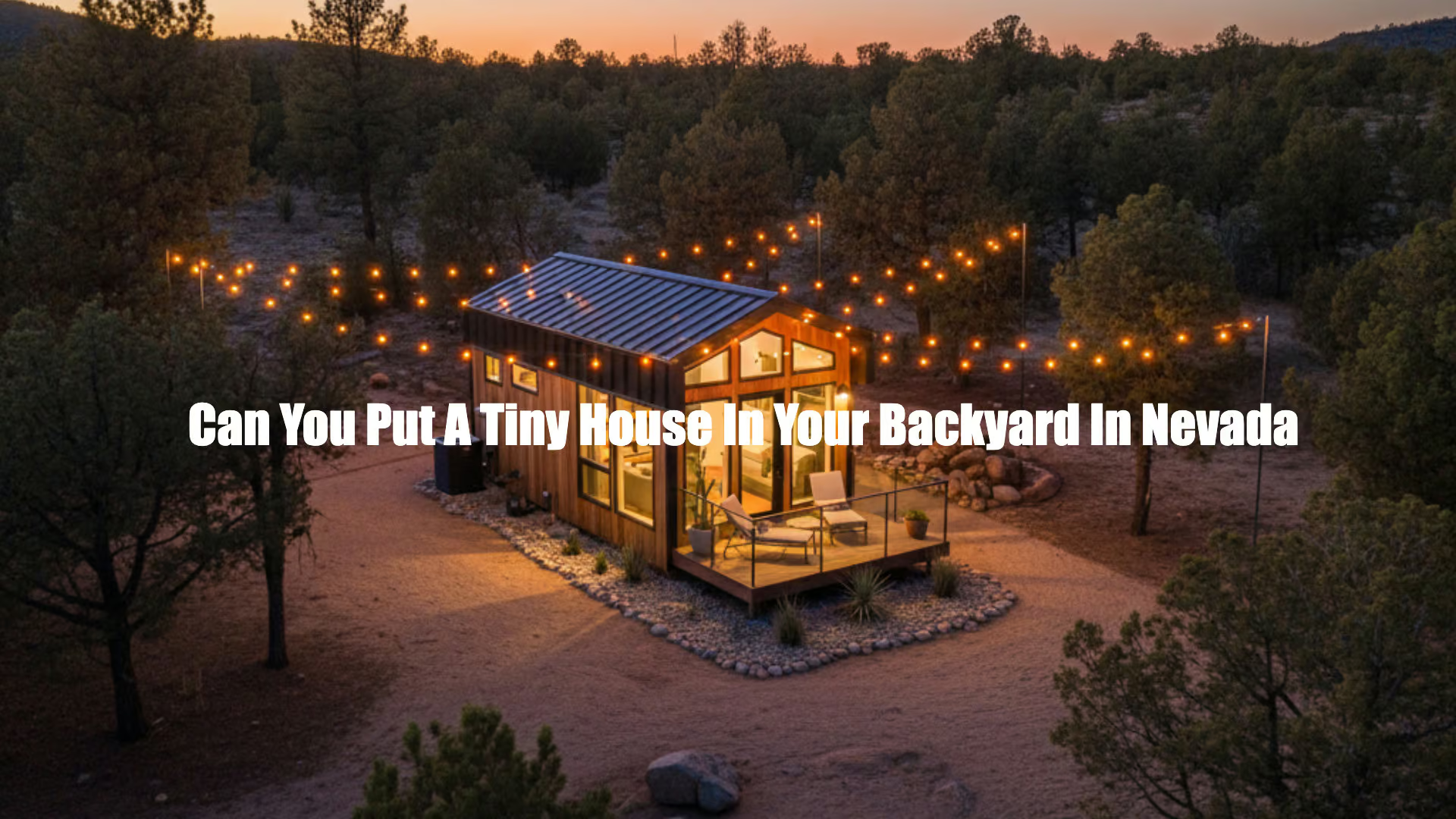
Nevada allows tiny houses in backyards primarily as accessory dwelling units (ADUs) in residential zones across most counties, with minimum sizes often starting at 400 square feet under the 2018 International Residential Code (IRC) Appendix Q. Tiny houses on wheels (THOWs) are generally restricted to temporary use or RV classifications, requiring permanent foundations for full-time residency in many areas. Local zoning varies, so verification with county planning departments is essential before placement.
In the expansive deserts and growing urban centers of Nevada, the idea of placing a tiny house in our backyard has become increasingly popular as a solution for affordable housing, family expansion, or sustainable living. Questions like “can you put a tiny house in your backyard in Nevada” reflect a broader interest in compact, efficient dwellings that fit seamlessly into existing properties. These structures, typically under 400 square feet, offer versatility for guest quarters, home offices, or rental units while minimizing environmental impact in a state known for its arid climate and variable terrain. However, success depends on navigating a patchwork of state guidelines and local ordinances that govern placement, size, and utilities.
This refreshed guide explores Nevada’s legal landscape for backyard tiny houses, from statewide codes to county-specific rules, helping us make informed decisions. We’ll cover zoning, permits, costs, and practical tips, drawing on the latest regulatory updates as of 2026. At Great Lakes Tiny Homes, we specialize as a full-service manufacturer of modular, park model, and tiny homes, delivering turnkey builds to all 48 lower U.S. states. Our options include structures with or without wheels, and those with RVIA certification—often referred to as park models—ensuring compliance with diverse zoning needs. For personalized advice on your Nevada project, book a call with our experts.
Disclaimer: This article is for informational purposes only and does not constitute legal advice. Laws, regulations, and zoning rules vary by location and may change over time. Always consult your local zoning office or a qualified land use/zoning attorney before making decisions based on this information.
Understanding Nevada’s Legal Framework for Backyard Tiny Houses
Nevada’s regulatory approach to tiny houses emphasizes local control, with the state adopting the 2018 International Residential Code (IRC), including Appendix Q for tiny homes under 400 square feet. This appendix outlines standards for lofts, stairs, and ceiling heights, enabling permanent backyard placements as ADUs in many jurisdictions. However, THOWs face stricter scrutiny, often limited to RV rules that prohibit year-round occupancy without foundations. Senate Bill 150, effective since 2023, mandates larger municipalities to incorporate tiny house provisions in zoning, promoting affordability amid rising housing costs. For us, this means opportunities in urban areas like Las Vegas, but rural spots may require variances for off-grid features.
The distinction between permanent and mobile tiny houses remains critical. Permanent builds must meet full IRC compliance, including seismic reinforcements suitable for Nevada’s fault lines, while THOWs need RVIA certification for mobility. Recent updates in counties like Nye have clarified park model allowances, distinguishing them from standard RVs for residential use. We benefit from these evolutions, as they expand options for backyard integrations without compromising safety. Environmental considerations, such as water conservation in drought-prone areas, also influence approvals, encouraging low-impact designs.
To proceed, we should review the Nevada State Fire Marshal’s adoption of IRC standards, which provides baseline safety. Local amendments add layers, like fire-resistant materials in wildfire zones. Engaging early with authorities helps us align plans, avoiding common pitfalls like unpermitted utilities. This framework supports innovative living while safeguarding community standards.
Zoning Laws and Local Regulations: What You Need to Know
Zoning forms the foundation for backyard tiny houses in Nevada, categorizing land into districts like R-1 (single-family) where ADUs are often permitted with size caps at 50% of the primary home. Setbacks typically require 5-10 feet from boundaries, ensuring space for access and privacy, while lot coverage limits prevent overdevelopment—usually 40-50% maximum. Height restrictions cap structures at 15-20 feet to maintain neighborhood aesthetics, a key concern in scenic areas like Lake Tahoe’s vicinity. HOAs may impose additional covenants, such as color schemes or no-visible-trailers rules, necessitating dual approvals.
Obtaining zoning clearance involves site plans and neighbor notifications in some counties, with variances available for non-conforming lots through public hearings. For instance, agricultural zones in rural Nevada might allow larger ADUs for farmworker housing. We must consider utility easements, which could restrict placement near power lines. These regulations balance growth with preservation, reflecting Nevada’s diverse landscapes from urban sprawl to protected deserts.
Practical navigation starts with county GIS maps to confirm zoning, followed by pre-application meetings. This proactive approach uncovers incentives like density bonuses for affordable units. By understanding these layers, we position our tiny house project for approval, enhancing property value without conflicts.
Nevada Counties That Allow Backyard Tiny Houses
Nevada’s counties exhibit varied policies on backyard tiny houses, with most permitting ADUs under IRC guidelines but differing on THOWs and minimum sizes. Urban counties like Clark prioritize density controls, while rural ones like Elko emphasize foundations for permanence. We’ve compiled a table below based on official county documents, highlighting key allowances. Note that policies evolve; direct verification is advised.
| County/City | Min Sq Ft | Zoning Type | Key Requirements | Source | Verified |
|---|---|---|---|---|---|
| Clark County | 400 | Residential (R-1, R-2) | ADUs up to 1,200 sq ft on foundations; no separate kitchens for non-family; permits via Building Dept., 4-6 weeks | Clark County Unified Development Code Title 30 | Yes |
| Washoe County | 400 | Residential zones | ADUs under 800 sq ft, owner-occupied; utility connections required; admin permit, 6-8 weeks | Washoe County ADU Hub | Yes |
| Nye County | 400 | Agricultural/Residential | Park models allowed as permanent with chassis and ANSI 119.5 certification; certificate of occupancy needed; anchored in parks | Nye County Agenda Item on Tiny Homes | Yes |
| Elko County | 120 (habitable room) | Residential | Permanent foundation required; min 120 sq ft primary room, 70 sq ft others; insulation for Climate Zone 5 | Elko County Tiny Home Requirements PDF | Yes |
| Douglas County | 400 | Residential/Rural | ADUs up to 1,000 sq ft; fire-resistant materials; planning approval required | Douglas County Planning Division | Yes |
| Lyon County | 400 | Residential | 2018 IRC adoption including Appendix Q; ADUs permitted; contact building dept. for THOWs | N/A (General IRC adoption) | Yes |
Disclaimer: Table data is based on current official sources but subject to change. Verify with local authorities for your specific property.
These counties represent a cross-section of Nevada’s approaches, from permissive rural policies to structured urban ones. For example, Nye County’s distinction for park models opens doors for mobile options in backyards. Integration of such details helps us select locations aligned with our needs, whether prioritizing flexibility or permanence.
Major Nevada Cities and Their Tiny House Policies
Las Vegas (Clark County)
Las Vegas permits ADUs up to 50% of the primary home’s size in residential districts, with a focus on utility connections and no independent kitchens for non-family use. The city’s 2022 pilot program allows THOWs for up to one year with conditional permits, processed through the Building and Safety Department at a cost of $1,000-$3,000 over 8-12 weeks. Contact: (702) 229-6201 or visit 333 N. Rancho Drive. This initiative addresses housing shortages, with dozens of approvals demonstrating feasibility in high-density neighborhoods.
Unique ordinances emphasize seismic and fire safety, requiring reinforced foundations. For tiny house for sale Las Vegas, compliance with these ensures smooth integration. Early consultations via pre-application meetings accelerate processes, helping us avoid revisions.
Reno (Washoe County)
Reno supports tiny houses over 400 sq ft meeting IRC standards as ADUs, with streamlined approvals since 2021 reducing timelines to 6-10 weeks and fees of $800-$2,500 via the Planning Division. THOWs are limited but possible in designated areas with RV certification. Contact: (775) 334-2326 or 1 E. First Street. Workshops offer guidance on zoning and utilities, fostering community support.
The city’s emphasis on affordability includes density bonuses for green builds. Explore tiny house builder Reno for compliant options. Personal engagement with planners enhances approval chances in this innovative hub.
Henderson (Clark County)
Henderson allows ADUs up to 800 sq ft with expedited permits for sustainable designs ($600-$1,800, 4-8 weeks) through Development Services. Family ADUs are favored under recent amendments, requiring setbacks and utility ties. Contact: (702) 267-1500 or 240 Water Street. Pre-application meetings provide technical aid, ideal for suburban backyard projects.
Focus on neighborhood compatibility includes aesthetic reviews. For sales, see tiny house for sale Henderson. This approach balances innovation with preservation.
Sparks (Washoe County)
Sparks permits ADUs up to 800 sq ft ($700-$2,000, 5-9 weeks) via Planning & Zoning, with 2023 pilots in select areas testing THOW communities. Emphasis on middle housing types aligns with state goals. Contact local department for specifics. These initiatives promote resilience in growing suburbs.
Neighbor support documentation aids approvals. Check best tiny home communities in Nevada for inspiration. Forward-thinking policies make Sparks viable for tiny living.
Permanent Foundation vs. Tiny Houses on Wheels: Legal Differences
Permanent foundation tiny houses in Nevada are regulated as ADUs under IRC, demanding compliance with full building standards for durability against winds and quakes. They require minimum 400 sq ft for habitability, plus engineered plans for foundations. THOWs, chassis-based and RVIA-certified, offer mobility but are capped at temporary stays—30-180 days—in most counties. For tiny house for sale Carson City, permanents provide security, while THOWs suit trials.
Permanents excel in financing and insurance but cost more upfront ($50,000-$100,000) with fixed utilities. THOWs ($20,000-$60,000) allow relocation but face weather vulnerabilities in Nevada’s extremes. Hybrid anchoring for THOWs can extend use in permissive areas like Nye. Choosing depends on our permanence needs and local rules.
Great Lakes Tiny Homes crafts both types, tailoring to Nevada’s climate with enhanced insulation. This versatility ensures code adherence, from seismic ties to energy efficiency. Evaluating these differences guides optimal selections for backyard success.
Building Permits and Code Compliance Requirements
The permit process for Nevada backyard tiny houses begins with zoning verification, followed by submissions of blueprints and energy reports to county building departments. Fees range $500-$5,000, with reviews lasting 4-12 weeks, including revisions for IRC alignment. Inspections cover foundation, electrical (120-volt min), and plumbing (PEX allowed). For tiny house builder Elko, certified pros streamline this.
Code mandates 2×6 framing, proper ventilation against dust, and fire safety like sprinklers in prone zones. Off-grid elements need special approvals, emphasizing conservation. Pre-submission checks prevent delays, ensuring our builds meet Nevada’s rigorous standards.
Great Lakes Tiny Homes handles compliance, providing stamped plans. This support minimizes risks, from faulty systems to fines, fostering reliable outcomes.
Utility Connections and Infrastructure Considerations
Utility setup for Nevada tiny houses involves extending electrical from main panels ($1,000-$3,000) or sub-meters for billing, crucial for AC in scorching summers. Water ties to municipal ($500-$2,000) or wells ($5,000-$15,000) in rural areas, with low-flow mandates for scarcity. Sewer options include connections or septics ($3,000-$10,000) post-perc tests. Solar hybrids enhance off-grid viability where permitted.
Total costs hit $5,000-$20,000, varying by remoteness. In water-stressed Nevada, drought fixtures are standard. For communities, see best tiny home communities in Nevada. Planning optimizes reliability amid outages.
Professionals assess sites for efficiency, preventing upgrades. This ensures comfortable, compliant living tailored to our needs.
HOA Restrictions and Neighborhood Considerations
HOAs in Nevada can override zoning with CC&Rs limiting ADUs to 600 sq ft or banning trailers, requiring board pre-approvals. Review documents for rental bans or aesthetics, presenting low-impact designs like screened placements. Neighbor letters addressing value adds—tiny houses often boost equity—build consensus. For tiny house for sale Sparks, harmony is key.
Architectural committees evaluate exteriors; submit renderings with native plants for desert blend. Minimize impacts via shared paths and events. These foster endorsements, turning hurdles into assets.
Long-term communication prevents issues, strengthening ties in close-knit areas.
Disclaimer: HOA rules are private contracts; consult your association and legal counsel for interpretations.
Tiny House Prices in Nevada
Tiny house prices in Nevada fluctuate based on size (100-600 sq ft), foundation type (permanent vs. wheels), RVIA certification for mobility, utility integrations, and local code demands like seismic reinforcements. Rural areas may lower land prep costs but raise well/septic expenses, while urban spots add permit fees. Overall, expect $40,000-$150,000 total, influenced by material surges and custom features for Nevada’s heat.
These variables interact; a wheeled model saves on foundations but may need anchoring upgrades in windy zones. Zoning impacts choices—permanents suit ADU rules, THOWs fit temporary allowances. Budgeting 10-15% contingency covers inspections and variances, ensuring comprehensive planning.
Great Lakes Tiny Homes Pricing
Great Lakes Tiny Homes delivers comprehensive solutions in the $100,000–$150,000 range, encompassing construction, Nevada transport, and setup for immediate occupancy. This turnkey model includes permits, inspections, and compliance docs, simplifying the process amid varying county rules. Transparent pricing aids budgeting, avoiding surprises in utility or foundation costs.
Our approach prioritizes quality and efficiency, with options for Nevada’s climate like enhanced cooling. This investment yields long-term savings through durability and energy features.
Great Lakes Tiny Homes Model Options
- Modular Homes: Permanent foundation units ideal for urban/suburban ADUs with full utilities.
- A-Frame: Architectural style for scenic backyards, compliant with height limits.
- Cabin: Traditional for rural Nevada, emphasizing insulation against temperature swings.
- Park Models: RVIA-certified for flexible zoning, suitable as THOWs or anchored.
- Tiny House on Wheels: Mobile options for testing backyard placement before permanence.
Model selection should match local zoning—permanents for ADUs, wheels for RVs. This alignment ensures approval while fitting lifestyle.
Zoning profoundly influences model viability in Nevada; for instance, wheels may suit temporary rural uses but require foundations in cities. If you’d like guidance on selecting the right model for your backyard, Book a call.
Practical Tips for Successfully Adding a Tiny House to Your Backyard
Site selection in Nevada backyards favors level, sunny areas with 20×30 ft clearance, accounting for drainage to handle flash floods. Soil tests confirm stability against erosion, essential in sandy terrains. Hire licensed contractors with Nevada experience; compare bids and check ADU portfolios. For tiny house builder Lyon County, references ensure quality.
Timeline 3-6 months includes permit waits; phase work to manage funds. Common errors like utility undersizing are avoided via surveys. Heat-reflective materials and evaporative systems suit the climate.
Great Lakes Tiny Homes offers climate-adapted designs, dodging pitfalls for enduring results. Phased builds and team meetings optimize efficiency.
Future Outlook: Nevada’s Evolving Tiny House Landscape
Nevada’s tiny house policies advance with housing crises, median prices exceeding $400,000 spurring ADU relaxations via 2023 bills. Reno pilots for THOW communities test scalable models, potentially statewide. Standardization of RV rules could enable year-round THOWs, boosting accessibility.
The Nevada Tiny House Association advocates via events; subscribe for updates. Resilient, low-water designs will rise with climate focus, aligning state goals. For tiny house for sale Fallon, these shifts promise more options.
Great Lakes Tiny Homes anticipates changes, crafting adaptable homes. This positions us for innovative, sustainable living ahead.
Tiny House FAQs in Nevada
Is it legal to put a tiny house in my backyard in Nevada?
Nevada generally allows tiny houses in backyards as accessory dwelling units (ADUs) in residential zones, subject to local zoning laws and the 2018 International Residential Code (IRC) Appendix Q. However, regulations vary by county and municipality, so it is essential to consult your local planning department for specific requirements and approvals. This guide provides general information; always verify with authorities as laws may change.
Can I place a tiny house on wheels (THOW) in my backyard for permanent living?
Tiny houses on wheels are often classified as RVs in Nevada and restricted to temporary use, requiring a permanent foundation for full-time residency in most areas. Permanent tiny homes must comply with IRC standards, while THOWs may need RVIA certification but face limitations on year-round occupancy. Check local ordinances, as some counties like Nye have updated rules distinguishing park models from standard RVs.
What is the minimum size requirement for a tiny house in Nevada?
Under the 2018 IRC Appendix Q adopted by Nevada, tiny houses are typically defined as under 400 square feet, with specific standards for lofts, stairs, and ceiling heights. Local jurisdictions may impose additional minimum size requirements starting at 400 square feet for ADUs. For precise details, refer to your county’s zoning regulations, as variations exist.
In which parts of Nevada can I place a tiny house in my backyard?
Backyard tiny houses are permitted in most residential zones across Nevada counties, particularly as ADUs in urban areas like Las Vegas and rural agricultural zones. Placement must adhere to setbacks of 5-10 feet from property lines and lot coverage limits of 40-50%. See the Nevada Counties That Allow Backyard Tiny Houses section for county-specific details, and confirm with local zoning maps.
What permits and utilities are needed for a backyard tiny house?
Permits typically include building, zoning, and possibly septic or electrical approvals, depending on whether the tiny house connects to existing utilities or requires independent systems. In drought-prone Nevada, water conservation features may be mandated for approvals. Engage with your county planning department early to outline site plans and ensure compliance with fire safety and seismic standards.
What are the approximate costs for a backyard tiny house in Nevada?
Costs vary based on size, foundation type, and finishes, but a basic tiny house under 400 square feet can range from $30,000 to $100,000, excluding permits and site preparation which add $5,000-$20,000. Permanent foundations and utility connections increase expenses compared to mobile options. Factor in local fees and potential HOA restrictions when budgeting.
Conclusion: Your Path to Backyard Tiny House Success in Nevada
Integrating a tiny house into our Nevada backyard demands thorough navigation of zoning, permits, and utilities, but yields rewarding affordability and flexibility. From county allowances to pricing insights, this guide equips us for compliant projects that enhance lifestyles. As regulations evolve, staying informed ensures alignment with opportunities.
Consult locals and experts early for tailored paths. Great Lakes Tiny Homes provides nationwide turnkey solutions, guiding Nevada builds to fruition. Book a call with our experts to advance your vision. With preparation, tiny house living thrives in the Silver State.