

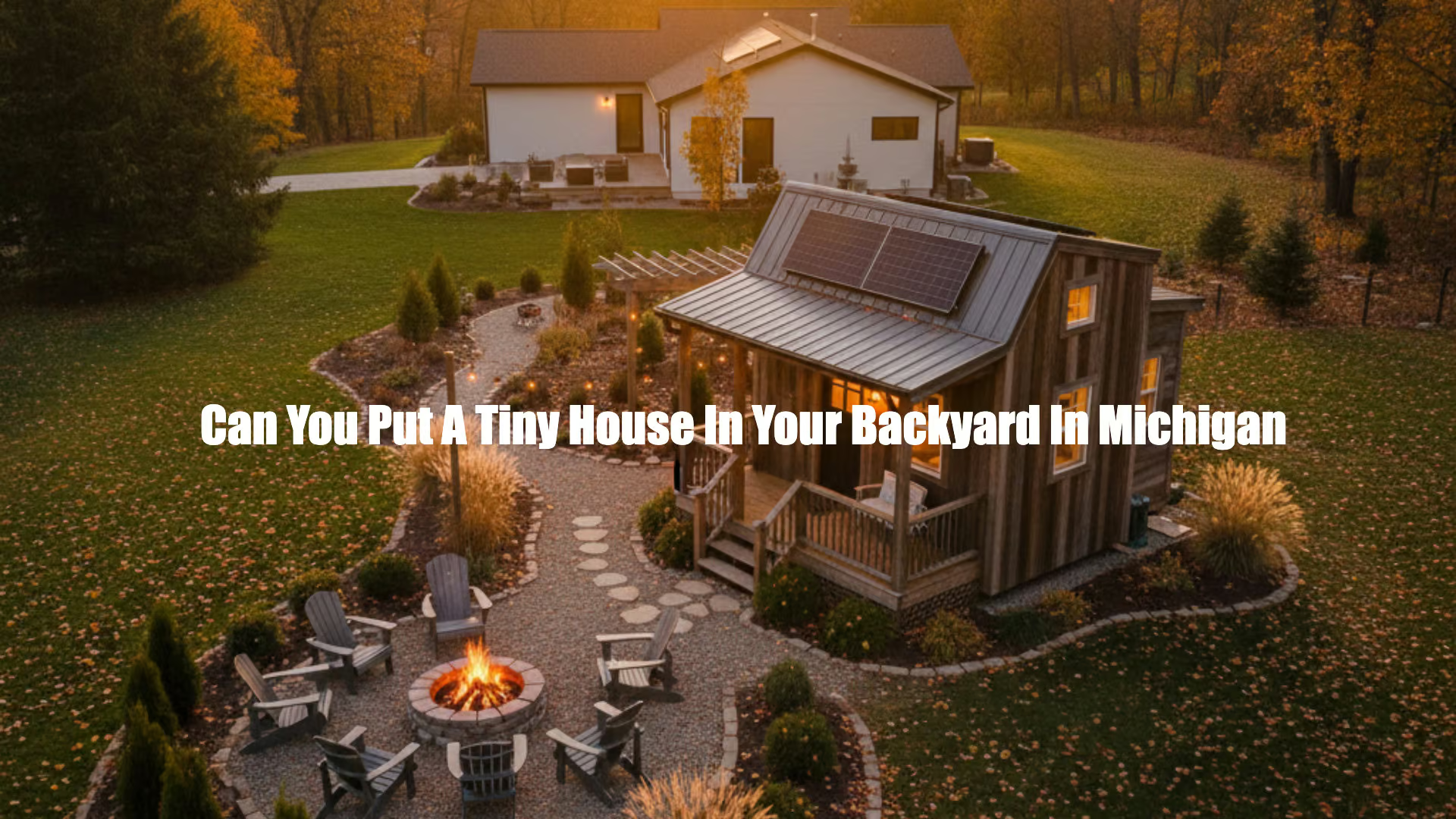
Can You Put a Tiny House in Your Backyard in Michigan?
Michigan allows tiny houses in backyards as accessory dwelling units (ADUs) in many counties, with minimum sizes often starting at 200-400 square feet depending on local zoning. Tiny houses on wheels are typically classified as RVs and restricted for permanent use, requiring registration and placement in approved areas. Always verify with your local zoning office, as rules vary by municipality and may include setback and utility requirements.
In Michigan, the dream of adding a tiny house to our backyard is gaining popularity as more of us seek affordable, sustainable living options. Whether we’re downsizing, accommodating family, or embracing minimalism, tiny houses offer a compact solution to modern housing challenges. The appeal lies in their efficiency—small footprints mean lower energy costs and easier maintenance, while allowing us to maximize our existing property without sprawling developments. But before we dive into construction, we must navigate the legal landscape to ensure our project complies with state and local rules. This involves understanding not just the basics but also the nuances that can make or break our plans, such as how seasonal weather impacts building choices or how community needs influence zoning flexibility.
As experts in tiny home solutions at Great Lakes Tiny Homes, we’ve seen how backyard tiny houses can transform properties across the Midwest. Our experience with Michigan’s regulations helps us guide homeowners toward compliant builds that fit their lifestyles. We offer full-service manufacturing of modular, park model, and tiny homes, delivering turnkey builds to all 48 lower U.S. states. Options include homes with or without wheels, and those with RVIA certification—often called park models—for easier placement in RV-friendly zones. To get started on your journey, book a call with our team for personalized advice.
Disclaimer: This article is for informational purposes only and does not constitute legal advice. Laws, regulations, and zoning rules vary by location and may change over time. Always consult your local zoning office or a qualified land use/zoning attorney before making decisions based on this information.
Understanding Michigan’s Legal Framework for Backyard Tiny Houses
Michigan takes a decentralized approach to regulating tiny houses, leaving most decisions to county and municipal levels rather than imposing strict statewide mandates. This flexibility allows local governments to tailor rules to community needs, but it also means we need to research specific areas carefully. For example, urban counties might prioritize density controls to manage population growth, while rural ones could offer more leeway for agricultural integrations. At the state level, the Michigan Residential Code, based on the International Residential Code (IRC), sets baseline standards for construction, but tiny houses often fall into gray areas depending on their design. This code covers everything from wind load resistance—crucial in Michigan’s stormy Great Lakes climate—to energy efficiency requirements that promote sustainable builds. Recent updates to the code emphasize resilience against extreme weather, ensuring structures can withstand heavy snow loads common in the Upper Peninsula.
A key distinction lies between tiny houses on wheels (THOWs) and those on permanent foundations. THOWs are typically classified as recreational vehicles (RVs), subject to RV-specific rules that may limit permanent residency. In contrast, permanent foundation tiny houses are treated more like traditional dwellings, requiring adherence to full building codes. Some counties have adopted specific ordinances for tiny houses, recognizing them as innovative housing. For instance, accessory dwelling units (ADUs) provide a common legal pathway, allowing secondary structures on the same lot as a primary residence. ADUs can serve various purposes, from guest quarters to home offices, and their acceptance has grown with Michigan’s aging population seeking multi-generational living solutions. This pathway often includes provisions for shared utilities, reducing overall costs while maintaining compliance.
Recent legislative developments show growing acceptance. In 2023, Michigan lawmakers introduced bills to ease ADU restrictions, aiming to address housing shortages exacerbated by rising costs and limited inventory. Cities like Ann Arbor and Traverse City have piloted programs that encourage tiny house developments, reflecting a shift toward alternative housing. These pilots often include incentives like reduced fees for eco-friendly designs, demonstrating how tiny houses align with broader goals of environmental conservation and urban infill. We encourage checking the Michigan Department of Licensing and Regulatory Affairs (LARA) for updates, as these changes could expand options for backyard placements statewide. Additionally, resources like the state’s housing task force reports offer insights into how tiny houses fit into long-term affordability strategies. Engaging with these evolving policies early can position us to take advantage of new opportunities as they arise.
Disclaimer: This article is for informational purposes only and does not constitute legal advice. Laws, regulations, and zoning rules vary by location and may change over time. Always consult your local zoning office or a qualified land use/zoning attorney before making decisions based on this information.
Zoning Laws and Local Regulations: What You Need to Know
Zoning laws form the backbone of where and how we can place a tiny house in our Michigan backyard. These regulations divide land into districts like residential (R1 for single-family, R2 for multi-family), agricultural, or commercial, each with rules on structure types and sizes. In R1 zones, common in suburban Michigan, tiny houses may be permitted as ADUs if they meet size limits and don’t exceed lot coverage—often capped at 35-50% of the total area. This classification helps maintain neighborhood character while allowing property enhancements, but variances might be needed for non-standard lots, involving public hearings where we present our case. Variances can take 2-4 months and require demonstrating hardship, such as unique lot shapes that make standard builds impractical. Successful applications often include neighbor petitions supporting the project, highlighting community benefits like increased housing options.
Setback requirements are crucial: structures must be a certain distance from property lines, typically 5-10 feet in front and sides, and 20-30 feet in the rear, to prevent overcrowding and ensure emergency access. Height restrictions usually limit accessory buildings to 15-20 feet, ensuring they don’t overshadow neighbors or violate airspace rules near airports. Lot coverage ratios prevent overdevelopment, while floor area ratios (FAR) might restrict total built space, calculated as the ratio of building footprint to lot size—for a 10,000 sq ft lot, a 0.4 FAR allows 4,000 sq ft total coverage. These metrics promote balanced land use, with some counties offering density bonuses for green features like native landscaping. For more on specific zoning districts, explore best tiny home communities in Michigan, where compliant placements are common.
Navigating these requires contacting local planning departments early. We always recommend obtaining zoning verification letters and building permits to avoid fines or removal orders. Homeowners associations (HOAs) add another layer; their covenants can impose stricter rules than municipal zoning, sometimes prohibiting non-traditional structures altogether. For instance, an HOA might require architectural harmony, mandating siding that matches the main house. Even if zoning allows it, HOA approval might be needed. We suggest reviewing all documents thoroughly and consulting professionals to interpret variances. By prioritizing these steps, we ensure our tiny house project aligns with community standards and avoids legal pitfalls, potentially saving thousands in rework costs. In areas with supportive HOAs, tiny houses can even become selling points, appealing to eco-conscious buyers.
Disclaimer: This article is for informational purposes only and does not constitute legal advice. Laws, regulations, and zoning rules vary by location and may change over time. Always consult your local zoning office or a qualified land use/zoning attorney before making decisions based on this information.
Michigan Counties That Allow Backyard Tiny Houses
Michigan’s 83 counties vary widely in their tiny house policies, with some embracing them as ADUs or accessory structures. Below, we break down key counties that permit backyard tiny houses, focusing on those with favorable regulations. This list highlights size requirements, permit processes, and restrictions—always verify with county offices for the latest details. Understanding these variations helps us select locations where our vision aligns with policy, considering factors like proximity to services or natural features. Rural counties often provide more flexibility for off-grid setups, while urban ones emphasize integration with existing infrastructure.
| County/City | Min Sq Ft | Zoning Type | Key Requirements | Source | Verified |
|---|---|---|---|---|---|
| Oakland County | 1,000 | ADU on lots over 1 acre | Site plans, engineering reports, fees $500-$1,000; owner-occupied or family use, no short-term rentals | Oakland County Zoning Ordinance | Yes |
| Wayne County | 400 | Residential zones | Zoning approval (4-6 weeks), building permits $300+; 10-foot setbacks, septic for rural areas | Wayne County Zoning | Yes |
| Kent County | 500 | ADU or RV | Online portal, costs $200-$800; no permanent utilities for THOWs, annual inspections | Kent County Zoning | Yes |
| Washtenaw County | 800 | ADU | Environmental impact review, fees $400+; connect to public utilities if available | Washtenaw County Zoning | Yes |
| Grand Traverse County | 300-600 | Agricultural zones | Simple process (1-2 months), $250 fees; 16-foot height limit, frost line foundations | Grand Traverse County Zoning | Yes |
| Macomb County | 40% of primary home | R1 zones | Architect stamps, costs $600-$1,200; no separate addresses, tied to main taxes | Macomb County Zoning | Yes |
These counties represent a mix of urban and rural options. For more on specific areas, explore best tiny home communities in Michigan, where compliant placements are common. Rural counties like Leelanau often provide more flexibility for off-grid setups, while urban ones emphasize integration with existing infrastructure. When selecting a county, consider not just allowances but also long-term resale value and community support for alternative housing.
Disclaimer: This article is for informational purposes only and does not constitute legal advice. Laws, regulations, and zoning rules vary by location and may change over time. Always consult your local zoning office or a qualified land use/zoning attorney before making decisions based on this information.
Major Michigan Cities and Their Tiny House Policies
Michigan’s major cities have tailored regulations to balance growth and preservation. Here’s a look at key metropolitan areas, including permit details and tips for success. These urban policies often reflect broader economic pressures, like revitalization efforts in post-industrial areas. Each city’s approach incorporates local needs, such as tourism in northern spots or academic housing in university towns.
Detroit: As part of Wayne County, Detroit allows ADUs up to 900 sq ft via a streamlined process since 2022. Permit costs $400-$700, applications online with 6-8 week timelines. Recent policy changes include a pilot for affordable housing ADUs. To navigate bureaucracy, attend community meetings and build rapport with planners—persistence pays off. For instance, engaging with neighborhood associations can uncover informal support networks. This city’s history of innovation makes it a hub for creative tiny house designs, often incorporating urban farming elements.
Grand Rapids: In Kent County, tiny houses on foundations are permitted as ADUs, max 600 sq ft. Fees around $500, process takes 4-6 weeks with site inspections. A 2023 ordinance eased restrictions for multi-generational living. Advice: Submit detailed plans early and follow up weekly to foster positive relationships with officials. This city’s furniture heritage influences designs favoring modular aesthetics. Community workshops on sustainable building further support tiny house initiatives here.
Ann Arbor: Washtenaw County’s progressive stance allows tiny houses under ADU rules, up to 800 sq ft. Costs $300-$600, timelines 2-4 months due to reviews. Pilot programs for eco-friendly builds make it tiny-house friendly. Tip: Engage sustainability committees; transparency about your project’s benefits helps approval. Academic collaborations often lead to innovative, low-impact prototypes. The university’s influence promotes research-backed designs, like passive solar features.
Lansing: Permits backyard tiny houses as accessory structures, 400+ sq ft. Application fees $250+, 1-3 month process. Recent changes support housing diversity. Build ties by volunteering for planning boards—local connections accelerate approvals. As the state capital, policies here set precedents for statewide adoption. Focus on how tiny houses address legislative priorities like workforce housing.
Traverse City: Grand Traverse County rules allow up to 500 sq ft ADUs. Costs $400, quick 3-5 week timelines. A tourism-driven pilot encourages seasonal tiny homes. Advice: Highlight economic benefits in presentations to officials for smoother sailing. Cherry industry ties promote orchard-integrated units. Seasonal demand creates opportunities for hybrid residential-vacation setups.
These cities show Michigan’s urban centers adapting to tiny house trends. For community insights, check our article on the best tiny home communities in Michigan. Each location offers unique advantages, from cultural vibrancy to natural beauty, making them ideal for tiny living experiments.
Disclaimer: This article is for informational purposes only and does not constitute legal advice. Laws, regulations, and zoning rules vary by location and may change over time. Always consult your local zoning office or a qualified land use/zoning attorney before making decisions based on this information.
Permanent Foundation vs. Tiny Houses on Wheels: Legal Differences
In Michigan, the choice between permanent foundation tiny houses and THOWs carries significant legal implications. Permanent tiny houses are classified as ADUs, requiring compliance with the Michigan Residential Code, including insulation, egress windows, and structural integrity. They offer stability but demand foundations below the frost line (42 inches) and full permitting. This setup is ideal for year-round use, with deeper footings preventing heaving from freeze-thaw cycles common in the Upper Peninsula. Permanent options also facilitate easier insurance and financing, as they integrate with property assessments. For those planning long-term residency, this classification provides greater security against zoning challenges.
THOWs, built on chassis, are often deemed RVs under Michigan Vehicle Code, allowing mobility but restricting permanent occupancy in many zones—typically limited to 180 days annually. They face fewer building code hurdles but must meet RVIA standards for roadworthiness. Real-world examples include THOWs parked for summer escapes in northern Michigan, where portability suits transient lifestyles. However, THOWs may require annual re-registration and face utility limitations, like no permanent septic ties. This mobility appeals to seasonal users but complicates full-time living approvals. For more on mobile options, see tiny houses for sale in Detroit, where THOWs are popular for urban flexibility.
Pros of permanent: Long-term security, easier utility hookups, potential property value boost. Cons: Higher costs ($10,000+ for foundation), stricter inspections. THOWs pros: Affordability ($20,000-$60,000 total), flexibility. Cons: Zoning battles, limited financing, resale challenges. Analysis shows permanent options yield better ROI for rentals, while THOWs excel in experimentation phases. Minimum sizes: Permanent often 400+ sq ft for habitability; THOWs more flexible at 100-400 sq ft. Utility connections differ—permanent can tie directly, while THOWs may need RV parks or temporary setups. For legal security, permanent wins in residential areas, especially with rising insurance demands for fixed structures. At Great Lakes Tiny Homes, our expertise in building code-compliant structures helps Michigan residents choose the right path. Ready to decide? Book a call with our experts who’ve helped hundreds of customers make their tiny home dreams a reality.
For builder options, see our directory of tiny house builders in Detroit and other locations.
Disclaimer: This article is for informational purposes only and does not constitute legal advice. Laws, regulations, and zoning rules vary by location and may change over time. Always consult your local zoning office or a qualified land use/zoning attorney before making decisions based on this information.
Building Permits and Code Compliance Requirements
Securing building permits for a Michigan backyard tiny house involves a structured process to ensure safety and legality. Start by submitting a zoning application to your local department, including site plans, elevations, and proof of ownership—fees range $200-$500. This initial step verifies land use compatibility, often requiring a pre-application meeting to discuss intentions. The meeting allows us to address potential issues early, such as soil stability or drainage concerns, which are critical in Michigan’s varied terrain. Following approval, detailed construction drawings must be submitted, incorporating load-bearing calculations for snow and wind.
Next, apply for the building permit with detailed blueprints, energy calculations, and engineer stamps if needed. Inspections cover foundation, framing, electrical (per NEC), plumbing (IPC), and final occupancy—schedules vary, but plan for 4-8 weeks total. Costs: $1,000-$3,000 depending on size. Best practices include documenting every stage with photos for dispute resolution. Michigan’s code emphasizes energy efficiency, requiring R-19 walls and high-efficiency windows to combat heating costs. For electrical, GFCI protection is mandatory in wet areas, while plumbing demands PEX lines for freeze resistance.
Michigan’s Building Code mandates 2×6 framing for efficiency, GFCI outlets, PEX piping, and smoke detectors. Septic systems require health department approval for off-sewer lots, involving percolation tests to assess soil absorption rates. Fire codes demand 10-foot clearances from structures, plus sprinkler systems in some high-risk areas. Working with certified builders minimizes risks, protecting values and lives. Proper permits prevent insurance denials and resale issues. Great Lakes Tiny Homes ensures all our builds meet Michigan standards and can guide you through permitting, saving time and stress by handling submissions and follow-ups. For local builders, check tiny house builders in Ann Arbor.
Disclaimer: This article is for informational purposes only and does not constitute legal advice. Laws, regulations, and zoning rules vary by location and may change over time. Always consult your local zoning office or a qualified land use/zoning attorney before making decisions based on this information.
Utility Connections and Infrastructure Considerations
Connecting utilities to our Michigan tiny house requires planning for reliability and compliance. For electricity, options include subpanel extensions from the main house ($1,000-$3,000) or separate meters ($2,000-$5,000) via DTE Energy—permits ensure code adherence. Subpanels suit low-demand setups, while meters allow independent billing for rentals. In rural areas, solar integration is popular, with net metering credits reducing costs by up to 30%. Ground-mounted arrays avoid roof weight issues, and battery storage ensures power during outages common in winter storms.
Water and sewer: Tie into municipal lines ($500-$2,000) or install septic ($5,000-$15,000) and well ($3,000-$10,000) in rural spots. Michigan DEQ oversees septic designs for soil percolation, recommending mound systems for high water tables. Step-by-step: Survey site, test water quality, install with backflow preventers. For wells, annual bacterial testing is required, with filtration for iron-rich groundwater prevalent in the Lower Peninsula. These systems support sustainable living, with rainwater harvesting permitted in some counties under conservation easements.
Internet and cable: Use existing buried lines or wireless; costs $200-$500. Modern needs like solar panels add $10,000+ but qualify for rebates through Michigan’s renewable programs, reducing long-term bills by 50-70%. Estimates: Total utilities $5,000-$20,000. Off-grid setups (solar, composting toilets) are permitted in some counties but need variances—pros include independence, cons regulatory hurdles like annual certifications. Proper planning ensures comfort and avoids fines, with energy audits optimizing efficiency. For off-grid inspiration, see tiny houses for sale in Grand Rapids.
Disclaimer: This article is for informational purposes only and does not constitute legal advice. Laws, regulations, and zoning rules vary by location and may change over time. Always consult your local zoning office or a qualified land use/zoning attorney before making decisions based on this information.
HOA Restrictions and Neighborhood Considerations
Even if zoning permits, HOAs in Michigan can block tiny houses through covenants limiting accessory structures or aesthetics. Review CC&Rs thoroughly; many cap sizes at 500 sq ft or ban wheels. Background: HOAs govern 20% of U.S. homes, emphasizing uniformity to preserve values. In Michigan, HOAs often mirror municipal rules but add layers like approval committees reviewing designs for harmony. Engaging early with board members can reveal flexibility, especially if we emphasize benefits like increased property security from on-site guests.
Seek written board approval pre-construction—submit plans highlighting design harmony. Approach neighbors with open houses or letters addressing value concerns; data shows ADUs can increase property worth by 10-20%. Strategies: Offer shared amenities like community gardens to build buy-in. In diverse neighborhoods, tiny houses can foster inclusivity, appealing to younger demographics. For example, in Oakland County HOAs, proposals including noise mitigation plans have succeeded by demonstrating minimal impact.
Architectural reviews focus on materials and setbacks; present eco-benefits to ease fears, using visuals like 3D renderings. Be a good neighbor: Minimize noise, share access paths, and host community events. Positive relations foster support and prevent disputes, potentially leading to HOA policy updates. In supportive communities, tiny houses enhance social ties, turning backyards into shared spaces. For community-focused builds, explore best tiny home communities in Michigan.
Disclaimer: This article is for informational purposes only and does not constitute legal advice. Laws, regulations, and zoning rules vary by location and may change over time. Always consult your local zoning office or a qualified land use/zoning attorney before making decisions based on this information.
Tiny House Prices in Michigan
Tiny house prices in Michigan vary by size, foundation type, RVIA certification, utility hookups, and local code requirements. Understanding these cost variables helps prospective tiny house owners budget appropriately and make informed decisions about their housing investment. The state’s diverse regulatory environment means that compliance costs can vary substantially between different counties and municipalities, affecting overall project budgets. Foundation requirements represent one of the most significant cost variables, with permanent foundations typically requiring substantial site preparation, utility connections, and compliance with local building codes. Tiny houses on wheels offer more flexibility in placement but may require RVIA certification for financing and insurance purposes. Utility hookups, including electrical, plumbing, and sewage connections, can add significant costs depending on site conditions and local utility requirements. Local zoning compliance can also impact costs through permit fees, required inspections, and potential modifications needed to meet specific municipal requirements. Some jurisdictions require professional engineering reviews, environmental assessments, or special use permits that add to overall project costs. Understanding these requirements early in the planning process helps avoid unexpected expenses and project delays.
Great Lakes Tiny Homes Pricing
Great Lakes Tiny Homes offers comprehensive tiny house solutions in the $100,000–$150,000 range, providing turnkey delivery to locations throughout Michigan and the broader Great Lakes region. Our pricing includes complete construction, quality materials, professional installation, and ongoing support to ensure your tiny house meets all local requirements and exceeds your expectations for quality and livability. This full-service approach eliminates the complexity and uncertainty often associated with tiny house projects while ensuring compliance with all applicable regulations. Our turnkey delivery service includes site assessment, permit assistance, utility coordination, and professional installation that takes the guesswork out of tiny house ownership. We work closely with local officials to ensure compliance with zoning requirements and building codes, providing documentation and certifications needed for legal occupancy. This comprehensive approach provides peace of mind and helps ensure your investment is protected through proper planning and execution.
Great Lakes Tiny Homes Model Options
Our diverse model lineup provides options suitable for different zoning requirements, lifestyle preferences, and budget considerations throughout Michigan. Each model is designed to maximize livability within compact footprints while meeting or exceeding all applicable building codes and safety standards. Our design team works closely with clients to customize features and layouts that optimize functionality for their specific needs and local requirements.
- Modular Homes – Factory-built sections assembled on permanent foundations, ideal for jurisdictions requiring traditional construction methods
- A-Frame – Distinctive architectural style that maximizes interior space while meeting height restrictions in many zoning districts
- Cabin – Traditional designs that blend seamlessly with rural and recreational settings throughout Michigan
- Park Models – RVIA-certified units suitable for RV parks and communities that welcome tiny houses on wheels
- Tiny House on Wheels – Mobile units that provide flexibility for changing locations while maintaining full livability
Model selection should consider local zoning requirements, intended use patterns, and long-term housing goals. Our team provides guidance on which models work best in different regulatory environments and can customize features to meet specific local requirements. We also assist with the permit process and provide documentation needed for zoning compliance and utility connections. Zoning impacts model choice significantly—for instance, permanent foundation models like modular homes suit strict residential zones, while park models fit RV-friendly areas. This ensures your tiny house not only complies but also enhances your property’s value and functionality.
If you’d like an expert second opinion on your specific situation, you can book a call with the Great Lakes Tiny Homes team.
Disclaimer: This article is for informational purposes only and does not constitute legal advice. Laws, regulations, and zoning rules vary by location and may change over time. Always consult your local zoning office or a qualified land use/zoning attorney before making decisions based on this information.
Practical Tips for Successfully Adding a Tiny House to Your Backyard
For Michigan residents, success starts with site selection: Choose sunny, level spots with 50+ feet from the house, considering drainage to avoid winter floods. Use soil tests to identify contaminants; methodology: Probe for bedrock and utilities underground. These tests, costing $500-$1,000, prevent costly surprises like unstable clay soils in the Thumb region. Incorporate grading for positive drainage, sloping away from foundations to mitigate basement flooding risks during heavy rains.
Work with licensed contractors—vet via references and portfolios. Manage permits by organizing docs digitally; timeline 3-6 months. Avoid mistakes like skipping surveys (costs $500 extra fixes) or ignoring snow loads—Michigan designs need 50 psf roofs, with sloped profiles for shedding. Metal roofs excel here, lasting 40+ years with minimal maintenance. For utilities, plan phased installations to align with inspections, ensuring seamless transitions.
Prep for clay soils with French drains; ensure ADA access if needed. Opt for insulated designs for -20°F winters, incorporating radiant floors. Great Lakes Tiny Homes’ local knowledge helps dodge pitfalls, delivering on-time projects through phased construction oversight. Lessons from projects: Early neighbor engagement prevents delays; flexible designs accommodate code changes. For builder recommendations, see tiny house builders in Grand Rapids. Sustainable features like native plantings enhance appeal and reduce upkeep.
Disclaimer: This article is for informational purposes only and does not constitute legal advice. Laws, regulations, and zoning rules vary by location and may change over time. Always consult your local zoning office or a qualified land use/zoning attorney before making decisions based on this information.
Future Outlook: Michigan’s Evolving Tiny House Landscape
Michigan’s tiny house scene is booming amid affordability crises, with median homes at $250,000 pushing alternatives. Policies are shifting: 2024 proposals aim to standardize ADU statewide, while pilots in Kalamazoo test THOW zones. These initiatives draw from national trends, like California’s ADU boom, adapted to Michigan’s manufacturing base for prefab efficiencies. Advocacy groups push for inclusion in housing plans, highlighting tiny houses’ role in workforce retention amid labor shortages.
The movement grows via groups like Michigan Tiny House Association—join for advocacy, webinars, and networking. Municipalities like Ferndale explore clusters, integrating tiny homes into mixed-use developments. This means more backyard options soon, with potential tax credits for green builds. Economic analyses project tiny houses could add $500 million to housing stock by 2030, easing pressures in high-cost areas like Southeast Michigan.
Great Lakes Tiny Homes leads in this market, offering compliant solutions as regulations evolve, staying ahead through policy monitoring. For community ideas, check best tiny home communities in Michigan. This forward momentum promises accessible, sustainable living for all Michiganders.
Disclaimer: This article is for informational purposes only and does not constitute legal advice. Laws, regulations, and zoning rules vary by location and may change over time. Always consult your local zoning office or a qualified land use/zoning attorney before making decisions based on this information.
FAQ
Q: Is it legal to put a tiny house in my backyard in Michigan?
A: Tiny houses are legal in Michigan, but regulations are handled at the local county or municipal level rather than statewide, often allowing them as accessory dwelling units (ADUs) in residential zones. Legality depends on specific zoning ordinances, which may require compliance with building codes and size restrictions. Note: Always verify with your local planning department, as rules can vary significantly by location; for an overview, see Michigan’s Legal Framework. This decentralized system allows flexibility but requires thorough research to ensure compliance.
Q: What’s the difference between tiny houses on wheels (THOWs) and those on permanent foundations in Michigan?
A: THOWs are classified as recreational vehicles (RVs) and subject to RV rules, which may limit permanent residency and utilities. In contrast, tiny houses on permanent foundations are treated like traditional dwellings and must adhere to the full Michigan Residential Code based on the International Residential Code (IRC), including standards for construction, energy efficiency, and wind load resistance. The classification affects permitting, utilities, and long-term occupancy options. For example, THOWs offer mobility but face stricter placement rules, while permanent ones provide stability at higher upfront costs.
Q: What are accessory dwelling units (ADUs) and how do they help with backyard tiny houses?
A: ADUs are secondary structures on the same lot as a primary residence, such as guest quarters or home offices. They provide a common legal pathway for tiny houses in Michigan, especially with growing acceptance for multi-generational living and housing shortages. Recent 2023 bills aim to ease ADU restrictions. This option allows us to add functional space without subdividing lots, often with shared utilities to simplify approvals.
Q: Which Michigan counties allow backyard tiny houses?
A: Several counties permit them with varying rules. Examples include Oakland County (ADUs up to 1,000 sq ft on lots over 1 acre, owner-occupied), Wayne County (minimum 400 sq ft in residential zones), Kent County (up to 500 sq ft, THOWs as RVs), Washtenaw County (up to 800 sq ft with environmental review), Grand Traverse County (300-600 sq ft in agricultural zones), and Macomb County (up to 40% of primary home size in R1 zones). Verify with county offices. These areas balance innovation with community standards, offering pathways for diverse housing needs.
Q: What zoning laws should I know for placing a tiny house in a Michigan backyard?
A: Zoning divides land into districts like R1 (single-family residential), with rules on size, setbacks (typically 5-10 feet front/sides, 20-30 feet rear), height (15-20 feet), and lot coverage (35-50%). Tiny houses may need variances, permits, and HOA approval. Contact local planning departments for zoning verification. These laws promote orderly development, ensuring tiny houses enhance rather than disrupt neighborhoods.
Q: How has recent legislation affected tiny houses in Michigan?
A: In 2023, lawmakers introduced bills to ease ADU restrictions to address housing shortages. Cities like Ann Arbor and Traverse City have piloted programs with incentives for eco-friendly designs. Check the Michigan Department of Licensing and Regulatory Affairs (LARA) for updates on statewide changes. These efforts reflect a broader push toward inclusive housing, potentially expanding backyard options in the coming years.
Q: What are the permit processes and costs for tiny houses in major Michigan cities like Detroit?
A: In Detroit (Wayne County), ADUs up to 900 sq ft are allowed via a streamlined online process since 2022, with permits costing $400-$700 and timelines of 6-8 weeks. Other cities have similar tailored regulations; always obtain building permits and site plans to ensure compliance. Processes vary, but early engagement with officials streamlines approvals and avoids delays.
Conclusion: Your Path to Backyard Tiny House Success in Michigan
Placing a tiny house in our Michigan backyard is feasible with diligent planning, from zoning checks to permits. Compliance ensures safety and longevity, turning visions into viable homes that enhance our lives. As regulations evolve, opportunities for sustainable living expand, making Michigan an increasingly welcoming state for tiny house enthusiasts.
Contact local departments first, then consult pros. At Great Lakes Tiny Homes, we deliver turnkey modular and park model homes across the lower 48 states, providing credible guidance for Michigan projects with our experience in compliant designs. Book with our experts to explore options. Michigan’s tiny house future is bright; prepare well for rewarding results.