
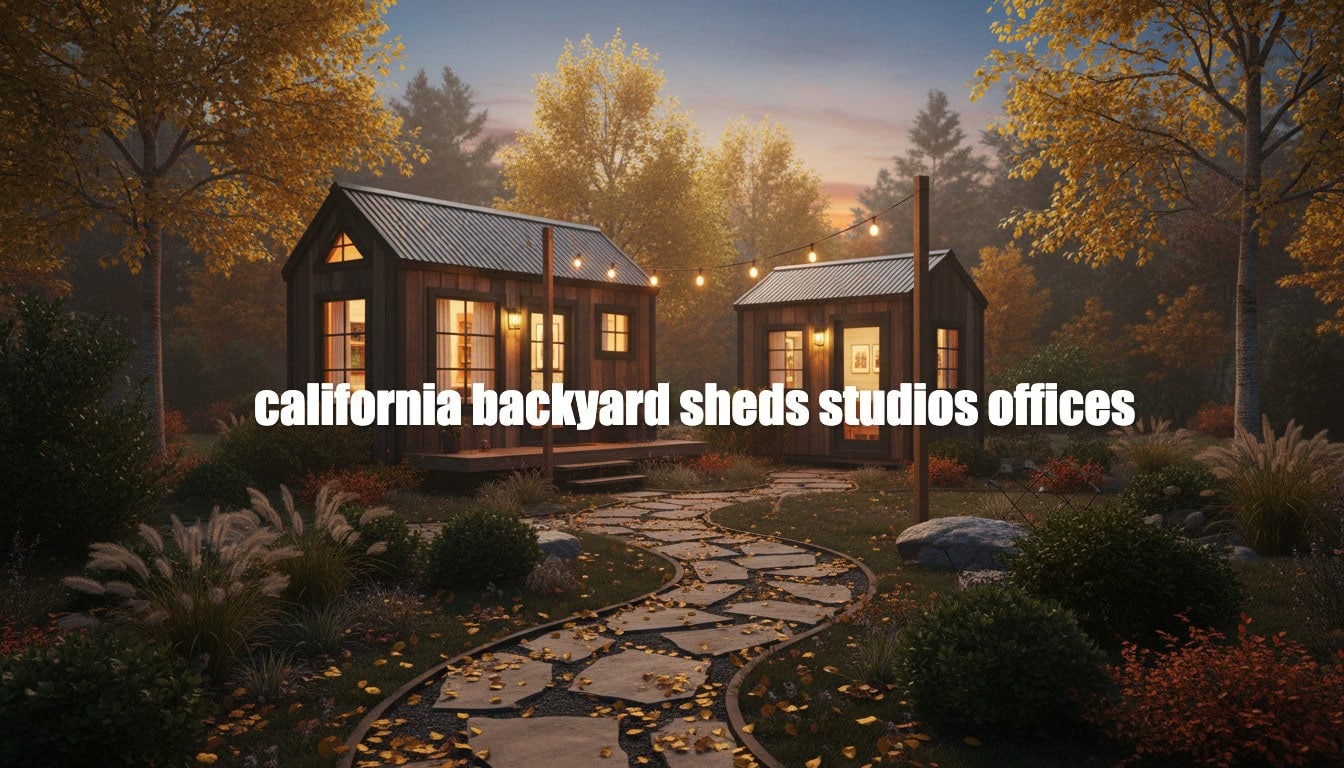
In California, we see a booming trend toward transforming backyards into functional havens with sheds, studios, and offices. As remote work continues to reshape our daily lives, more of us are seeking dedicated spaces away from the main house to focus, create, and unwind. California’s diverse climate—from sunny coasts to mild inland areas—makes these structures not just practical but enjoyable year-round. They offer protection from the elements while blending seamlessly with our outdoor lifestyles. According to recent data from the California Building Industry Association, demand for backyard structures has surged by over 40% in the past five years, driven by housing shortages and the desire for additional living space without major renovations. These additions can increase property values by up to 10-15%, making them a smart investment for us homeowners.
At Great Lakes Tiny Homes, we recognize how these compact spaces extend our living areas in meaningful ways. Drawing from our work with modular designs, we see their relevance to California’s forward-thinking housing landscape, where quality and adaptability meet the demands of everyday life in varied environments.
In this ultimate guide, we cover everything from why Californians are investing in these structures, the types available, design options, popular models, permits, costs, providers, installation, functionality tips, maintenance, real-life examples, and a conclusion to inspire your project.
Why California Homeowners Are Investing in Backyard Structures
We Californians are increasingly turning to backyard sheds, studios, and offices to meet our evolving lifestyle demands. First, the shift to remote work has been monumental; a 2023 Stanford study shows that over 30% of us now work from home full-time, creating a need for quiet, dedicated office spaces that our homes often lack. Rather than converting a bedroom or garage, we opt for backyard structures to maintain work-life boundaries.
Second, with California’s median home prices exceeding $800,000 according to Zillow’s 2024 report, adding on is far more economical than relocating. A backyard office might cost $20,000-$50,000, versus the hundreds of thousands for a move. Third, our year-round mild climate—averaging 60-80°F in most regions—makes outdoor structures viable 12 months a year, unlike harsher climates elsewhere.
Fourth, well-designed backyard builds boost property values; the National Association of Realtors notes that outdoor features like these can add 5-12% to resale prices in California markets. Finally, their versatility shines: we use them for home offices, art studios, yoga spaces, or guest quarters, adapting to our creative and social needs. For those interested in broader tiny living options, explore our guide on the Best Tiny Home Communities in California.
Industry experts echo this trend. Sarah Thompson, a landscape architect with the American Society of Landscape Architects, states, “In California, backyard structures are no longer just storage—they’re essential extensions of the home, reflecting our desire for flexible, multifunctional living.” Similarly, a report from the California Home Builders Association highlights a 25% rise in remote work-related inquiries for these builds since 2020.
Types of Backyard Structures: Sheds, Studios & Offices Explained
We explore a range of backyard structures tailored to California’s homeowners, each serving unique purposes while complying with local building norms. Here’s a breakdown:
1. Storage Sheds
Basic utility structures for tools, equipment, and seasonal items, these are ideal for gardeners or DIY enthusiasts. Typical size: 8×10 to 12×16 feet. Key features include durable metal or wood siding, sloped roofs for rain runoff, and secure locks. Use cases: Organizing lawn mowers, bikes, or holiday decorations in suburban backyards. In California markets, prices range from $2,000-$5,000. Popular features: Ventilation to prevent mold in humid coastal areas. Local builder Tuff Shed offers models like the Tahoe series, popular in Sacramento for its weather-resistant design.
2. All-Purpose Sheds
Versatile options combining storage with light utility, such as a workbench or shelving. Size range: 10×12 to 16×20 feet. Features: Insulated walls, electrical outlets, and multi-level storage. Ideal for hobbyists needing space for projects. Prices: $4,000-$8,000 in California. We see these used for potting plants or as playhouses. Studio Shed’s TR-series is a hit in the Bay Area for its modular panels.
3. Studio Sheds
Creative havens for artists, musicians, or crafters, emphasizing natural light and quiet. Size: 10×12 to 14×16 feet. Key features: Large windows, soundproofing, skylights, and built-in pegboards. Use cases: Painting sessions or music practice without disturbing the household. Cost: $10,000-$20,000. In Los Angeles, Backyard Eichler provides Eichler-inspired studios with mid-century aesthetics. For similar compact inspirations, see Tiny House For Sale Los Angeles.
4. Home Office Sheds
Dedicated workspaces with ergonomic designs for productivity. Size: 8×12 to 12×16 feet. Features: HVAC, high-speed internet wiring, desk integrations, and blackout curtains. Perfect for remote professionals. Prices: $15,000-$30,000. California’s remote work boom makes these essential; Wellmade Industries’ office pods are favored in San Diego for solar compatibility.
5. Luxury Studios
High-end builds with premium finishes like hardwood floors and mini-kitchens. Size: 12×16 to 20×24 feet. Features: Smart lighting, surround sound, and spa-like bathrooms. Use cases: Personal gyms or meditation rooms. Cost: $25,000-$50,000+. SoCal Sheds excels in Orange County with customizable luxury options.
6. ADUs (Accessory Dwelling Units)
Larger living spaces for guests or rentals, often tiny home-like. Size: 400-800 sq ft. Features: Full plumbing, kitchens, and bedrooms. Ideal for multigenerational living. Prices: $50,000-$150,000, varying by utilities. California’s ADU laws support these; for related options, check our Tiny House For Sale Los Angeles for inspiration on compact dwellings.
These types offer flexibility, with many California builders like The Shed Shop providing prefab kits to suit budgets.
Design Options and Customization Features
When customizing backyard structures in California, we focus on options that enhance functionality, aesthetics, and durability against our varied climates. Exterior choices include siding materials like cedar for rustic appeal or fiber cement for low-maintenance in coastal fog. Roof styles range from gabled for traditional looks to flat for modern solar panel integration. Door types: French doors for studios or roll-up for sheds. Window configurations: Clerestory for light without heat gain in sunny areas.
Interiors feature laminate or vinyl flooring for easy cleaning, shiplap walls for warmth, built-in lofts for storage, and LED lighting for efficiency. Architectural styles—modern with clean lines, mid-century evoking Eichler homes, traditional ranch, or rustic barn—impact cost by 10-20%; modern adds $5,000 for sleek finishes.
California trends emphasize indoor-outdoor flow with sliding glass walls, energy-efficient features like double-pane windows and insulation for mild winters, complementing Craftsman or Spanish Revival homes. Sustainable options, popular here due to eco-conscious values, include recycled materials, solar roofing, and rainwater harvesting—reducing energy bills by up to 30%. For instance, reclaimed wood siding from local mills appeals in eco-friendly Bay Area builds. To learn more about supportive areas, visit What Counties In California Allow Tiny Houses.
These customizations not only boost usability but also align with California’s green building codes, ensuring long-term value.
Most Popular Backyard Structure Models in California
We compare popular models suited to California’s climate, featuring earthquake-resistant framing and ventilation for heat. Below is a detailed table:
| Name | Manufacturer | Size Options | Price Range | Key Features | Best Use Case | Permits Required? |
|---|---|---|---|---|---|---|
| Tahoe | Tuff Shed | 8×10 to 12×16 ft | $3,000-$7,000 | Wood siding, sloped roof, vents | Storage | Under 120 sq ft: No |
| TR-1600 | Studio Shed | 10×12 to 14×16 ft | $12,000-$25,000 | Modular panels, insulation, windows | Office/Studio | Yes, typically |
| Classic | Wellmade | 8×12 to 16×20 ft | $5,000-$15,000 | Solar-ready, customizable doors | All-Purpose | Depends on size |
| Eichler Pod | Backyard Eichler | 10×14 ft | $18,000-$30,000 | Mid-century design, skylights | Creative Studio | Yes |
| Duramax | SoCal Sheds | 10×10 to 12×16 ft | $4,000-$10,000 | Metal frame, fire-resistant | Storage/Office | Under 120 sq ft: No |
| Legacy | The Shed Shop | 12×16 to 20×24 ft | $20,000-$40,000 | Luxury finishes, HVAC prep | Luxury Studio | Yes |
| Builder | Tuff Shed | 10×12 ft | $6,000-$12,000 | Electrical wiring, loft | Home Office | Yes |
| Modern Loft | Studio Shed | 12×16 ft | $22,000-$35,000 | Loft space, energy-efficient | ADU-like | Yes |
| Desert Series | Wellmade | 8×10 to 14×14 ft | $4,500-$9,000 | UV protection, dust seals | Desert Storage | Under 120 sq ft: No |
| Rustic Barn | Backyard Eichler | 12×20 ft | $15,000-$28,000 | Reclaimed wood, high ceilings | Multi-Use | Yes |
Top models include the TR-1600 from Studio Shed, favored for its prefab ease and insulation perfect for coastal fog; the Eichler Pod, beloved in mid-century heavy areas like Palm Springs for aesthetic harmony; the Tahoe from Tuff Shed, ideal for basic needs in earthquake-prone zones; and the Legacy from The Shed Shop, chosen for luxury in urban settings. Californians prefer these for their climate adaptability and quick assembly.
California Permits and Regulations for Backyard Structures
Navigating California’s permits is crucial, as state guidelines provide a framework but cities and counties vary. Generally, structures under 120 sq ft often qualify for over-the-counter permits or exemptions if not attached to the home. Setbacks require at least 4-5 feet from property lines, heights cap at 15-20 feet, and utilities like electrical need licensed professionals.
ADU regulations, updated in 2020, allow up to 1,200 sq ft with streamlined approvals for owner-occupied properties. HOAs may impose additional aesthetic rules. In Los Angeles, permits are needed over 200 sq ft, with seismic reinforcements mandatory—check LA Planning Department. San Francisco requires environmental reviews for larger builds; visit SF Planning. San Diego focuses on coastal compliance, details at Development Services. Sacramento has simpler processes for under 120 sq ft via City of Sacramento. For county-specific tiny house allowances that may overlap, refer to What Counties In California Allow Tiny Houses.
We always recommend consulting local building departments or using the state’s HCD website before purchasing to avoid fines up to $5,000.
Cost Analysis: What to Expect in Different California Regions
Costs for backyard structures in California vary by region, with base prices for an 10×12 economy shed at $3,000-$5,000, mid-range $6,000-$12,000, premium $15,000+. Northern California (Bay Area) sees 20% higher prices due to labor ($8,000 base vs. $6,000 in Central Valley); Southern (LA/SD) adds coastal premiums, inland like Riverside is 10-15% less.
Site prep: $1,000-$3,000 for concrete foundations in seismic areas. Permits: $200-$1,000, higher in SF ($500+). Delivery/install: $500-$2,000, panelized cheaper for DIY. Interiors: $2,000-$5,000 for basics. Add-ons like HVAC ($3,000) or plumbing ($4,000) push totals. ROI: 70-90% recouped via value add.
Budget tips: Prioritize essentials, shop prefab. Financing via California credit unions like Golden 1 offers low-interest loans (4-7% APR) for home improvements. Factors: Material costs up 15% post-2022, but incentives like solar rebates cut expenses.
Top California Backyard Structure Providers
We highlight top providers serving California, many of whom specialize in features suited to our local needs:
- Tuff Shed: HQ Denver, serves statewide. Specialties: Sheds/offices. Price: $3,000-$20,000. USP: Durable, customizable. Ratings: 4.5/5. Warranty: 5-10 years. Install: Professional. Testimonial: “Quick setup in our LA yard—solid build!” – Maria T.
- Studio Shed: HQ Louisville, CA-wide. Specialties: Studios/ADUs. Price: $10,000-$40,000. USP: Modern prefab, energy-efficient for CA climate. Ratings: 4.7/5. Warranty: 10 years. Support: Design consults. Testimonial: “Transformed our SF backyard into a productive office.” – Alex R.
- Wellmade Industries: HQ CA, focuses SoCal. Specialties: All-purpose. Price: $5,000-$15,000. USP: Sustainable materials, wildfire-resistant. Ratings: 4.4/5. Warranty: 7 years. Install: Full service. For builder details in areas like San Diego, check Tiny House Builder San Diego.
- Backyard Eichler: HQ Palm Springs, Southern CA. Specialties: Luxury studios. Price: $15,000-$35,000. USP: Mid-century styles for CA homes. Ratings: 4.6/5. Testimonial: “Perfect match for our Eichler—feels like an extension.” – Jordan L.
- SoCal Sheds: HQ Orange County, SoCal. Specialties: Custom sheds. Price: $4,000-$12,000. USP: Local sourcing, quake-proof. Ratings: 4.3/5. Warranty: 5 years.
- The Shed Shop: HQ Sacramento, Northern CA. Specialties: ADUs/offices. Price: $20,000-$50,000. USP: Full customization, HOA compliant. Ratings: 4.5/5. Testimonial: “Handled permits seamlessly in Sac—worth every penny.” – Kim S.
These offer climate-specific features like UV coatings and ventilation.
The Installation Process: What to Expect
Installing a backyard structure in California involves these steps:
- Site Selection: Choose level ground, 5+ ft from lines, considering sun/shade and views. Avoid flood zones.
- Foundation: Concrete slabs ($1,500) for stability in clay soils; pier blocks for sandy areas. Quake anchors mandatory.
- Delivery: Pre-built via truck for small units; panelized for larger, assembled on-site.
- Timeline: 1-3 days for prefab, 1-2 weeks for custom.
- Utilities: Electrician for wiring ($1,000), plumber if needed; fiber internet trenching.
- Inspection: Local inspector checks setbacks, foundations—pass rate 90% if prepped.
- Interior Finishing: Drywall, paint, fixtures—DIY saves $2,000.
- Landscaping: Integrate paths, plants for seamless blend.
DIY suits simple sheds (tools needed: level, drill), pros for utilities/ADUs. CA specifics: Reinforce for earthquakes, use fire-retardant materials in wildfire zones like Central Valley. Pitfalls: Poor grading causes settling—hire surveyors. Best seasons: Spring/fall in deserts, avoid winter rains in North. For tiny home integrations, see our Best Tiny Home Communities in California.
Maximizing the Functionality of Your Backyard Structure
To get the most from our backyard structures in California’s diverse zones, we recommend climate control: AC units or evaporative coolers for deserts (e.g., Honeywell models, $300), passive ventilation for coasts. Space-saving: Murphy beds, wall-mounted desks from IKEA. Multi-purpose: Foldable partitions for office-to-gym shifts.
Tech: Nest thermostats, Ring security for smart control. Indoor-outdoor: Bi-fold doors to patios. Soundproofing: Acoustic panels ($50/sq ft) for studios. Lighting: Skylights with shades to harness sun without glare.
Examples: Bay Area homeowners add lofts for yoga; SoCal artists use pegboards. Expert tip from designer Elena Vasquez: “Layer multifunctional furniture and vertical storage to make 100 sq ft feel expansive.” For ADU ideas, explore What Counties In California Allow Tiny Houses.
Maintenance Tips for California’s Climate Conditions
Our maintenance guide addresses California’s zones:
1. Coastal Areas
Salt air erodes metal—wash quarterly with vinegar solutions. Roof: Clear fog debris. Moisture: Dehumidifiers, seal cracks. Pests: Seal for termites with borate treatments. Eco-products: Seventh Generation cleaners.
2. Desert Regions
Extreme heat warps wood—apply UV sealants annually. Roof: Inspect for cracks. Dust: Gutter guards. Pests: Rodent baffles. Lifespan: Reflective coatings extend by 5 years.
3. Mountain/Forest Areas
Snow load needs sturdy roofs—shovel lightly. Wildfire: Clear 5 ft defensible space, use Class A materials. Ventilation: Vents for humidity. Pests: Mesh screens.
4. Urban Environments
Pollution dulls finishes—power wash biannually. Security: Motion lights. Moisture: Urban humidity checks.
Long-term: Annual inspections, pros every 3-5 years. Energy tips: Insulate for winter, shade for summer. Use Method eco-sprays for compliance.
Real-Life Examples: California Backyard Transformations
We share inspiring stories:
Example 1: Bay Area Office Shed (San Francisco). Goal: Remote workspace. Chose: Studio Shed TR-1600, customized with desk and windows. Challenges: Steep permits, space limits—overcame with city consult. Results: 120 sq ft productivity hub, added $20k value. Before: Cluttered yard; after: Sleek retreat. Quote: “It gave us focus—check zoning early!” – Lee M.
Example 2: Southern CA Art Studio (San Diego). Goal: Creative space. Structure: Backyard Eichler Pod, with skylights. Challenges: Coastal moisture—added ventilation. Results: Daily inspiration, lifestyle boost. Before: Unused corner; after: Vibrant studio. Quote: “Worth the custom tweaks for joy it brings.” – Sofia R.
Example 3: Central Valley ADU (Sacramento). Goal: Guest quarters. Chose: The Shed Shop Legacy, full kitchen. Challenges: Soil grading—hired pros. Results: Family visits easier, rental potential. Before: Empty lot; after: Cozy unit. Quote: “Simplified multigen living—budget for utilities.” – Carlos G.
Example 4: Inland Storage-to-Office (Riverside). Goal: Versatile work/storage. Structure: Tuff Shed Tahoe, loft added. Challenges: Heat—installed AC. Results: Dual-use efficiency. Before: Tool mess; after: Organized oasis. Quote: “Transformed chaos to calm—DIY interiors saved money.” – Nina P.
Example 5: Desert Luxury Studio (Palm Springs). Goal: Yoga retreat. Chose: Wellmade Modern Loft, solar panels. Challenges: Sun exposure—UV windows. Results: Serene escape, energy savings. Before: Barren yard; after: Shaded haven. Quote: “Enhanced wellness—plan for climate extremes.” – Raj K.
These show how structures elevate lives; for builders, visit Tiny House Builder San Diego.
Frequently Asked Questions
Q: Do I need a permit to build a backyard shed or studio in California?
A: Yes, most backyard structures in California require permits, especially if they exceed 120 square feet or include electrical, plumbing, or HVAC systems. Regulations vary by city and county, so check with your local building department to ensure compliance and avoid fines.
Q: How much does it cost to add a backyard office in California?
A: Costs for a backyard office typically range from $15,000 to $30,000, depending on size, materials, and features like insulation and wiring. Factors such as location in high-cost areas like the Bay Area can increase prices, but these investments often boost property values by 5-12%.
Q: What types of backyard structures are popular in California?
A: Popular options include storage sheds for tools, all-purpose sheds for hobbies, studio sheds for creative work, home office sheds for remote professionals, and luxury studios with premium amenities. ADUs are also gaining traction for additional living space amid housing shortages.
Q: How does California’s climate affect backyard structure maintenance?
A: California’s diverse climates require tailored maintenance: coastal areas need protection from salt air and humidity to prevent corrosion, desert regions focus on UV resistance and cooling, mountain areas emphasize snow load and insulation, and urban settings prioritize pest control and noise reduction. Regular inspections help ensure longevity year-round.
Q: Can a backyard structure increase my home’s value in California?
A: Absolutely, well-designed backyard structures can add 10-15% to property values by providing functional space without major renovations. With remote work trends and housing demands, features like offices or studios appeal to buyers, as noted by real estate associations.
Conclusion: Investing in Your California Backyard Space
In conclusion, we see backyard sheds, studios, and offices as transformative investments for Californians, enhancing property values by 10%+, improving quality of life through dedicated spaces, and offering flexible solutions amid housing challenges. Our state’s mild climate ensures year-round use, while progressive regulations like ADU easements support innovation.
Looking ahead, trends point to smarter, greener builds with AI integration and sustainable materials, meeting our evolving needs for remote work and sustainability. We encourage you to assess your backyard’s potential—measure space, review local rules, and envision how a custom structure could redefine your home and daily routine. Start your journey today for a more functional, fulfilling California lifestyle.
As you plan your project, Great Lakes Tiny Homes stands out as a reliable partner, delivering turnkey modular and park model homes throughout the lower 48 U.S. states. Our focus on quality craftsmanship and experience in adaptable designs makes us a practical choice for those seeking durable, innovative solutions tailored to California’s unique living demands.