

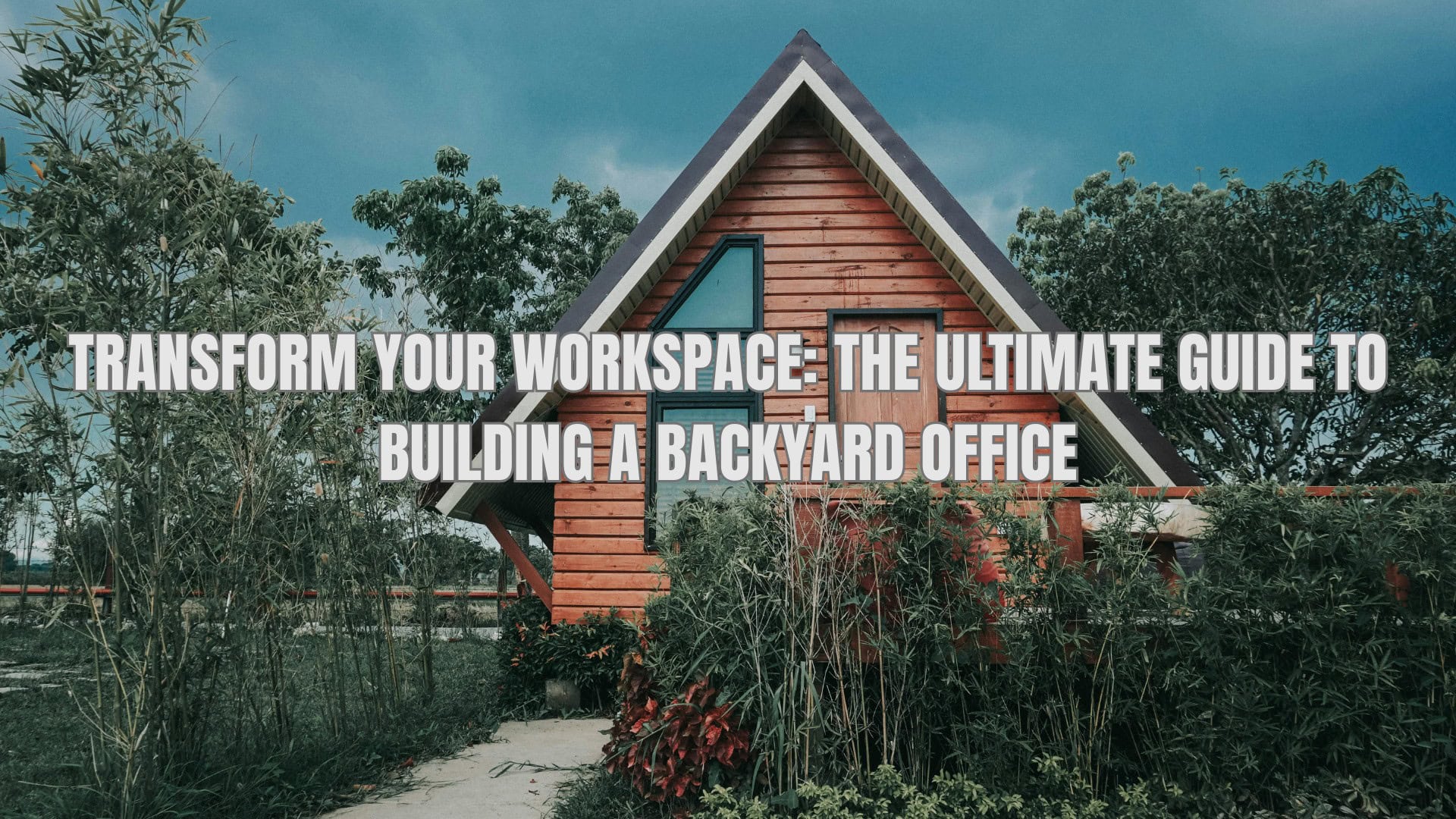
The backyard office continues to gain popularity as a smart solution for remote and hybrid workers, evolving from a niche trend into a mainstream necessity. These versatile structures offer a dedicated professional space that separates work from home life, enhancing focus and well-being. A thoughtfully designed backyard office can transform your daily routine, increase efficiency, and even boost your home’s market value. Options range from affordable prefab units to bespoke designs tailored to individual lifestyles, making it accessible for various budgets and preferences.
Benefits of a Backyard Office
- Improved Work-Life Balance – Creating a distinct workspace helps establish clear boundaries, enabling you to disconnect from work more effectively at the end of the day and reduce burnout.
- Eliminated Commute Time – Your office is mere steps away, freeing up time previously spent traveling and allowing for a more flexible schedule.
- Enhanced Productivity – Away from household interruptions, this dedicated environment fosters deeper concentration and higher output during work hours.
- Cost Savings – Building a backyard office often pays for itself quickly compared to ongoing commercial rent, with potential ROI through energy efficiency and property appreciation.
- Customizable to Your Needs – Tailor every element, from layout to tech integration, to match your specific workflow and ergonomic requirements.
- Potential Tax Benefits – Qualify for home office deductions under current IRS guidelines, potentially offsetting construction and utility costs.
- Increased Property Value – A high-quality backyard office appeals to future buyers, adding functional appeal and resale value to your home.
Types of Backyard Offices
Backyard offices come in various forms to accommodate different lifestyles, budgets, and installation timelines. Prefabricated options remain a top choice for their ease and speed, often arriving fully assembled or requiring only basic setup on a prepared site. These units typically feature modern insulation and finishes, ready for immediate use after utility connections.
For those desiring uniqueness, custom-built offices allow complete personalization through collaboration with designers and builders. This process involves detailed planning to ensure seamless integration with your property’s aesthetics and functionality. Though it demands more time and upfront investment, the outcome is a space that perfectly aligns with your professional vision and long-term needs.
DIY conversions offer a budget-friendly alternative by adapting existing sheds or kits into functional offices. This hands-on approach suits those with construction experience, involving steps like adding insulation, wiring, and interior upgrades. With online resources and modular kits now more advanced, even novice builders can achieve professional results while keeping costs low.
Planning Your Backyard Office
Effective planning lays the foundation for a successful backyard office project, starting with compliance to local regulations. Review zoning laws, permit requirements, and building codes in your area, as many jurisdictions now mandate energy efficiency standards for accessory structures. Consulting your local planning department early can prevent delays and ensure your design meets all safety and environmental guidelines.
Assessing your site is crucial for practicality and longevity. Measure available space, evaluate soil stability, and consider drainage to avoid water issues. Select a spot that balances privacy, natural light, and easy access to your home, while factoring in utility extensions like power and internet. Future-proof your choice by anticipating expansions or landscaping changes.
Design planning should reflect your usage patterns, whether solo work, video calls, or collaborative setups. Incorporate elements like soundproofing for calls and flexible furniture for varying tasks. Align the exterior with your home’s style for visual harmony, and prioritize sustainable materials to reduce environmental impact. This holistic approach ensures the office evolves with your career.
Building a Backyard Office: Step-by-Step
- Site Preparation and Foundation – Clear and level the area, then install a durable foundation such as a concrete slab or helical piers to support the structure against settling or weather extremes.
- Framing the Structure – Build the frame using treated lumber for ground contact and engineered wood for strength, ensuring compliance with current seismic and wind load standards.
- Roof Installation – Secure the roof framing and apply weather-resistant coverings like metal panels or architectural shingles, incorporating ventilation to prevent moisture buildup.
- Exterior Finishing – Add siding, house wrap for moisture control, and install energy-efficient windows and doors with proper flashing to enhance durability.
- Electrical Installation – Hire a licensed electrician to run conduit from your home, install a dedicated panel, and wire for modern demands like EV charging outlets if needed.
- Insulation and Interior Walls – Apply spray foam or rigid insulation for superior thermal performance, then finish walls with moisture-resistant drywall or eco-friendly alternatives.
- Flooring Installation – Choose resilient options like luxury vinyl plank or cork for comfort and ease of maintenance, ensuring subfloor protection against humidity.
- Interior Finishing – Add trim, paint with low-VOC products, and install smart lighting and controls for a polished, healthy indoor environment.
- Furnishing and Technology Setup – Select ergonomic furniture and integrate high-speed Wi-Fi, smart thermostats, and security cameras for seamless operation.
Explore Prefabricated Options with Great Lakes Tiny Homes
For those interested in prefabricated backyard offices, Great Lakes Tiny Homes provides innovative, high-quality alternatives that blend functionality with modern design. Their customizable tiny structures can be adapted into efficient workspaces, emphasizing durability and eco-friendly materials. This approach simplifies the building process while delivering a professional-grade office tailored to remote work demands.
Visit Great Lakes Tiny Home to discover their collection and select an ideal prefabricated solution for your backyard setup.
Cost Considerations and Budgeting
Budgeting for a backyard office requires accounting for current material and labor costs, which have increased due to supply chain factors. Basic prefab conversions now typically range from $10,000 to $25,000, while custom builds with premium features can exceed $30,000 to $80,000 depending on size and specifications. Key expenses include foundation work, structural materials, professional installations for utilities, and high-quality finishes that ensure longevity.
Develop a comprehensive budget by categorizing costs: allocate 20% to site prep and foundation, 30% to the core structure and exterior, 15% to electrical and HVAC systems, 20% to interiors, and 15% to furnishings. Include a 10-15% contingency for inflation or unforeseen issues like permitting fees. Tracking expenses with apps or spreadsheets helps maintain control and avoid overruns.
Optimize costs through strategic choices, such as selecting energy-efficient components that qualify for rebates under recent green building incentives. Opt for modular designs to reduce labor, or phase the project to spread payments. Comparing quotes from multiple contractors and timing builds during slower seasons can yield savings without sacrificing quality. Long-term, focus on low-maintenance materials to minimize ongoing expenses.
Essential Features for a Functional Office
- Robust Electrical System – Plan for 20-30 amps capacity with GFCI outlets, USB ports, and dedicated circuits to support multiple devices and future-proof against tech upgrades.
- High-Speed Internet Connection – Use fiber optic extensions or 5G boosters for reliable connectivity, ensuring low latency for video conferencing and cloud-based work.
- Proper Insulation and Weatherproofing – Achieve R-19 walls and R-30 roofs with advanced materials to maintain efficiency, especially in varying climates.
- Climate Control Systems – Mini-split systems or heat pumps provide zoned heating and cooling, integrating with smart apps for energy optimization.
- Natural and Artificial Lighting – Combine skylights and LED task lighting to reduce eye strain, with dimmers for adjustable ambiance throughout the day.
- Sound Insulation – Double-pane windows and mass-loaded vinyl barriers create a quiet haven, ideal for calls or concentrated tasks.
- Ergonomic Design Elements – Incorporate standing desks, adjustable monitors, and supportive seating to promote health during extended sessions.
- Security Features – Smart locks, cameras, and alarm integration safeguard equipment and provide remote monitoring via mobile apps.
Design Ideas and Inspiration
Modern designs emphasize simplicity and functionality, with sleek lines, expansive glazing, and monochromatic schemes that promote clarity and minimalism. Integrated shelving and hidden cable management keep the space organized and visually appealing. Incorporating sustainable elements like reclaimed wood adds character while supporting eco-conscious living. These features create an inviting yet professional atmosphere conducive to sustained productivity.
Biophilic elements bring the outdoors in, using vertical gardens, large sliding doors, and natural stone accents to foster creativity and reduce stress. Views of greenery enhance mood and cognitive function, backed by recent studies on nature’s workplace benefits. Ventilation systems with fresh air intakes maintain air quality, while outdoor extensions like covered porches extend usable space in mild weather.
Versatile layouts adapt to multiple uses, featuring foldable walls or multifunctional furniture for office-to-guest room conversions. Tech-integrated solutions, such as built-in charging stations and voice controls, streamline daily operations. Personal touches like motivational art or hobby nooks infuse personality, ensuring the space motivates rather than confines. This adaptability makes the office a dynamic asset in evolving work landscapes.
Maintenance and Upkeep
Regular upkeep preserves your investment and functionality, beginning with spring inspections for winter damage like cracked seals or pest entry points. Clean solar panels if installed, test electrical systems, and refresh landscaping to prevent overgrowth issues. Addressing minor wear early, such as repainting or re-caulking, extends the structure’s lifespan and maintains aesthetic appeal.
Summer routines include monitoring AC units for efficiency and ensuring ventilation prevents heat buildup. Fall prep involves insulating pipes, clearing debris from roofs, and updating smart home integrations. Winter checks focus on heating reliability and snow removal to avoid structural strain. Year-round, use gentle cleaners suited to materials and schedule professional inspections every two years.
Proactive maintenance catches issues like moisture intrusion or wiring wear before they escalate, saving on repairs. Update tech components, such as routers or software, to keep pace with cybersecurity standards. Document all service records for warranty claims and resale value. This diligent care ensures your backyard office remains a reliable, comfortable workspace for years.
Ditch Your Commute, Fix Your Focus
By eliminating commutes, a backyard office reclaims valuable time, often 1-2 hours daily, for rest, exercise, or family. This shift not only cuts transportation costs but also lowers environmental impact through reduced emissions. The brief transition from home to office mentally prepares you for work, enhancing mental clarity without commute-related fatigue.
The isolated setting minimizes distractions like family noise or household chores, allowing for uninterrupted flow states essential in knowledge work. Custom acoustics and lighting further sharpen concentration, leading to measurable productivity gains as reported in recent remote work surveys. Over time, this setup supports better mental health by reinforcing work boundaries and reducing overall stress levels.
Frequently Asked Questions
Important Note: The responses in this FAQ section provide general insights into backyard offices based on common practices; always consult local authorities and professionals for advice tailored to your specific situation and location.
What are the main benefits of building a backyard office?
Building a backyard office offers several key advantages, including improved work-life balance by creating clear boundaries between work and home, eliminating commute time to free up your schedule, and enhancing productivity through a distraction-free environment. Additionally, it can lead to cost savings over commercial rentals, customization to your needs, potential tax deductions under IRS guidelines, and increased property value that appeals to future buyers.
What types of backyard offices can I choose from?
Backyard offices come in various types to suit different budgets and preferences, such as prefabricated units that are quick to install and ready for utilities, custom-built designs for personalized aesthetics and functionality, and DIY conversions of existing sheds or kits that allow hands-on customization with insulation, wiring, and upgrades for a budget-friendly option.
How should I plan my backyard office project?
Planning starts with checking local zoning laws, permits, and building codes to ensure compliance, followed by site assessment for space, soil stability, drainage, privacy, light, and utility access. Design considerations should include your work patterns, soundproofing, flexible furniture, exterior harmony with your home, and sustainable materials to create a functional and future-proof space.
What are the basic steps to build a backyard office?
The building process begins with site preparation and foundation installation, such as clearing the area and laying a concrete slab or piers for stability. Next, frame the structure using treated lumber, then proceed with enclosing walls, roofing, insulation, and utility connections to create a weather-resistant, comfortable workspace.
Can a backyard office increase my home’s value?
Yes, a well-designed backyard office can boost your property’s market value by adding a versatile, functional space that appeals to remote workers and hybrid professionals, potentially offering a strong return on investment through energy efficiency and enhanced curb appeal.
Conclusion: Is a Backyard Office Right for You?
A backyard office delivers substantial advantages in productivity, balance, and home value, particularly in the era of flexible work arrangements. It provides a tailored environment that adapts to professional demands while staying connected to home comforts. With rising remote work adoption, investing in such a space positions you for long-term success and lifestyle enhancement.
Yet, suitability varies; small lots, strict HOAs, or short-term residency may favor portable alternatives. Initial costs and climate adaptations require careful evaluation, though incentives like tax credits can offset expenses. Consult experts to assess your property’s potential and explore financing. If aligned with your needs, a backyard office becomes an enduring asset, blending work efficiency with personal fulfillment.
Ultimately, the decision hinges on your work habits and space constraints, but for many, it represents a transformative upgrade. Professional guidance ensures a build that withstands time and trends, potentially serving diverse purposes like home gyms or studios later. Embracing this setup unlocks the full potential of remote living, where convenience meets professionalism in your own backyard.