
Where Can You Put a Tiny House in the Southeast? Your Complete Guide
The tiny house movement is experiencing unprecedented growth across the Southeast, with states like Florida, Georgia, North Carolina, South Carolina, Tennessee, Alabama, Mississippi, Louisiana, Arkansas, Virginia, West Virginia, and Kentucky embracing alternative living solutions. As more people seek affordable, sustainable housing options, the question \”where can you put a tiny house in the Southeast\” has become increasingly important.
This comprehensive guide explores legal placement options, state-specific regulations, and practical considerations for placing your tiny house across the Southeast region. We’ll address common concerns about zoning laws, building codes, and permit requirements while providing actionable solutions.
At Great Lakes Tiny Homes, we understand the unique challenges of tiny house placement across different regions. As a full-service manufacturer of modular and park model homes, we deliver turnkey builds to all 48 lower U.S. states. Whether you choose a tiny house with wheels or without wheels, with or without RVIA certification, we’re here to help navigate the placement process.
Ready to start your tiny house journey? Book a call with our experts who have helped hundreds of customers achieve their tiny home dreams.
Legal Placement Options for Tiny Houses in the Southeast
The Southeast offers diverse placement opportunities for tiny house enthusiasts, each with distinct advantages and requirements.
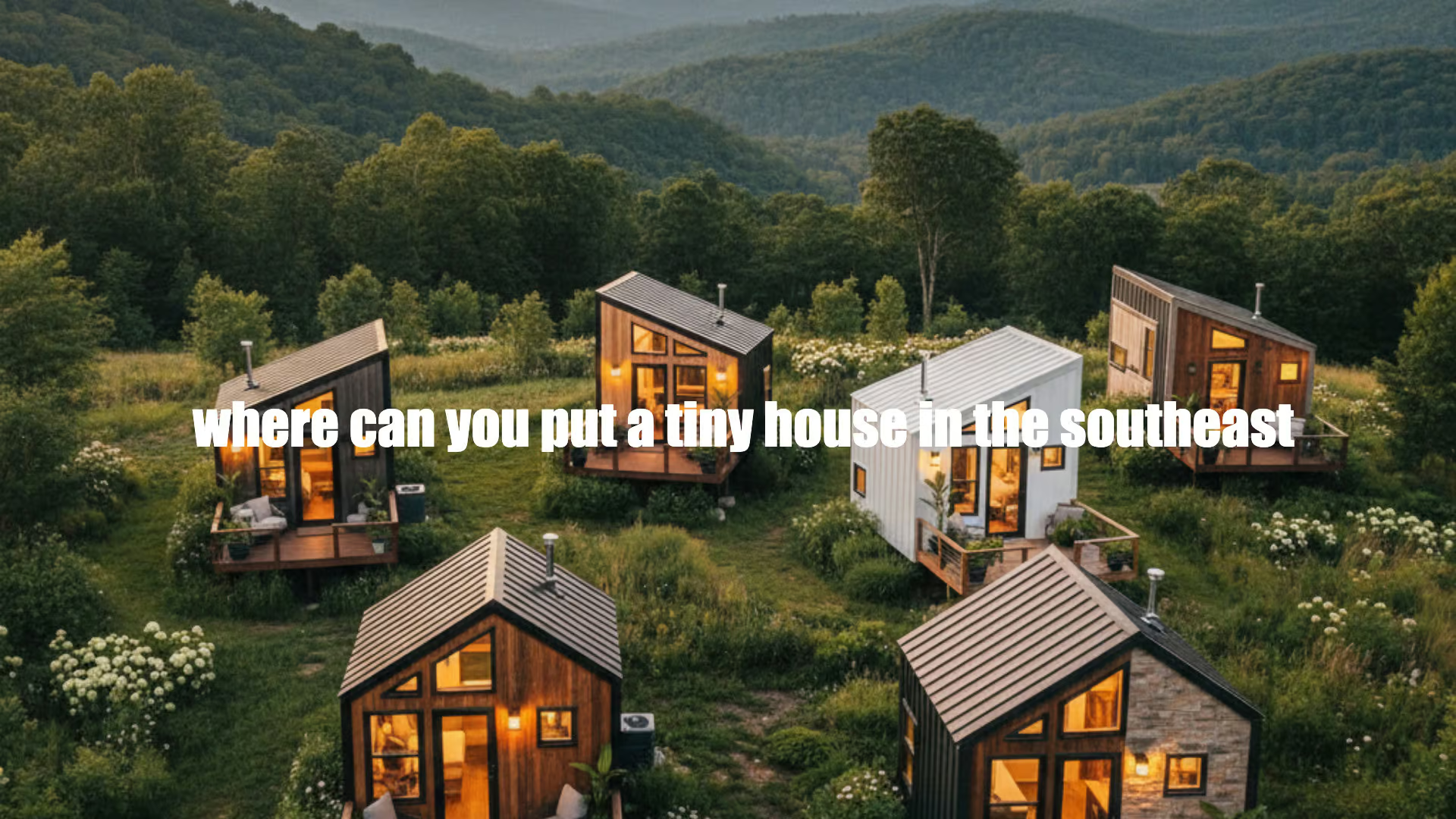
Tiny House Communities and Villages represent the most straightforward placement option. These purpose-built communities handle zoning compliance, utilities, and community amenities while offering a supportive environment.
Private Land with Proper Zoning provides the greatest flexibility and privacy. This option requires careful research into local zoning laws but offers the opportunity to create your ideal living situation.
RV Parks That Accept Tiny Homes offer a middle ground between community living and independence. Many RV parks across the Southeast welcome RVIA-certified tiny homes, providing utilities and amenities while maintaining flexibility.
Backyard ADUs on Family Property have become increasingly popular as families seek multigenerational living solutions. Many Southeast states are updating their ADU regulations to accommodate tiny houses.
Rural Agricultural Land often provides the most permissive environment for tiny house placement. Agricultural zoning frequently allows for farm worker housing and caretaker residences.
Temporary Camping Permits offer short-term solutions while you search for permanent placement. Many counties issue temporary permits for alternative housing during specific circumstances.
State-by-State Tiny House Regulations in the Southeast
Each Southeast state has developed unique approaches to tiny house regulation, reflecting local housing needs and regulatory philosophies.
Florida Tiny House Regulations
Florida requires tiny houses to meet minimum square footage requirements of 150 square feet for permanent residences. The state distinguishes between tiny houses on wheels (classified as RVs) and those on permanent foundations (subject to building codes). Best tiny home communities in Florida offer established placement options with streamlined approval processes.
Georgia Tiny House Regulations
Georgia allows tiny houses as ADUs in many jurisdictions, with minimum size requirements varying by county. The state requires building permits for permanent structures and encourages RVIA certification for mobile units.
North Carolina Tiny House Regulations
North Carolina has embraced tiny houses through progressive zoning updates in many counties. The state requires 120 square feet minimum for permanent residences and allows tiny houses on wheels in designated RV parks.
South Carolina Tiny House Regulations
South Carolina treats tiny houses similarly to traditional homes when placed on permanent foundations. The state requires compliance with International Residential Code (IRC) standards and building permits for permanent installations.
Tennessee Tiny House Regulations
Tennessee allows tiny houses as primary residences in many counties, with minimum size requirements of 120-150 square feet. What counties in Tennessee allow tiny houses provides detailed county-specific information.
Other Southeast States
Alabama, Mississippi, Louisiana, Arkansas, Virginia, West Virginia, and Kentucky permit tiny houses through various zoning classifications. Best tiny home communities in Arkansas showcase the region’s growing acceptance of alternative housing.
Best Tiny House Communities in the Southeast
The Southeast region hosts numerous established tiny house communities that provide turnkey placement solutions with built-in amenities.
Orlando Lakefront at College Park, Florida
Located in Orlando, this community offers lakefront living with tiny houses ranging from 300-600 square feet. Lot rental costs range from $800-1,200 monthly, with utilities included. The community emphasizes sustainable living and maintains strict architectural guidelines.
Tiny House Siesta, Florida
Situated near Sarasota, this community features 20 tiny house lots with access to beaches and cultural attractions. Monthly lot fees range from $600-900, and the community provides utilities, waste management, and maintenance services.
Blue Ridge Tiny House Community, North Carolina
Nestled in the Blue Ridge Mountains, this community provides stunning mountain views and outdoor recreation opportunities. Lot rental costs range from $500-800 monthly, and the community maintains strict environmental standards.
Music City Tiny House Community, Tennessee
Situated near Nashville, this community caters to music industry professionals and enthusiasts. Lot rental costs range from $600-900 monthly, and the community features recording studios and performance spaces.
Placing Your Tiny House on Private Land
Placing your tiny house on private land offers maximum flexibility but requires careful attention to zoning laws, utilities, and permit requirements.
Zoning Verification represents the first critical step. Contact your local planning department to verify that your intended use complies with current zoning regulations. Rural residential, agricultural, and some commercial zones often permit tiny houses.
Utility Connections require careful planning and potentially significant investment. Water connections may involve drilling wells or connecting to municipal systems. Electrical service typically requires professional installation and inspection.
Septic System Requirements apply to most rural placements where municipal sewer systems aren’t available. Septic system installation requires soil testing, permits, and professional installation, typically costing $3,000-8,000.
Building Permits are required for most permanent tiny house installations. The permit process involves submitting plans, paying fees, and scheduling inspections.
Understanding Zoning Laws and Permit Requirements
Navigating zoning laws and permit requirements across Southeast states requires understanding the fundamental differences between zoning classifications.
Residential Zoning typically allows single-family homes and may permit ADUs or tiny houses under specific conditions. Urban residential zones often have minimum square footage requirements and setback restrictions.
Agricultural Zoning frequently provides the most permissive environment for tiny house placement. Agricultural zones often allow farm worker housing, caretaker residences, and agricultural support structures.
RVIA Certification Benefits provide significant advantages for tiny house placement. RVIA-certified units are recognized as recreational vehicles, allowing placement in RV parks and potentially bypassing some local building code requirements.
Foundation vs. Wheels Implications create different regulatory pathways. Tiny houses on permanent foundations are typically subject to building codes as traditional homes, while those on wheels may be classified as RVs.
RV Parks and Campgrounds That Accept Tiny Houses
RV parks and campgrounds across the Southeast provide immediate placement solutions for RVIA-certified tiny houses, offering utilities and amenities while maintaining mobility options.
Florida hosts numerous RV parks that welcome tiny houses, including Lazy Days RV Resort in Tampa Bay (monthly rates $800-1,200), Flamingo Lake RV Resort in Jacksonville ($600-900 monthly), and Paradise RV Resort in Fort Lauderdale ($1,000-1,500 monthly).
Georgia offers diverse options from mountain retreats to coastal locations, including Georgia Veterans State Park ($400-600 monthly) and Skidaway Island State Park near Savannah ($500-800 monthly).
North Carolina’s RV parks range from mountain locations to coastal areas, such as Mama Gertie’s Hideaway Campground in the Smoky Mountains ($450-650 monthly) and Cape Hatteras KOA ($600-900 monthly).
Tennessee offers numerous parks near major attractions, including Nashville KOA ($600-900 monthly) and Gatlinburg RV Park ($500-800 monthly).
Costs and Financial Considerations for Tiny House Placement
Understanding the complete cost structure of tiny house placement helps you budget effectively and choose the most suitable option.
Land Purchase Costs vary dramatically across the Southeast. Rural land may cost $2,000-10,000 per acre, while suburban lots can range from $20,000-100,000 depending on location and utilities.
Land Rental Costs in tiny house communities typically range from $300-1,200 monthly. RV parks charge $300-800 monthly for extended stays.
Utility Connection Costs can represent significant upfront expenses. Electrical connections may cost $1,000-5,000, water well drilling ranges from $3,000-8,000, and septic systems require $3,000-8,000 investment.
Permits and Inspections typically cost $500-2,000 for building permits, plus additional fees for electrical, plumbing, and septic permits.
At Great Lakes Tiny Homes, we offer a variety of park models, cabins, and tiny homes on wheels, each designed for comfort and style. Our prices start around $61,000 for smaller models like The Pinnacle Tiny House on Wheels, while larger park models like the A-Frame Luxe start at about $155,000. All our homes can be customized with finishes and features to fit your lifestyle and budget.
Ready to explore your options? Book a call with our experts who have helped hundreds of customers make their tiny home dreams a reality. You can also view examples of our completed projects in our portfolio.
Utilities and Infrastructure Requirements
Proper utility planning ensures your tiny house placement provides comfortable, reliable living conditions while complying with local codes.
Water Connections require careful consideration of source and quality. Municipal water connections provide reliable service, typically costing $500-2,000 for connection. Well water requires drilling costs of $3,000-8,000 but provides independence from municipal systems.
Electrical Hookups must meet local electrical codes and safety standards. Professional installation is required for permanent connections, with costs ranging from $1,000-5,000 depending on distance from existing service.
Sewage Systems vary based on location and municipal availability. Municipal sewer connections provide convenient waste management, typically costing $500-2,000 for connection. Septic systems require soil testing, permits, and professional installation.
Internet and Communications have become essential utilities. High-speed internet availability varies significantly between urban and rural areas. Satellite internet provides coverage in remote areas but may have data limitations.
Southeast Climate Considerations for Tiny House Living
The Southeast’s subtropical climate presents unique opportunities and challenges for tiny house living, requiring specific design considerations.
Extreme Heat Management becomes critical during summer months when temperatures regularly exceed 90°F with high humidity. Efficient air conditioning systems are essential, requiring adequate electrical capacity and proper insulation.
Cooling Costs represent the largest utility expense for Southeast tiny houses. Energy-efficient HVAC systems, proper insulation, and smart thermostats can reduce cooling costs by 20-40%.
Solar Power Benefits are substantial in the Southeast due to abundant sunshine and high cooling costs. Solar installations can significantly reduce or eliminate electrical bills, with payback periods of 6-10 years typical for the region.
Humidity Control prevents mold and mildew problems common in the Southeast. Proper ventilation, dehumidifiers, and moisture barriers are essential for maintaining healthy indoor air quality.
Common Challenges and How to Overcome Them
Tiny house placement in the Southeast involves navigating various challenges, but understanding these obstacles and their solutions helps ensure successful placement.
Navigating Complex Zoning Laws
Zoning regulations vary significantly between jurisdictions. Research local zoning ordinances thoroughly before purchasing land. Contact planning departments directly to discuss your specific plans and obtain written confirmation of compliance.
Finding Suitable Land or Communities
Limited availability of tiny house-friendly locations can make placement challenging. Expand your search radius to include rural areas with more flexible regulations. Network with local tiny house groups to discover placement opportunities.
Meeting Building Code Requirements
Building codes can seem overwhelming for tiny house construction. Work with builders experienced in tiny house construction and local codes. Consider RVIA certification for tiny houses on wheels to simplify placement options.
Securing Financing
Traditional mortgages typically don’t apply to tiny houses. Explore personal loans, RV loans, or specialized tiny house financing options. Some builders offer financing programs specifically for tiny houses.
Frequently Asked Questions About Tiny House Placement in the Southeast
These common questions address the most frequent concerns about tiny house placement across the Southeast region.
Can I live in a tiny house year-round in the Southeast?
Yes, year-round tiny house living is possible throughout the Southeast, but legal requirements vary by location. Permanent residency requires compliance with local zoning laws and building codes. RVIA-certified tiny houses can often be placed in RV parks for extended stays.
What’s the difference between tiny houses and RVs legally?
The legal distinction depends on construction standards and certification. RVIA-certified tiny houses are classified as recreational vehicles and can be placed in RV parks. Non-certified tiny houses are typically subject to building codes as permanent structures.
How much does it cost to place a tiny house in the Southeast?
Placement costs vary widely based on location and infrastructure requirements. Community placement typically costs $300-1,200 monthly for lot rental. Private land placement involves land costs ($2,000-100,000), utility connections ($5,000-15,000), and permits ($500-2,000).
Do I need special insurance for my tiny house?
Insurance requirements depend on your tiny house type and placement. RVIA-certified tiny houses typically require RV insurance, costing $500-1,500 annually. Tiny houses on permanent foundations need homeowner’s insurance, ranging from $800-2,000 annually.
Your Next Steps to Tiny House Living in the Southeast
The Southeast region offers diverse and exciting opportunities for tiny house living, from coastal communities in Florida to mountain retreats in North Carolina and Tennessee. Whether you choose an established tiny house community, private land placement, or RV park living, the region’s growing acceptance of alternative housing creates numerous pathways to your tiny house dreams.
Your journey begins with thorough research of your target area’s specific regulations and requirements. Contact local planning departments to understand zoning laws, building codes, and permit processes. Visit potential communities and locations to experience them firsthand.
Consider your long-term goals when choosing placement options. Community living offers built-in amenities and social connections, while private land provides maximum independence. RV parks offer flexibility and lower commitment levels.
Budget carefully for all placement costs, including land, utilities, permits, and ongoing expenses. Factor in regional climate considerations when planning your tiny house design and utility requirements.
Ready to take the next step? Book a call with our experts who have helped hundreds of customers make their tiny home dreams a reality.
How Great Lakes Tiny Homes Supports Southeast Placement
Successfully placing a tiny house in the Southeast requires working with experienced professionals who understand the unique regulatory landscape, climate considerations, and placement opportunities across the region.
Great Lakes Tiny Homes brings extensive experience in building quality tiny homes that meet the Southeast’s specific requirements and regulations. Our understanding of regional building codes, climate considerations, and placement options allows us to design and construct homes that meet legal requirements while providing comfortable, efficient living.
We offer comprehensive customization options that address the Southeast’s climate challenges, from enhanced cooling systems and humidity control to hurricane-resistant construction for coastal areas. Our experience with both RVIA-certified park models and traditional tiny houses provides flexibility for different placement strategies.
Whether you’re planning community living, private land placement, or RV park lifestyle, we can help you design and build the perfect tiny house for your Southeast adventure. Our team understands the importance of creating homes that meet regulatory requirements while enhancing your quality of life.
Ready to start your Southeast tiny house journey? Book a call with our experts who have helped hundreds of customers make their tiny home dreams a reality.